Character
The Story of Mahoganywood
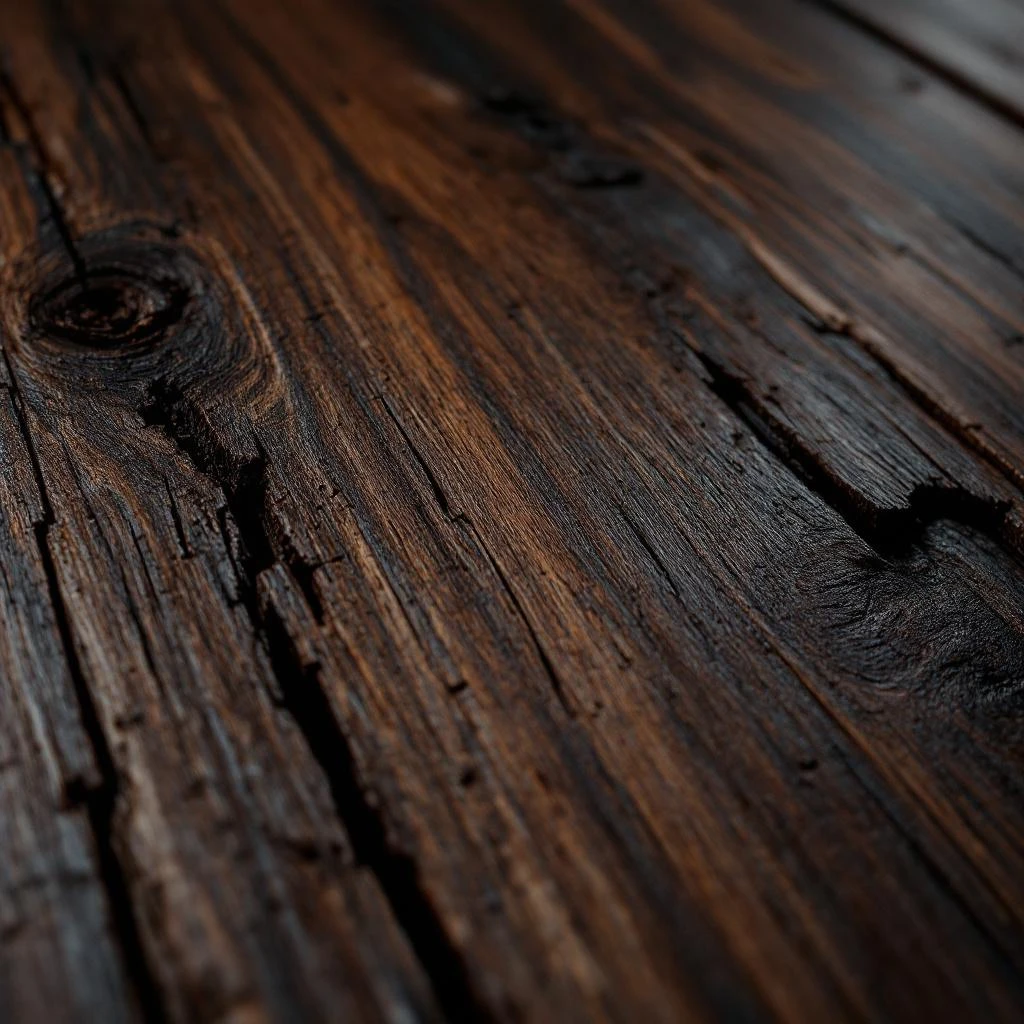
Mahogany wood offers a deep, resin‑rich aroma that blends dry timber with a faint caramel sweetness, evoking the heart of a tropical forest in a single note.
Heritage
Mahogany entered the perfume world after centuries of use as a prized timber in shipbuilding and furniture. Early travelers from Europe recorded the wood’s fragrant smoke during voyages through the Amazon in the 16th century. Persian alchemists, who pioneered alcohol‑based distillation, first experimented with Mahogany resin in the 9th century, though records remain sparse. By the late 1800s, the rise of organic solvents allowed perfumers to extract a richer absolute from the heartwood, expanding its role beyond a background note. In the 1920s, French maisons incorporated Mahogany oil into classic chypre and oriental blends, valuing its ability to anchor bright citrus top notes. The post‑war era saw a surge in exotic woody accords, and Mahogany became a staple in luxury niche fragrances of the 1970s and 1980s. Today, sustainable plantations in Brazil supply the majority of the raw material, ensuring the note’s continuity in modern compositions while honoring its historic link to deep forest aromas.
At a Glance
1
Feature this note
Brazil
Primary source region
Ingredient Details
Steam distillation
Dried heartwood
Did You Know
"A single kilogram of dried Mahogany heartwood yields only 0.12 ml of essential oil, making it one of the most precious wood extracts used by perfumers worldwide."