Wisteria
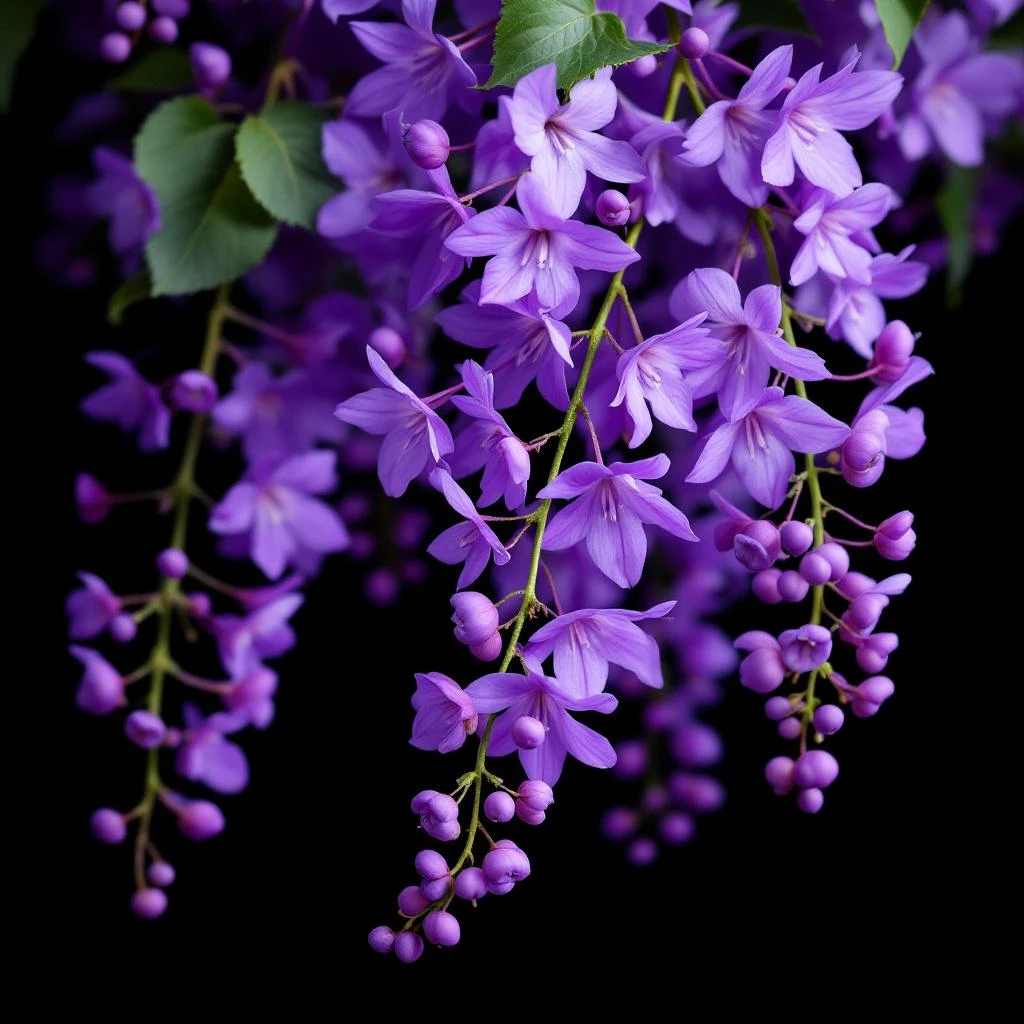
Wisteria's cascading spring blooms perfume gardens worldwide, yet the delicate flower yields nothing to traditional extraction. Every drop of wisteria in your perfume is a laboratory's careful reconstruction of nature's fleeting beauty.
Character
How it smells
Spring's ghost flower, reborn in the lab
Wisteria flowers contain so little volatile material that attempting steam distillation produces essentially nothing worth capturing.









Origin
Japan
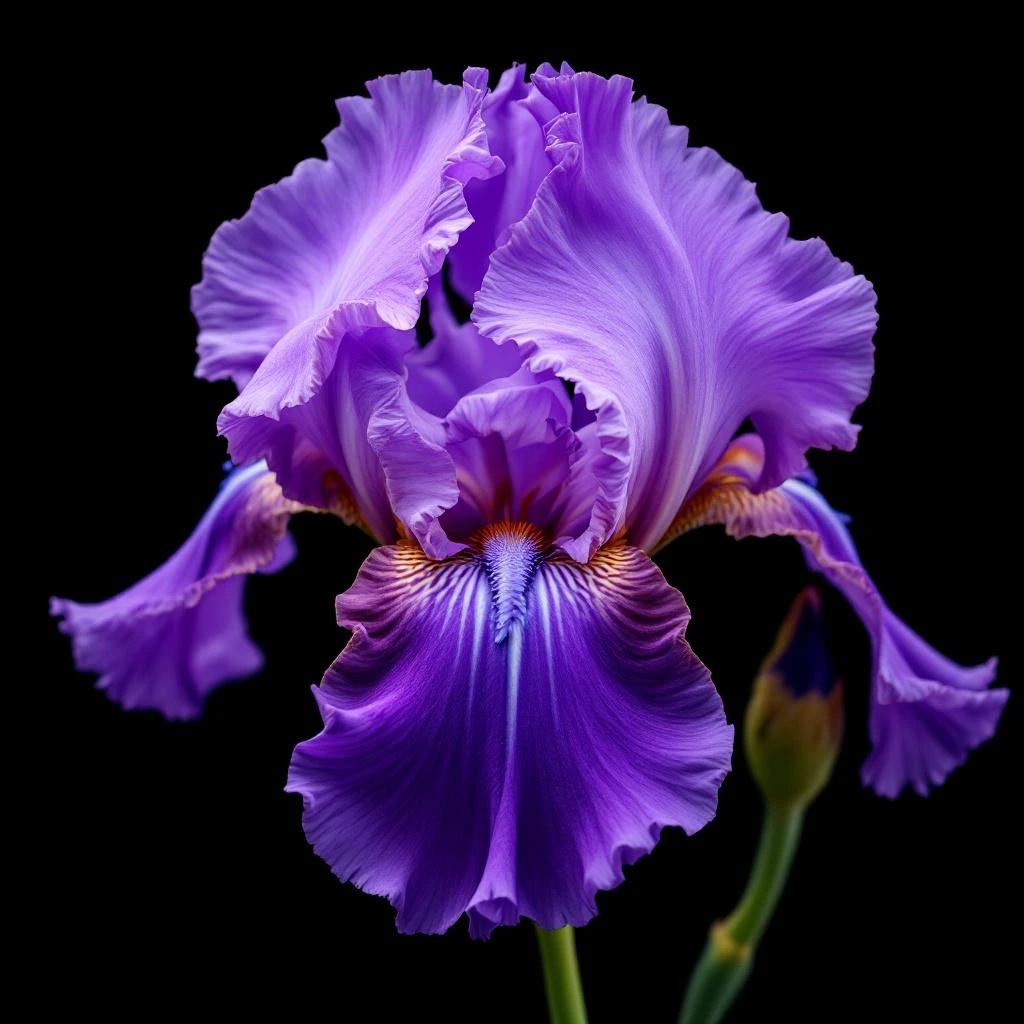
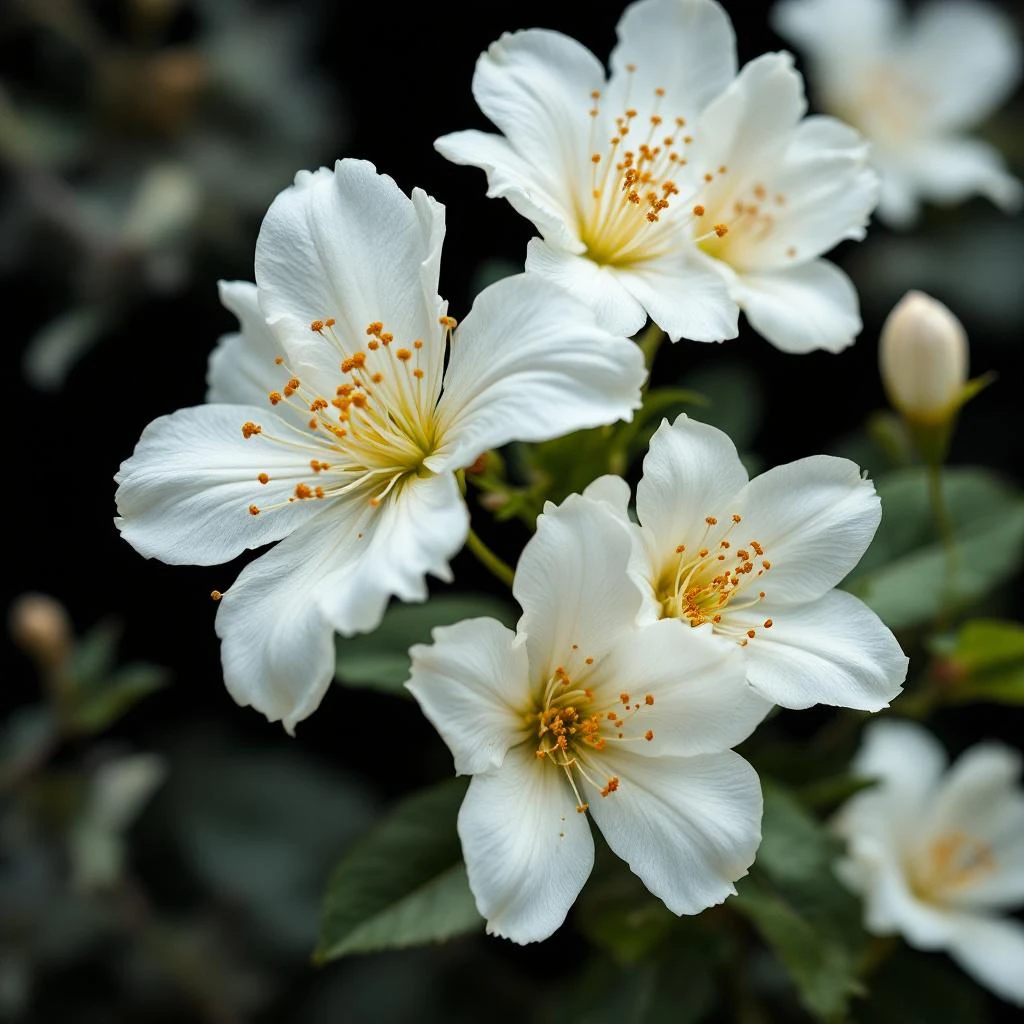
Wisteria traces its roots to the gardens and wild spaces of Japan, China, and Korea, where it has climbed arbors and draped over trellises for centuries. The plant entered Western horticulture in the early 1800s, gracing estates from English country gardens to American estates. Its pendulous purple and white flower clusters became synonymous with romantic spring gardens.
However, when perfumers attempted to capture its essence, they encountered an unforgiving botanical truth: the flowers simply do not yield their scent to conventional extraction methods. This technical limitation positioned wisteria among the first ingredients to be synthesized rather than extracted. As organic chemistry advanced in the late 19th century, perfumers gained tools to recreate notes that nature refused to surrender.
Wisteria became a benchmark for this new synthetic approach, its presence in early 20th-century fragrances marking the emergence of modern perfumery's relationship with laboratory-created ingredients.
Wears it best
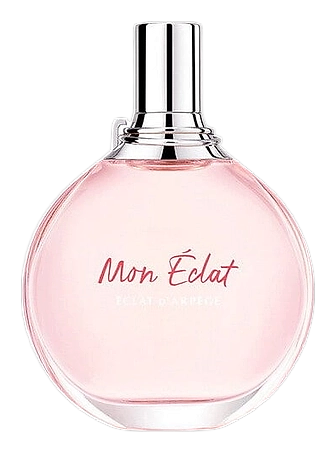
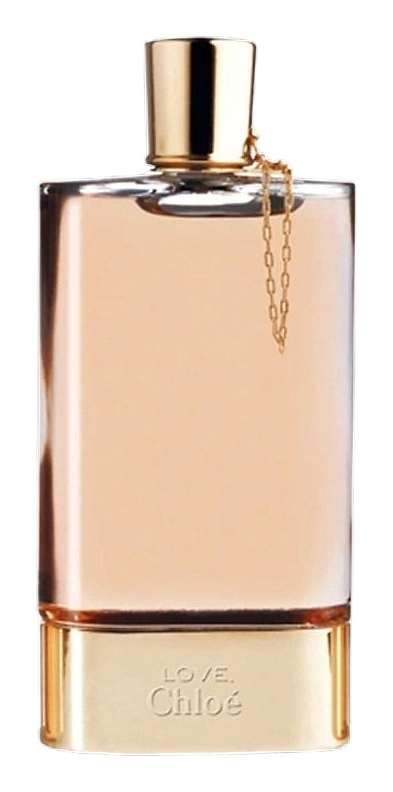
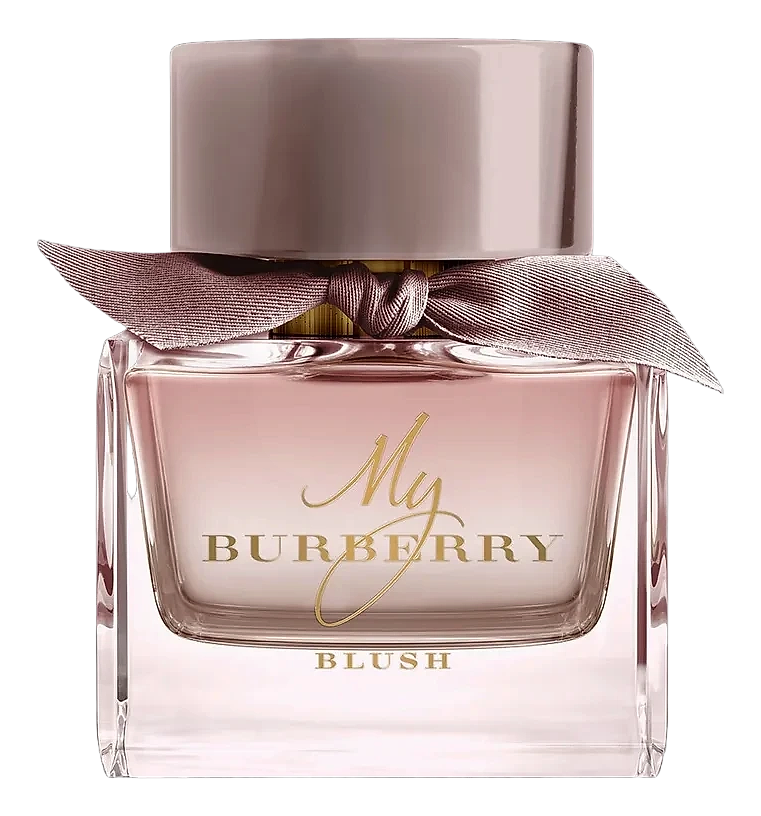
Fragrances featuring Wisteria
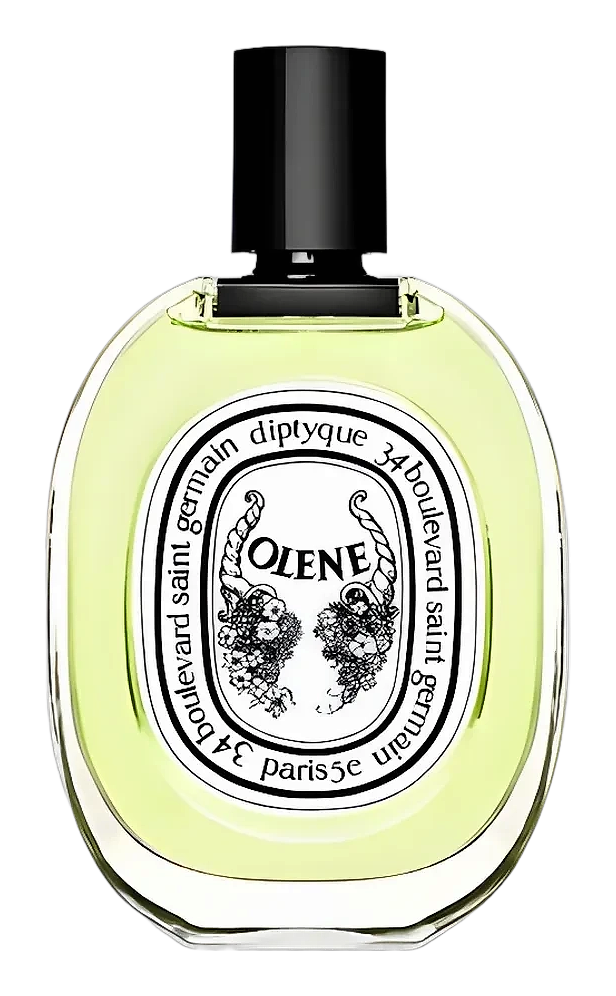
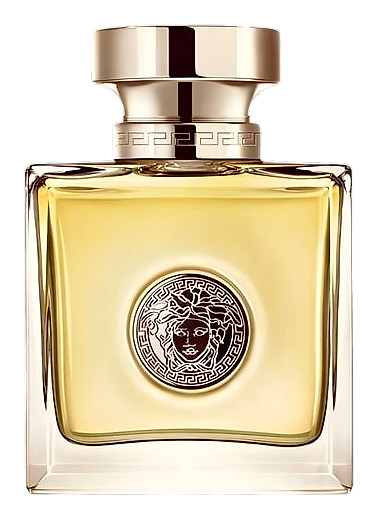

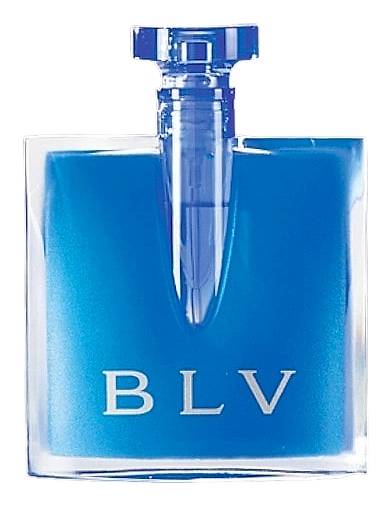
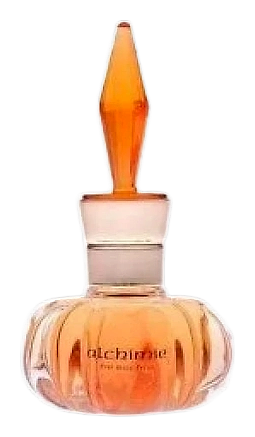
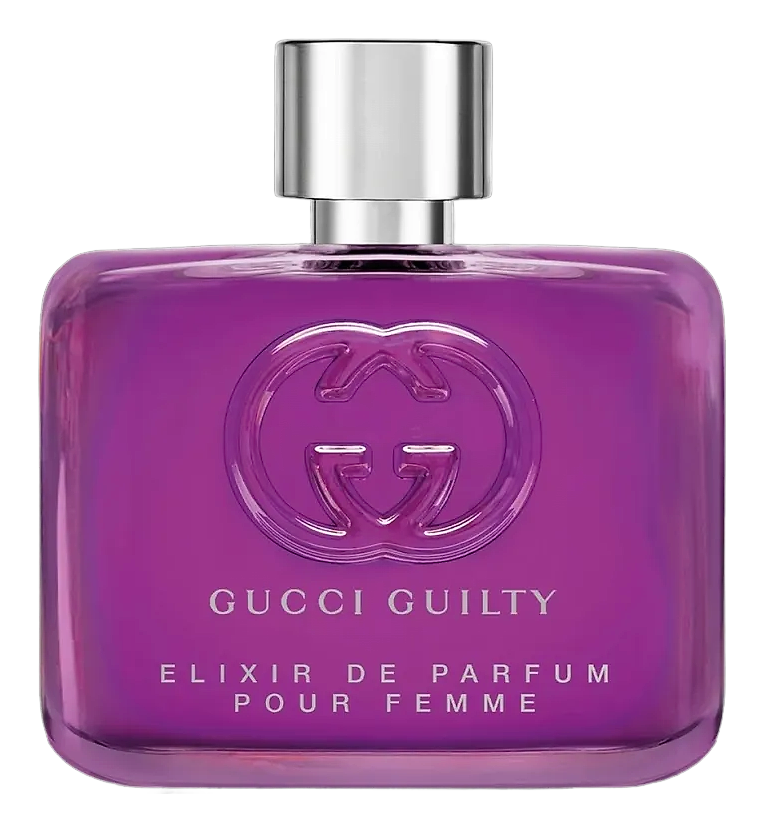
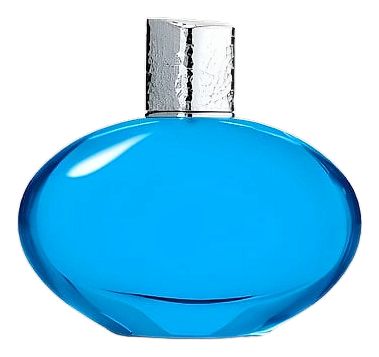
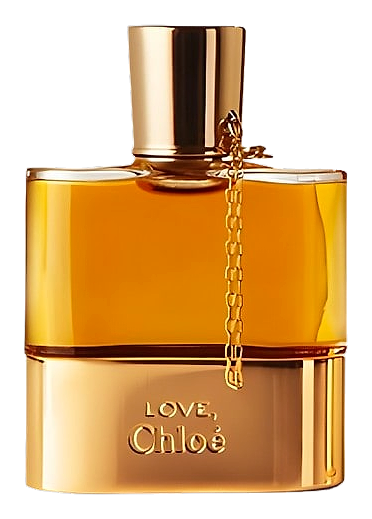
Brands
Brands known for Wisteria
Good to know
Questions, answered
The essentials on Wisteria in perfumery: how it smells, where it comes from, and how it behaves on skin.
Is wisteria in perfume a natural ingredient?
No. Wisteria does not exist as a natural extract in perfumery. The flowers contain insufficient volatile material for any commercial extraction method to work.
Why can't wisteria be extracted naturally?
Wisteria flowers produce minimal aromatic compounds. Attempts at steam distillation and solvent extraction yield negligible results, making natural sourcing impractical.
How do perfumers create wisteria scent?
Fragrance chemists synthesize the specific molecules that create wisteria's characteristic sweet, grape-like floral aroma. These laboratory-created compounds replicate the natural scent profile.
What does wisteria smell like?
Wisteria offers a sweet, powdery-floral scent with grape-like facets and a light, airy quality reminiscent of lilac and hyacinth in their gentlest expressions.
When did synthetic wisteria first appear in perfume?
Synthetic wisteria emerged alongside the birth of modern perfumery in the late 19th century, when organic chemistry first allowed perfumers to recreate scents nature refused to yield.
Which perfume families use wisteria most often?
Wisteria appears primarily in floral and white floral fragrances, particularly those aiming for a fresh, spring-like character. It also shows up in fougère and powder compositions.
Is synthetic wisteria sustainable to produce?
Yes. Synthetic production avoids the resource intensity of large-scale botanical cultivation and extraction attempts, making wisteria a relatively sustainable fragrance ingredient.
Are there any natural wisteria extracts available?
No commercial natural wisteria extract exists. Hobbyist experiments with ethanol extraction exist online, but these produce only extremely weak, non-commercial results.