Persimmon
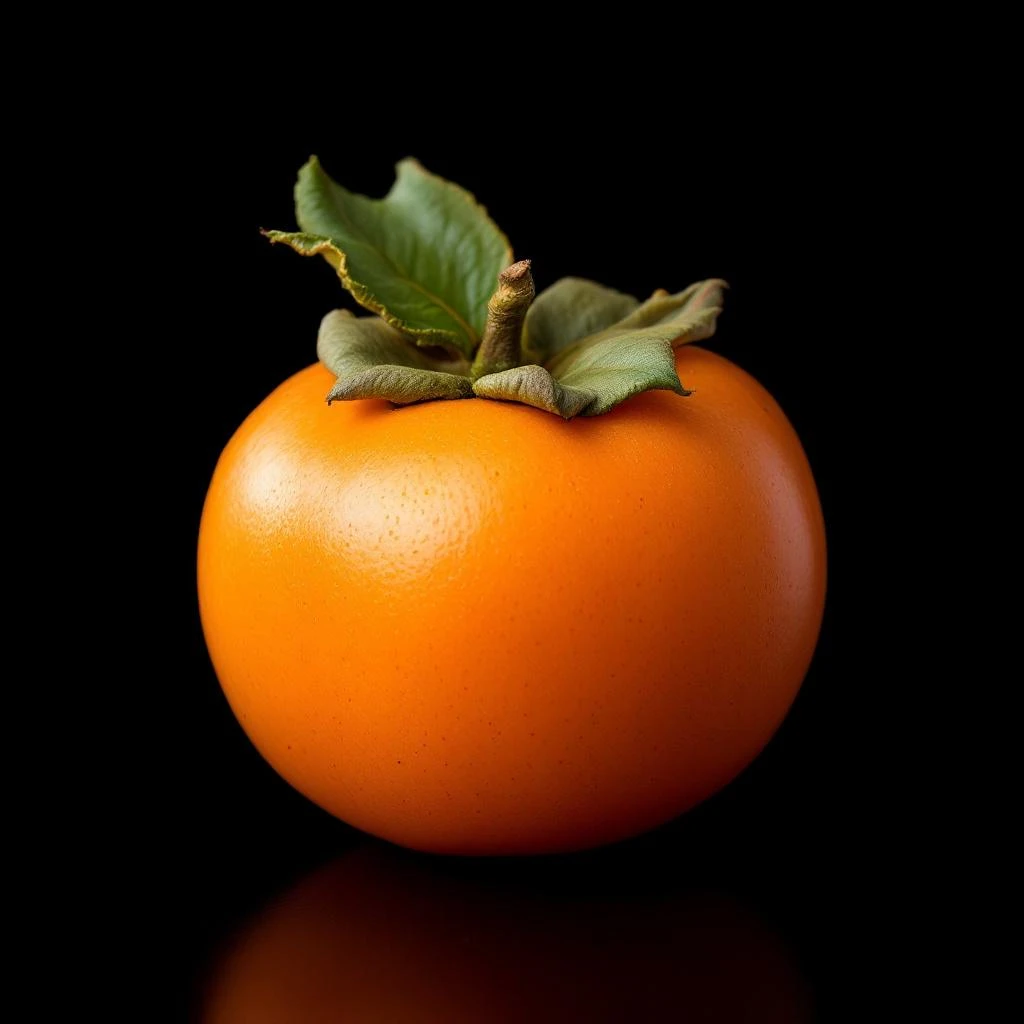
Ripe persimmon captures autumn in a single bite: warm, jammy sweetness balanced by a subtle, woody depth that lingers like late October light.
Character
How it smells
Fruit of the gods, captured in scent.
The persimmon tree can produce fruit for over 200 years, with some specimens in Japan exceeding 300 years of age.



Origin
Japan
Persimmon originated in East Asia, where ancient Chinese civilizations cultivated Diospyros kaki as early as the seventh century BC. The fruit held sacred status across the region; the genus name Diospyros translates from Greek as divine fruit. Ancient texts from multiple Asian cultures document the fruit's use in ceremonies, medicine, and cuisine.
Buddhist monks carried persimmon seeds along trade routes, establishing the tree in Korea and Japan where it became deeply embedded in cultural tradition. Japanese artisans incorporated persimmon wood into fine lacquerware, prized for its fine grain and durability. The fruit appears in classical poetry and visual art as a symbol of autumn's abundance and transience.
Western botanical explorers introduced persimmon to European gardens during the 16th and 17th centuries, though fragrance applications did not emerge until modern extraction techniques developed in the late 20th century. Today, Japanese perfumers particularly embrace persimmon as a bridge between Eastern sensory tradition and contemporary fragrance craft.
Wears it best
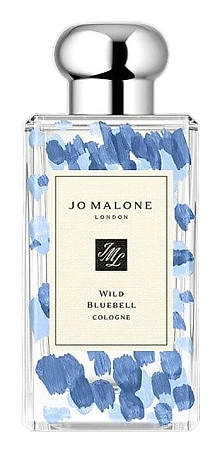
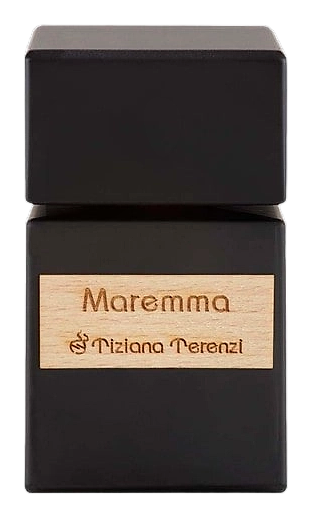
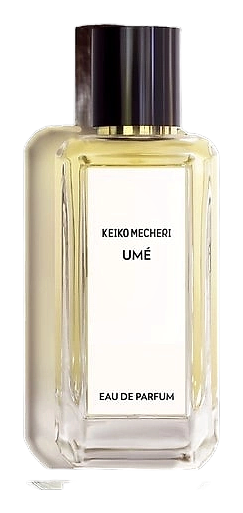
Fragrances featuring Persimmon

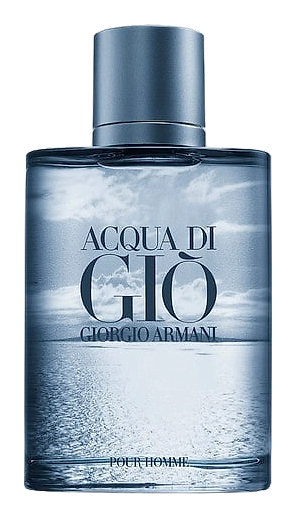
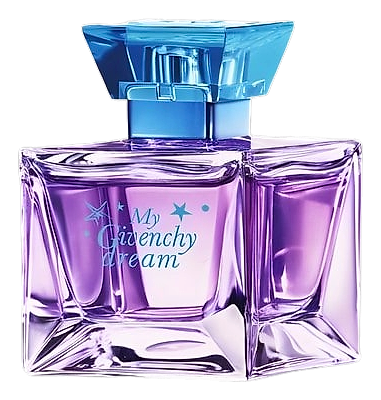
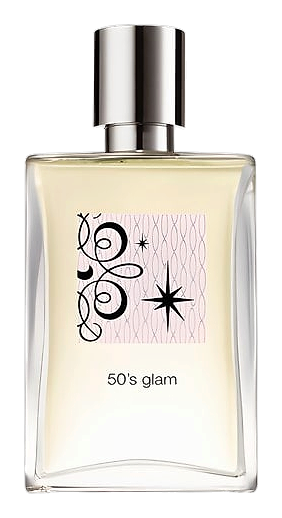
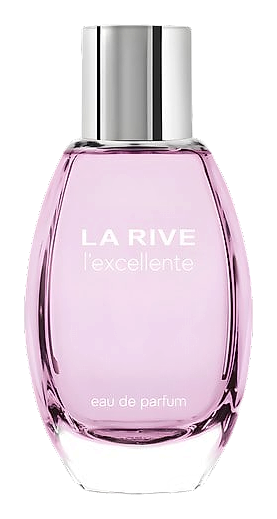
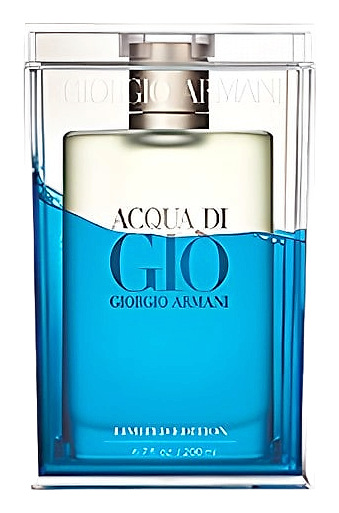
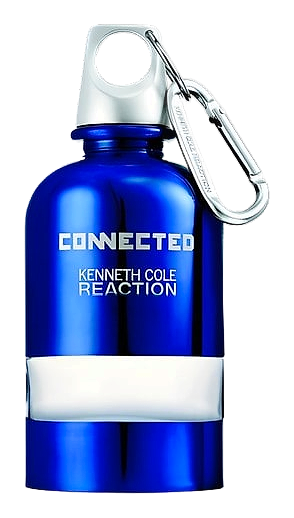
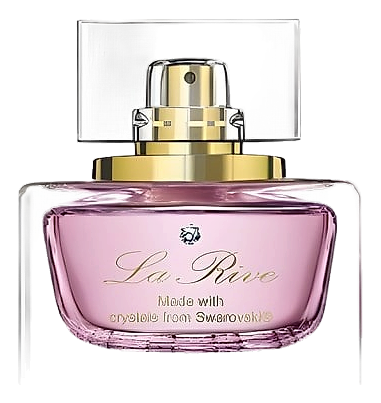
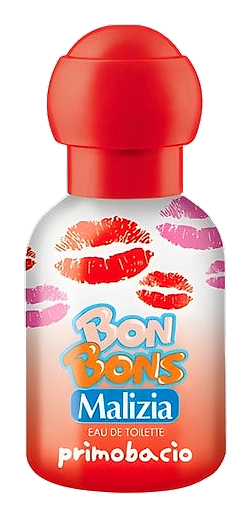
Brands
Brands known for Persimmon
Good to know
Questions, answered
The essentials on Persimmon in perfumery: how it smells, where it comes from, and how it behaves on skin.
What does persimmon smell like in perfume?
Persimmon carries warm, jammy sweetness reminiscent of apricot and medjool date, with subtle undertones of damascenone that evoke dried autumn leaves. The effect sits between fresh and cooked fruit, offering brightness and depth simultaneously.
Is persimmon used as a natural or synthetic ingredient?
Both forms exist. Natural persimmon absolute is rare and costly, so most fragrances use synthetic approximations or combinations of damascenone, gamma-decalactone, and fruit esters to recreate the effect.
What fragrance families pair well with persimmon?
Persimmon complements woody notes like sandalwood and cedar, spices such as cardamom, and other autumn fruits including apple and fig. It works particularly well in chypre and oriental compositions.
Does persimmon smell different across fragrance types?
The interpretation varies considerably. Niche fragrances often use authentic absolute for a jammy, complex character. Designer fragrances typically deploy synthetic persimmon notes for a brighter, more accessible fruitiness.
Is persimmon considered a top, middle, or base note?
Persimmon functions primarily as a heart note, though the underlying woody and dried fruit elements give it surprising longevity. It typically emerges after the initial citrus and green notes fade.
Can persimmon cause skin sensitivity?
Natural persimmon absolute demonstrates low sensitization potential. Standard cosmetic safety guidelines recommend patch testing for individuals with reactive skin before full application.
How does persimmon compare to other stone fruits in perfumery?
Unlike apricot or peach, persimmon adds a distinctive astringent quality and woody depth. It bridges fresh fruit and dried fruit territory, creating a more complex, autumnal effect than its stone fruit cousins.
What extraction method produces the best persimmon absolute?
Supercritical CO2 extraction yields the most faithful representation of fresh persimmon, preserving delicate esters that solvent methods may alter. However, CO2 extracts command significantly higher prices.