Yellow Mandarin
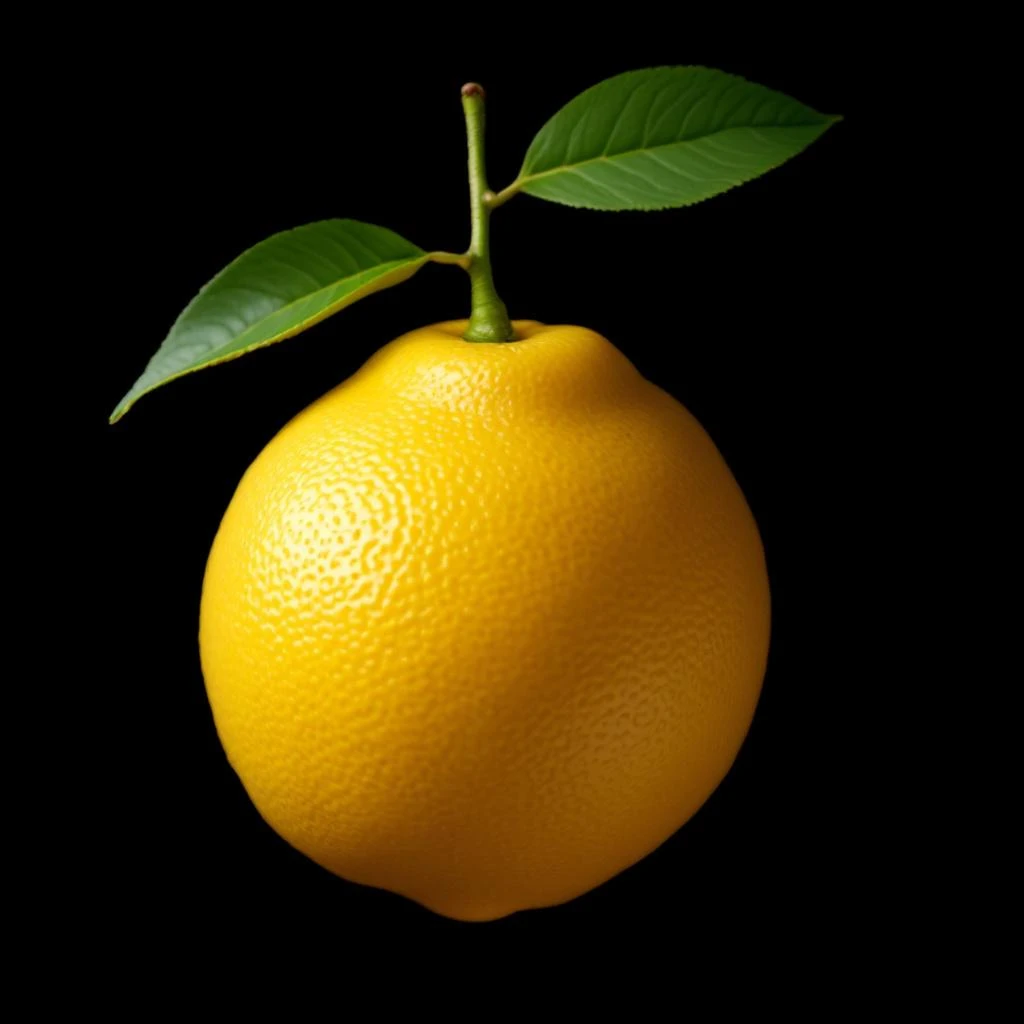
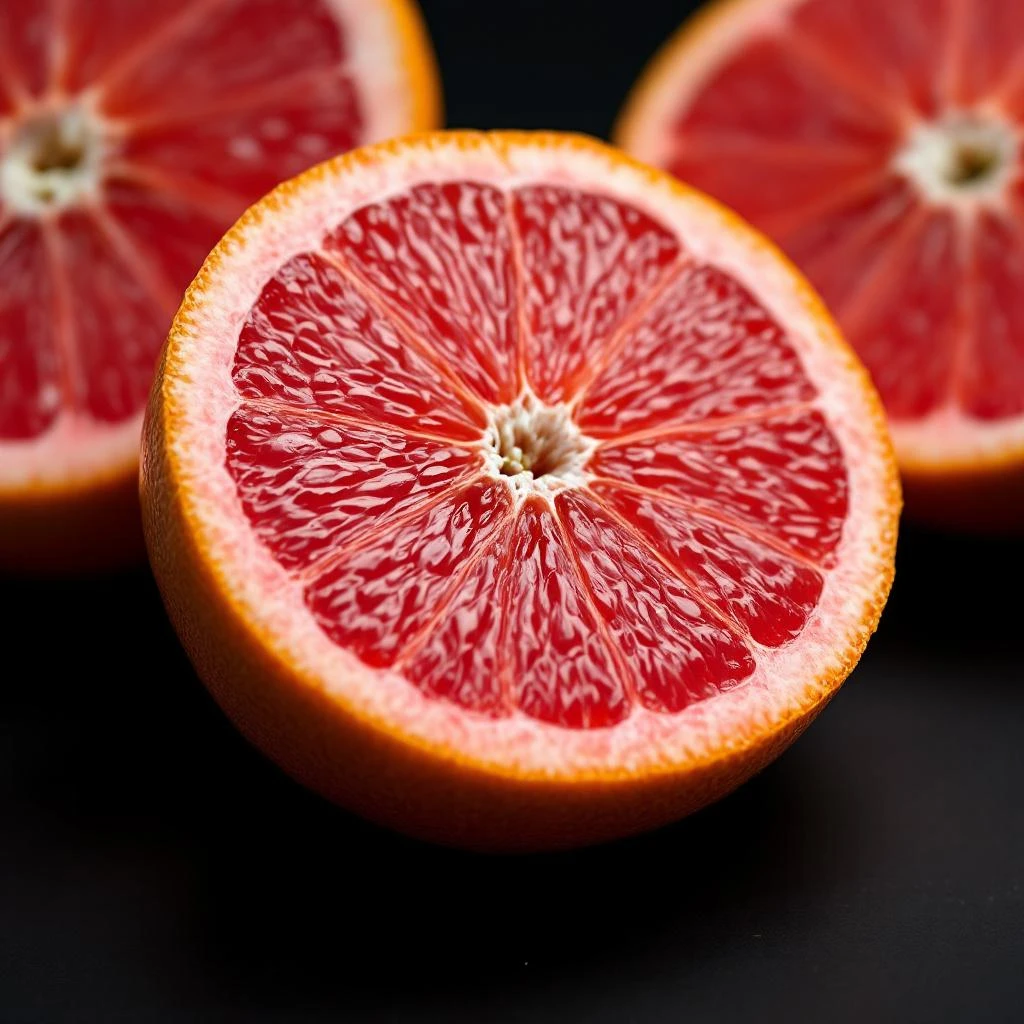
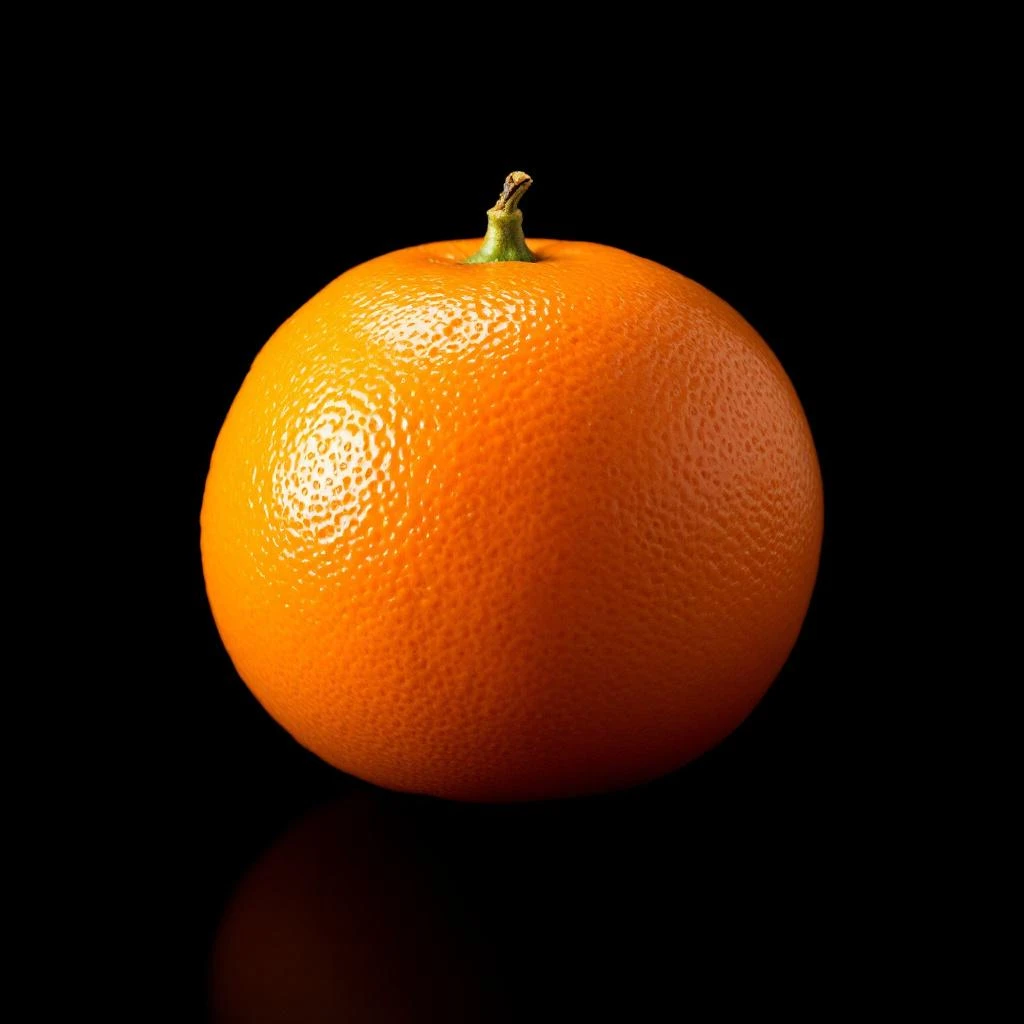
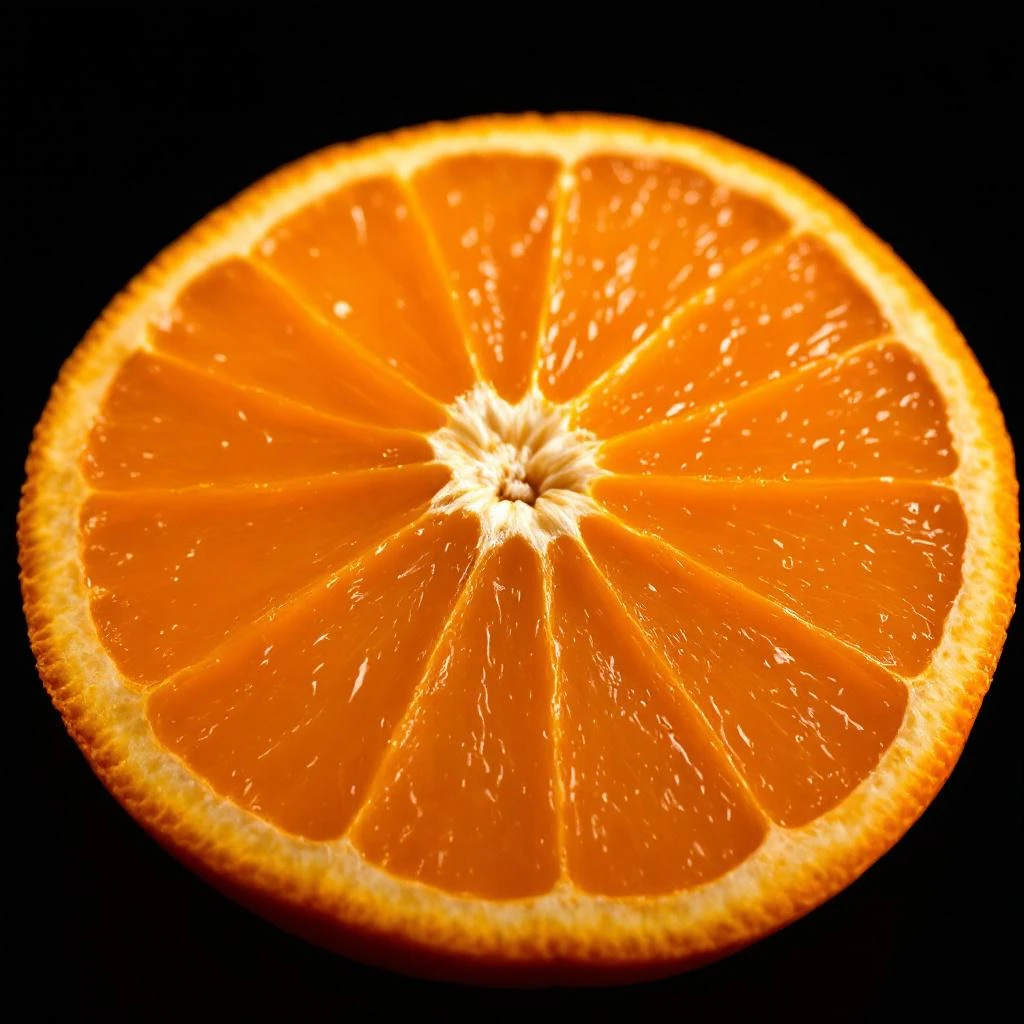
Yellow Mandarin captures the sun-drenched essence of semi-ripe Citrus reticulata, delivering a sparkling citrus burst that feels like biting into a fresh fruit on a warm morning. Its bright, juicy character makes it a staple in modern perfumery.
Character
How it smells
Sun-ripened citrus in every drop.
Unlike green mandarin, the yellow variety is harvested semi-ripe, giving it a sweeter, more rounded citrus profile that perfumers prize for its versatility.









Origin
China
The mandarin orange is one of the oldest cultivated citrus fruits, with origins tracing back thousands of years to ancient China, where it developed as a natural hybrid between citron and pomelo. Ancient Chinese texts document its cultivation and ceremonial use long before the fruit reached any other region of the world. The name itself carries historical weight: mandarin oranges were traditionally offered as New Year gifts to government officials called Mandarins during imperial festivals, a custom that gave the fruit its enduring European name.
For centuries, the fruit remained largely confined to China and neighboring regions. European interest grew after Portuguese and Dutch traders established maritime routes in the 15th and 16th centuries, eventually carrying citrus specimens westward. The mandarin reached the Mediterranean by the 19th century, where Italian and Spanish growers developed extensive orchards.
Today, Citrus reticulata thrives in warm climates worldwide, with China remaining the largest producer. The tree itself grows to heights of 3 to 6 meters, producing the small, easily peeled fruit that has become synonymous with freshness and celebration across cultures.
Wears it best
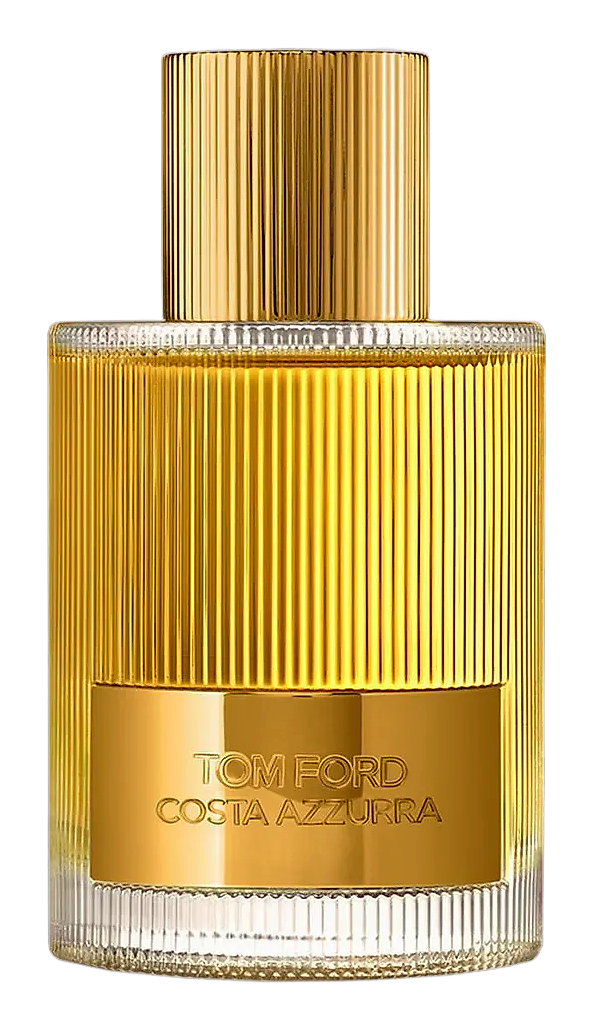
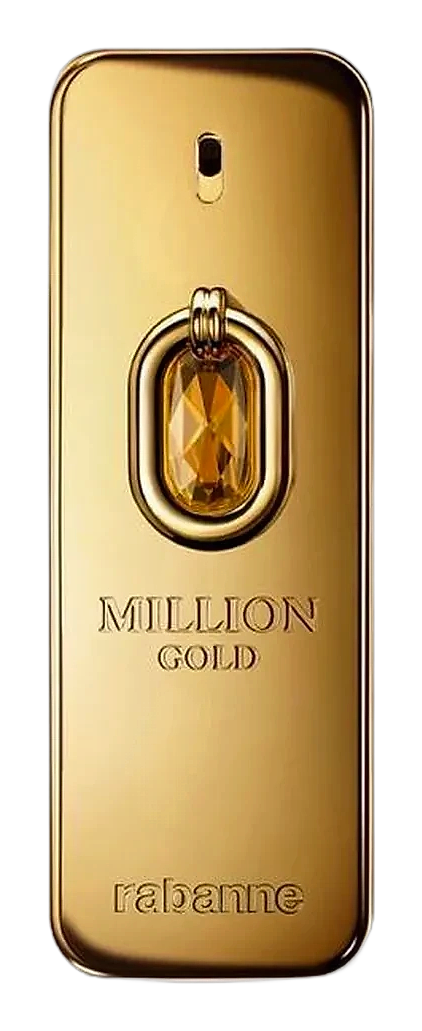
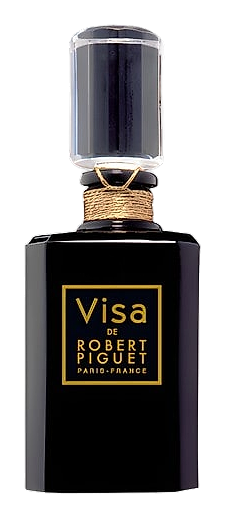
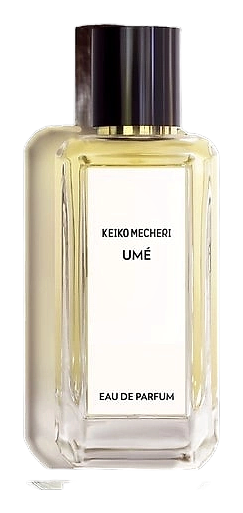
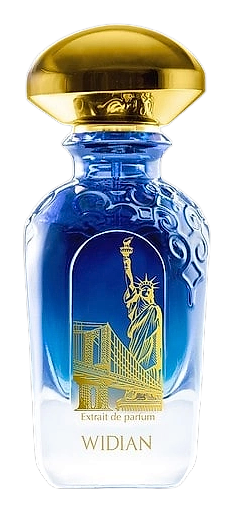
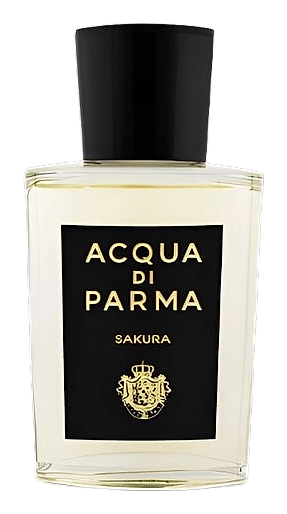
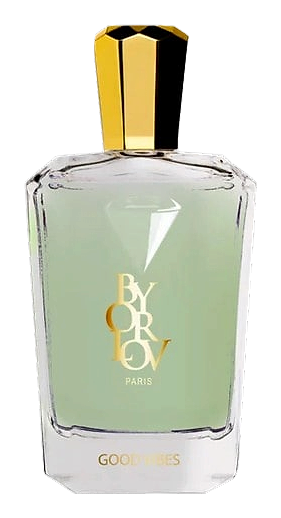
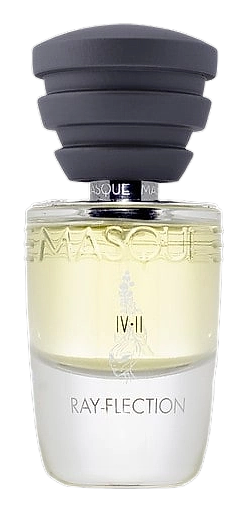
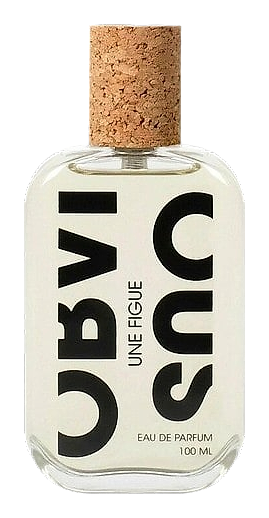
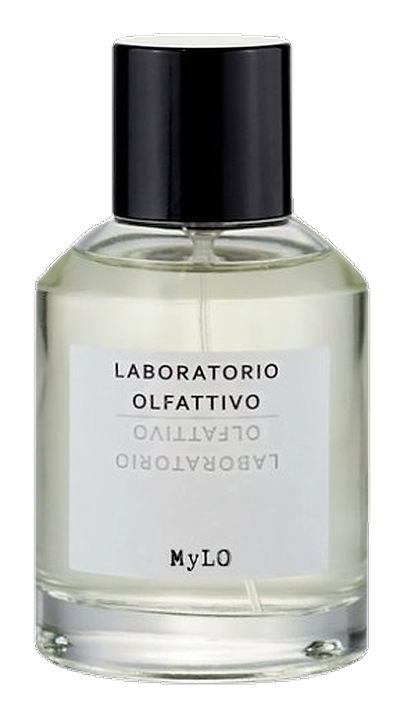
Fragrances featuring Yellow Mandarin

Brands
Brands known for Yellow Mandarin
Good to know
Questions, answered
The essentials on Yellow Mandarin in perfumery: how it smells, where it comes from, and how it behaves on skin.
What does Yellow Mandarin smell like?
Yellow Mandarin smells bright, juicy, and floral with a sweet-tart character. The semi-ripe harvest timing gives it a rounder, sweeter profile compared to green mandarin, while cold pressing preserves the fruit's natural sparkle. It reads as fresh, sunny, and slightly honeyed on the skin.
What is the difference between yellow and green mandarin?
Yellow mandarin is harvested semi-ripe, while green mandarin is picked earlier. This timing difference means yellow mandarin develops more sweetness and a more complex aromatic profile. Green mandarin tends toward sharper, more tart citrus notes. Both are cold-pressed from the peel of Citrus reticulata.
What fragrance family does Yellow Mandarin belong to?
Yellow Mandarin belongs to the Citrus fragrance family. It functions as a top note, meaning it evaporates within the first 15-30 minutes of wear. Perfumers often pair it with other citrus oils or use it to brighten heavier base notes in a composition.
What ingredients pair well with Yellow Mandarin?
Yellow Mandarin pairs well with floral ingredients like neroli, jasmine, and orange blossom. It also complements woody base notes such as sandalwood and vetiver. In fresh colognes, it combines naturally with bergamot, lemon, and grapefruit for a layered citrus effect.
Is Yellow Mandarin oil natural or synthetic?
Yellow Mandarin oil is a natural ingredient obtained through cold pressing the peel of semi-ripe Citrus reticulata fruits. Synthetic alternatives exist as nature-identical compounds, but natural yellow mandarin oil retains the full complexity of trace components that single-molecule synthetics cannot fully replicate.
What are the main chemical components of Yellow Mandarin oil?
Limonene dominates Yellow Mandarin oil, comprising 65-75% of the composition. Supporting compounds include gamma-terpinene, alpha-thujone, myrcene, linalool, and decanal. These trace elements contribute the nuanced citrus character that distinguishes cold-pressed oil from synthetic replications.
Is Yellow Mandarin sustainable to produce?
Yellow Mandarin production supports sustainable agriculture in major growing regions including China, Italy, Spain, and Brazil. Citrus farming creates seasonal employment in rural communities. Responsible sourcing programs increasingly verify that growers follow integrated pest management and water conservation practices.
How long does Yellow Mandarin scent last on skin?
Yellow Mandarin acts as a top note that evaporates within 15-30 minutes on skin. Blending it with longer-lasting heart notes like woody or amber ingredients can extend its perceived presence. As a fragrance fixative, sandalwood or ambergris helps retain its bright character throughout wear.