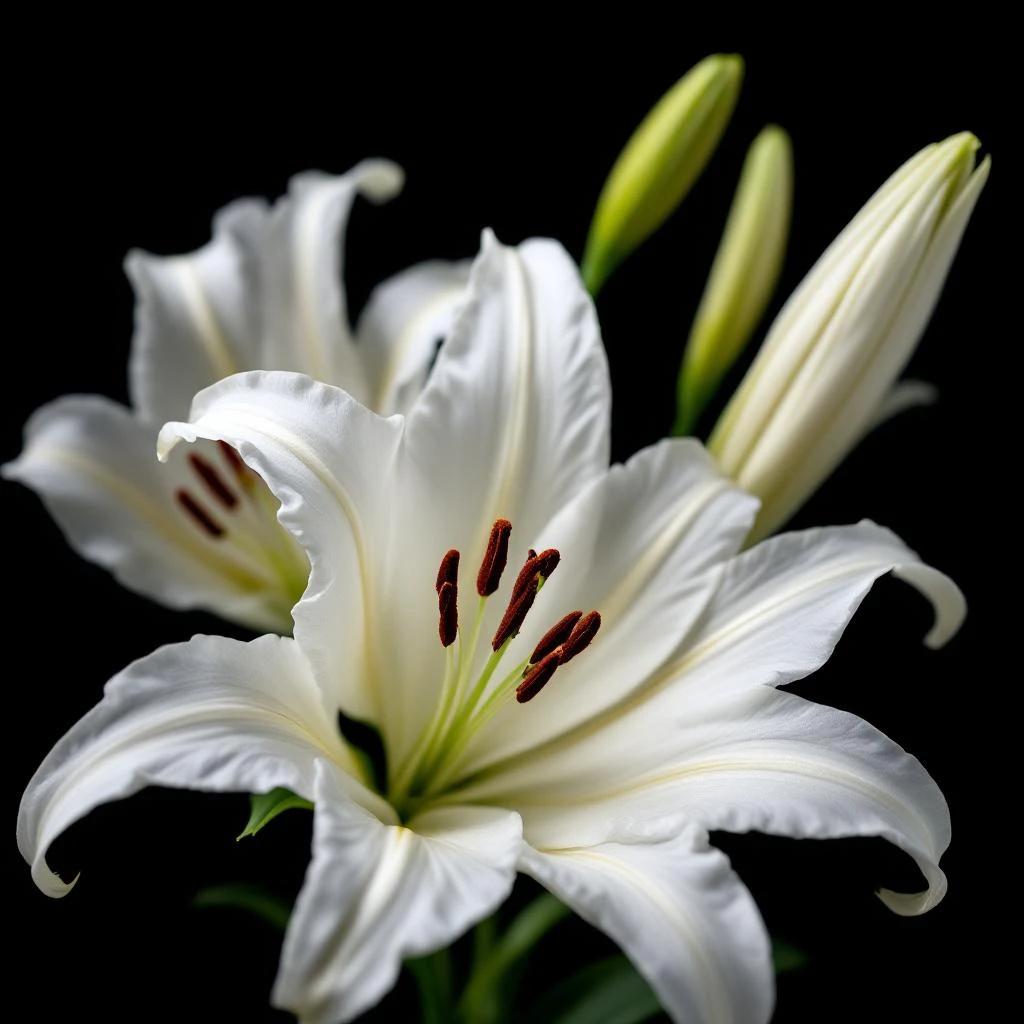
Camellia
A whisper of green tea and white blossom from East Asia's most storied shrub. Camellia brings a clean, luminous softness to modern perfumery, prized for its delicate floral-tea facet.
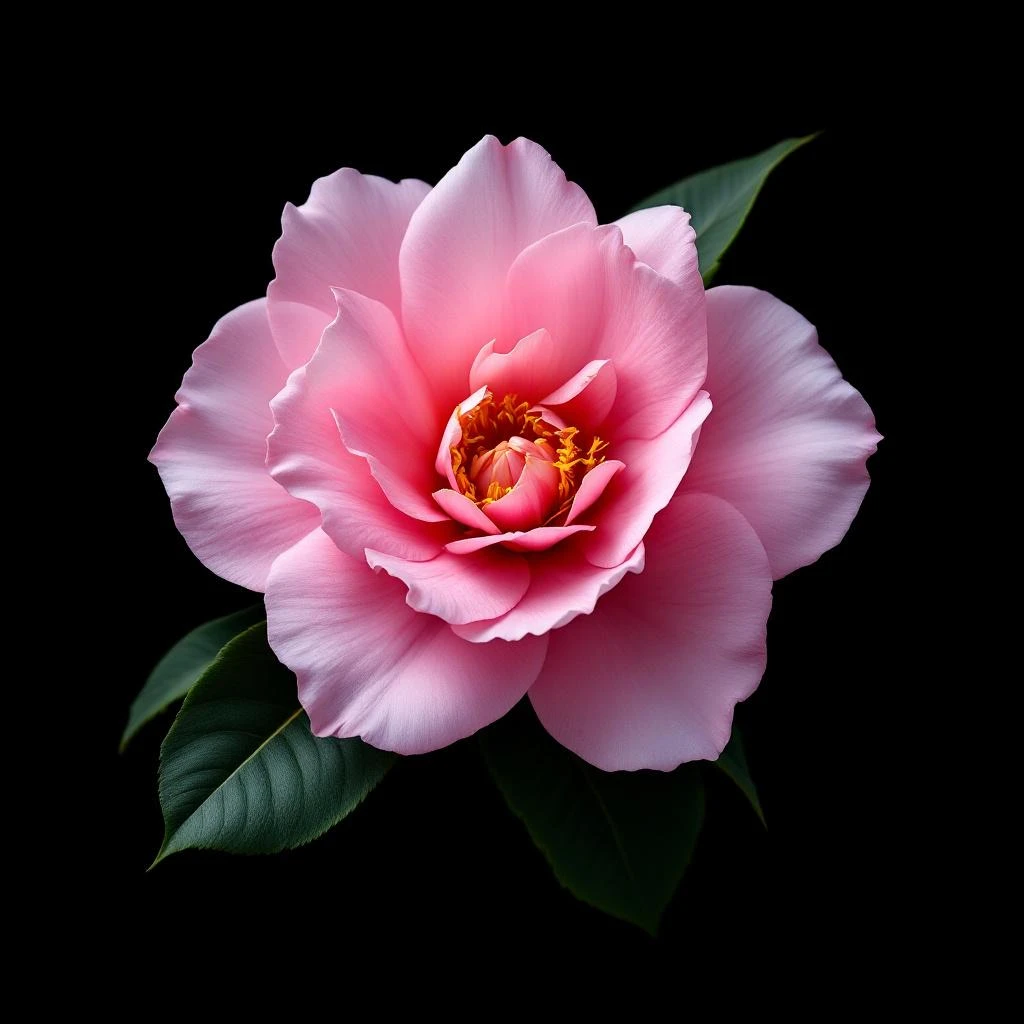
Character
How it smells
Green tea blossom, bottled.
The ornamental camellia (Japonica) is a close cousin of Camellia Sinensis, the plant behind true green tea. Some perfumers blend both to double down on that fresh, leafy-floral character.







Origin
Japan
Camellia arrived in Europe in the early 18th century, carried from Japan by botanists and East India Company traders. The Swedish naturalist Carl Peter Thunberg classified Camellia Japonica in 1784, naming it after the Moravian Jesuit Georg Joseph Kamel, whose botanical work in the Philippines had earned him lasting botanical credit. By the 1800s, camellias had become status symbols in Victorian glasshouses, celebrated for their flawless winter blooms rather than their scent.
Coco Chanel made the flower a cultural icon in 1923, when she adopted the white camellia as her personal emblem, layering camellia motifs into her couture. Yet for most of fragrance history, camellia remained an ornamental outsider. Its quiet, tea-like aroma did not suit the bold floral absolutes (rose, jasmine, tuberose) that dominated classical perfumery.
Modern niche and indie perfumers revived the note in the 21st century, drawn to its clean, understated character. Today it signals a quieter, more contemplative kind of luxury.
Wears it best
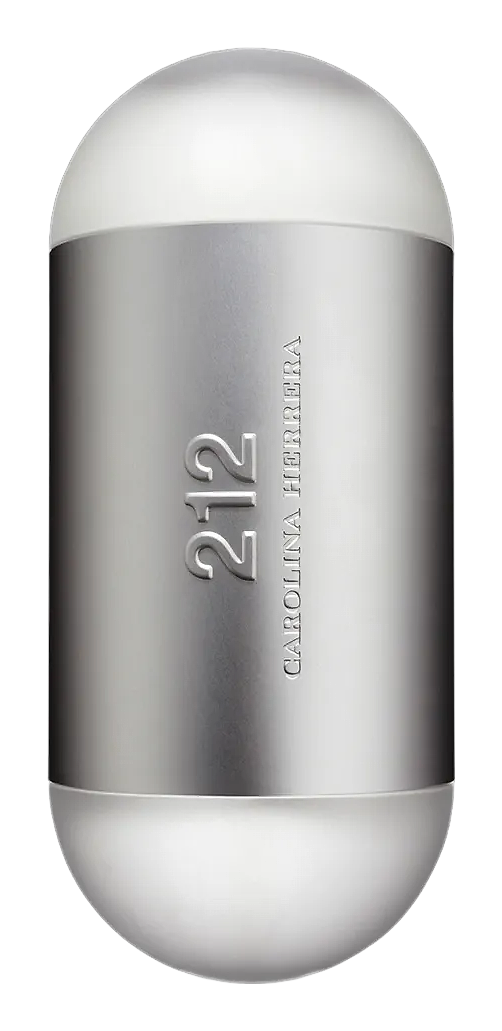
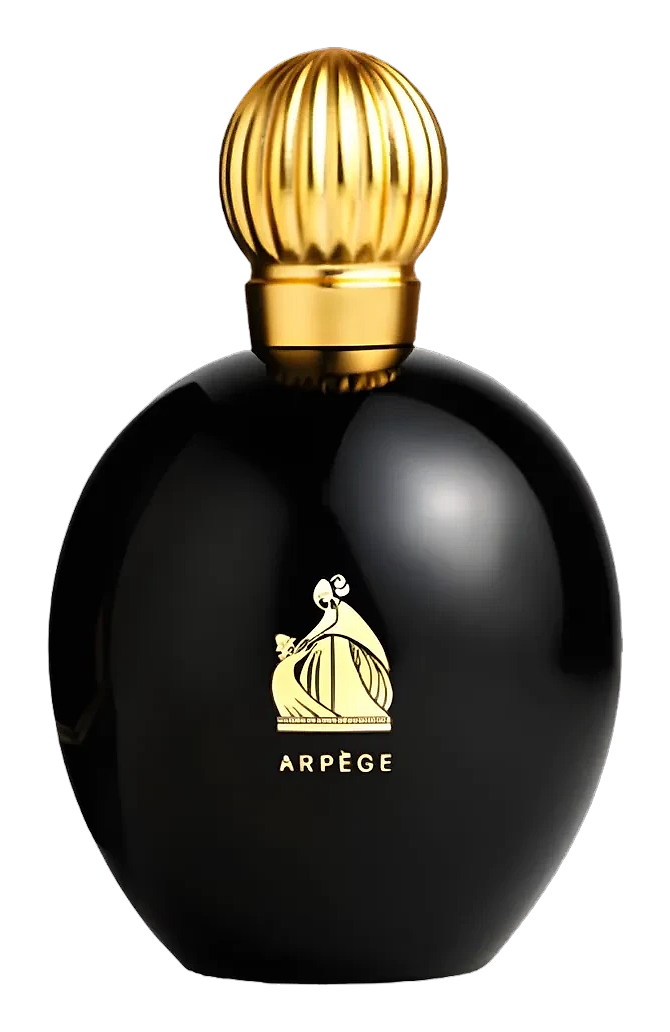
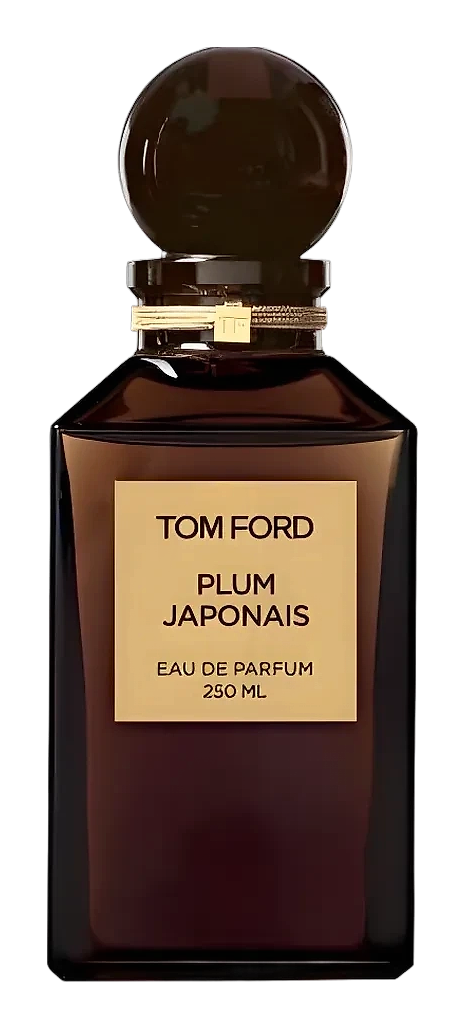
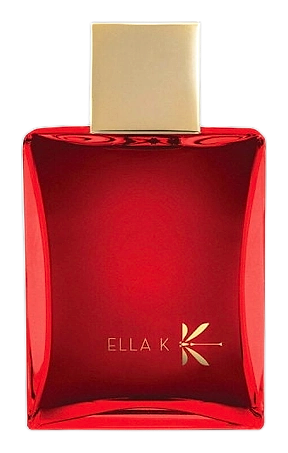
Fragrances featuring Camellia

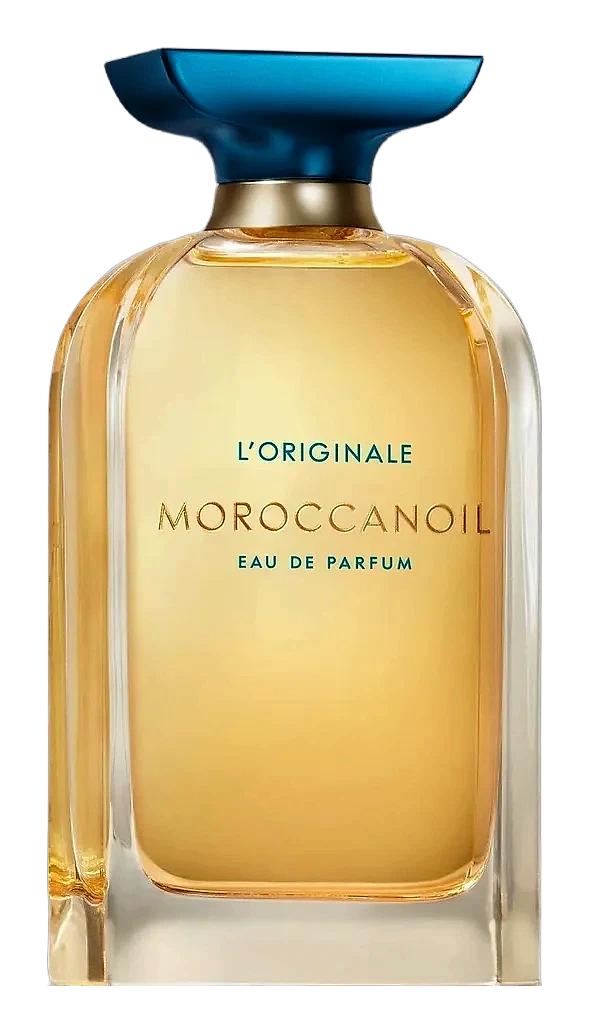
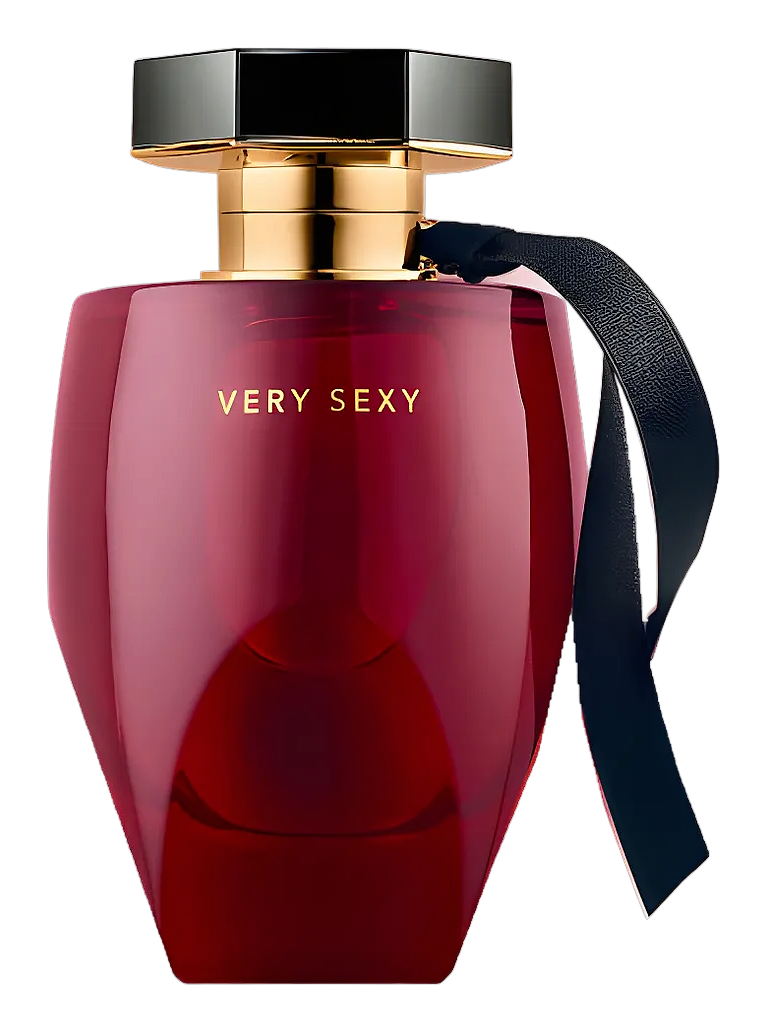
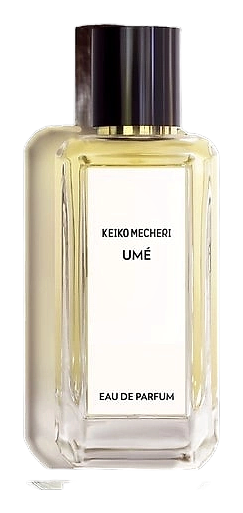
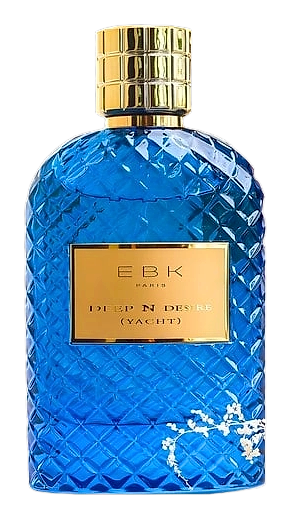
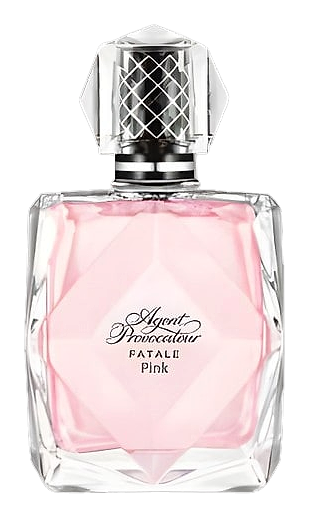

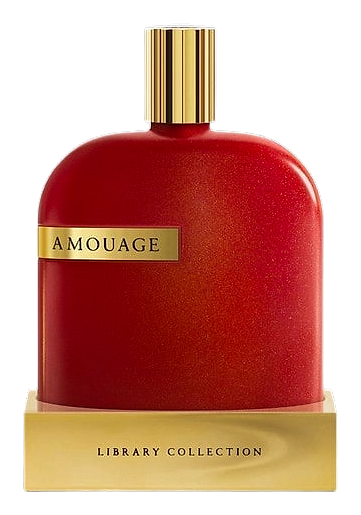
Brands
Brands known for Camellia
Good to know
Questions, answered
The essentials on Camellia in perfumery: how it smells, where it comes from, and how it behaves on skin.
What does camellia smell like in perfume?
Camellia carries a soft, green-white floral scent with a distinct tea-like freshness. It is quieter than rose or jasmine, offering a clean, slightly creamy character that reads more 'skin' than 'bouquet'.
Is camellia a rare perfume ingredient?
Yes. Pure camellia absolute is uncommon because the flowers yield very little oil. Most camellia notes in modern fragrance are reconstructed using aroma chemicals blended with tea accords.
What is the difference between Camellia Japonica and Camellia Sinensis in perfumery?
Japonica is the ornamental flower, prized for its petal softness, while Sinensis is the tea plant whose leaves and buds supply the green, leafy facet. Some perfumers combine both for a fuller effect.
Why did Coco Chanel choose the camellia as her signature flower?
Chanel adopted the white camellia in 1923 because it was scentless, matching her aesthetic of pure, unadorned lines. It became a recurring motif across her fashion and packaging, not her fragrances.
Where does camellia originate?
The camellia genus is native to East Asia. Camellia Japonica was classified in Japan in 1784 by Carl Peter Thunberg and reached European glasshouses by the early 1700s.
How is camellia oil used in fragrance?
Cold-pressed camellia seed oil is mostly used as a lightweight carrier oil in perfume oils and skincare scents. It contributes a silky skin feel rather than a strong scent of its own.
Which fragrance families feature camellia?
Camellia sits within floral and green-floral families, often paired with white musks, tea accords, and soft woods. It lends a clean, translucent quality rather than a dominant floral punch.
Is camellia a synthetic or natural note in most perfumes?
Mostly synthetic. The natural absolute is rare and expensive, so commercial perfumers typically build the camellia note from individual aroma molecules combined with tea and white-flower accords.