Hawthorn
A forgotten perfumery treasure, hawthorn brings a delicate, bitter-almond sweetness to fragrances. Once a prized ingredient in nineteenth-century enfleurage oils, its rarity today makes it a coveted find among fragrance collectors.
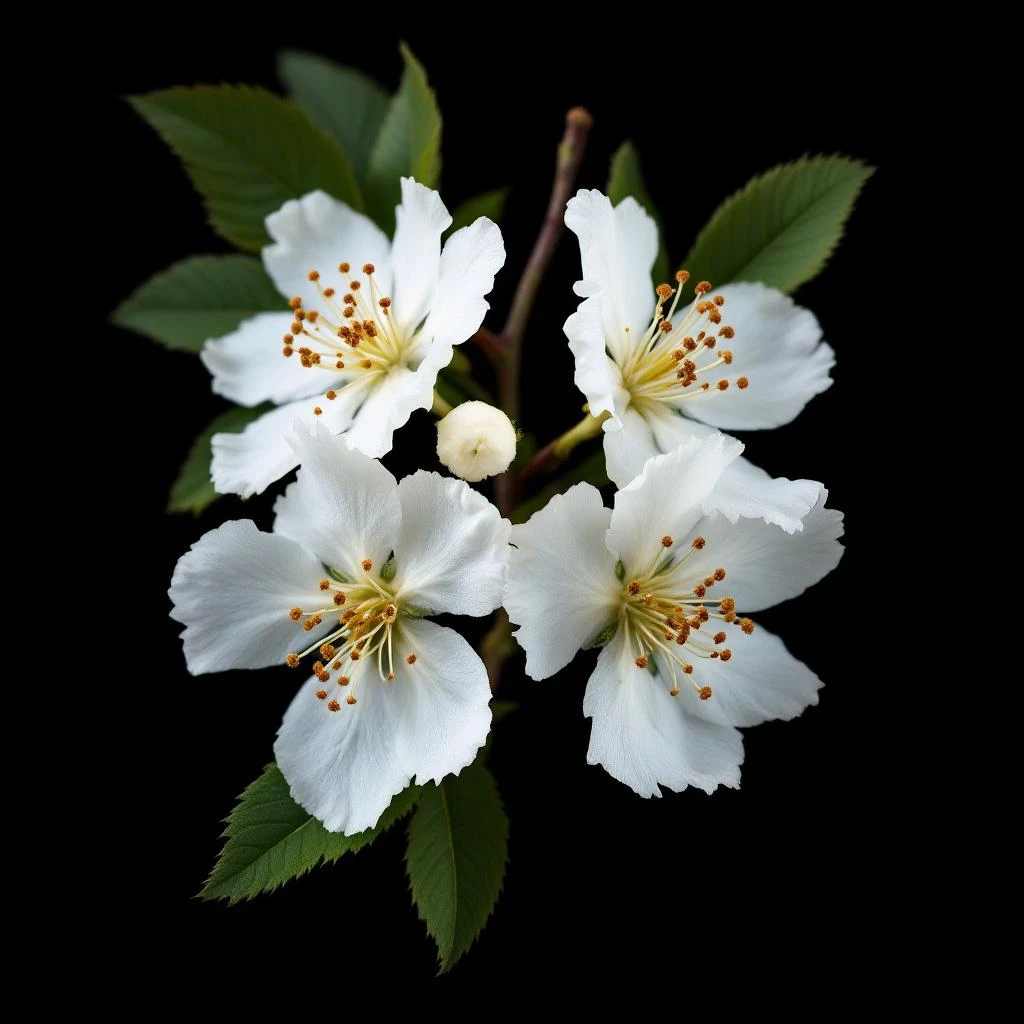
Character
How it smells
A rare bloom from perfumery's past
Before modern synthesis, perfumers created 'antique oils' by infusing hawthorn petals in olive oil for weeks using cold enfleurage techniques from the nineteenth century.









Origin
France
Hawthorn held a sacred place in pre-Christian European traditions, where its spring-blooming branches symbolized fertility and protection. The plant entered perfumery during the great expansion of French fragrance houses in the nineteenth century, when natural ingredients dominated. Perfumers prized hawthorn for its unique bitter-almond sweetness, incorporating it into luxury enfleurage oils marketed as ancient or antique preparations.
As the century progressed, the rise of organic synthesis and more efficient solvent extraction methods gradually displaced these labour-intensive traditional techniques. Hawthorn quietly faded from perfumery palettes, surviving today primarily as a reference point for synthetic fragrance compounds that attempt to capture its distinctive character.
Wears it best
Fragrances featuring Hawthorn

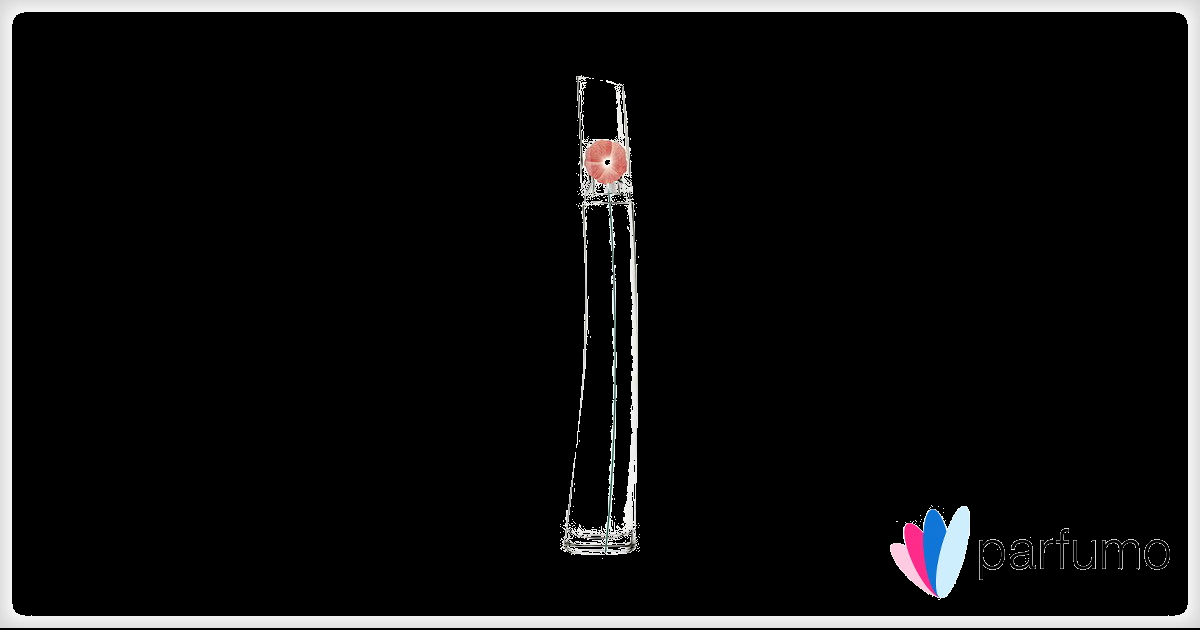

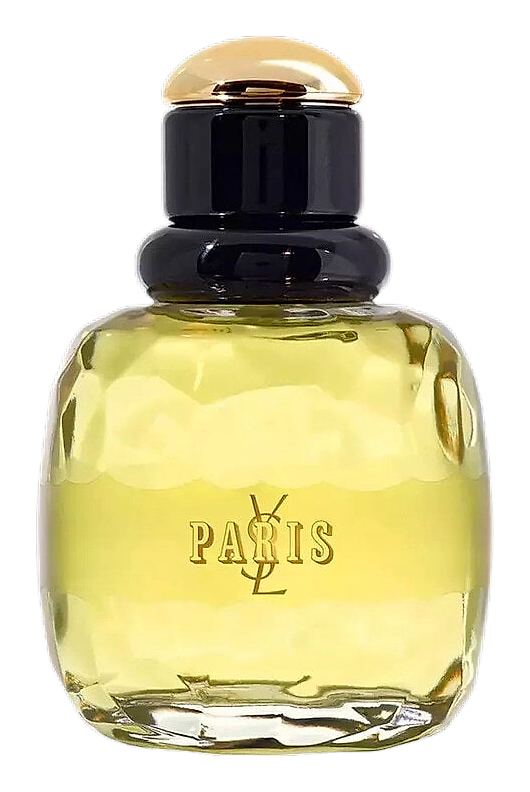
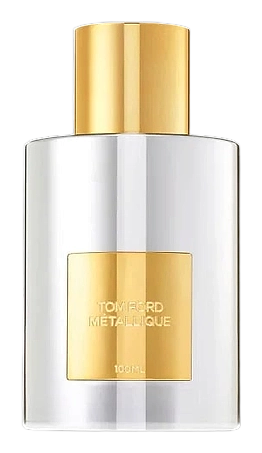
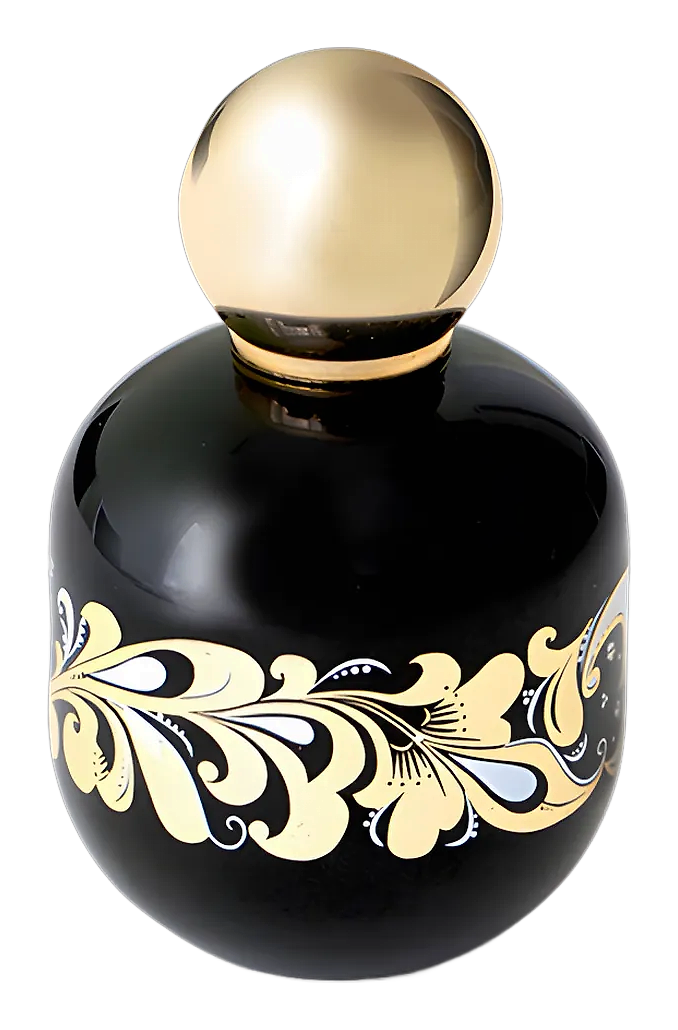
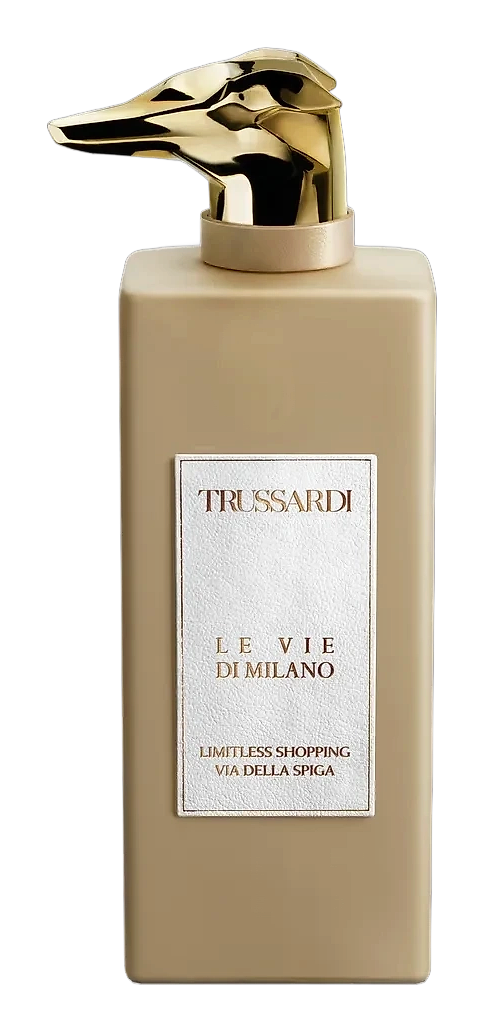
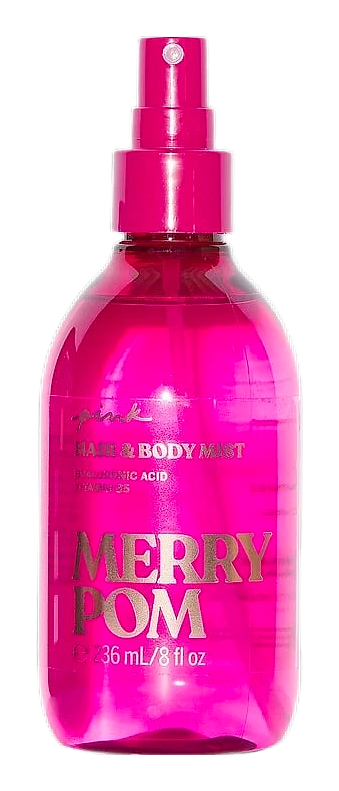
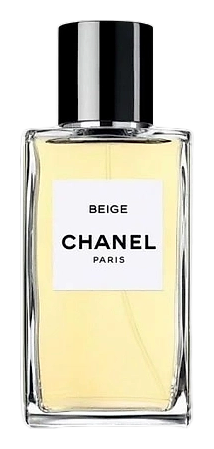
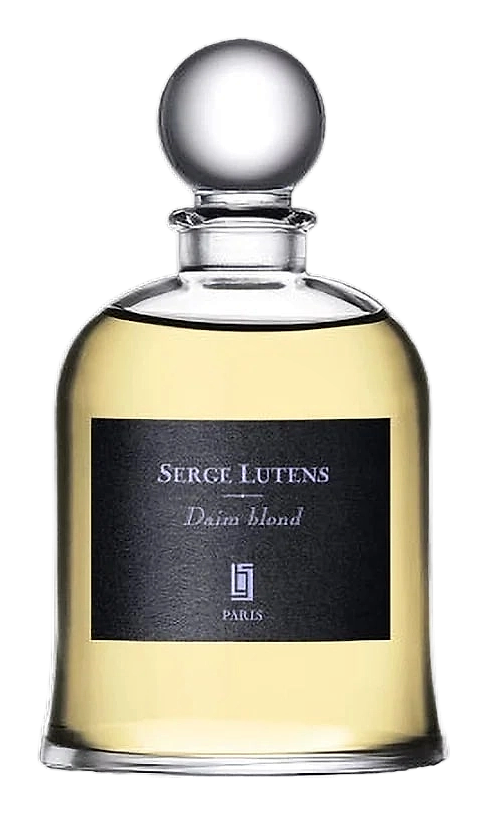
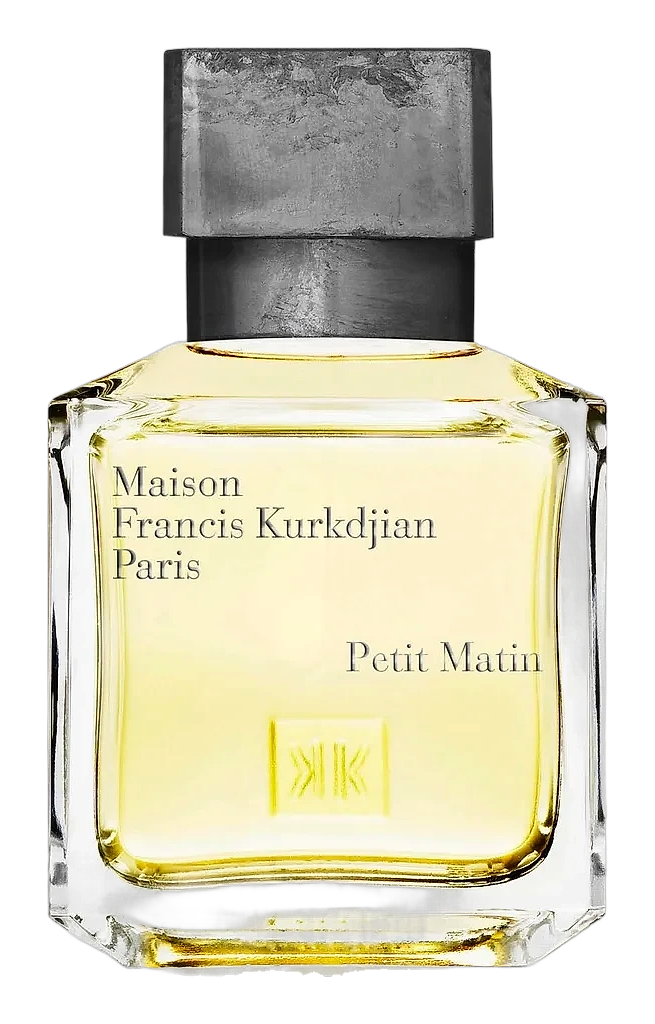
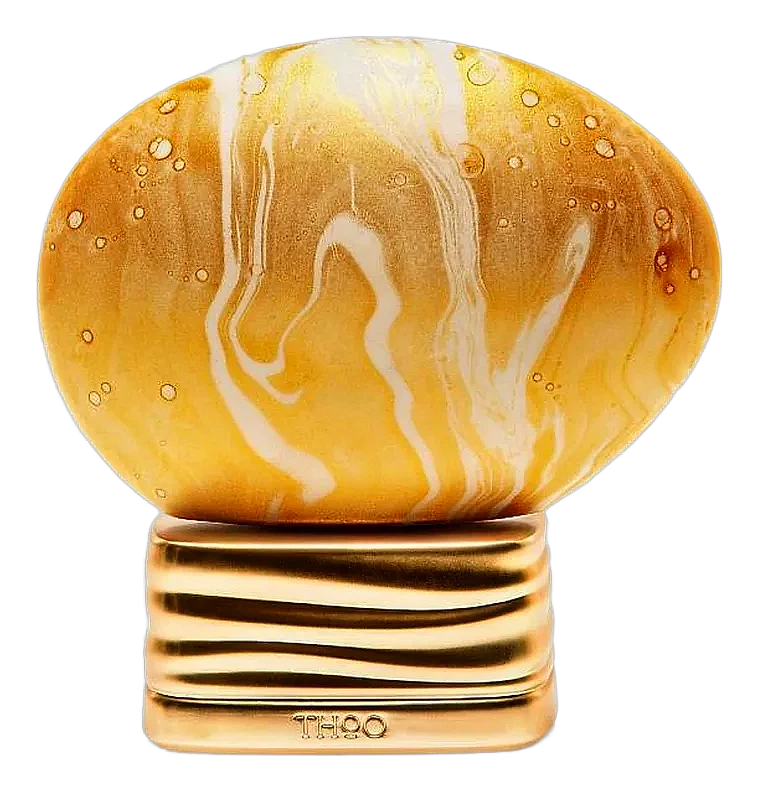
Brands
Brands known for Hawthorn
Good to know
Questions, answered
The essentials on Hawthorn in perfumery: how it smells, where it comes from, and how it behaves on skin.
What does hawthorn smell like in perfume?
Hawthorn imparts a distinctive bitter-almond and marzipan-like sweetness with subtle floral undertones. Modern synthetic versions aim to capture this unique combination of sweetness and bitter nuance characteristic of the fresh blossoms.
Is natural hawthorn extract still used in perfumery today?
Natural hawthorn extraction is not commercially practiced today. The cold enfleurage method used in the nineteenth century is too labour-intensive for modern production, making synthetic recreations the industry standard.
What compounds create hawthorn's characteristic scent?
Trimethylamine contributes hawthorn's distinctive fishy-bitter undertone, while anisaldehyde and related aromatic aldehydes provide the sweet, nutty marzipan-like facets. Perfumers combine these synthetics to approximate hawthorn's complex bouquet.
Which perfume families commonly feature hawthorn notes?
Hawthorn appears primarily in masculine fragrances and chypre compositions. Its bitter-almond character pairs well with bergamot, rose, and oakmoss, adding depth and complexity to these fragrance families.
What historical perfumery technique used hawthorn flowers?
Cold enfleurage was the traditional method. Perfumers layered hawthorn petals onto glass frames coated with purified olive oil, allowing the delicate fragrance to transfer over several days before replacing the spent blossoms with fresh ones.
Can hawthorn be found in niche or artisan fragrances?
While rare, some niche perfumers incorporate hawthorn notes, typically using modern synthetic materials that replicate the scent profile. Authentic natural hawthorn absolute remains extremely uncommon in contemporary fragrance formulations.
What role did hawthorn play in traditional European culture?
Hawthorn held significant meaning in pre-Christian European traditions, where it symbolized fertility and protection. May Day celebrations featured hawthorn blooms, and the plant was associated with love and marriage customs across the continent.
Are there alternative ingredients that mimic hawthorn's scent?
Tonka bean and heliotrope share hawthorn's sweet, powdery, marzipan-like qualities. Some perfumers also combine synthetic bitter-almond notes with floral components to approximate hawthorn's characteristic scent profile.


