The Story
Why it exists.
The beginning
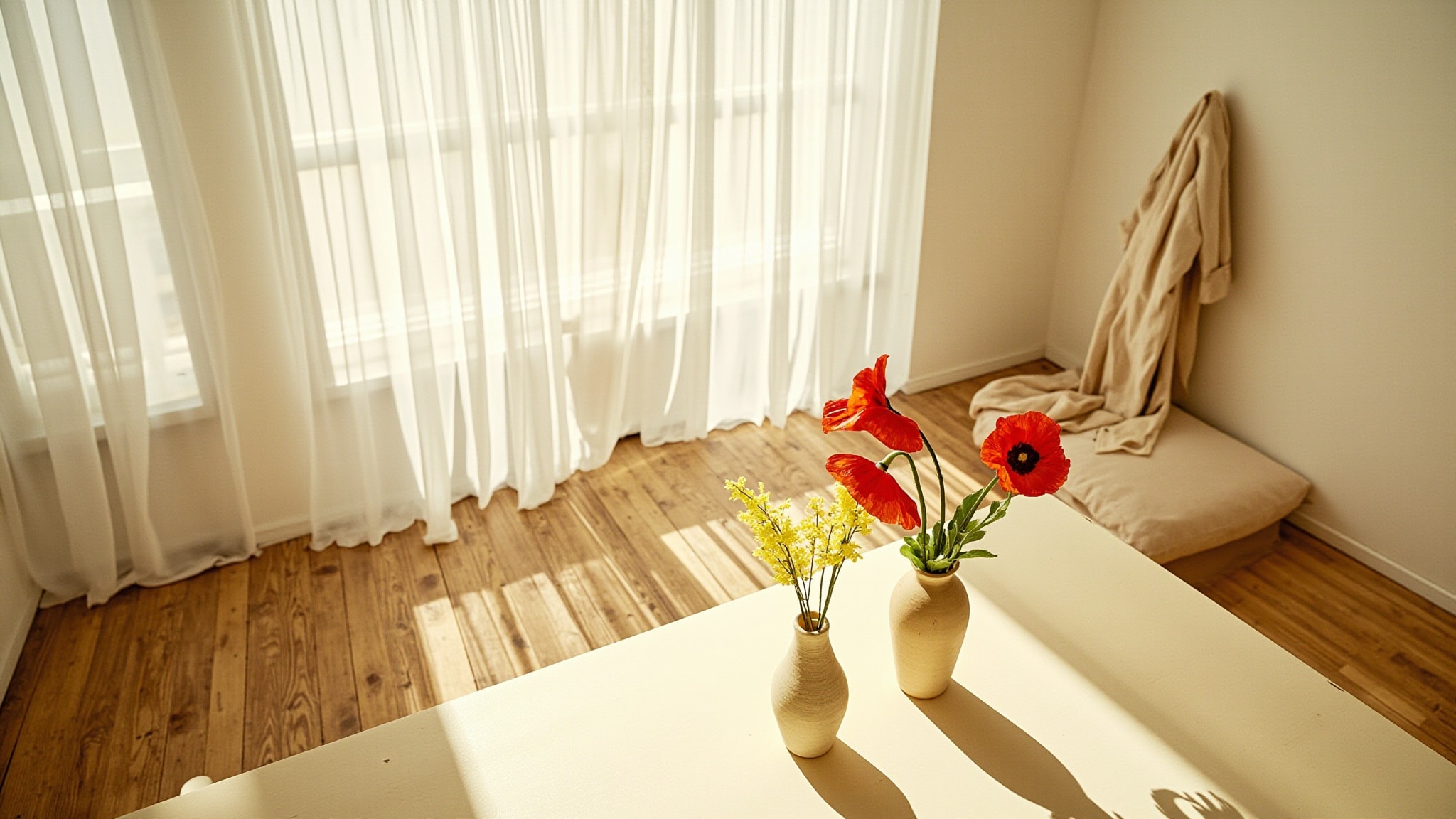
Kenzo Takada arrived in Paris in 1964 with $200 and a vision: fashion should bring joy, not intimidation. Founded in 1970 in Galerie Vivienne, the house became known for color, optimism, and a belief that nature provides endless inspiration. Flower by Kenzo was born from a poetic challenge: to bottle the poppy and its quiet strength. The question was simple. Could a flower command attention without shouting? Alberto Morillas answered with a fragrance that weaves together violet and lychee with mandarin orange and ginger, building to a heart of rose, camellia, and mimosa, anchored by white musk, amber, vanilla, frankincense, and patchouli.
The house built its identity around color, optimism, and natural inspiration. Flower by Kenzo translates this vision into a fragrance that begins with an immediate burst of violet and lychee, ginger adding quiet warmth, mandarin orange providing citrus lift. The heart moves through rose, camellia, and mimosa, building complexity. The base brings white musk and amber for softness, vanilla for sweetness, frankincense and patchouli for earthy grounding. This is a composition that respects the journey from first spray to final drydown.
The evolution
The scent moves through three clear phases. Initially, violet and lychee create a spark of youth and optimism, sharpened by ginger and mandarin orange. The heart deepens into something more composed and romantic as rose takes center stage, supported by camellia and mimosa. The drydown settles into warmth and intimacy as white musk, amber, and vanilla create a creamy presence, while patchouli and frankincense ground the composition with quiet depth. Each phase has its own character while feeding into a cohesive whole.
Cultural impact
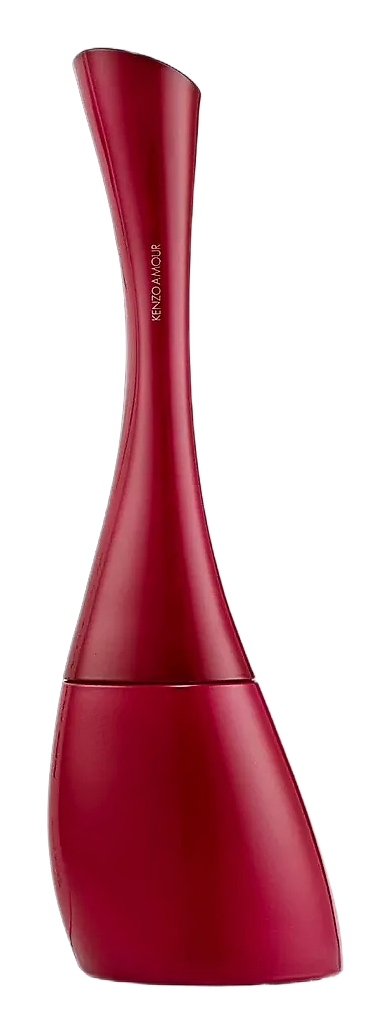
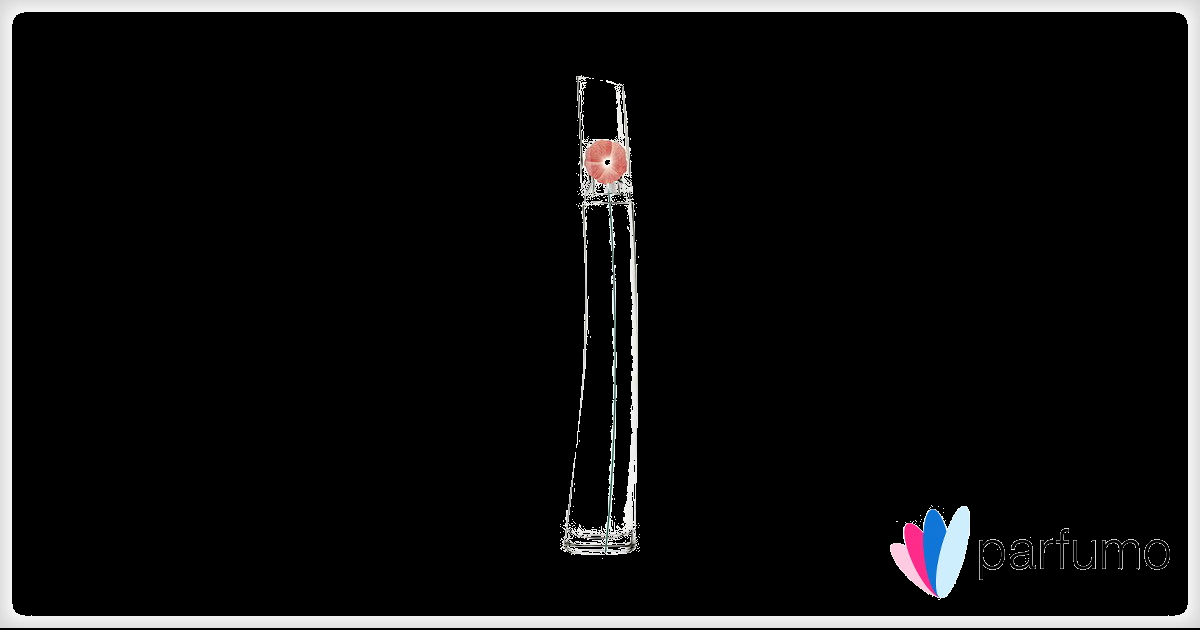
Flower by Kenzo arrived in 2000 and won the Fragrance Foundation's 'Fragrance of the Year, Women's Luxury' award in 2002, then followed with two Fifi Awards in 2001 and 2003. The concept alone made it culturally significant: creating fragrance from a flower that has no scent. It occupies a specific place in the fragrance landscape as a powdery floral that refuses to be either nostalgic or modern, something about its restraint and its close-wearing nature keeps it relevant. The 100 ml bottle design, by Serge Mansau, curves like a poppy stem arching in wind, art that holds perfume.