The Story
Why it exists.
The beginning
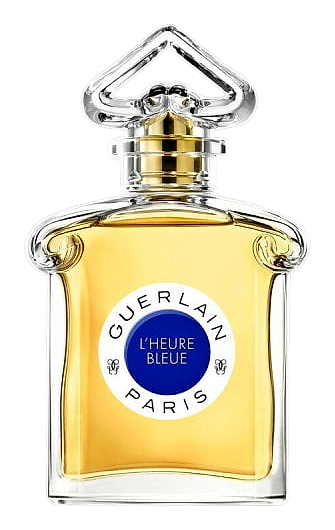
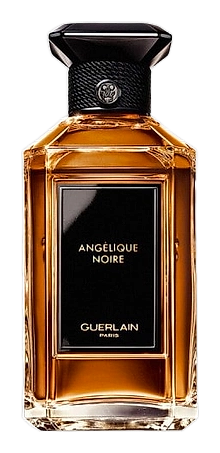
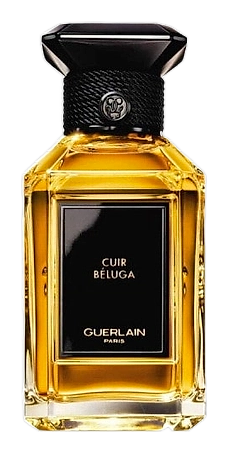
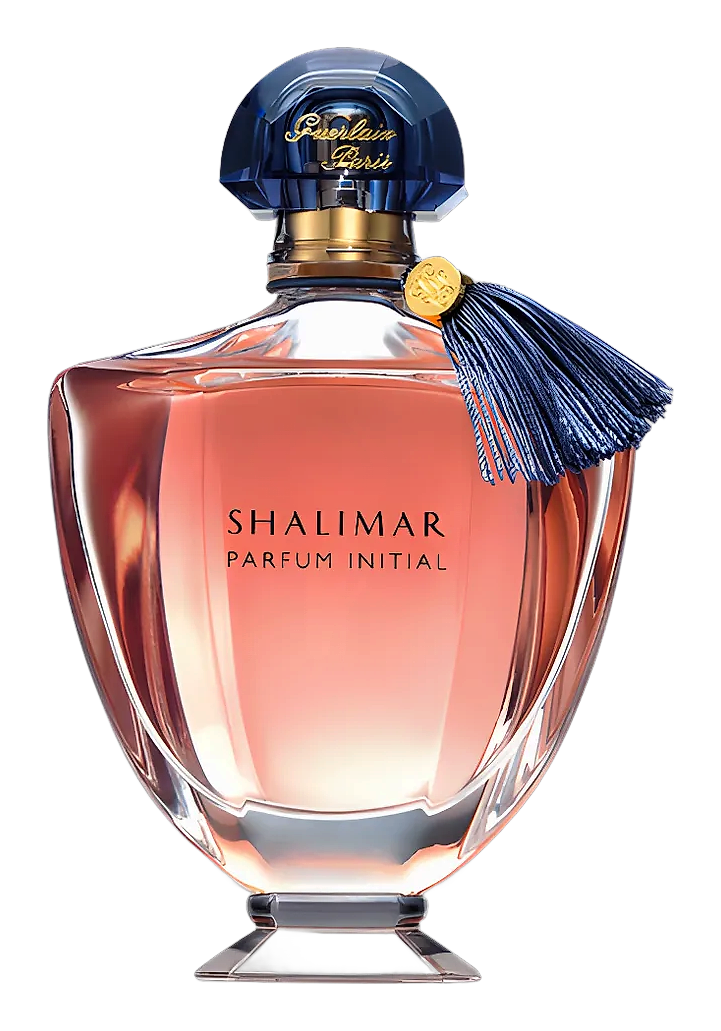
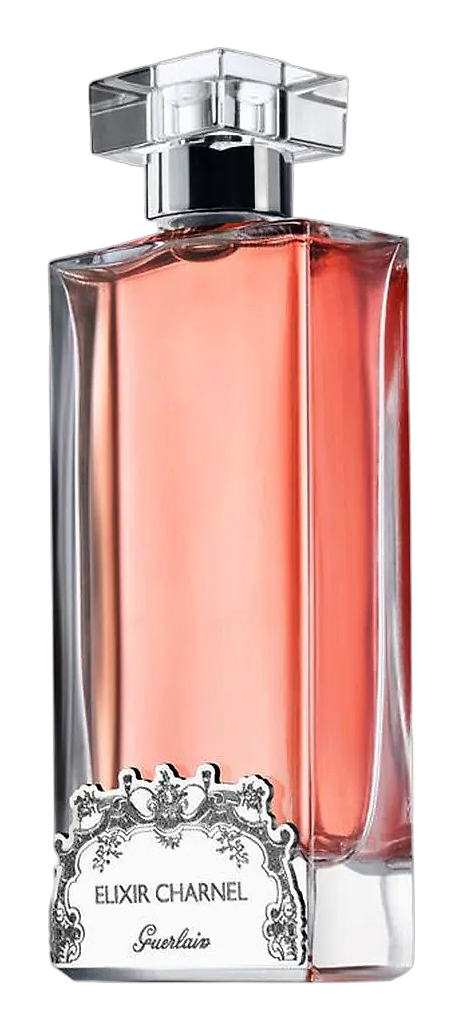
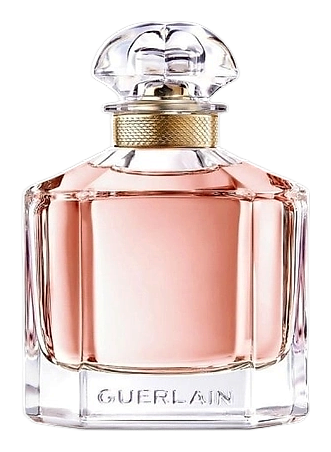
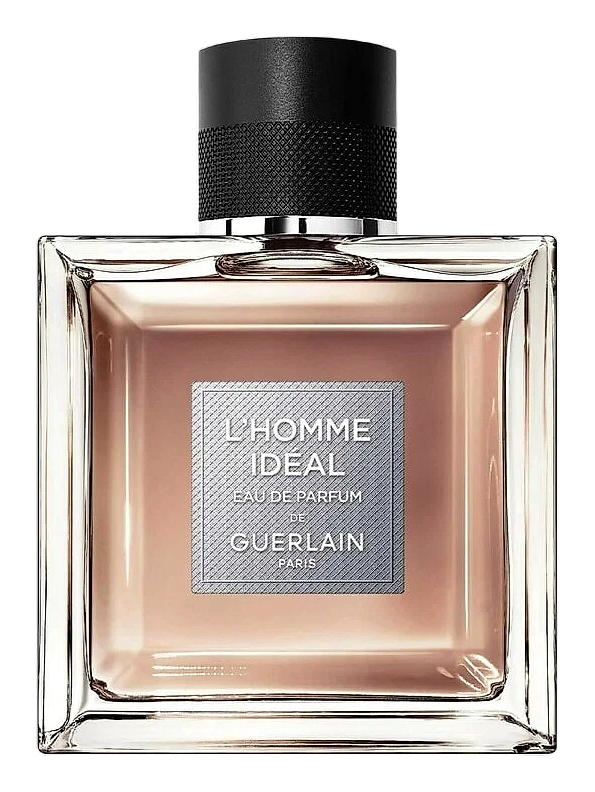
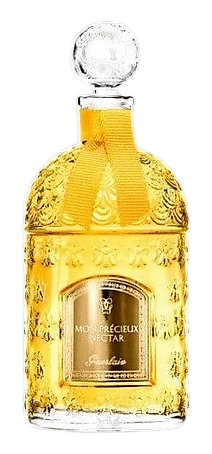
Guerlain was founded in Paris in 1828 and became the Official Perfumer to Napoleon III that same decade. Nearly two centuries of artisanal excellence, with fragrances that balance elegance and indulgence, the Guerlinade signature still runs through every creation. Randa Hammami composed Mon Precieux Nectar with an unconventional structure that honors the house while departing from its typical softness. The opening notes of bitter almond and petitgrain reference Guerlain's historic use of bitter-nut notes in compositions like Amaretto, while the floral heart speaks to the house's mastery of orange blossom and jasmine accords.
The pairing of bitter almond with petitgrain in the opening reflects a philosophy of calculated tension: the sharp, almost challenging character prevents the fragrance from settling into predictable softness. Orange blossom and jasmine together create a floral heart that honors Guerlain's tradition of rich, narcotic white florals, while the inclusion of frankincense and guaiac wood in the drydown signals a willingness to embrace darker, smokier territory. Vanilla and white musk provide the necessary bridge, softening the resinous notes and creating a drydown that feels warm without being heavy. The composition balances contrast at every stage, from bitter to sweet, floral to smoky, elegant to edgy.
The evolution
The fragrance opens with the sharp, almost shocking presence of bitter almond, a note that can read as medicinal or edible depending on concentration. Petitgrain follows, grounding the opening with bitter citrus leaf and aromatic bitterness that prevents the almond from becoming too sweet. As the top notes recede, orange blossom takes control, its waxy, honeyed floralcy offering immediate warmth. Jasmine enters more gradually, its indolic richness adding an animalic undertone that elevates the heart beyond simple floral sweetness. The transition to the base marks a significant shift: vanilla and white musk provide softness and skin-locking warmth, while sandalwood adds creamy woody depth. Frankincense and guaiac wood then introduce smoke and resin, grounding the floral abundance with earthier, more primal character.
Cultural impact
Mon Précieux Nectar has spent most of its life in collector circles, only 35 bottles existed at launch, and the 2012 re-release didn't exactly flood the market. The fragrance sits quietly in Guerlain's history, spoken of in hushed tones by those who've smelled it and hunted by those who haven't. The 8.3 scent rating from the community tells you it punches above its obscurity.
The House
GuerlainGuerlain stands as one of the oldest and most revered perfume houses in the world, founded in Paris in 1828 by Pierre-François-Pascal Guerlain. What began as a boutique on rue de Rivoli quickly became the preferred destination for Parisian society, attracting dandies and elegant women who sought custom-crafted fragrances. The house's influence grew to such heights that Guerlain earned the title of Official Perfumer to Napoleon III after presenting Eau de Cologne Impériale to Empress Eugénie as a wedding gift in 1853. This royal patronage marked the beginning of Guerlain's enduring association with European aristocracy, as the house went on to create fragrances for Queen Victoria and Queen Isabella II of Spain. Today, under the creative direction of Thierry Wasser, the fifth-generation perfumer, Guerlain continues to shape the landscape of fine fragrance with a portfolio spanning over 1,100 olfactory creations. The house remains headquartered at its legendary Champs-Élysées mansion, a historic monument that anchors Guerlain's position at the intersection of heritage and contemporary luxury.
The Creator
Randa HammamiHammami favors rich floral compositions, with rose, iris, and orchid appearing prominently in her work. She pairs these with warm oriental bases, often incorporating incense and vanilla for depth.