








































Heritage
A house, in its own words
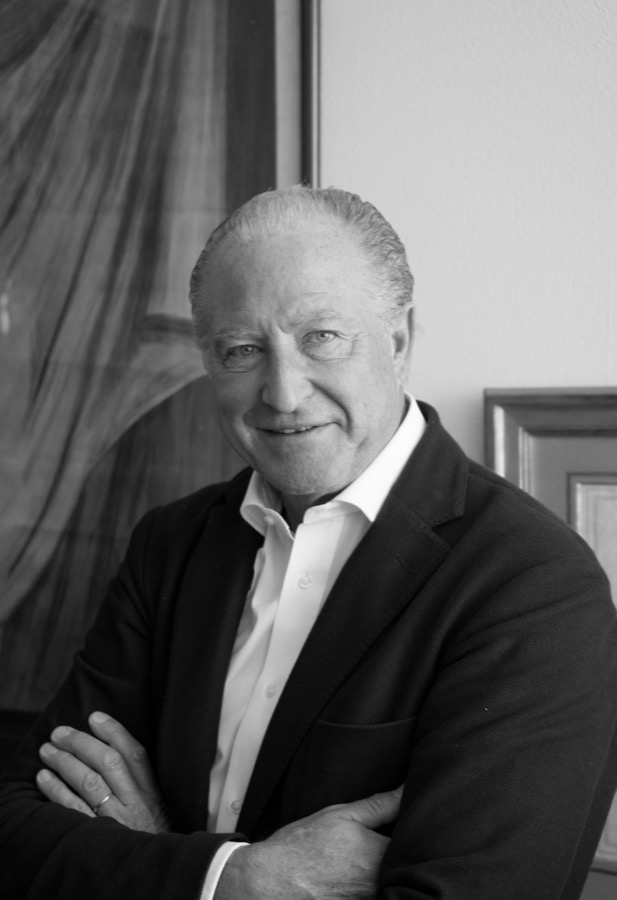
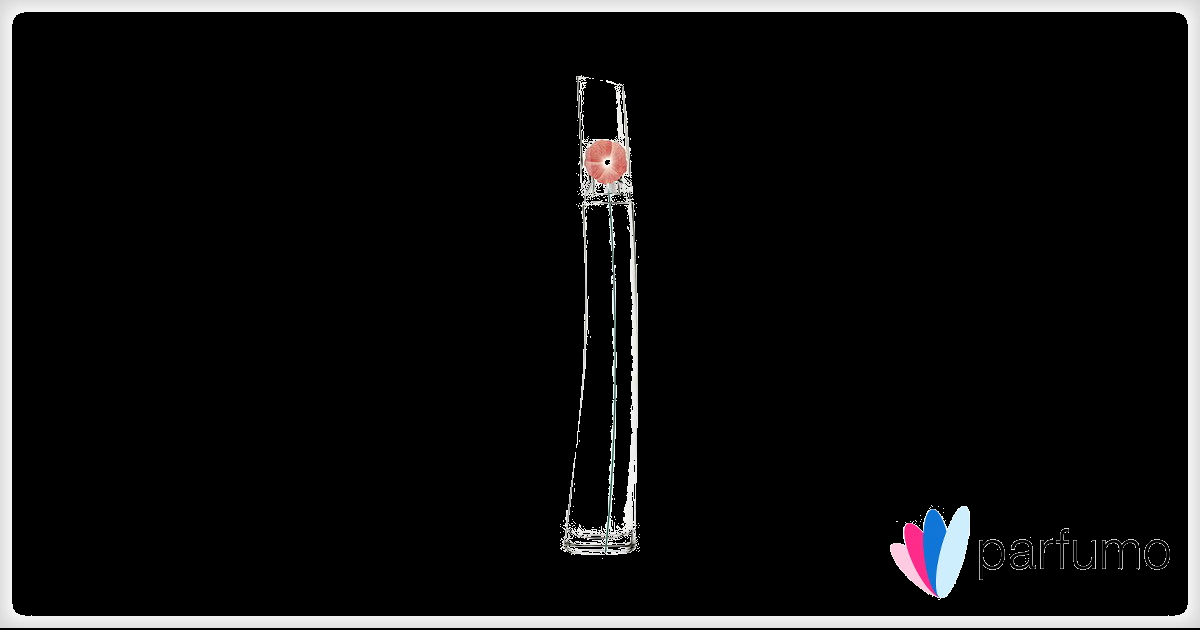
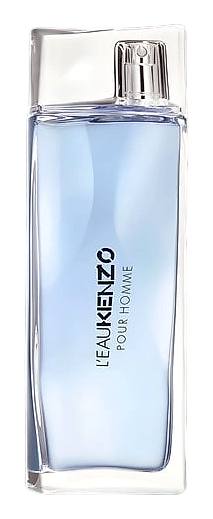
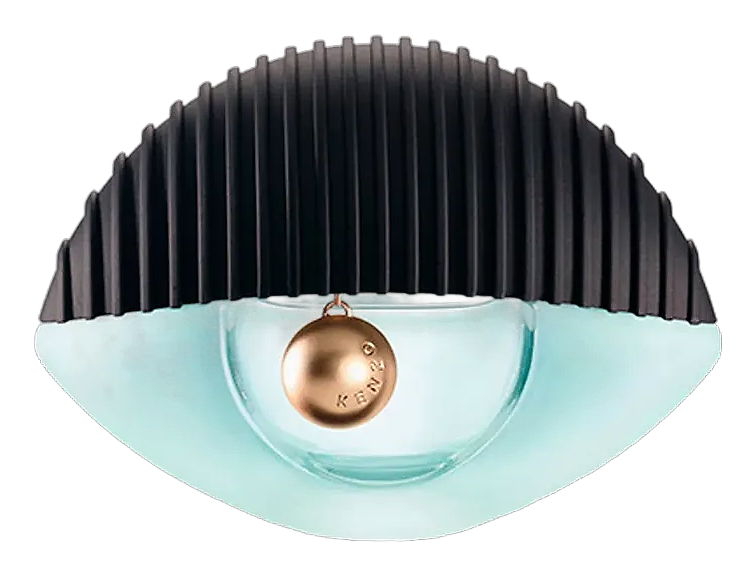
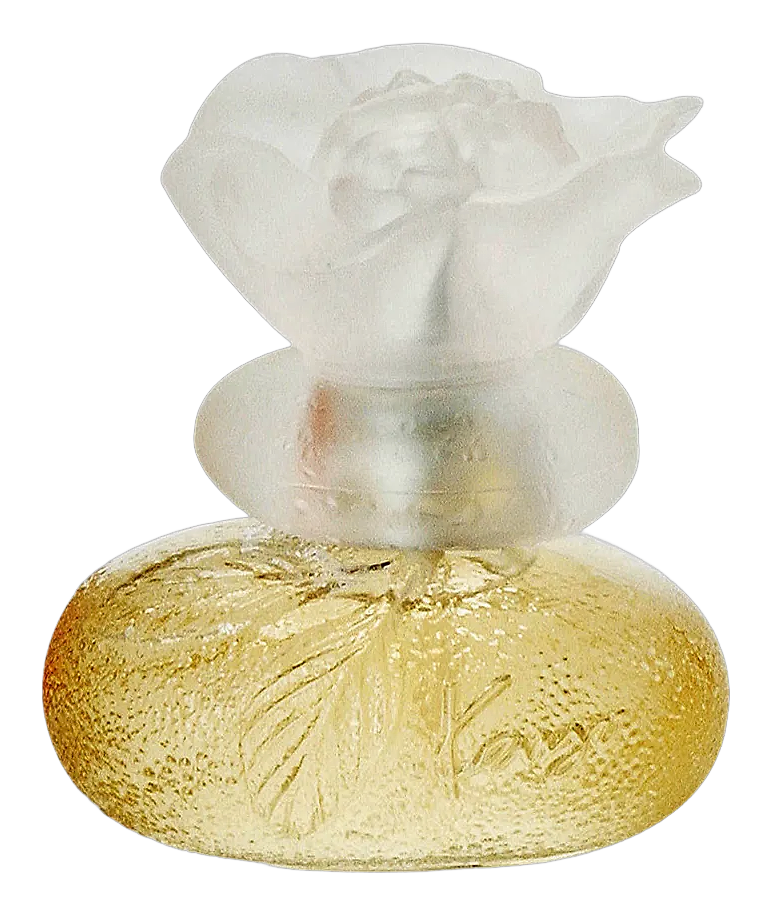
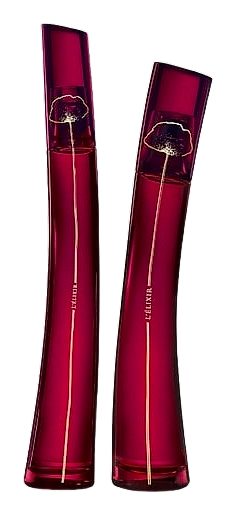
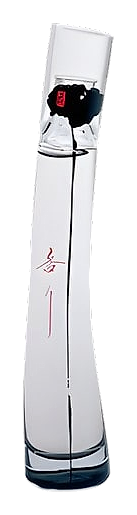
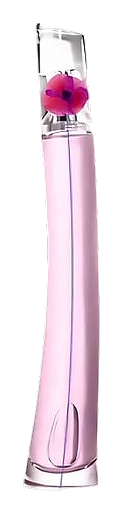
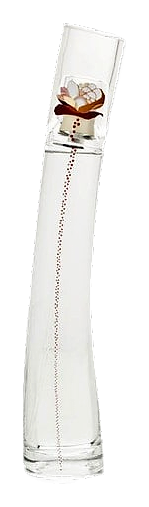
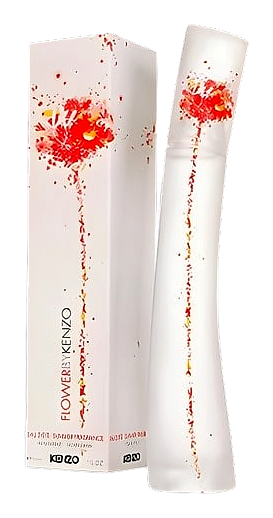
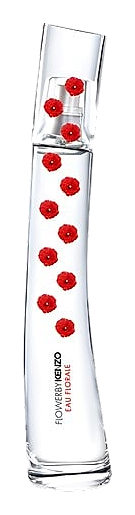
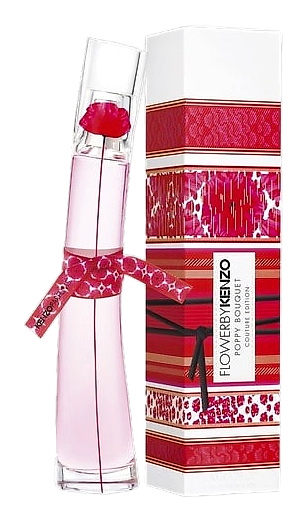
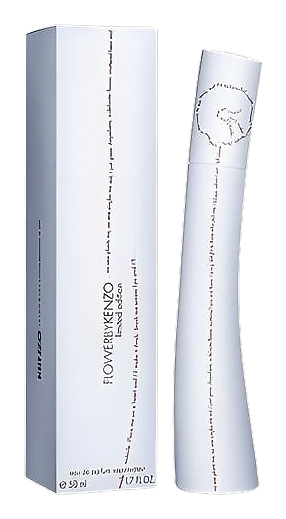
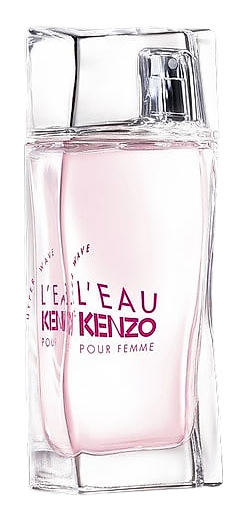
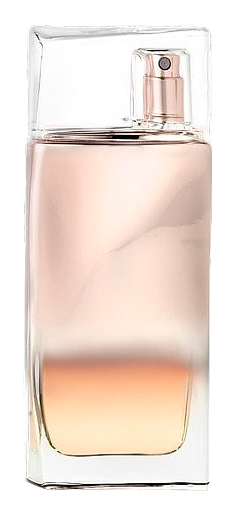
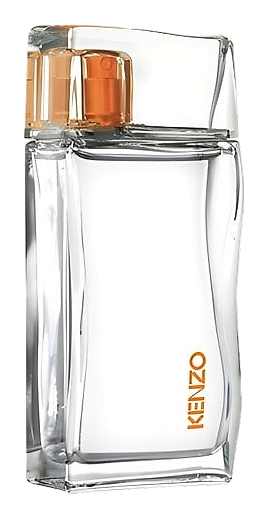
Kenzo Takada arrived in Paris in 1964 with little more than a dream and a suitcase. Born in 1939 in Himeji, Japan, he had studied fashion at Tokyo's Bunka Fashion College before making the bold leap to the world's fashion capital. In 1970, at age 31, he opened his first boutique in the historic Galerie Vivienne. He called it 'Jungle Jap,' a name that reflected his fascination with exotic flora and his irreverent attitude toward the staid fashion establishment. The boutique was decorated with jungle-inspired interiors, and his first collection was reportedly made with just $200 worth of discounted fabrics from Montmartre. The brand officially became 'Kenzo' in 1976 after American buyers found 'Jungle Jap' problematic. By then, Takada had already established himself as a revolutionary force. His designs mixed Asian influences with European construction, vibrant colors with sophisticated tailoring. In 1983, he launched menswear. In 1987, home collections. Then in 1988, Kenzo entered the world of fragrance with 'Kenzo for Women' (later renamed 'ca sent beau'). The launch marked a new chapter, one that would eventually produce some of the most recognizable scents in modern perfumery. The 1993 sale to LVMH for approximately $80 million changed the company's trajectory. Takada retired from fashion in 1999, though he remained involved with the fragrance line. In 2020, the fashion world mourned when Kenzo Takada passed away at age 81 from COVID-19 complications. His legacy endures in every bottle that carries his name, in the poppy that blooms on millions of vanities worldwide. The world is beautiful. This simple declaration forms the philosophical foundation of Kenzo Parfums. Kenzo Takada believed that fashion and fragrance should bring joy, not intimidation. His creations celebrated youth not as a demographic but as a state of mind, an openness to experience and wonder. Nature provided his endless inspiration, particularly flowers, which he saw as symbols of resilience and ephemeral beauty. The house maintains a distinctive position in the fragrance landscape. While many luxury brands emphasize exclusivity and unattainable luxury, Kenzo has always been more democratic in spirit. Their fragrances are designed to be worn, loved, and lived in. They celebrate cultural diversity rather than homogeny, drawing inspiration from Takada's travels through India, China, and Africa. This philosophy extends to their bottle designs, which often feature organic, sculptural forms that feel as natural as the scents within.