Daphné Bugey
Daphné Bugey grew up in Geneva, surrounded by French fragrance culture from an early age. By ten, she had set her sights on becoming a perfumer, and she pursued that ambition with scientific rigor, training as a research chemist and market analyst before launching her fine fragrance career in Paris in 1997 with Firmenich. She began in body care before moving into alcohol-based perfumery, a transition that sharpened her understanding of how ingredients behave across different formats. Her rise to international prominence came through work on Le Labo's early cult fragrances, where her command of unusual accords earned her a reputation as a talent willing to push boundaries. That reputation has since made her one of the most sought-after perfumers at Firmenich, with a portfolio spanning accessible designer releases and rare boutique compositions.
The hits
Notable creations



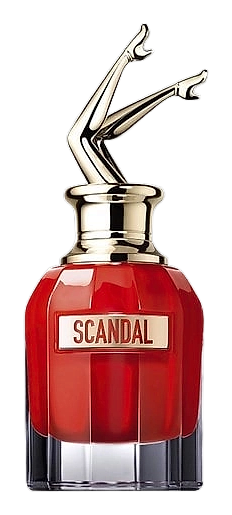


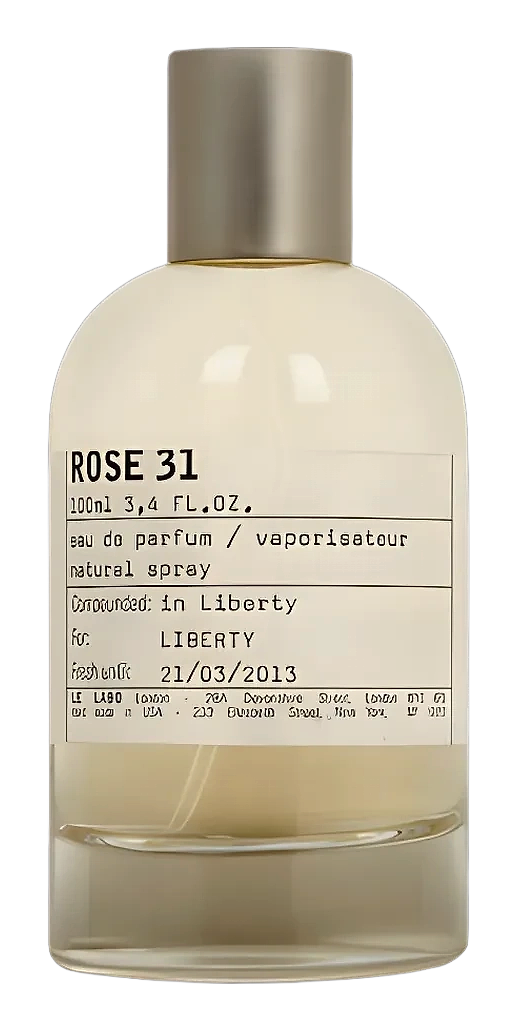
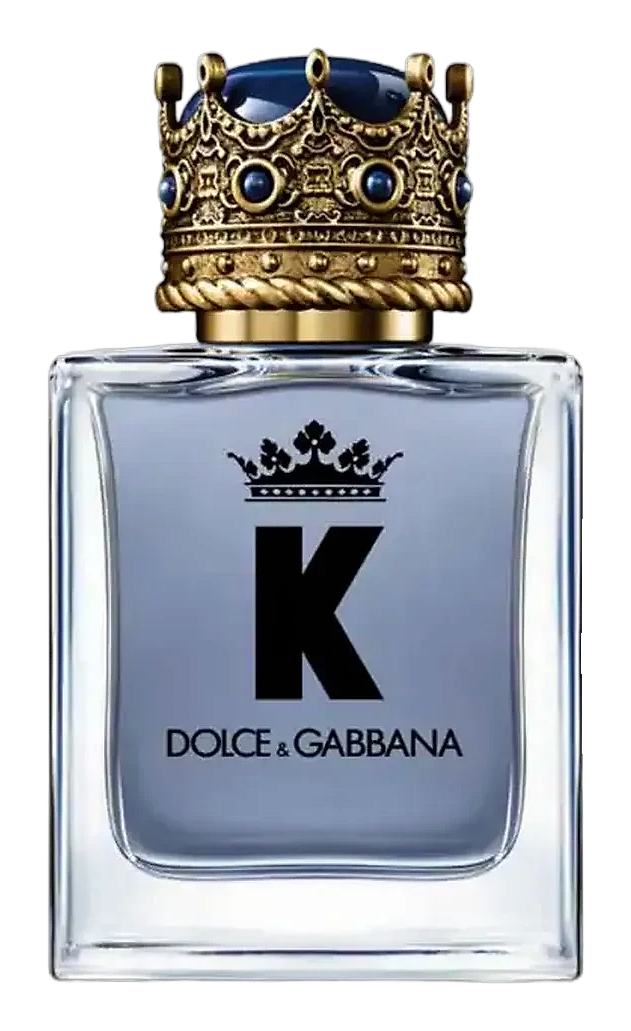
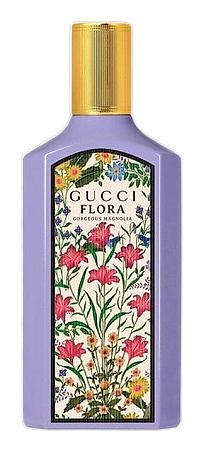

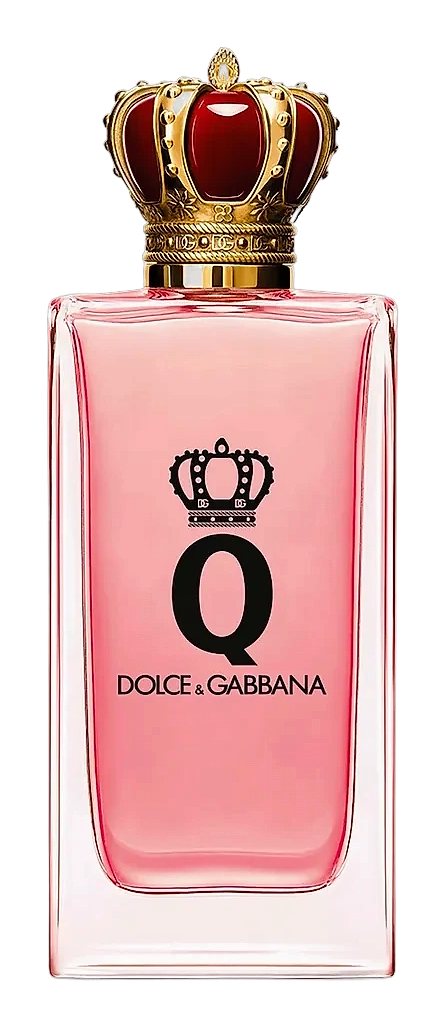

The signature
How Daphné composes
Rose is the cornerstone of Bugey's signature. She treats it as a flexible material, pairing it with citrus and woods in some compositions, grounding it in musks and animalic warmth in others. She builds fragrances with clear structural logic: a bright opening, a substantial mid-section, a drydown that carries the overall statement. Her use of woods is generous and intentional; she favors quality over convention, often reaching for cedar or sandalwood to anchor her compositions with weight. Citrus appears frequently but never as decoration, always as part of a deliberate balance. The overall effect across her work is refined yet approachable, urban in sensibility, consistently modern without chasing trends.
Philosophy
What drives Daphné
Bugey approaches each brief as a problem to solve with materials, not formulas. She believes the perfumer's palette remains rich enough to produce genuine novelty, arguing that accords can always be invented in unexpected combinations. She works from instinct as much as technique, describing creation as a process of shaping and reshaping until something unexpected clicks. Her language is precise and practical; she speaks in terms of sensation and material behavior rather than abstraction. The idea that fragrance should provoke a response, positive or disruptive, runs through her process. She has said she is convinced the field can still surprise, and her work reflects that conviction.