




Heritage
A house, in its own words
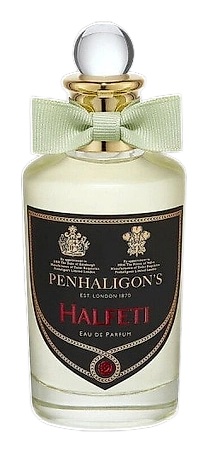
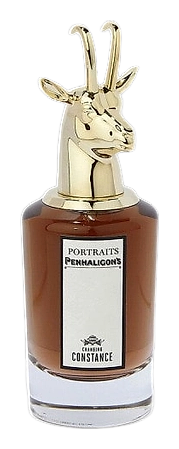
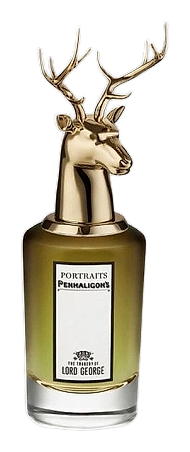
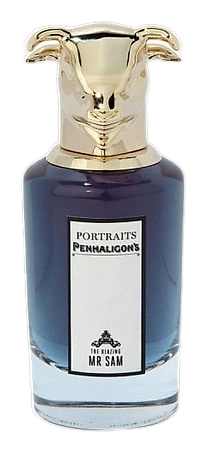
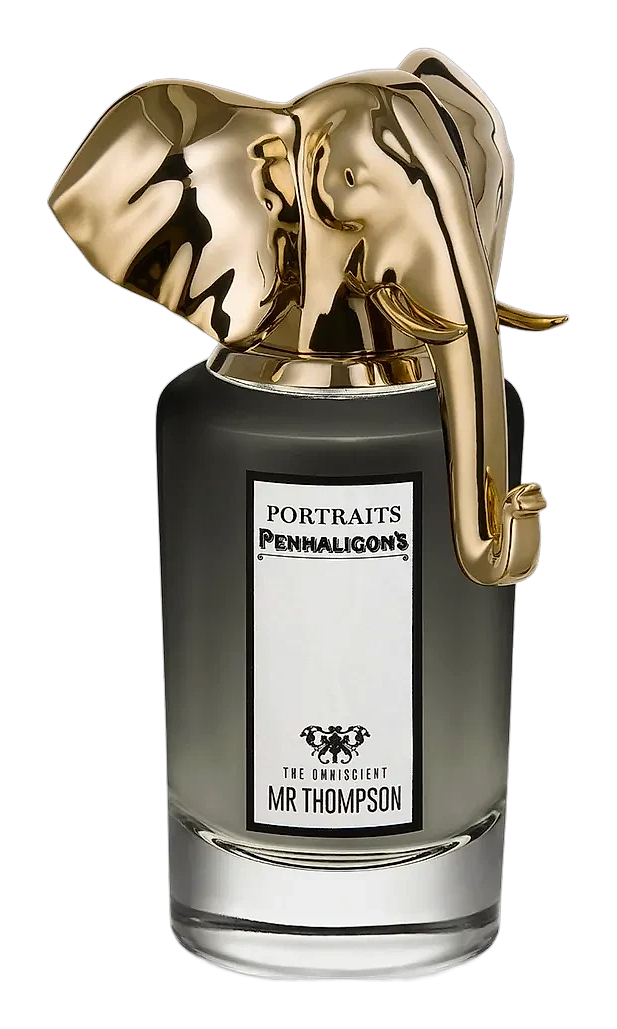
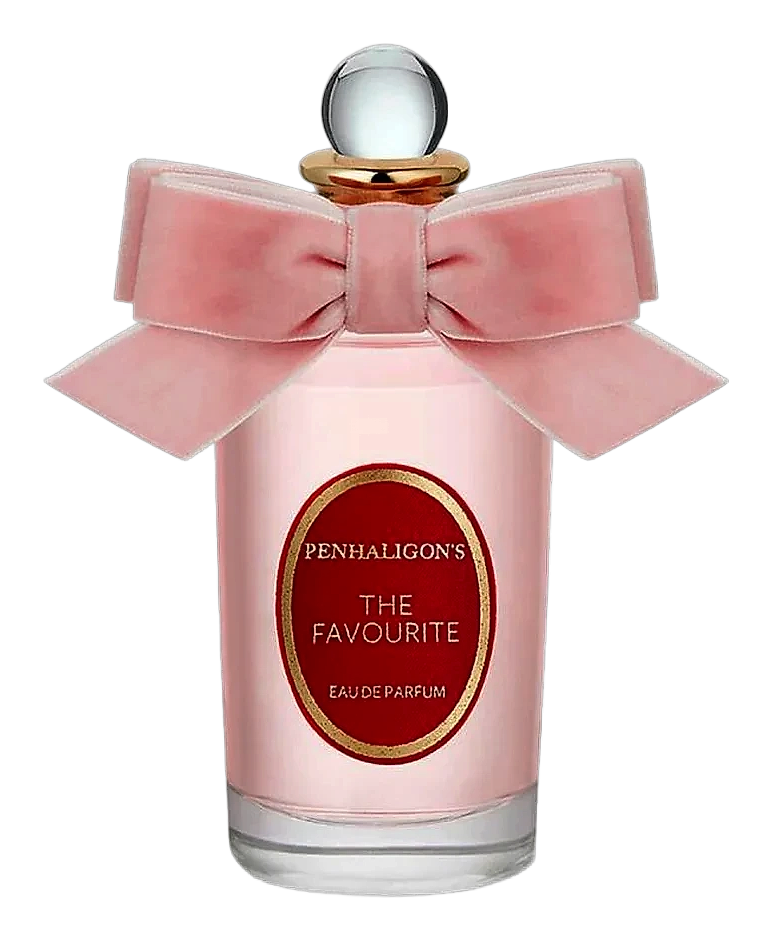
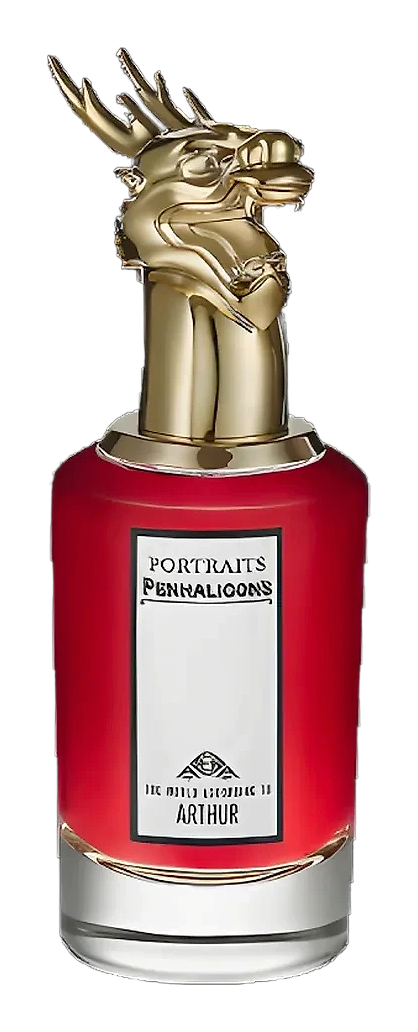
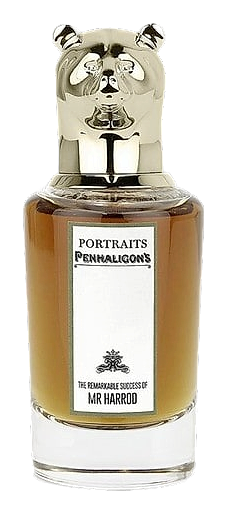
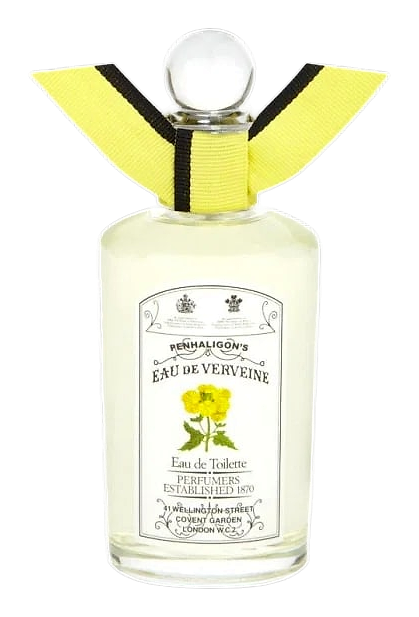
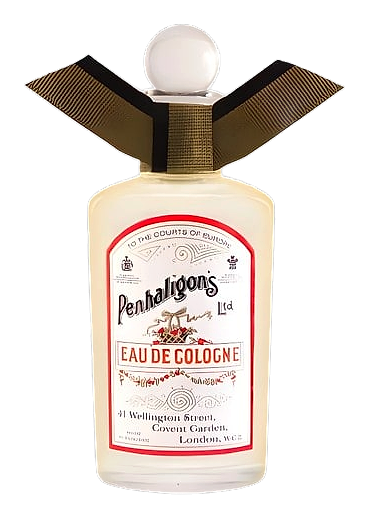
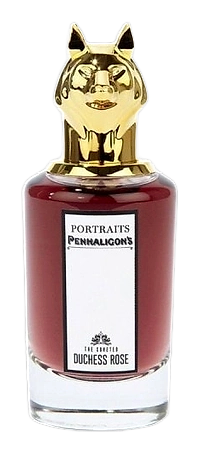
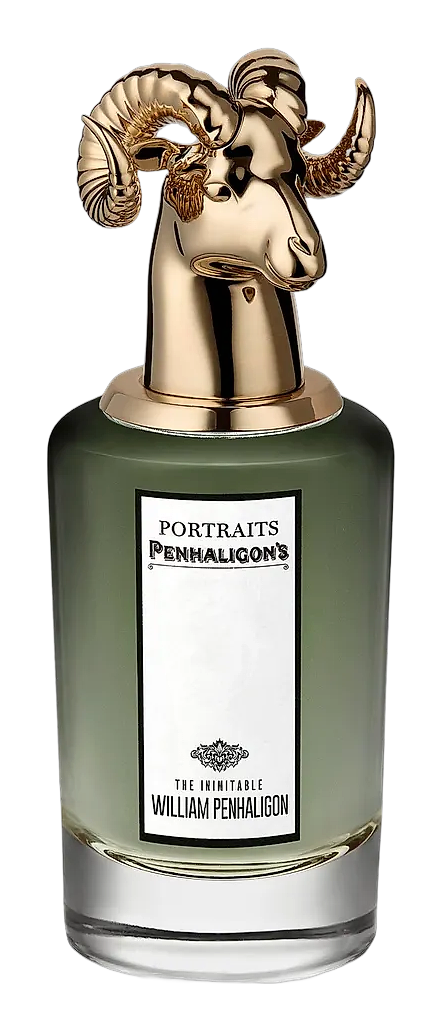
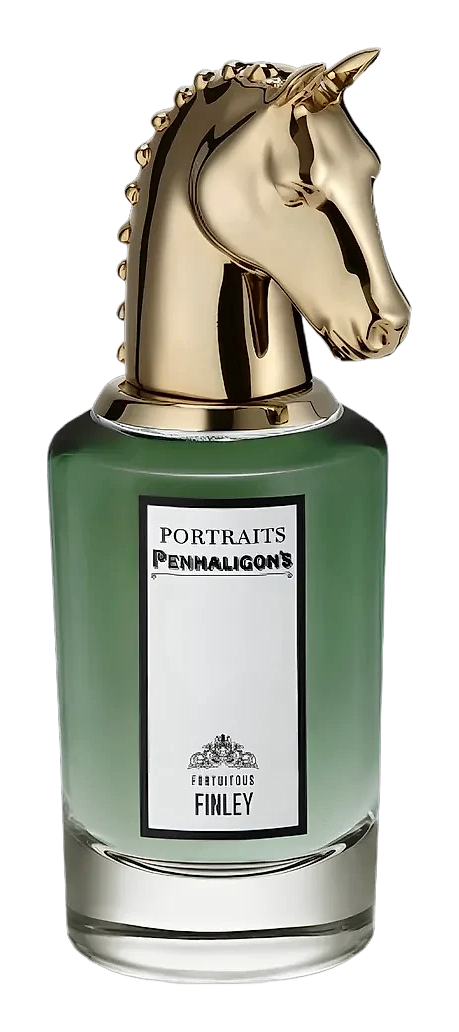
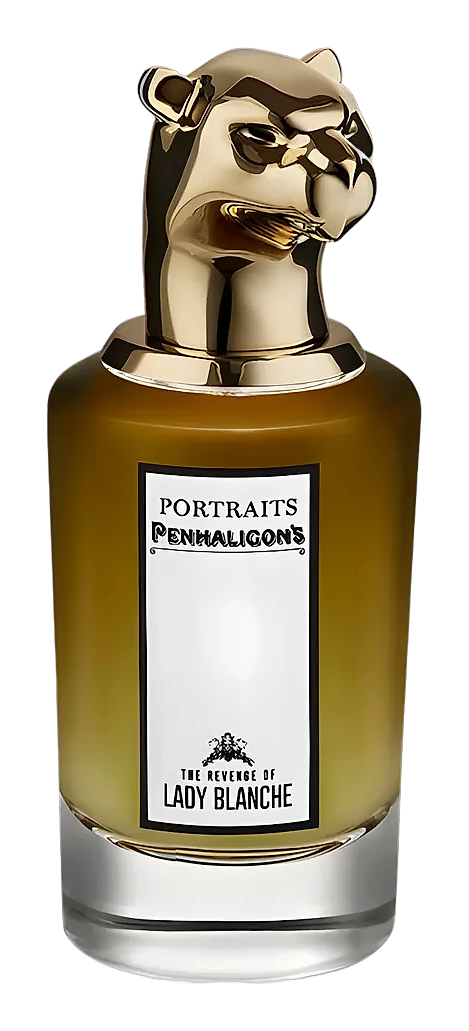
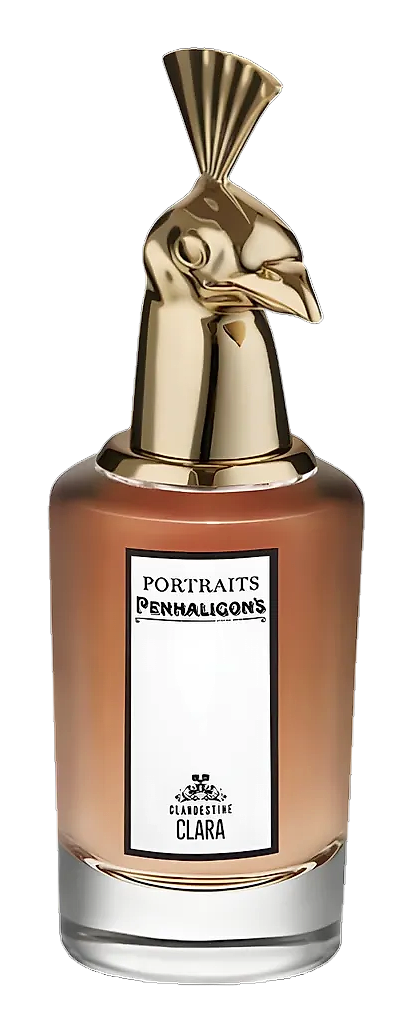
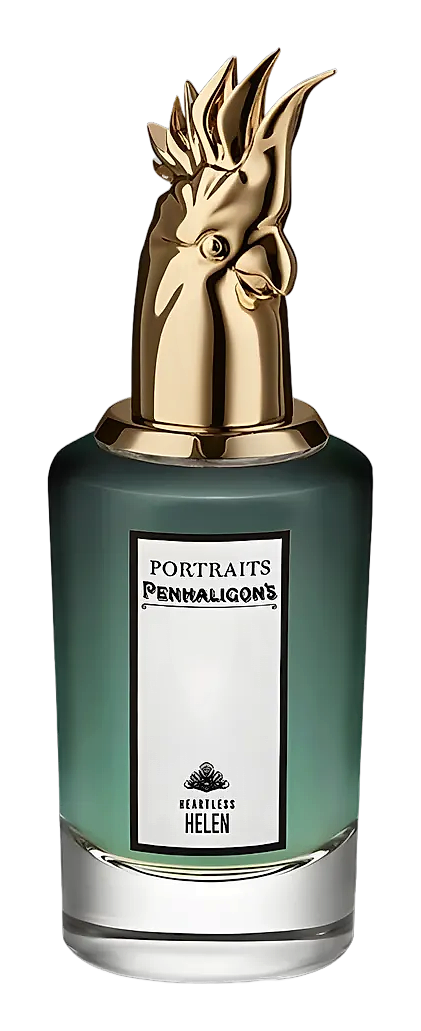
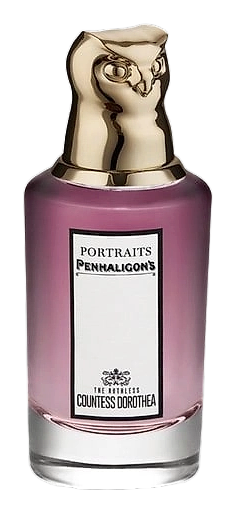
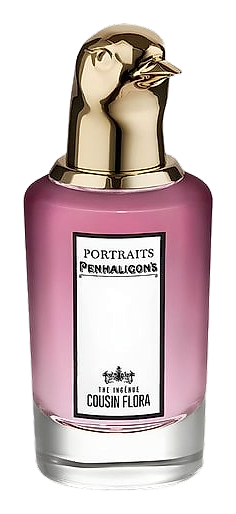
The Penhaligon's story begins in steam and opportunity. In the late 1860s, a young William Henry Penhaligon arrived in London from Penzance, Cornwall, and found work as a barber at the Piccadilly Turkish Baths on Jermyn Street. This was no ordinary establishment; it attracted London's most influential men, from politicians to aristocrats. As was customary for barbers of the era, Penhaligon blended his own grooming products for clients. His sharp eye for business soon prompted him to open his own salon just doors away, where he began crafting personal fragrances alongside traditional grooming preparations. The aroma of the Turkish baths inspired his first signature creation, Hammam Bouquet, a scent that remains in the collection to this day. By 1874, Penhaligon had taken over the salon and expanded into a full perfumery, quickly establishing a reputation for exceptional ingredients. He partnered with Jeavons in 1880, creating Penhaligon and Jeavons, which relocated to prestigious premises at 33 St James's Street and 66 Jermyn Street. The appointment as Royal Barber and Perfumer to Queen Victoria's court followed naturally. In 1903, Queen Alexandra granted Penhaligon's its first Royal Warrant. Blenheim Bouquet, created that same year for the Duke of Marlborough, became the house's most iconic scent and was famously worn by Winston Churchill throughout his life. The brand weathered the Wall Street Crash and survived the Blitz, which destroyed the original buildings in 1941. The company fell into obscurity by the 1950s before perfume-loving businesswoman Sheila Pickles, with support from film director Franco Zeffirelli, revived it in 1977, opening a new shop in Covent Garden's Wellington Street. Puig International acquired Penhaligon's in 2015, placing the storied British house within a global luxury fragrance portfolio. Penhaligon's operates from a conviction that fine fragrance should feel both timeless and alive. The house describes its approach as a blend of the very old and the very new, a philosophy made tangible in everything from bottle design to ingredient selection. Rather than chasing trends, the perfumers draw from an extensive archive of historical formulations while embracing contemporary extraction techniques. This creates scents that feel rooted yet relevant. The house has collaborated with some of the most celebrated noses in contemporary perfumery, including Bertrand Duchaufour, Olivia Giacobetti, Olivier Cresp, and Alberto Morillas, inviting these artisans to interpret the Penhaligon's heritage through their own creative lens. The result is a collection that honors its Victorian origins without being imprisoned by them. Each fragrance tells a story, whether that story draws from royal history, ballet, or the spice routes that once supplied London's great perfumers. The house maintains that fragrance should be personal and evocative, an intimate signature rather than a public statement. This philosophy extends to the Portraits collection, launched as a family of eccentric characters, each with their own distinct narrative and olfactory personality. The Ruthless Countess Dorothea, for instance, presents as a fiercely elegant woman with sharp wit and unexpected warmth, captured through notes of ginger, spices, and a cozy, slightly boozy base. These creations prove that heritage houses can be playful without sacrificing sophistication.