    Brand Profile

    Faux Rose entered the fragrance scene in 2025 as the debut offering of a London‑based creator named Amelia Rose. The scent presents a powder…More

    United Kingdom·Est. 2025

    5.0

    Rating

    Just Landed

    New Arrivals

    The latest additions to the Faux Rose collection.

    3
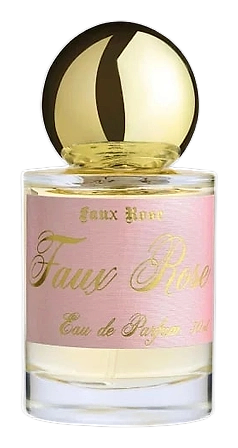
    Faux Rose by Faux Rose
    NewBest Seller
    5.0

    Faux Rose

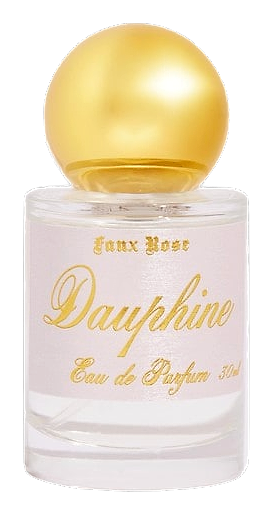
    Dauphine by Faux Rose
    NewBest Seller
    4.3

    Dauphine

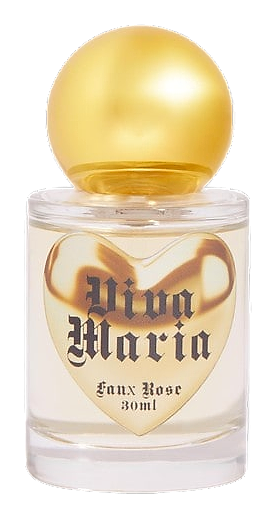
    Viva Maria by Faux Rose
    NewBest Seller
    4.0

    Viva Maria

    Haltane by Parfums de Marly
    Coming Soon

    Haltane

    Parfums de Marly

    Baccarat Rouge 540 by Maison Francis Kurkdjian
    Coming Soon

    Baccarat Rouge 540

    Maison Francis Kurkdjian

    Aventus by Creed
    Coming Soon

    Aventus

    Creed

    The Heritage

    The Story of Faux Rose

    Faux Rose entered the fragrance scene in 2025 as the debut offering of a London‑based creator named Amelia Rose. The scent presents a powdery opening that quickly yields to a heart of rose, honeycomb and powdered sugar, creating a soft yet structured composition. Packaged in a clear glass bottle with a minimalist cap, the fragrance aims to balance approachability with a subtle sense of craft. It is positioned as a contemporary scent for anyone who enjoys a modern take on classic floral accords.

    Heritage

    The brand behind Faux Rose emerged in early 2025 when Amelia Rose, a perfumer based in London, decided to launch a personal line after years of working on private commissions for boutique houses. Amelia, who studied chemistry before moving into olfactory design, wanted a platform where she could control every stage of creation, from scent formulation to packaging. The first fragrance, titled Faux Rose, was formulated in a small studio in Shoreditch and released later that year. Production took place in a certified facility in the United Kingdom that adheres to EU cosmetic regulations. The launch was supported by a limited‑run press kit sent to niche fragrance editors and a series of Instagram posts that highlighted the bottle’s clean silhouette. Within weeks, the scent was catalogued on Fragrantica, where it received its first public reviews. Although the brand is newly founded, its early activities demonstrate a clear intention to build a reputation rooted in transparent sourcing, modest production volumes, and direct communication with a community of scent enthusiasts. The founder’s background in chemistry informs the brand’s emphasis on ingredient clarity, while her artistic sensibility shapes the visual language of the packaging. As of the end of 2025, Faux Rose remains a single‑product house, but the founder has hinted at future releases that will explore other facets of the powdery‑floral niche.

    Craftsmanship

    The production of Faux Rose follows a small‑batch methodology that prioritises consistency and quality control. Raw materials, including natural rose absolute, honeycomb aroma chemicals, and a synthetic powdered sugar note, are sourced from suppliers who hold ISO 9001 certification for purity and traceability. Each ingredient arrives with a certificate of analysis, which the in‑house lab verifies before blending. The fragrance is assembled in a temperature‑controlled environment at 20 °C, with a precise mixing time of 48 hours to allow the accords to integrate fully. After blending, the perfume undergoes a three‑stage filtration process to remove any particulate matter, ensuring a clear final product. The finished liquid is then transferred into 50 ml glass bottles that are made from 30 % post‑consumer recycled glass, a figure confirmed by the bottle manufacturer’s sustainability report. Caps are produced from aluminum sourced from certified recyclers, and the outer box uses FSC‑certified paper. Quality assurance includes a blind panel test where trained noses evaluate each batch for scent fidelity against the original formula. Any deviation triggers a re‑blend before the batch is released. The brand maintains a batch‑by‑batch log that records ingredient lot numbers, blending dates, and test results, providing a transparent audit trail for consumers who request detailed information.

    Design Language

    Visually, Faux Rose adopts a minimal aesthetic that mirrors the scent’s clean composition. The bottle is a clear, cylindrical vessel with a smooth, matte finish that catches light without glare. A thin, brushed‑metal cap adds a subtle contrast while keeping the overall silhouette understated. The label is printed in a muted serif typeface, positioned centrally, and includes a concise ingredient list that aligns with the brand’s transparency ethos. The outer packaging consists of a matte‑black box with a single embossed line drawing of a rose, rendered in a soft gray tone. Inside, a thin tissue paper bears the same illustration, creating a cohesive visual narrative from first glance to unboxing. The design language avoids ornamental excess, instead focusing on tactile quality; the glass feels weighty yet balanced in hand, and the cap’s soft‑touch coating provides a gentle grip. Promotional imagery on the brand’s social channels features the bottle placed against neutral backdrops, often accompanied by natural elements such as dried rose petals or honeycomb fragments, reinforcing the connection between the visual and olfactory components.

    Philosophy

    Faux Rose’s creative vision rests on the idea that a fragrance can be both familiar and surprising without relying on overt extravagance. Amelia Rose describes her approach as a dialogue between the chemistry of scent and the memories it can evoke, choosing ingredients that are recognizable yet layered in a way that invites repeated discovery. The brand values ingredient transparency; each component listed on the bottle’s inner label matches the formulation disclosed on the official product page. Sustainability also informs the philosophy: the glass used for the bottle is sourced from recycled sources, and the packaging incorporates biodegradable inks. Rather than targeting a specific gender, the scent is presented as gender‑neutral, allowing wearers to define their own relationship with the perfume. Community feedback, collected through social media comments and direct messages, plays a role in shaping future releases, reflecting a belief that perfumery thrives on conversation between creator and audience. This open‑ended stance aims to foster a sense of shared ownership over the olfactory experience.

    Key Milestones

    2025

    Faux Rose fragrance launched by Amelia Rose in London

    2025

    First public review posted on Instagram by fragrance enthusiast Effy

    2025

    Faux Rose added to Fragrantica database with detailed note breakdown

    2025

    Initial limited‑run distribution to boutique retailers in the United Kingdom

    At a Glance

    Brand profile snapshot

    Origin

    United Kingdom

    Founded

    2025

    Heritage

    1

    Years active

    Collection

    1

    Fragrances released

    Avg Rating

    5.0

    Community sentiment

    Did You Know?

    Interesting Facts

    Distinctive details and defining moments that shape the house personality.

    01

    The heart of the fragrance combines rose with honeycomb and a synthetic powdered sugar note, a trio rarely paired together in mainstream perfumery.

    02

    The bottle is made from 30 % post‑consumer recycled glass, a figure confirmed by the manufacturer’s sustainability report.

    03

    Amelia Rose, the nose behind the scent, holds a degree in chemistry, which influences the brand’s emphasis on ingredient transparency.

    04

    Faux Rose is marketed as a gender‑neutral fragrance, allowing wearers of any identity to experience the scent without predefined gender cues.

    The Artisans

    The Perfumers