    Brand Profile

    Royal Apothic is a London‑based fragrance house that began as a maker of scented candles and room sprays before expanding into personal perf…More

    United Kingdom·Est. 1990·Site

    5.0

    Rating

    24
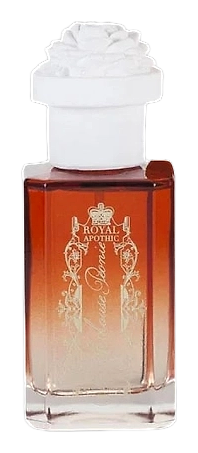
    Hothouse Peonie by Royal Apothic
    Best Seller
    5.0

    Hothouse Peonie

    Dogwood Blossom by Royal Apothic
    Best Seller
    4.6

    Dogwood Blossom

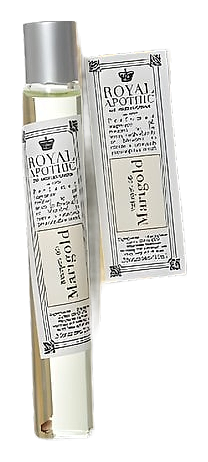
    Marigold Extract by Royal Apothic
    Best Seller
    4.6

    Marigold Extract

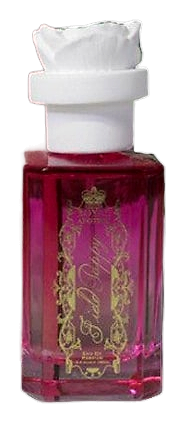
    Field Poppy by Royal Apothic
    4.5

    Field Poppy

    Noble Carnation by Royal Apothic
    4.4

    Noble Carnation

    Fig Extract by Royal Apothic
    4.4

    Fig Extract

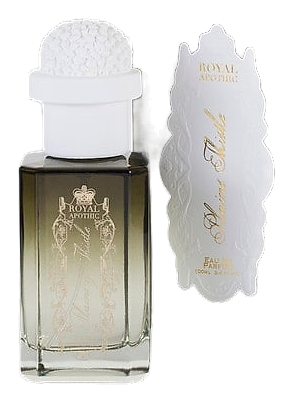
    Plains of Thistle by Royal Apothic
    4.4

    Plains of Thistle

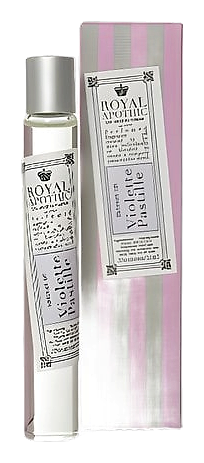
    Violette Pastille Extract by Royal Apothic
    4.1

    Violette Pastille Extract

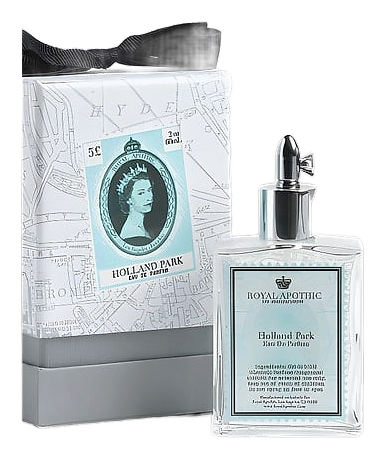
    Holland Park by Royal Apothic
    4.1

    Holland Park

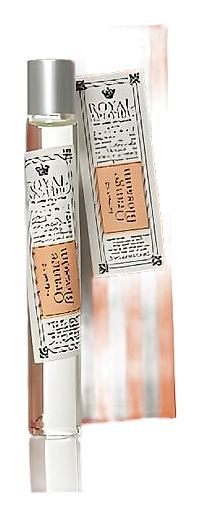
    Orange Blossom Extract by Royal Apothic
    4.0

    Orange Blossom Extract

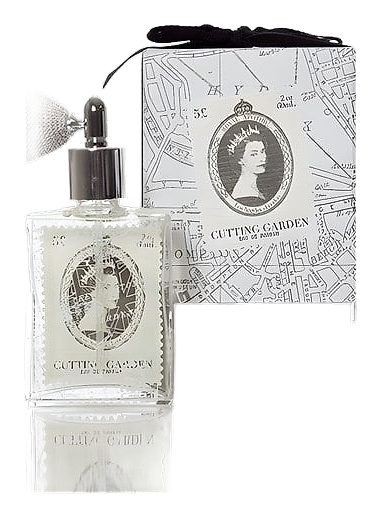
    Cutting Garden by Royal Apothic
    4.0

    Cutting Garden

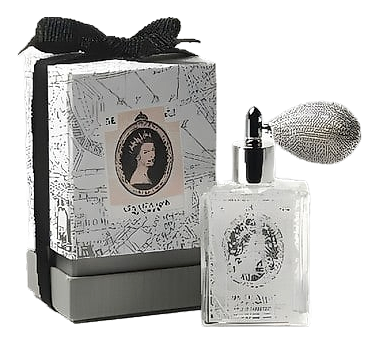
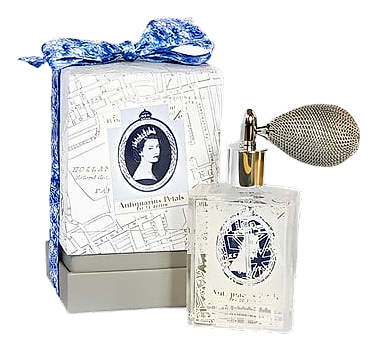
    Antiquarius Petals by Royal Apothic
    4.0

    Antiquarius Petals

    1 of 2

    The Heritage

    The Story of Royal Apothic

    Royal Apothic is a London‑based fragrance house that began as a maker of scented candles and room sprays before expanding into personal perfume. Founded by Sean O'Mara, the label draws on historic apothecary formulas and a garden‑first sensibility. Its catalogue includes Dogwood Blossom (2012), Hothouse Peonie (2020), Marigold Extract (2010) and a range of botanical extracts that echo the scent of a traditional English herb shop. The brand positions its scents as extensions of a lived environment, inviting wearers to experience a familiar place through scent.

    Heritage

    Sean O'Mara launched Royal Apothic in 1990 after a chance discovery in a London bookshop. While on sabbatical he found an 18th‑century apothecary manual tucked between dusty volumes. The text described how early chemists blended herbs, flowers and resins for both medicinal and aromatic purposes. Inspired, O'Mara left his work in a beauty company and began experimenting in a converted Victorian townhouse in his hometown. The first products were hand‑poured candles and reed diffusers that used locally sourced wax and essential oils. By the mid‑1990s the line had grown to include room sprays and scented sachets, each labeled with typographic cues taken from the old manual. In 2010 the house released its inaugural perfume, Fig Extract, followed by Marigold Extract and Field Poppy the same year. The 2012 launch of Dogwood Blossom marked the brand’s first floral‑centric scent and earned notice in niche fragrance circles. A second wave of releases arrived in 2020 with Hothouse Peonie, a composition that highlighted cultivated peonies from a Kent garden. In September 2025 Royal Apothic announced a debut in a major department store, a milestone reported by WWD, that expanded its reach beyond boutique channels. Throughout its three‑decade history the label has remained anchored to the idea of translating a historic apothecary experience into contemporary fragrance, a narrative that continues to shape each new launch.

    Craftsmanship

    Production at Royal Apothic blends traditional techniques with contemporary quality controls. Raw materials arrive from vetted growers in England, France and the Netherlands; the brand tests each batch for purity before acceptance. Botanical extracts are macerated in neutral carrier oils for periods ranging from two weeks to three months, a method that mirrors the slow infusion described in the 18th‑century manual. After maceration, the blends are filtered through stainless‑steel mesh and then aged in dark glass vessels to allow the notes to integrate fully. Small‑batch blending occurs in a dedicated studio where a perfumer—often a guest collaborator—adjusts the formula by hand, measuring each component with a precision scale. The final perfume is filtered again and poured into hand‑finished glass bottles that are sealed with corks sourced from sustainable cork oak forests. Quality assurance includes blind panel testing with a rotating group of scent professionals, ensuring that each release meets the house’s standards for balance and longevity. The brand also maintains a limited‑edition line that uses rare ingredients, such as hand‑picked peony petals from a heritage garden, to showcase the depth of its sourcing network.

    Design Language

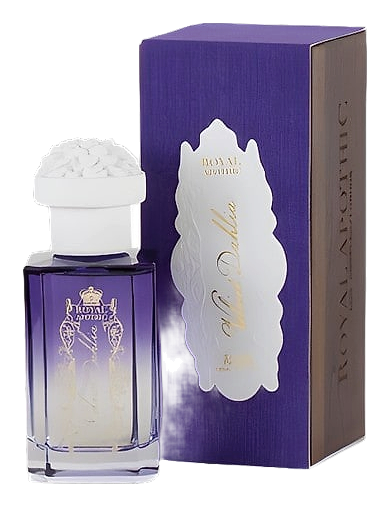
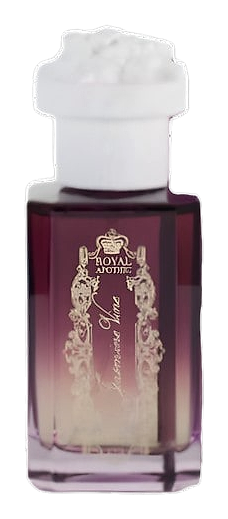
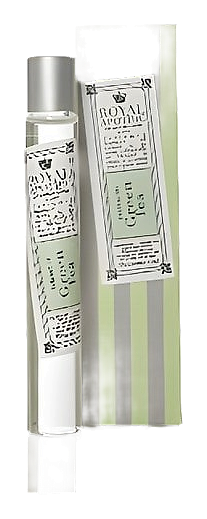
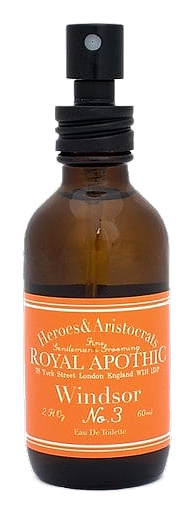
    The visual language of Royal Apothic echoes the look of an old apothecary shop. Labels feature serif typefaces reminiscent of 18th‑century printing, set against cream‑colored paper that bears faint watermarks of botanical illustrations. Bottles are cut from amber glass, their shoulders rounded to suggest vintage medicine bottles, and they are capped with natural cork or brushed metal stoppers engraved with the brand’s monogram. Packaging boxes are wrapped in kraft paper tied with twine, a nod to the simple, handcrafted feel of a market stall. The brand’s photography often places the product among dried herbs, wooden trays and antique scales, reinforcing the narrative of a modern alchemist at work. This aesthetic extends to the retail environment, where pop‑up installations recreate a small apothecary counter, complete with glass jars, brass measuring tools and handwritten signage.

    Philosophy

    Royal Apothic treats scent as a bridge between past and present. The house believes that historic recipes can be re‑interpreted with modern materials while preserving the spirit of the original formulas. Sustainability guides ingredient choices; the brand prefers plant extracts harvested from UK farms that practice regenerative agriculture. Transparency is another core value: each fragrance lists its primary botanical components and the region of origin. The creative process starts with archival research, followed by field trips to gardens and herb farms where O'Mara and his collaborators collect scent impressions. Rather than chasing trends, the house follows a narrative‑driven approach, letting each scent tell the story of a specific place – a garden path, a greenhouse, a countryside meadow. This philosophy informs everything from the naming of a fragrance to the way it is marketed, emphasizing authenticity over hype.

    Key Milestones

    1990

    Royal Apothic founded by Sean O'Mara in London after discovering an 18th‑century apothecary manual.

    1995

    First line of hand‑poured candles and reed diffusers launched, using locally sourced wax and essential oils.

    2010

    Brand expands into personal fragrance with the release of Fig Extract, Marigold Extract and Field Poppy.

    2012

    Dogwood Blossom introduced, marking the first major floral‑focused perfume from the house.

    2020

    Hothouse Peonie released, featuring peony petals sourced from a Kent garden.

    2025

    Royal Apothic announces debut in a major department store, as reported by WWD.

    At a Glance

    Brand profile snapshot

    Origin

    United Kingdom

    Founded

    1990

    Heritage

    36

    Years active

    Collection

    1

    Fragrances released

    Avg Rating

    5.0

    Community sentiment

    Release Rhythm

    2020
    1
    2013
    1
    2012
    5
    2010
    11
    royalapothic.com

    Did You Know?

    Interesting Facts

    Distinctive details and defining moments that shape the house personality.

    01

    The founder’s initial inspiration came from a single apothecary manual found in a secondhand London bookshop.

    02

    Royal Apothic’s first products were made in a converted Victorian townhouse that also served as O'Mara’s living space.

    03

    All bottle caps are either natural cork or brushed metal, both sourced from sustainable suppliers.

    04

    The brand’s limited‑edition releases sometimes include ingredients harvested by hand on a single day, such as peony petals collected at dawn.