The Heritage
The Story of Partisan Parfums
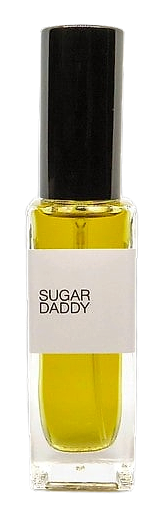
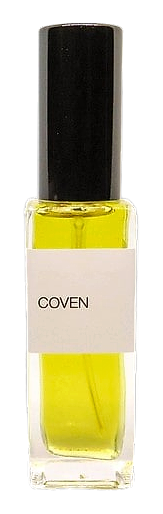
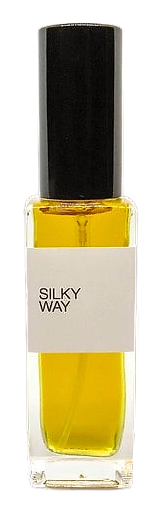
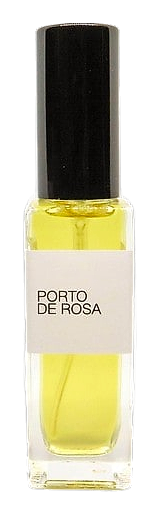
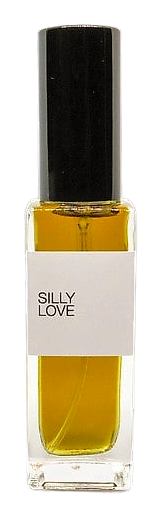
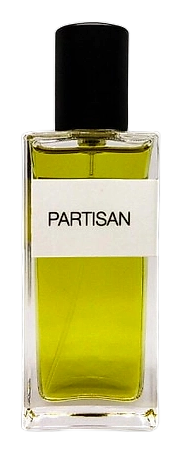
Partisan Parfums is a London‑based niche fragrance house that launched in 2012 with a clear intent to champion independent scent creation. The label quickly earned a reputation for narrative‑driven perfumes that pair vivid storytelling with high‑quality ingredients. Its catalogue, which includes Silky Way (2013), Sugar Daddy (2013), Silly Love (2014), Porto de Rosa (2015), Coven (2015) and the eponymous Partisan (2021), reflects a balance of modern minimalism and classic perfumery techniques. The brand’s approach is deliberately low‑key, letting the fragrance itself speak rather than relying on flashy marketing.
Heritage
The story of Partisan Parfums begins with David Tissot, a former fragrance buyer for a major department store, and his wife Michele, who shared a frustration with the homogenised offerings of mainstream perfume houses. In 2012 they left the retail world and founded a small atelier in London, naming the venture after the idea of being a "partisan" for authentic scent experiences. Their first launch, Silky Way, arrived in 2013 and was crafted in collaboration with French perfumer Olivier Cresp. The fragrance, inspired by a desert sunrise, set the tone for the brand’s emphasis on narrative and place‑based inspiration. Following the success of Silky Way, the house introduced Sugar Daddy later that year, a gourmand composition that referenced the sweet indulgence of 1970s cocktail culture. 2014 saw the release of Silly Love, a playful yet sophisticated scent that blended floral and gourmand notes, further establishing the brand’s willingness to experiment within a refined framework. 2015 was a prolific year, delivering Porto de Rosa, a tribute to the historic Portuguese port city, and Coven, a darker, incense‑laden offering that highlighted the house’s versatility. In 2021 Partisan, the brand’s first eponymous fragrance, arrived as a unisex scent that distilled the founders’ philosophy into a single olfactory statement. Throughout its first decade, Partisan Parfums has remained independent, avoiding acquisition offers and maintaining production in small batches to preserve quality. The house has also cultivated a modest but loyal following among collectors, who appreciate the brand’s consistency and its focus on storytelling over hype.
Craftsmanship
Every Partisan Parfums bottle is produced in limited runs, a practice that enables close quality control at each stage. Raw materials are sourced from established suppliers in Grasse, Italy and the United States, with a preference for natural absolutes and ethically harvested essences. For example, the rose absolute used in Porto de Rosa comes from roses cultivated in the Valle d'Aosta region, where growers employ sustainable farming methods. The brand works with perfumers such as Olivier Cresp, who develop the fragrance structure in a laboratory setting before handing the formula to Partisan’s in‑house team for refinement. Once the final blend is approved, the mixture is aged for several weeks to allow the notes to harmonise. Production takes place in a certified facility in London that adheres to ISO 9001 standards, ensuring consistency across batches. Bottles are hand‑filled, sealed with a tamper‑evident cap, and inspected for visual defects before packaging. The packaging design uses recyclable cardboard and soy‑based inks, aligning with the brand’s environmental commitments. Quality assurance includes both olfactory testing by trained noses and analytical verification of ingredient concentrations, guaranteeing that each bottle meets the house’s exacting standards.
Design Language
Visually, Partisan Parfums embraces a minimalist aesthetic that mirrors its fragrance philosophy. Bottles are typically clear or matte black glass, featuring clean lines and a simple rectangular silhouette. The label consists of understated black typography on a white background, allowing the scent name to stand out without decorative flourishes. Caps are either brushed aluminum or a subtle rose‑gold finish, chosen to complement the fragrance’s character. For instance, the Porto de Rosa bottle includes a cap shaped like a stylised rose petal, hinting at the perfume’s floral heart. The brand’s marketing materials favour monochrome photography, often depicting the bottle against textured surfaces such as concrete or reclaimed wood, reinforcing a sense of grounded elegance. In retail spaces, Partisan Parfums opts for modest displays: wooden shelves, soft ambient lighting, and scent strips presented in sleek metal trays. This restrained visual language ensures that the focus remains on the olfactory experience rather than on overt branding.
Philosophy
Partisan Parfums builds its creative vision on three pillars: narrative authenticity, ingredient integrity, and restrained presentation. The founders believe that a perfume should act as a portable story, anchored in a specific time, place, or emotion, and they work closely with perfumers to translate those concepts into scent. Transparency is a core value; the brand lists key ingredients on its website and avoids ambiguous marketing language. Sustainability also informs decision‑making: glass bottles are sourced from recycled material, caps are made of aluminum, and the company refuses animal testing. Rather than chasing trends, Partisan Parfums aims to create timeless pieces that reward repeated wear, encouraging users to develop a personal relationship with each fragrance. The house’s modest scale allows it to maintain direct dialogue with its audience, gathering feedback that shapes future releases while preserving artistic autonomy.
Key Milestones
2012
David and Michele Tissot establish Partisan Parfums in London, aiming to create narrative‑driven niche fragrances.
2013
Launch of Silky Way, the first fragrance, created with perfumer Olivier Cresp and inspired by a desert sunrise.
2014
Silly Love debuts, showcasing the brand’s playful side while maintaining refined composition.
2015
Two new releases, Porto de Rosa and Coven, expand the line into both bright floral and darker incense territories.
2021
Partisan, the eponymous unisex fragrance, arrives, encapsulating the house’s core values in a single scent.
2023
The brand introduces a recycled‑glass bottle program, reducing its environmental footprint.
At a Glance
Brand profile snapshot
Origin
United Kingdom
Founded
2012
Heritage
14
Years active
Collection
1
Fragrances released
Avg Rating
5.0
Community sentiment
Release Rhythm


