




Heritage
A house, in its own words
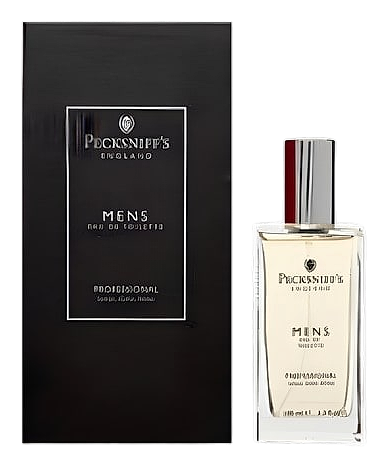
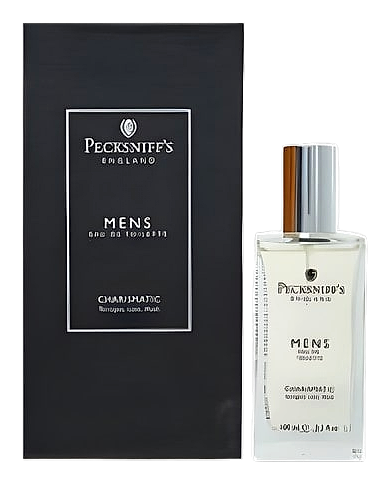
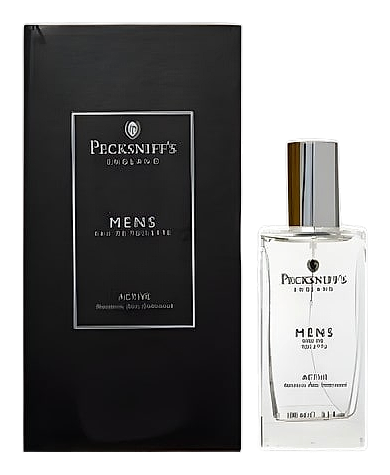
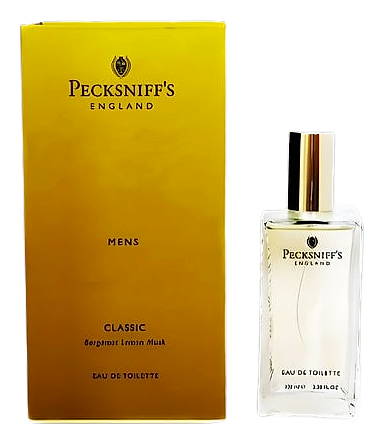
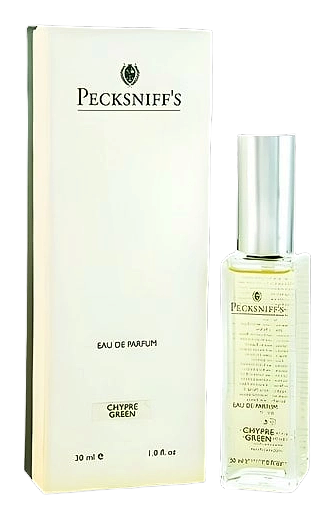
Pecksniff's Bespoke Fragrances & Cosmetics Limited was incorporated in England in 1982, according to Companies House filings. The founders set up a small workshop in Brighton, a seaside town known for its artistic community, and positioned the house as an alternative to the mass‑produced airport fragrances that dominated the market at the time. Early press coverage describes the brand as a boutique perfumery that prioritized hand‑blended formulas and limited‑run releases. By the mid‑2000s the house expanded its portfolio with two chypre‑centric offerings – Classic Chypre and Chypre Green – both launched in 2005 and noted for their adherence to traditional French structure while incorporating British botanical notes. In 2010 the metallic scent Argentum arrived, signaling a willingness to experiment with unconventional accords. The 2020s saw Pecksniff's introduce the Aromasensory line, a series described in industry news as “colorful” and aimed at contemporary mood‑therapy applications. Throughout its four‑decade history the brand has remained privately owned, with no public equity listings, and continues to source ingredients and manufacture most of its products within the United Kingdom. The company’s longevity is attributed to a steady focus on quality, a loyal niche clientele, and a willingness to evolve without abandoning its original boutique ethos. The house describes its creative vision as a dialogue between heritage and innovation. Rather than chasing trends, Pecksniff's seeks to reinterpret classic families – chypre, oriental, aquatic – through a British lens that values restraint and clarity. The brand emphasizes transparency in ingredient selection, preferring natural extracts when they meet performance standards and supplementing with synthetics only to achieve balance. Sustainability appears in its sourcing policy, with several raw materials reportedly obtained from certified growers in Europe. Pecksniff's also positions fragrance as a personal ritual, encouraging users to explore scent layers over time rather than a single fleeting impression. This approach aligns with the broader British perfume tradition of understated elegance, where the scent supports the wearer’s identity without overwhelming it.