The Story
Why it exists.
The beginning
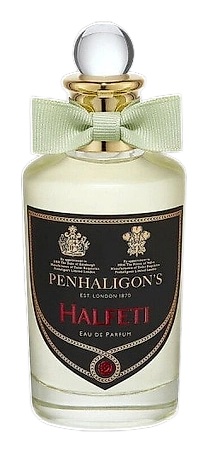
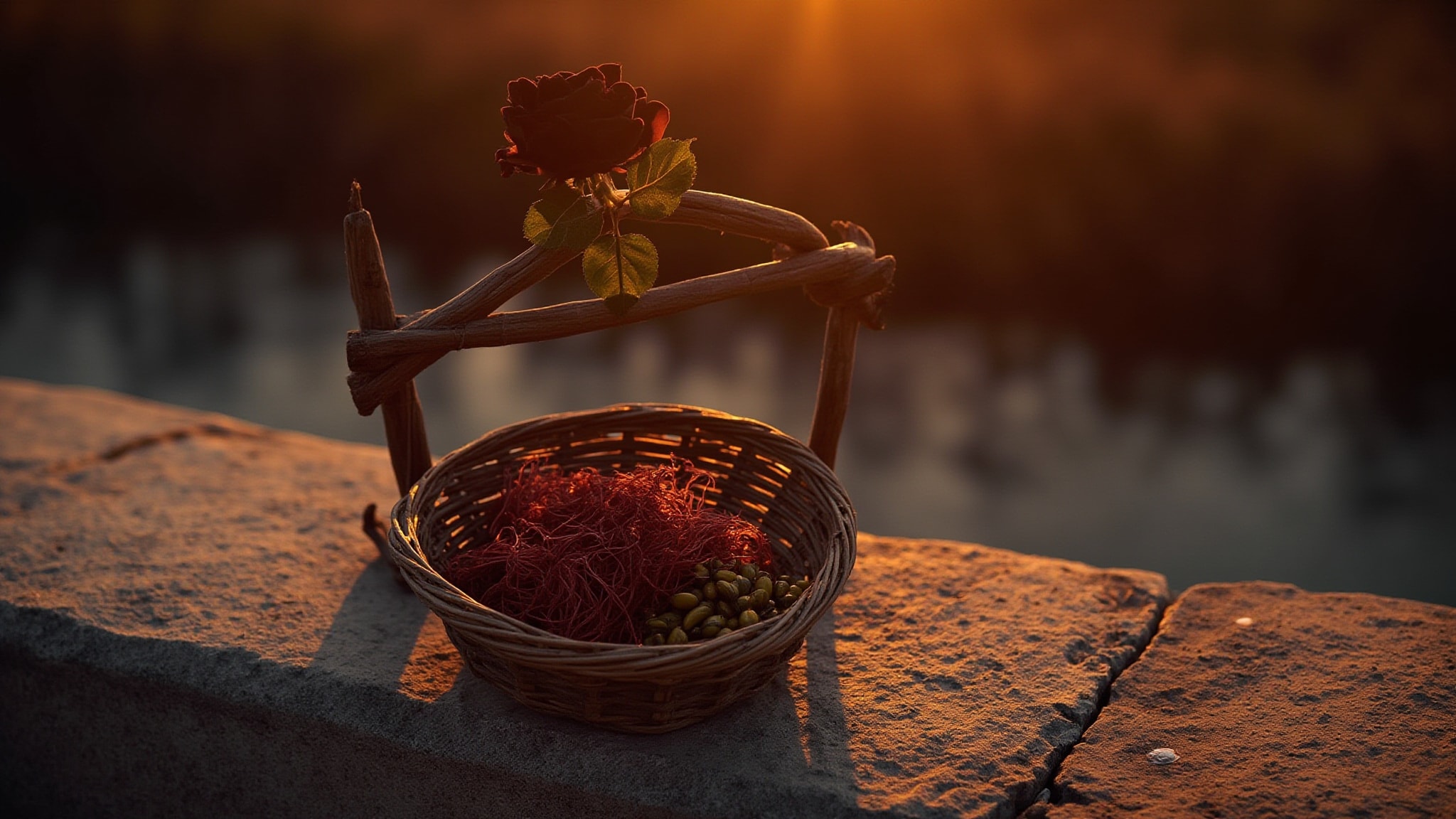
Halfeti takes its name from a small village on the banks of the Euphrates in southeastern Turkey. Here, on the coasts of a river that has witnessed empires rise and fall, a rare black rose blooms, dark and mysterious, the result of unique ecological conditions that exist nowhere else on earth. Christian Provenzano crafted this fragrance to capture that elusive bloom, translating the scent of a rose that grows where the soil is rich with history and the air carries whispers of ancient trade routes. The fragrance mirrors the village itself: a place of contrasts where the exotic meets the familiar, and where beauty exists in unexpected corners of the world.
The note selection reflects a philosophy of contrast and balance. Bergamot and grapefruit provide accessibility, while artemisia and green notes lend authenticity, evoking the herbal landscapes of the Turkish countryside. In the heart, rose and saffron represent the region's most prized ingredients, elevated by warm spices and a touch of animalic intrigue from cumin. The base brings tog ether precious woods, leather, and oud, nodding to the exotic materials that have traveled along the Euphrates for millennia. Tog ether, these notes create a fragrance that feels both Intimate and grand, personal and historical, much like the village that inspired it.
The evolution
The opening sets the stage with Green Notes, Artemisia, Bergamot, and Grapefruit, creating a bright, almost morning-fresh impression that feels a world away from the depths to come. As the top notes recede, the heart of Rose, Cardamom, Cumin, Saffron, and Cypress emerges, revealing the fragrance's Turkish soul. Jasmine, lily of the valley, lavender, violet, nutmeg, and cinnamon layer in, adding complexity and nuance to what might otherwise be a straightforward spicy-floral. The progression from citrus-herbal to warm, resinous drydown mirrors the journey from the riverbanks of Halfeti to the Intimate depths of its legendary rose, each stage revealing a new facet of this remarkable composition.
Cultural impact
Halfeti draws its name from a small Turkish village on the Syrian border, famous for its exceptionally dark roses that bloom only in specific microclimates along the Euphrates riverbank. This geographic specificity, where terroir meets rare botanical beauty, became Penhaligon's central narrative when launching the fragrance in 2015 as part of their Trade Routes collection. The black rose legend taps into the enduring appeal of the exotic in perfumery. The concept resonated strongly with niche fragrance collectors who seek stories as much as scents.