Agarwood Oud
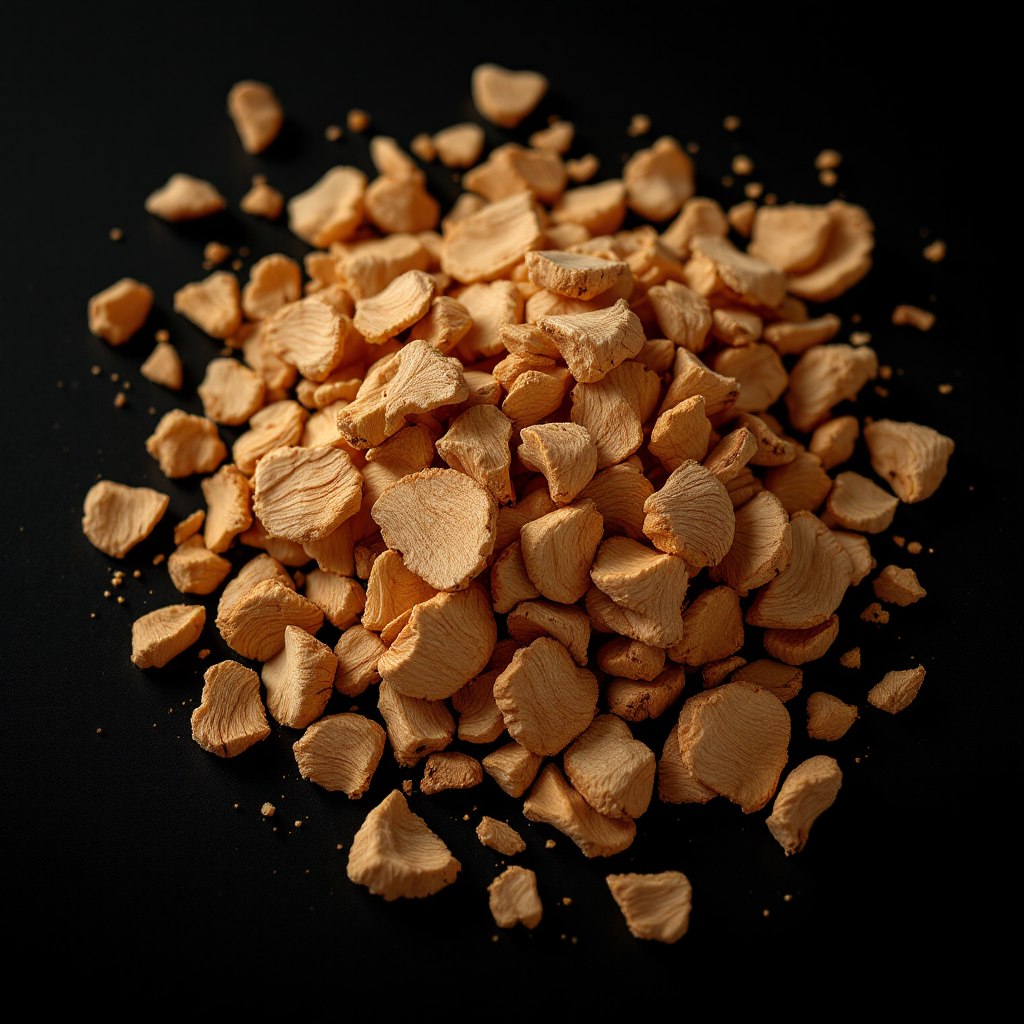
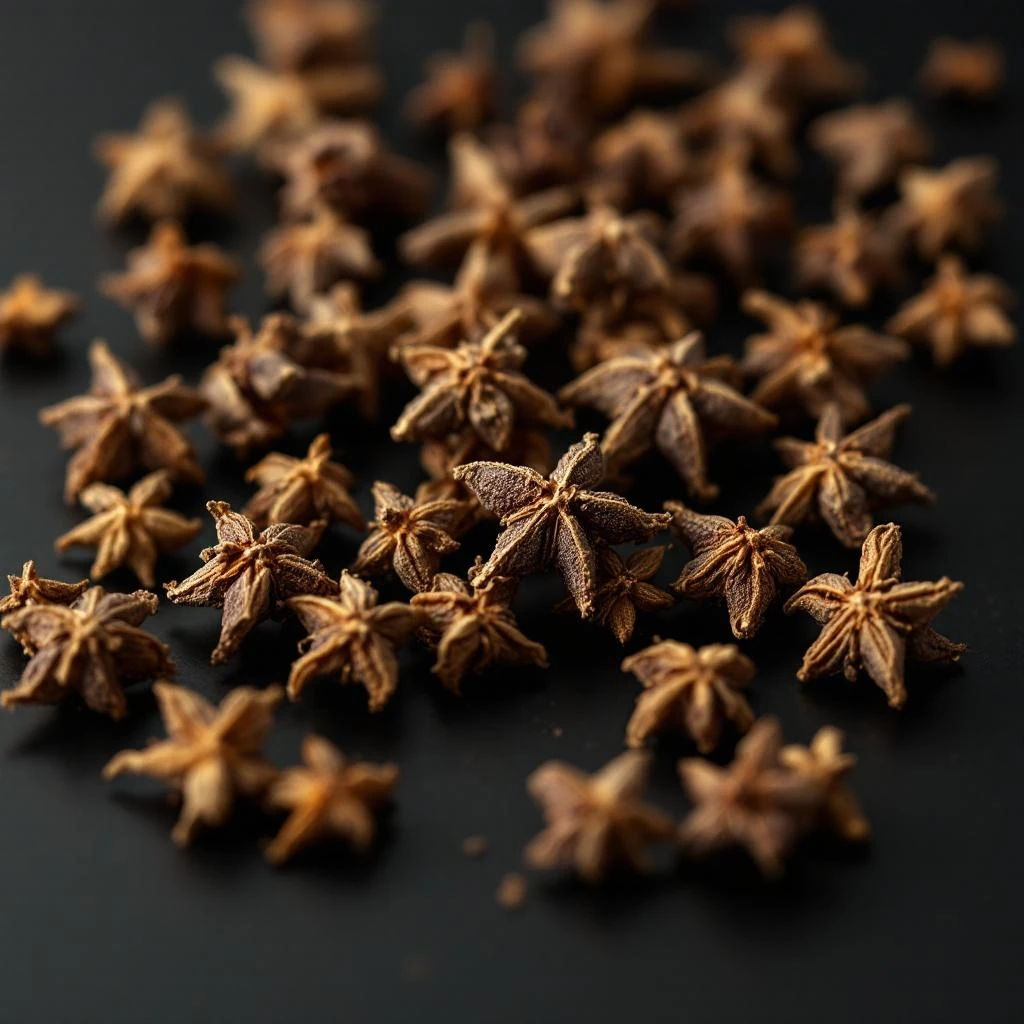
The resin-impregnated heartwood of the Aquilaria tree, produced when the tree defends itself against fungal infection. One of the world's most expensive and aromatic ingredients, prized for millennia across Asian and Middle Eastern cultures.
Character
How it smells
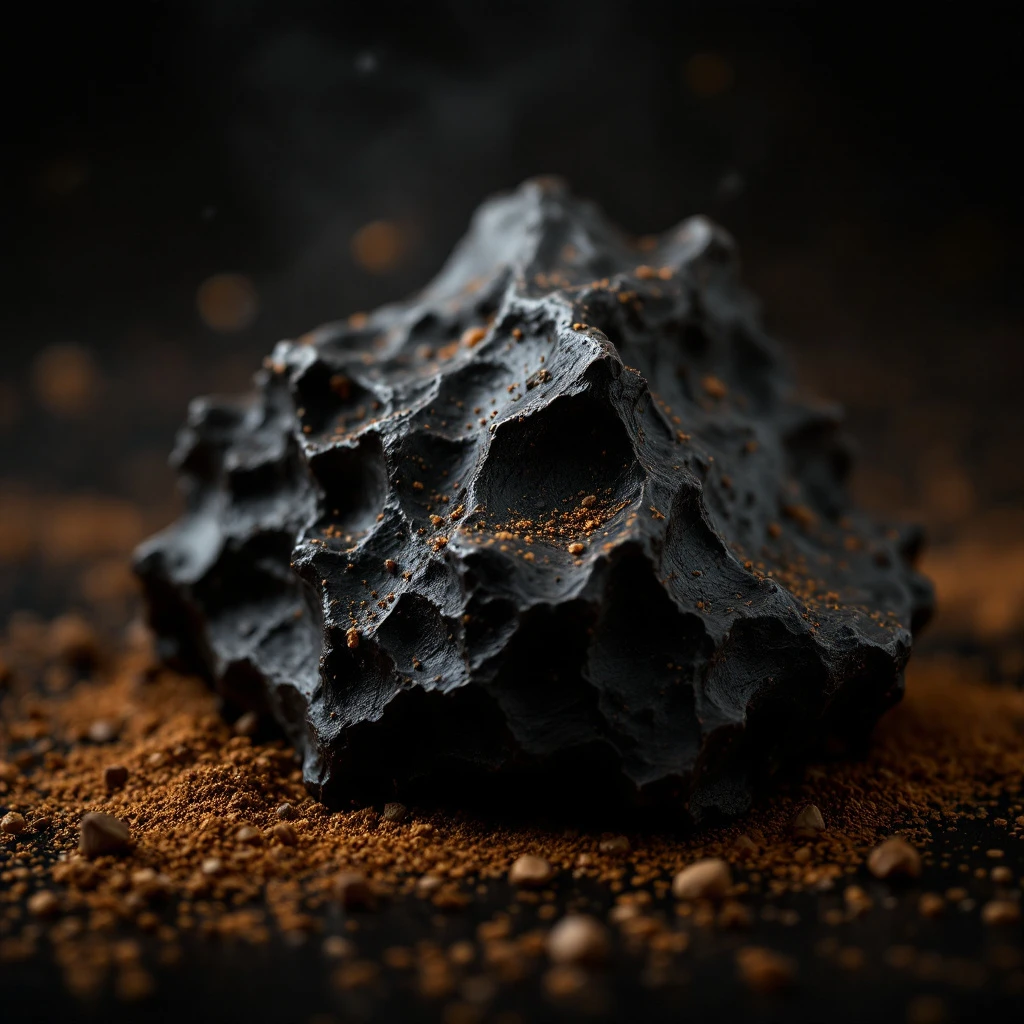
From wounded trees, one of nature's rarest aromatic treasures.
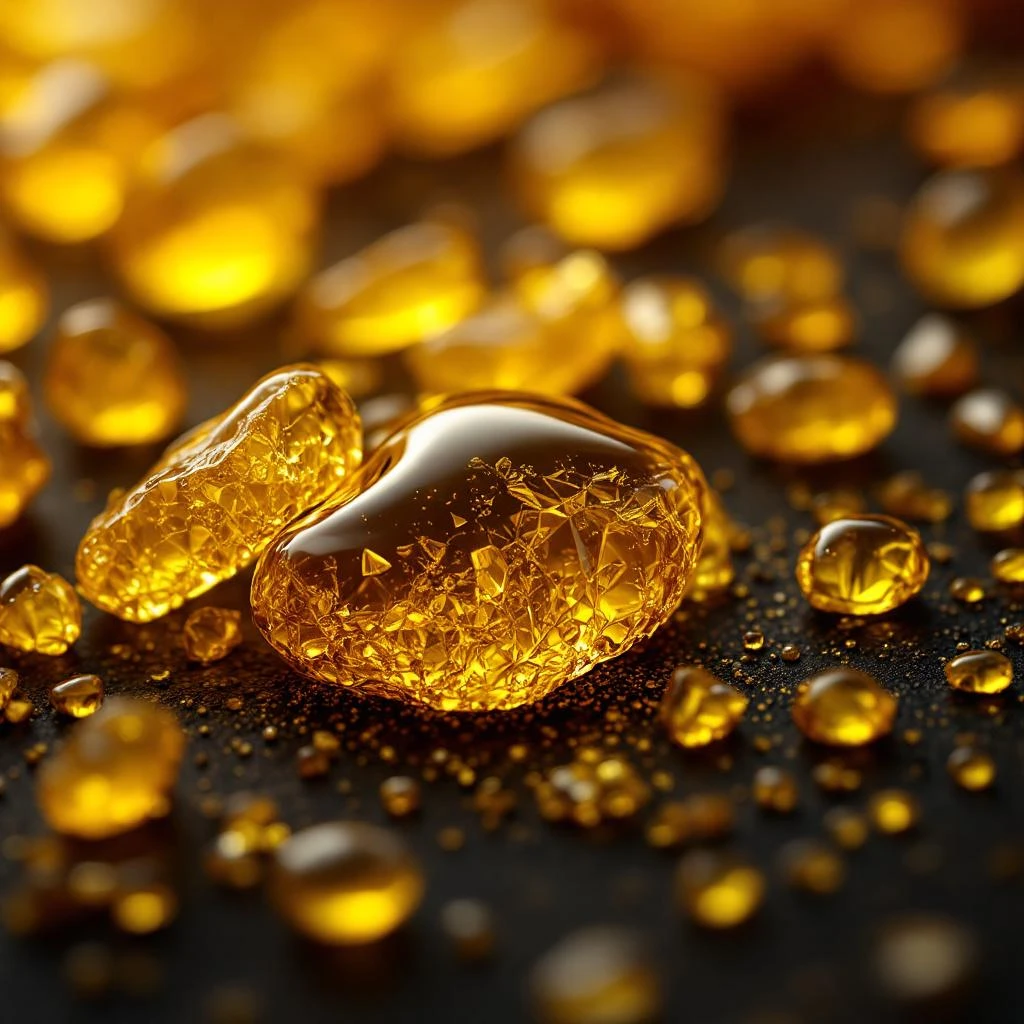
A single kilogram of high-quality oud oil can sell for more than $100,000, making it worth more than gold by weight.







Origin
India
Agarwood appears in texts from ancient India, Persia, and China, where it served as medicine, ritual incense, and a marker of rank and devotion. Buddhist sutras describe it as one of the five scents acceptable for veneration. Islamic tradition names oud among the fragrances of paradise.
Chinese emperors received it as tribute. The ingredient traveled along established trade routes, moving from Northeast India across Arabia and into the courts of the Mediterranean world. By the nineteenth century, European perfumers encountered oud through colonial trade networks and began incorporating it into luxury compositions.
It never became a mass-market material. Even now, oud remains a statement ingredient, the kind that justifies a fragrance's existence. That continuity across four thousand years of documented use reflects something genuine in the scent itself.
Wears it best
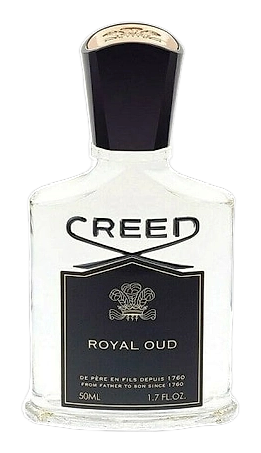
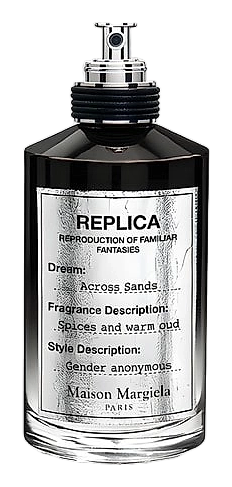
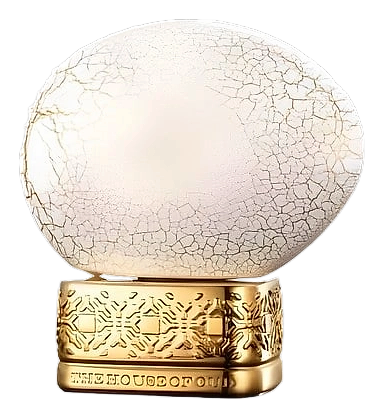
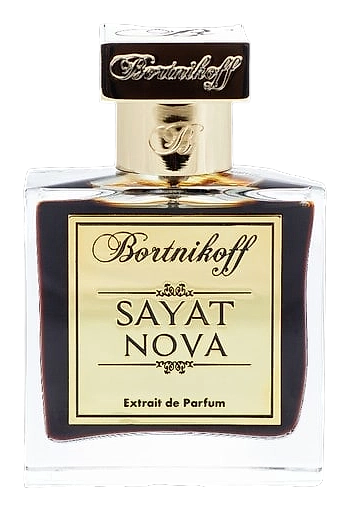
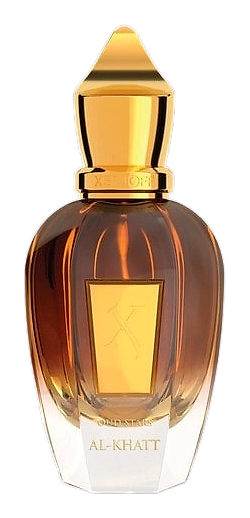
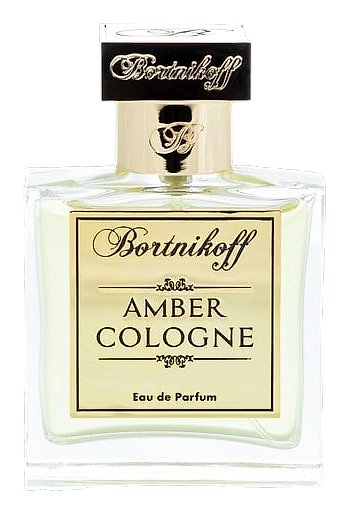
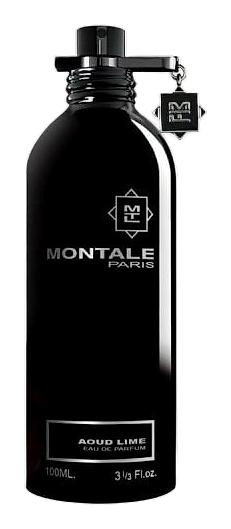
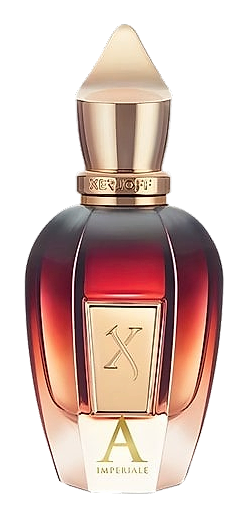
Fragrances featuring Agarwood Oud
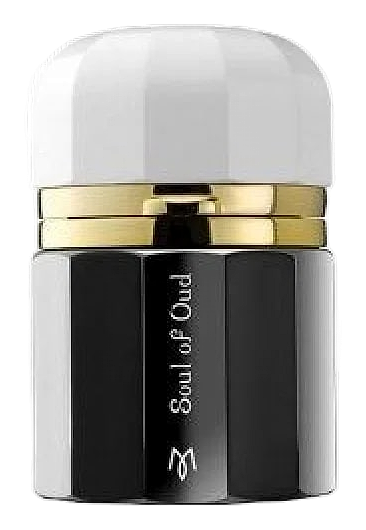
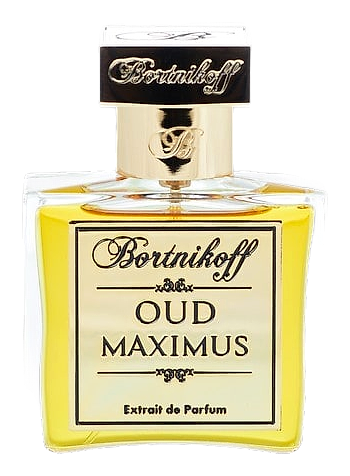
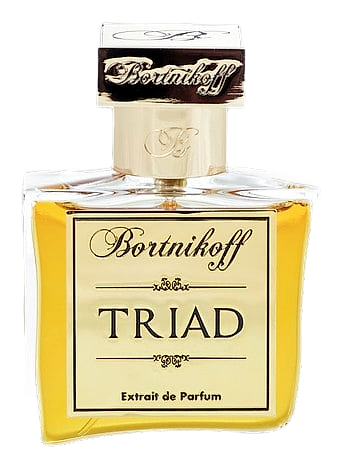
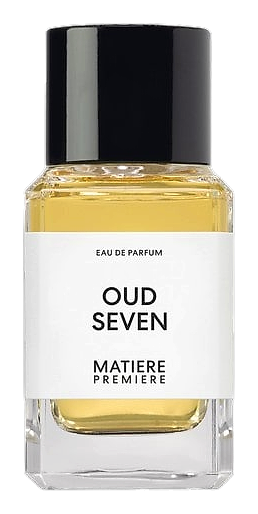
Brands
Brands known for Agarwood Oud
Good to know
Questions, answered
The essentials on Agarwood Oud in perfumery: how it smells, where it comes from, and how it behaves on skin.
What is agarwood oud exactly?
Agarwood oud is the resin-impregnated heartwood formed inside Aquilaria trees when they respond to fungal infection. The tree produces aromatic compounds as a defense mechanism. These compounds are then extracted via steam distillation as essential oil.
Why is oud considered so rare?
Only about 2% of Aquilaria trees naturally produce high-quality resin. Trees must be decades old before the infection takes hold and the resin develops. Wild-harvested oud from old-growth forests is increasingly scarce.
What cultures have used oud historically?
Oud appears across Hindu, Buddhist, Islamic, and Chinese traditions, with documented use spanning at least 4,000 years. It has been burned as incense in temples, traded as a luxury commodity, and used in traditional medicine across South Asia and the Middle East.
What does oud smell like?
High-quality oud presents as intensely warm and complex. The profile typically includes smoky, sweet, and woody characteristics with animalic depth and subtle spice. No two sources produce identical results, which is part of the ingredient's mystique.
What is the difference between wild and plantation oud?
Wild oud develops over decades through natural fungal infection, producing deep, layered aromatic complexity. Plantation oud from cultivated trees can be induced more quickly but often lacks the same depth. Some producers now inoculate trees deliberately to accelerate resin formation.
Why is oud among the world's costliest ingredients?
A single Aquilaria tree may require 30 to 50 years of natural infection before producing resin suitable for high-quality oil. Steam distillation yields a small volume from a large quantity of wood. Combine this with shrinking wild supply and growing global demand, and prices rise accordingly.
How can I evaluate oud quality?
Traditional assessment relies on color, viscosity, and the depth of aromatic complexity in a drop applied to a testing strip. Quality oud oil spreads slowly and maintains evolving notes over hours. In commercial perfumery, GC-MS analysis provides additional standardization.
Is oud used in modern perfumery beyond traditional contexts?
Western luxury houses began using oud prominently in the 1990s and 2000s, often featuring it as a signature base note in high-end compositions. The ingredient remains a marker of prestige rather than a standard component, reserved for formulations designed to justify their positioning.