The Story
Why it exists.
The beginning
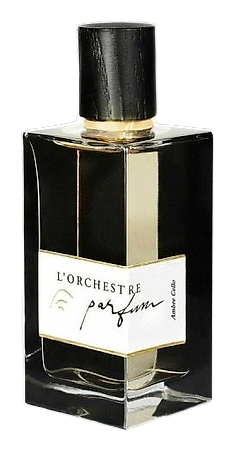
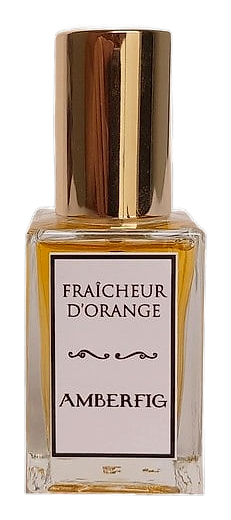
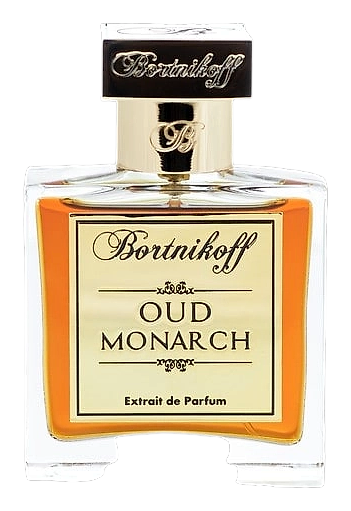
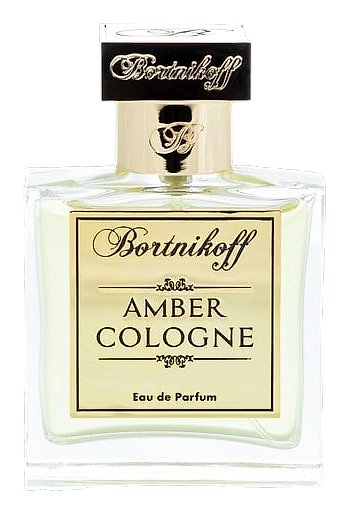
Amber Cologne arrived in 2019, a pivot point for a house built on oud and attars. Dmitry Bortnikoff had spent years working with dense, resinous materials, the kind that demand patience and close attention. But the Bangkok perfumer wanted something else. A fragrance that captured effervescence without sacrificing depth. The idea was simple on paper: take the brightest citrus opening imaginable, then find what could hold it without fading. The answer, it turned out, was ambergris, that rare, maritime material with its uncanny ability to bridge fresh and warm, sharp and soft. Amber Cologne became the house's most accessible work, and its most divisive.
Ambergris is the uncommon thread. Most perfumers use it sparingly, almost secretly, a whisper of salt beneath more legible notes. Bortnikoff treats it differently. The brown ambergris here isn't hidden; it's announced. It arrives in the drydown as a salted, animalic warmth that separates this cologne from the pack of citrus waters and clean freshies that came before. The combination of seven citrus top notes, sweet orange, bergamot, lemon, pink grapefruit, white grapefruit, creates an opening so realistic it borders on aggressive. Frangipani and jasmine sambac then soften what could have been a one-note brightness into something with actual floral weight.
The evolution
The first twenty minutes belong to citrus. Bergamot and sweet orange arrive sharp and immediate, this opening is sometimes described as the most realistic citrus in niche perfumery. Pink grapefruit lifts it with a tropical edge, while cardamom adds just enough spice to keep things interesting. Then, around the two-hour mark, the hand-off happens. Jasmine sambac emerges, creamy and slightly indolic, taking over from the citrus without fighting it. Frangipani supports. The heart is warm now, floral, less bright. By hour three or four, the ambergris announces itself. Salty. Warm. Maritime in a way that feels earned rather than tacked on. Vanilla and Sri Lankan oud follow, settling into a base that lingers close to the skin but holds for six to eight hours on most. The surprising detail: the ambergris doesn't fade gracefully. It stays, stubborn and present, the signature that makes this fragrance worth remembering.
Cultural impact
Amber Cologne occupies an unusual position in the niche landscape: a cologne that refuses to behave like one. The seven-note citrus opening drew immediate attention for its realism, wearers describe it as the sharp intake of breath before a dive into warm water. The ambergris drydown became the fragrance's signature, the element that separates it from the clean freshies and citrus waters that dominate warm-weather conversations. Those who love it cite the honesty of the materials; those who don't usually point to the longevity or the assertiveness of the floral heart.