Pink Grapefruit
Pink Grapefruit brings a bright, sun-drenched jolt to perfumery. Its juice-sweet opening balances tartness with a subtle inner peel bitterness that keeps the scent from flattening. Found in the top notes of countless modern fragrances, this citrus lifts compositions with immediate, energizing presence.
Character
How it smells
Citrus brightness with a bittersweet edge.
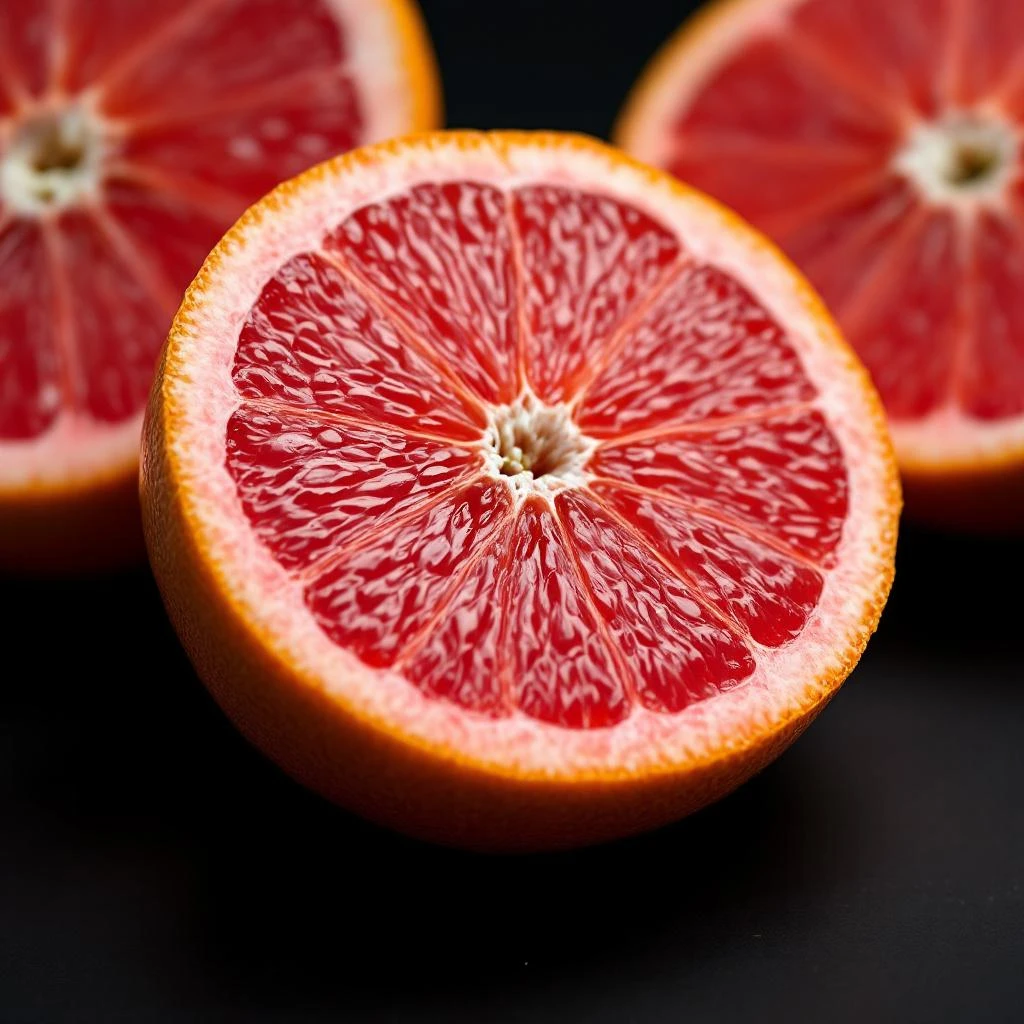
The "pink" in pink grapefruit comes from lycopene, the same antioxidant pigment that gives tomatoes their red color.









Origin
Barbados
Pink grapefruit emerged as a natural mutation of white grapefruit varieties in the early 20th century, though the parent fruit itself carries a disputed origin story. Legend attributes grapefruit seeds to Captain Phillip Shaddock of the East India Company, who left citrus seeds in Barbados during the mid-1700s, potentially crossing with local pomelo stock to create what early growers called the "forbidden fruit." The fruit took its place in Caribbean and Florida agriculture through the 1800s, but only gained global recognition when a pink-fleshed mutation appeared in a Texas orchard around 1906.
The lycopene-driven blush proved visually striking and commercially appealing, accelerating the fruit's spread across subtropical growing regions. By the mid-20th century, with the rise of modern perfumery and the post-war demand for fresh, clean fragrance profiles, pink grapefruit oil became a staple in citrus accords, prized for delivering the optimistic, energizing character that defined that era's fragrance aesthetic.
Wears it best
Fragrances featuring Pink Grapefruit
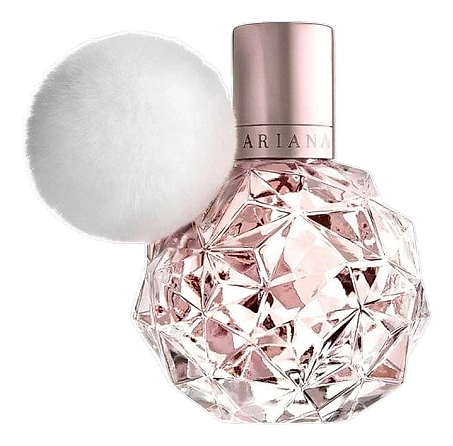
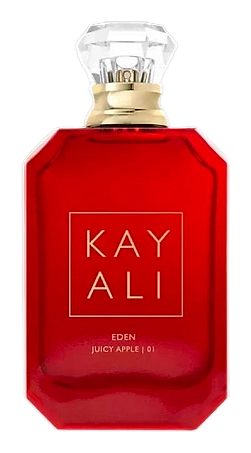


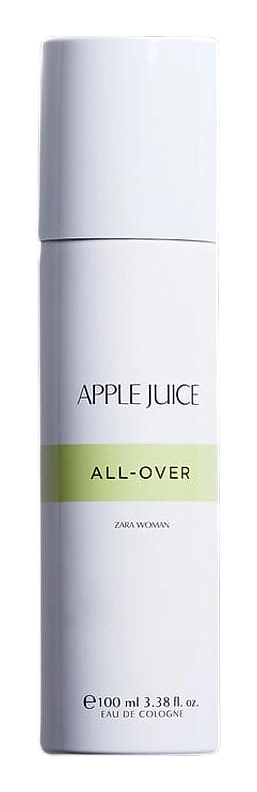
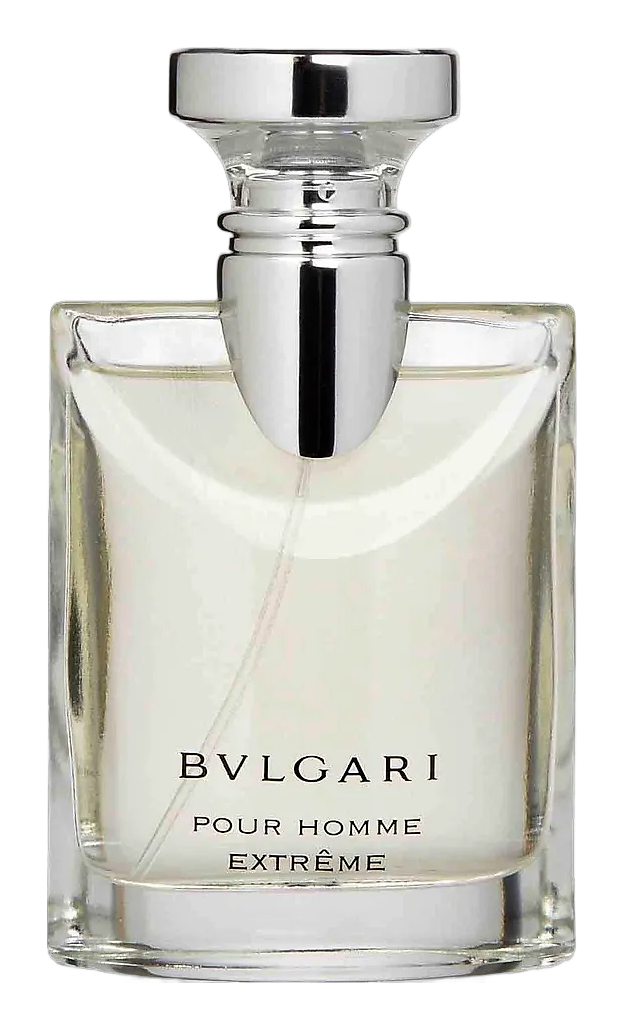
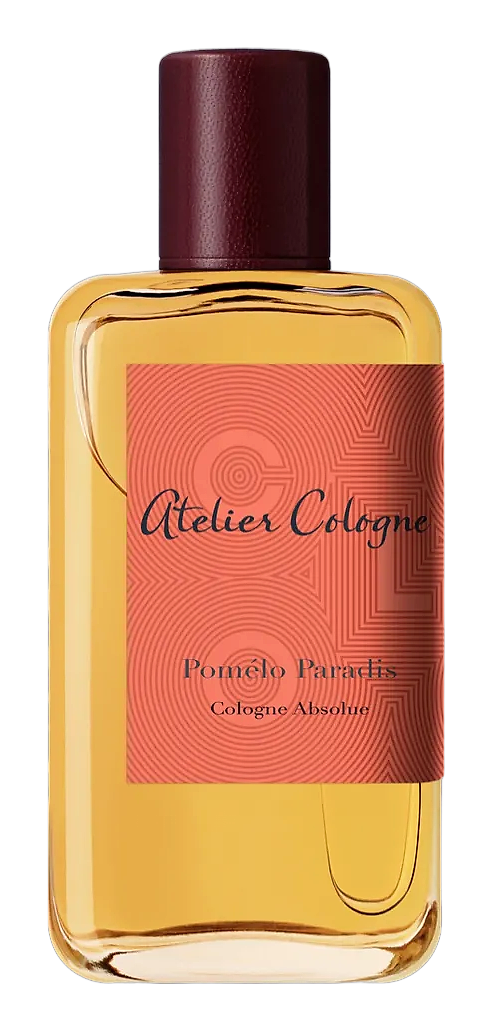
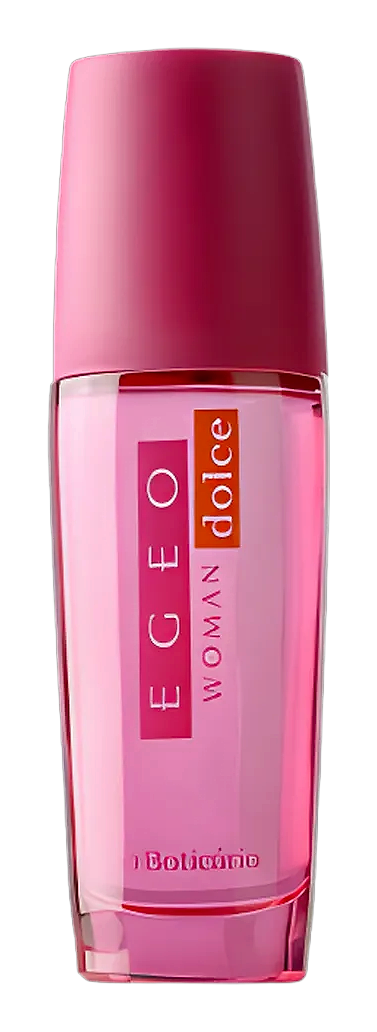

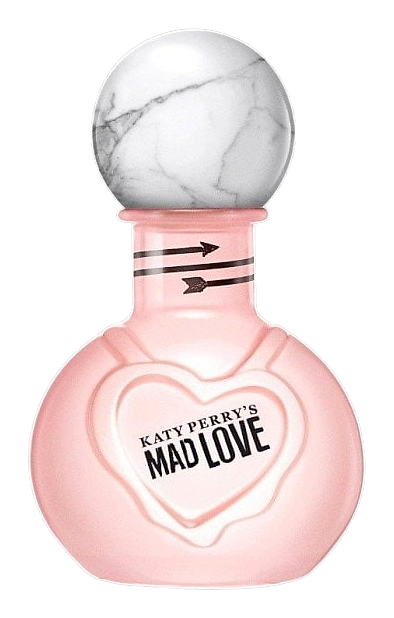
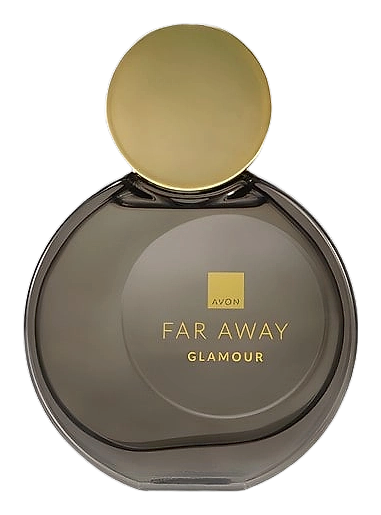
Brands
Brands known for Pink Grapefruit
Good to know
Questions, answered
The essentials on Pink Grapefruit in perfumery: how it smells, where it comes from, and how it behaves on skin.
What does pink grapefruit smell like in perfume?
Pink grapefruit delivers a juicy, tart citrus scent with a distinctive bittersweet edge from the inner peel. Unlike lemon or bergamot, it carries a subtle sweetness that prevents it from reading as purely sour. The overall impression is bright, optimistic, and energizing.
Is pink grapefruit oil natural or synthetic?
Both forms exist in perfumery. Natural pink grapefruit oil comes from cold pressing the fruit peel, while synthetic versions typically center on nootkatone, a molecule that captures the essential character of grapefruit aroma. Most commercial fragrances use synthetic pink grapefruit for batch-to-batch consistency.
Where does pink grapefruit oil originate?
The fruit originated in Barbados in the mid-18th century as a hybrid between pomelo and sweet orange. Today, major production for perfumery comes from Florida and California, where subtropical climates produce consistent harvests of the blush-fleshed variety.
What fragrance families pair well with pink grapefruit?
Pink grapefruit anchors bright citrus compositions and pairs naturally with marine notes, mint, white florals, and green accords. It also cuts through heavier bases featuring woods or musks, keeping compositions from becoming too dense.
How long does pink grapefruit last in a fragrance?
Pink grapefruit appears almost exclusively in top notes because its volatile aromatic molecules dissipate within 15 to 30 minutes on skin. Fragrances that open with pink grapefruit typically transition quickly to heart notes, so the initial impression is brief but impactful.
Does pink grapefruit appear in both men's and women's fragrances?
Yes. The citrus family transcends gender categories in modern perfumery. Pink grapefruit shows up in fresh colognes marketed to men, in bright florals for women, and in countless unisex compositions seeking an accessible, energizing opening.
What role does pink grapefruit play in fragrance pyramid structure?
Pink grapefruit functions as a top note, meaning it provides the first impression when you spray a fragrance. Perfumers use it to create immediate freshness and brightness, drawing the wearer in before the heart and base notes develop.
What affects the price of pink grapefruit fragrance ingredients?
Natural cold-pressed oil costs more than synthetic alternatives due to agricultural inputs, harvest labor, and limited seasonal availability. Synthetic nootkatone-based variants offer a cost-effective, consistent option for high-volume fragrance production.