
The Story
Why it exists.
The beginning
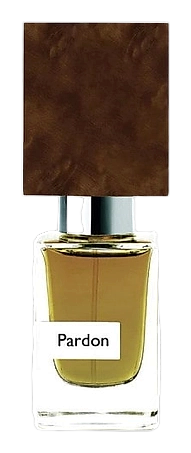
Alessandro Gualtieri founded Nasomatto in Amsterdam in 2007, building the house on instinct rather than market analysis. Pardon arrived in 2011 with a deceptively simple premise: evoke the persuasion of masculine elegance and charm. The name carries its double meaning, both the act of excusing and the state of being forgiven, which Gualtieri treated not as a contradiction but as a texture of confidence. The fragrance captures restraint as a form of strength, a composition that does not need to announce itself to be felt.
Gualtieri designed Pardon with contrasts in mind: magnolia's floral delicacy against dark chocolate's richness, tonka bean's sweetness against oud's depth. The placement of magnolia in the opening rather than the heart signals that this fragrance begins with softness before building into something more serious. Cinnamon bridges the two phases, warming the transition from floral sweetness to woody depth. The drydown is where Gualtieri's instincts show most clearly, using oud and sandalwood not to overwhelm but to anchor, providing a base that allows the earlier notes to be remembered rather than forgotten.
The evolution
Magnolia opens the journey, its creamy white floral notes giving way to a heart built around dark chocolate and tonka bean. Cinnamon weaves through the middle, adding warmth that makes the edible notes feel Intimate rather than sweet. As the drydown takes hold, oud and sandalwood settle the composition into a woody, resinous base that lingers quietly. The arc moves from delicate floral to warm sweetness to grounded wood, each transition intentional and earned. By the final stage, the fragrance has shed its initial softness without abandoning it entirely, leaving a composed impression that reflects the name's dual promise of charm and forgiveness.
Cultural impact
Among enthusiasts, Pardon has carved a specific audience: those who appreciate patchouli-forward scents but seek refinement over rawnity. The white floral and chocolate pairing offers warmth and sophistication. Cold-weather and evening wear dominate the reception picture, with strong projection that becomes Intimate once it settles. The fragrance rewards those who stay with it past the initial magnolia phase, revealing depth that casual encounters miss. Wearers describe it as a statement piece, the kind of scent that draws compliments precisely because it doesn't announce itself but instead unfolds over hours.
The House
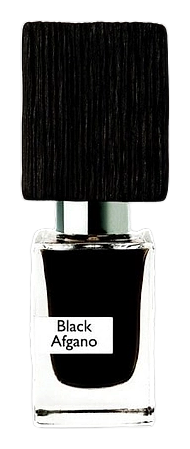
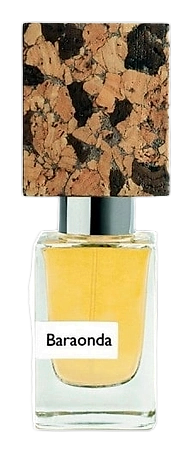
NasomattoNasomatto is an Amsterdam-based niche fragrance house founded by Italian perfumer Alessandro Gualtieri. The name translates to "crazy nose" in Italian, a self-aware nod to the brand's deliberately provocative approach to perfumery. Gualtieri established the house in 2007 after departing the traditional fragrance industry, where he had grown frustrated with commercial constraints. The brand occupies a singular position in niche perfumery, operating on instinct rather than market research, and refuses to publish ingredient lists for its compositions. Instead, Nasomatto offers only abstract, evocative descriptions that invite personal interpretation. Each fragrance arrives as an extrait de parfum, prioritizing longevity and intensity. The collection spans roughly a dozen releases since 2007, including standouts like Black Afgano (inspired by cannabis), the woody-baritone Duro, the whiskey-tinged Baraonda, and the provocative Pardon. The brand maintains a cult following among enthusiasts who seek fragrance as artistic expression rather than mere grooming.
The Creator
Alessandro GualtieriGualtieri works at the extremes of perfumery. His creations lean animalic, resinous, and confrontational, often built around dense concentrations that last hours on skin.