The Story
Why it exists.
The beginning
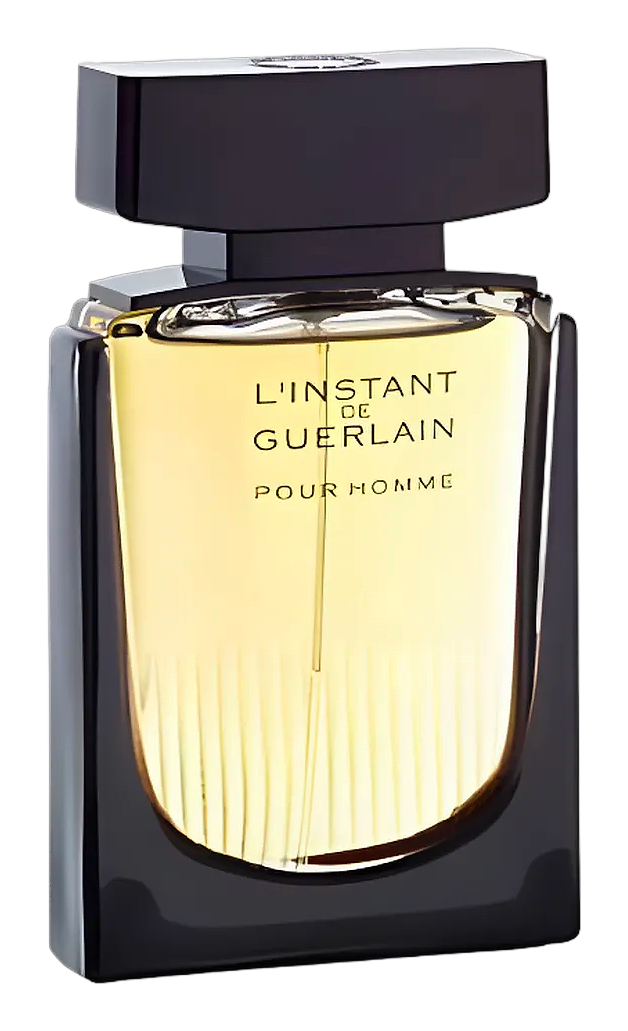
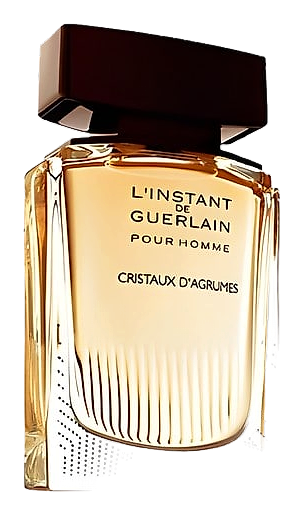
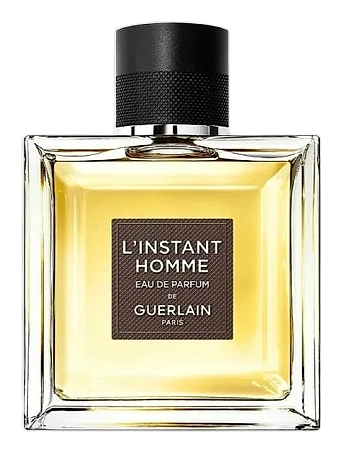
L'Instant de Guerlain pour Homme arrived in 2004 as the masculine counterpart to the house's 2003 feminine success. Béatrice Piquet built it around a central tension: citrus brightness against cocoa warmth, sharpened by star anise. The brief was deceptively simple, compose something that surprised. Not safe. Not expected. The name itself says it all: a single, specific moment captured in scent, the kind that doesn't repeat.
What makes this composition unusual is the anise. It sits in the top notes alongside the citrus, adding a sharp, almost medicinal quality that most masculine fragrances avoid. But Piquet doesn't hide it. She lets it cut through the lemon and bergamot, creating an opening that announces itself. The heart, cacao, tea, lavender, softens everything that follows. It's the move from confrontation to conversation.
The evolution
The opening hits hard. Lemon and bergamot arrive bright and confident, grapefruit adding a slight bitterness. The star anise is the tell, it announces itself before retreating, that herbal bite lingering in the background of the citrus for the first twenty minutes. Then the hand-off. The heart arrives quietly but firmly: cocoa at the center, warm and slightly sweet, supported by cedar, sandalwood, and a whisper of tea. The lavender keeps things from getting too heavy. By the third hour, the base takes over. Natural musk and hibiscus seed create a soft, powdery close that stays intimate. Elemi resin adds just enough resinous warmth to keep it interesting. The sillage starts strong, noticeable for the first hour, then settles into something closer to the skin. Eight to ten hours of wear. The next morning, a faint trace of sandalwood and cocoa remains on well-moisturized skin.
Cultural impact
L'Instant de Guerlain pour Homme occupies an unusual position in the Guerlain men's lineup, neither the aquatic freshness of Habit Rouge nor the animalic power of Mouchoir de Monsieur. It carved out its own territory: citrus-forward but unconventional, woody but never heavy, seductive without being obvious. The anise note alone has kept it memorable in a category full of safer choices. Wearers who return to it tend to cite that opening as the reason, the one thing that distinguishes it from everything else on their shelf.
The House
GuerlainGuerlain stands as one of the oldest and most revered perfume houses in the world, founded in Paris in 1828 by Pierre-François-Pascal Guerlain. What began as a boutique on rue de Rivoli quickly became the preferred destination for Parisian society, attracting dandies and elegant women who sought custom-crafted fragrances. The house's influence grew to such heights that Guerlain earned the title of Official Perfumer to Napoleon III after presenting Eau de Cologne Impériale to Empress Eugénie as a wedding gift in 1853. This royal patronage marked the beginning of Guerlain's enduring association with European aristocracy, as the house went on to create fragrances for Queen Victoria and Queen Isabella II of Spain. Today, under the creative direction of Thierry Wasser, the fifth-generation perfumer, Guerlain continues to shape the landscape of fine fragrance with a portfolio spanning over 1,100 olfactory creations. The house remains headquartered at its legendary Champs-Élysées mansion, a historic monument that anchors Guerlain's position at the intersection of heritage and contemporary luxury.
The Creator
Béatrice PiquetThe signature of Piquet’s work lies in precise structure and daring contrast. She favors crisp top notes such as bergamot, pink pepper, or red berries, then anchors them with warm woods, amber, or resinous bases.