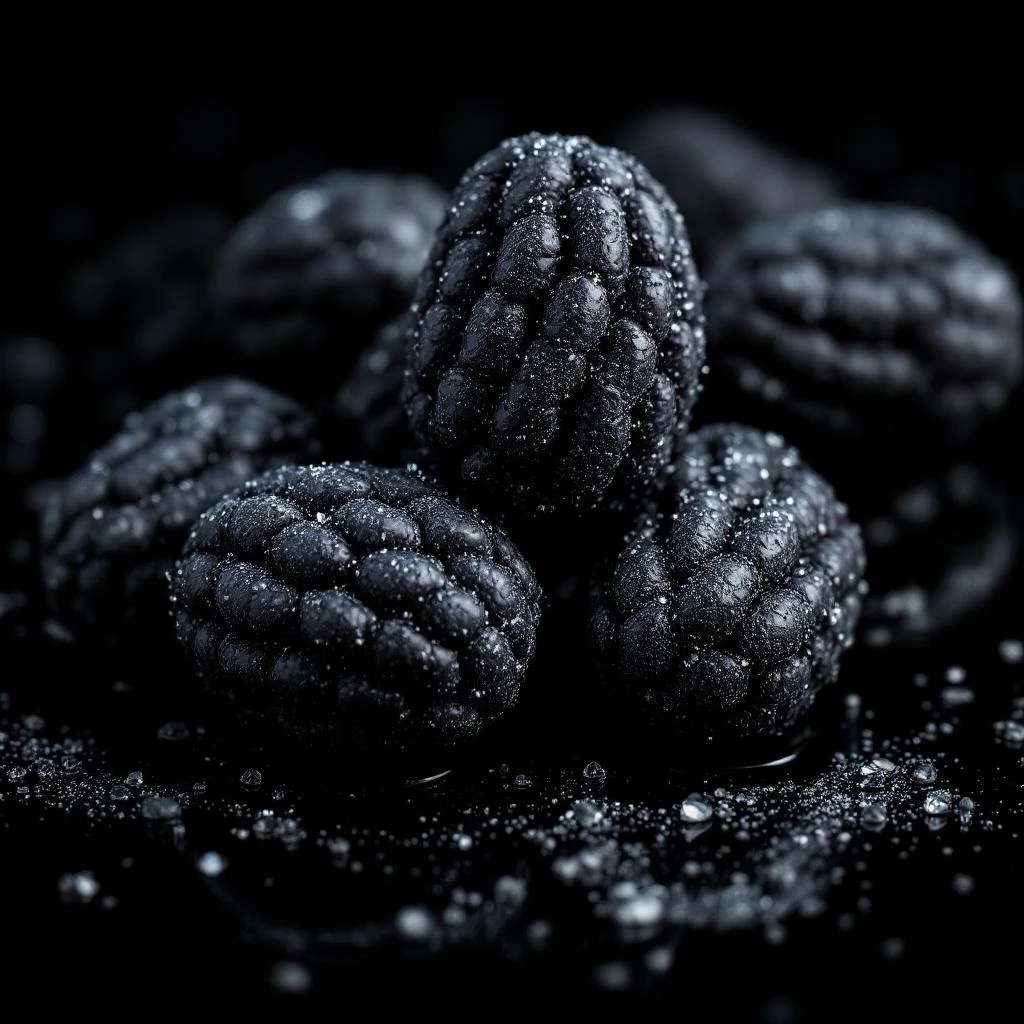
Hibiscus Seed
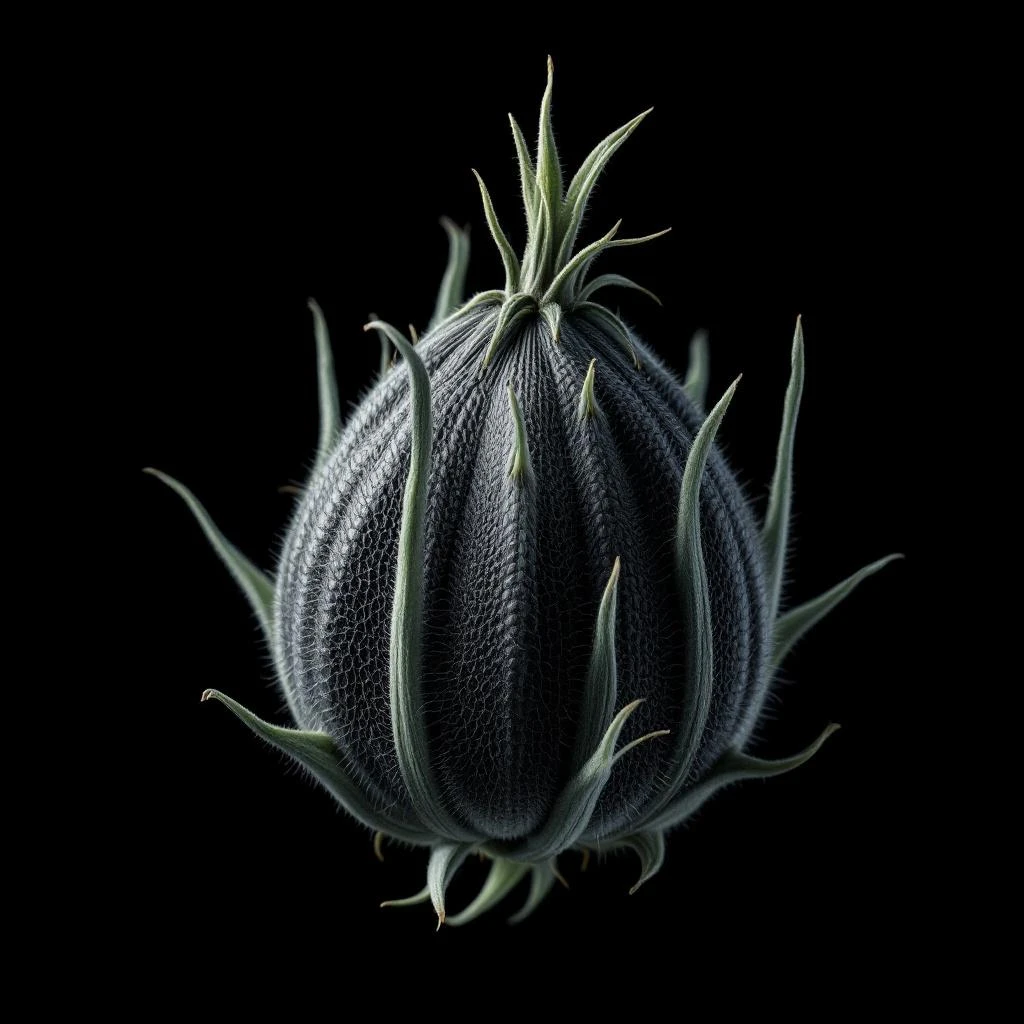
Ambrette seed delivers one of nature's rarest musks—a warm, vegetable-like aroma once reserved for only the most expensive perfumes. Extracted from the seeds of Hibiscus abelmoschus, this botanical provides perfumers with a sustainable alternative to animal-derived musks.
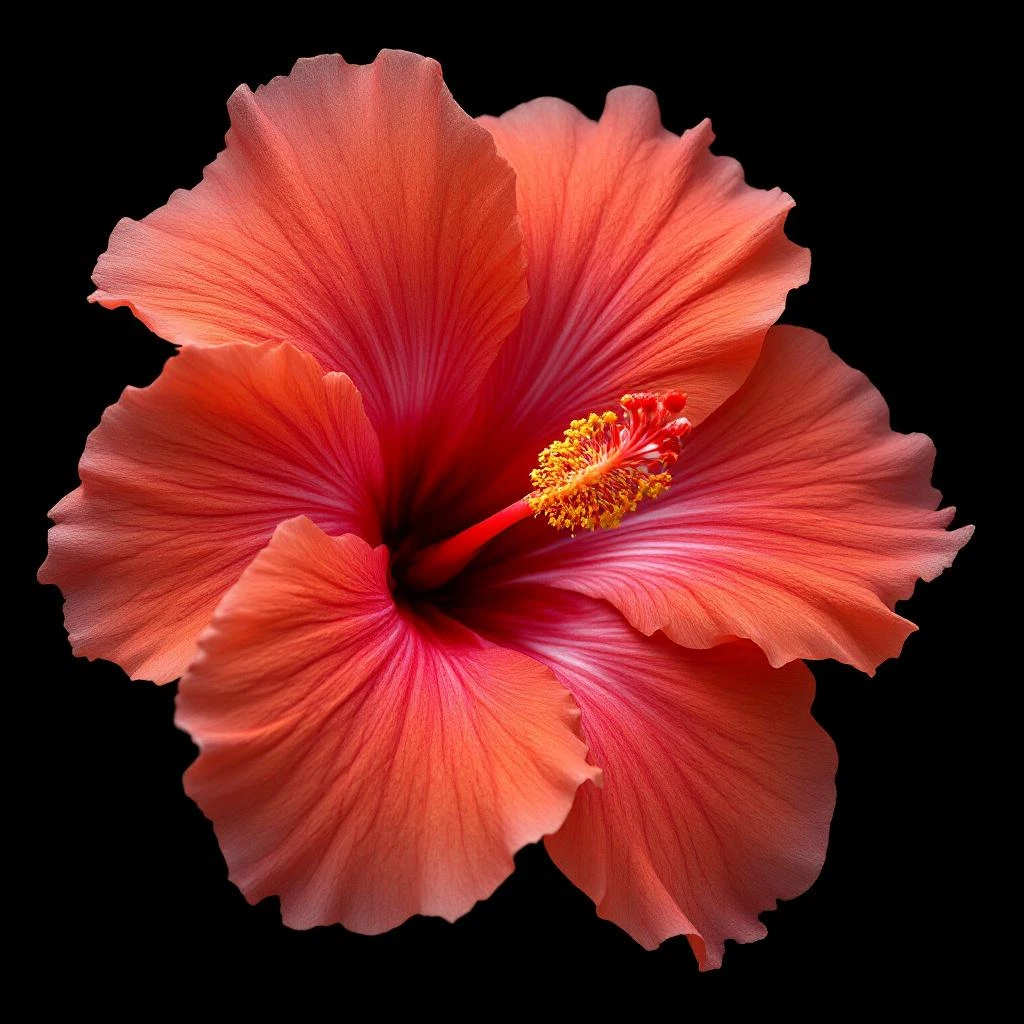
Character
How it smells
The botanical musk that started it all.
Ambrettolide, the primary aromatic in ambrette seed, was the first natural musk compound ever chemically characterized—and its structure closely mirrors synthetic nitro-musks.





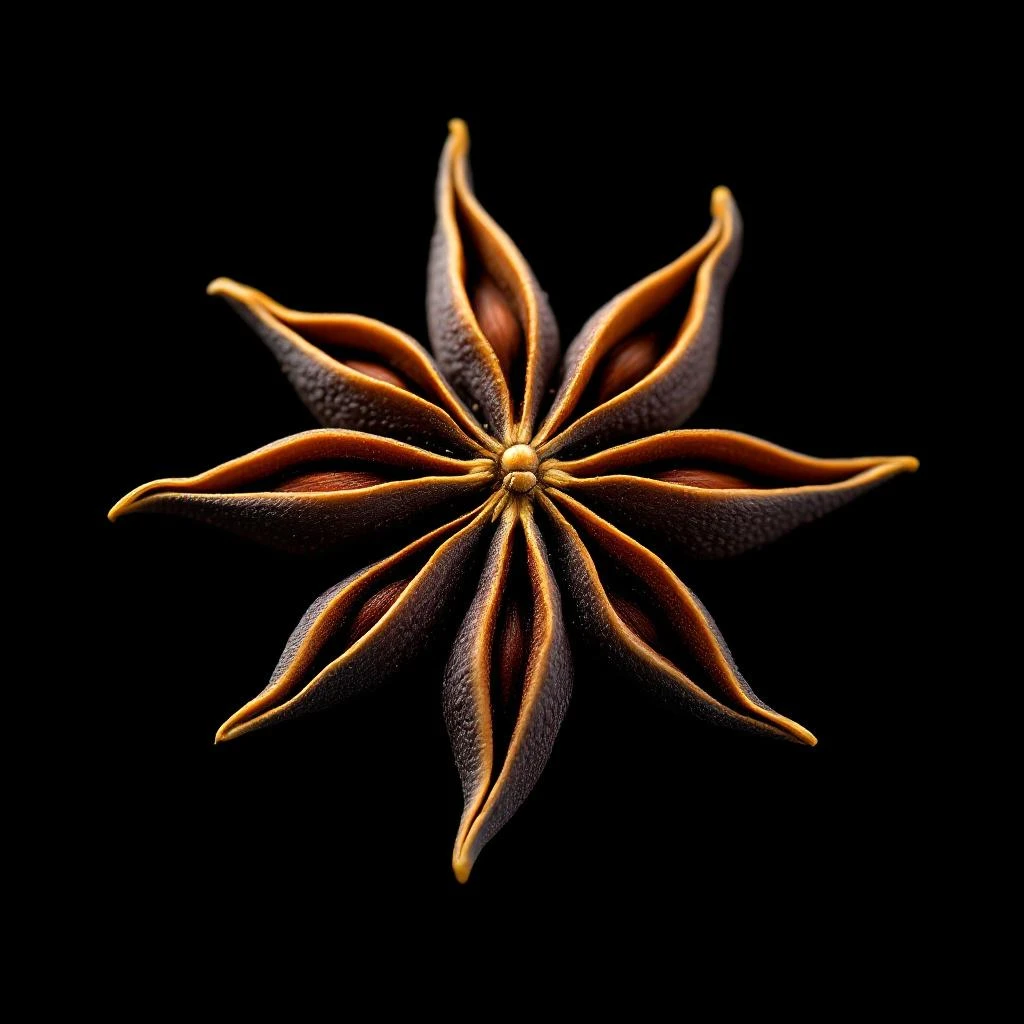


Origin
India
Ambrette (Hibiscus abelmoschus) earned its common name from its distinctive musky aroma. Native to India, this plant spread through tropical regions and became prized by perfumers in the 19th century when natural musks commanded extraordinary prices. The seeds served as a crucial botanical source of musk before synthetic alternatives emerged.
In traditional medicine across South Asia and North Africa, practitioners used ambrette seeds for their warming and calming properties. The plant's journey from traditional remedy to perfumery staple reflects the broader story of botanical ingredients finding their place in luxury fragrance.
Wears it best
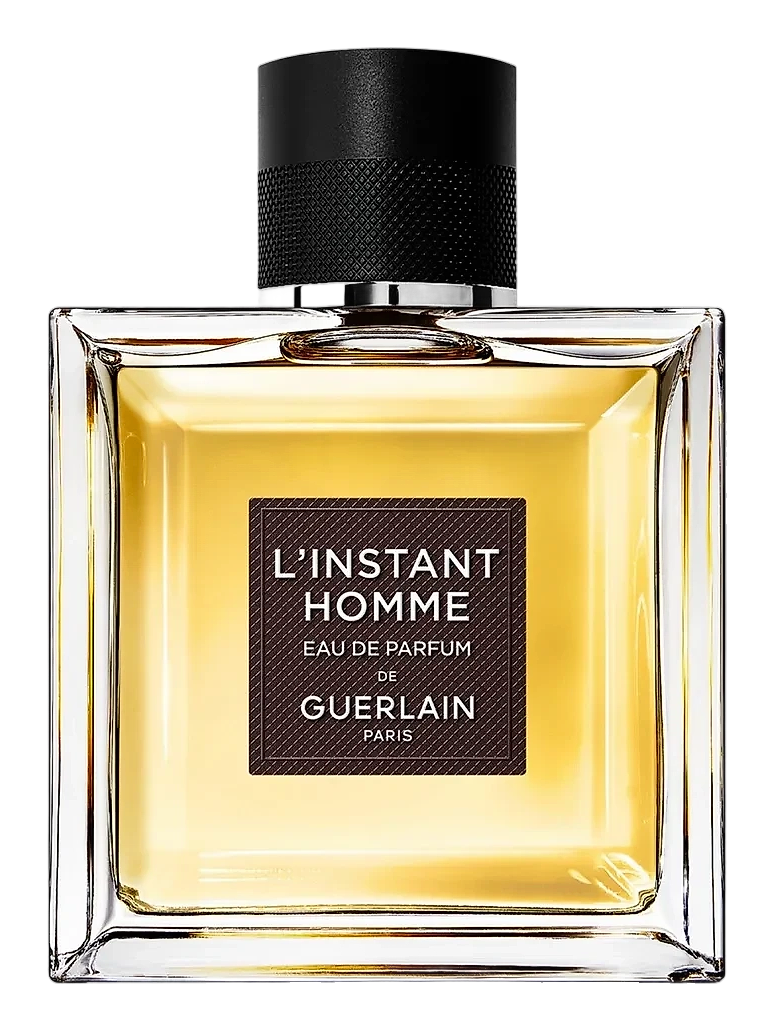
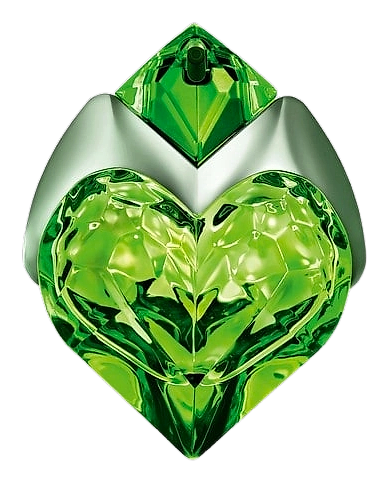
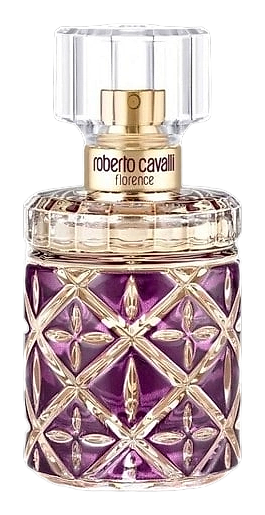
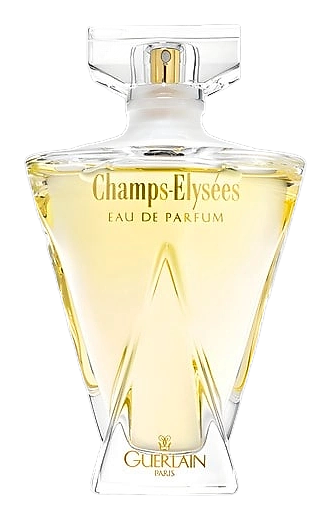
Fragrances featuring Hibiscus Seed
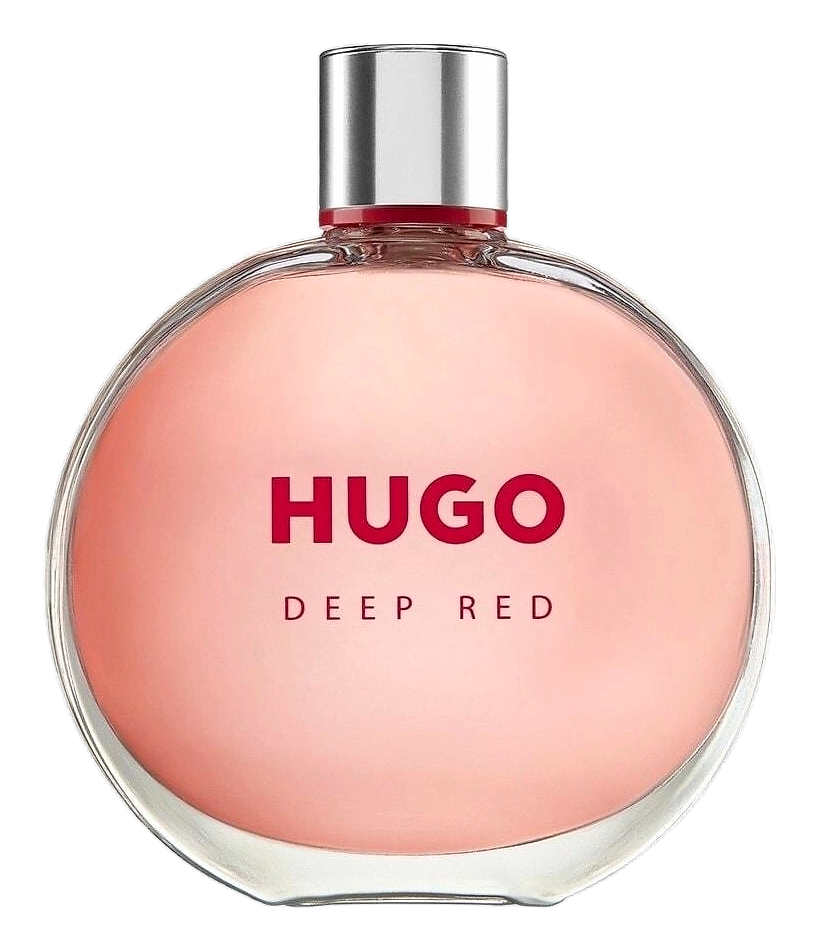
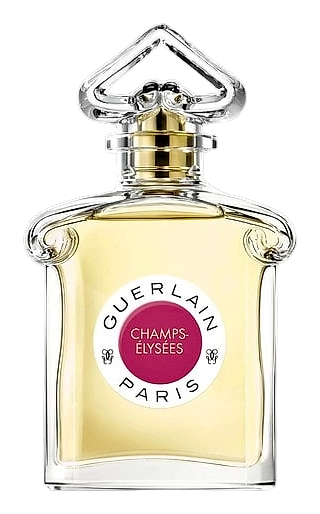
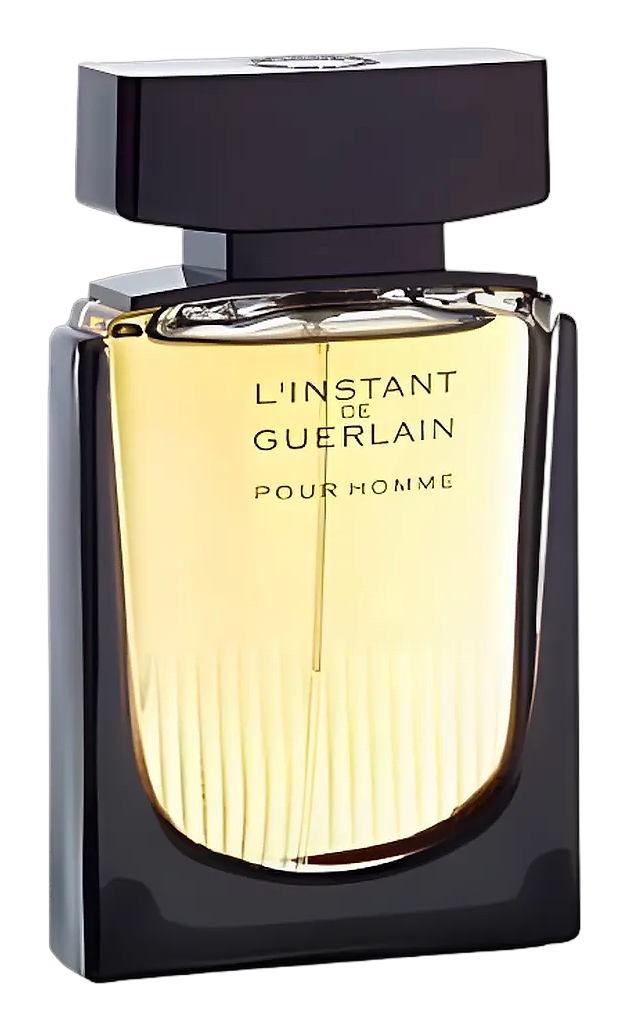
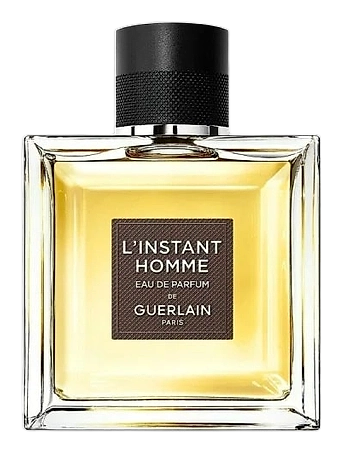
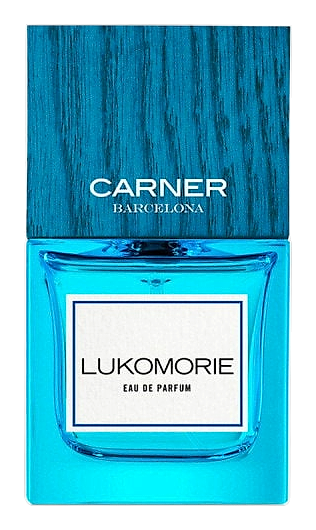
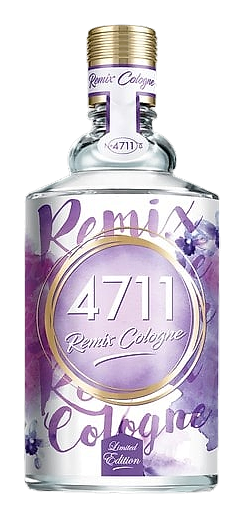
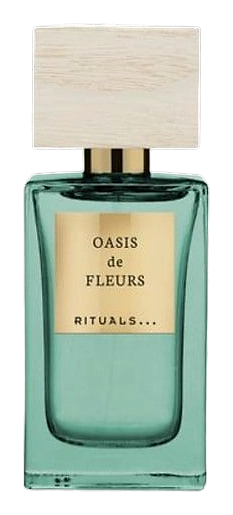
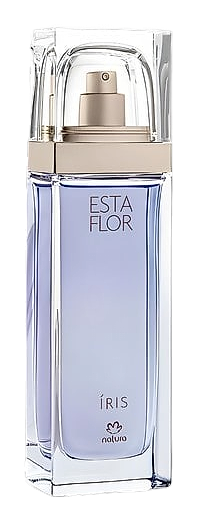
Brands
Brands known for Hibiscus Seed
Good to know
Questions, answered
The essentials on Hibiscus Seed in perfumery: how it smells, where it comes from, and how it behaves on skin.
What fragrance family does ambrette seed belong to?
Ambrette seed provides a warm, musky note classified within the animalic fragrance family. It offers a vegetable-like musk with subtle sweet and herbaceous undertones that blend well with florals and woods.
Is ambrette seed used as a fixative?
Yes, ambrette seed extract acts as a natural fixative due to its macrocyclic lactones, which slow the evaporation of more volatile top notes and extend the longevity of a fragrance composition.
How does ambrette compare to synthetic musks?
Ambrette seed provides a more complex, nuanced aroma than most synthetic musks. Its macrocyclic lactones create a natural, skin-like quality that synthetic alternatives often struggle to replicate authentically.
What gives ambrette seed its characteristic musky scent?
Ambrettolide, a macrocyclic lactone, is the primary odorant. This compound was the first natural musk ever chemically identified, establishing the chemical class that defines modern perfumery musks.
Is ambrette seed sustainable to use?
Yes. Unlike animal-derived musks from civet or musk deer, ambrette seed offers a renewable botanical source. The seeds can be harvested without destroying the parent plant.
What other ingredients pair well with ambrette seed?
Ambrette seed harmonizes with warm florals like ylang-ylang, rose, and iris. It also pairs excellently with woods such as sandalwood and vetiver, as well as spices like cardamom.
What is the difference between ambrette seed and hibiscus flower notes?
Ambrette seed produces a deep, musky aroma from its seed coat, while hibiscus flower provides bright, tropical, slightly acidic notes. They share the botanical family but contribute entirely different scent profiles.
Has ambrette seed been used historically in perfumery?
Historically, ambrette seed served as one of the primary botanical musk sources before synthetic musks emerged in the late 19th century. It was reserved for the most expensive perfumes due to its rarity and potency.