Cacao
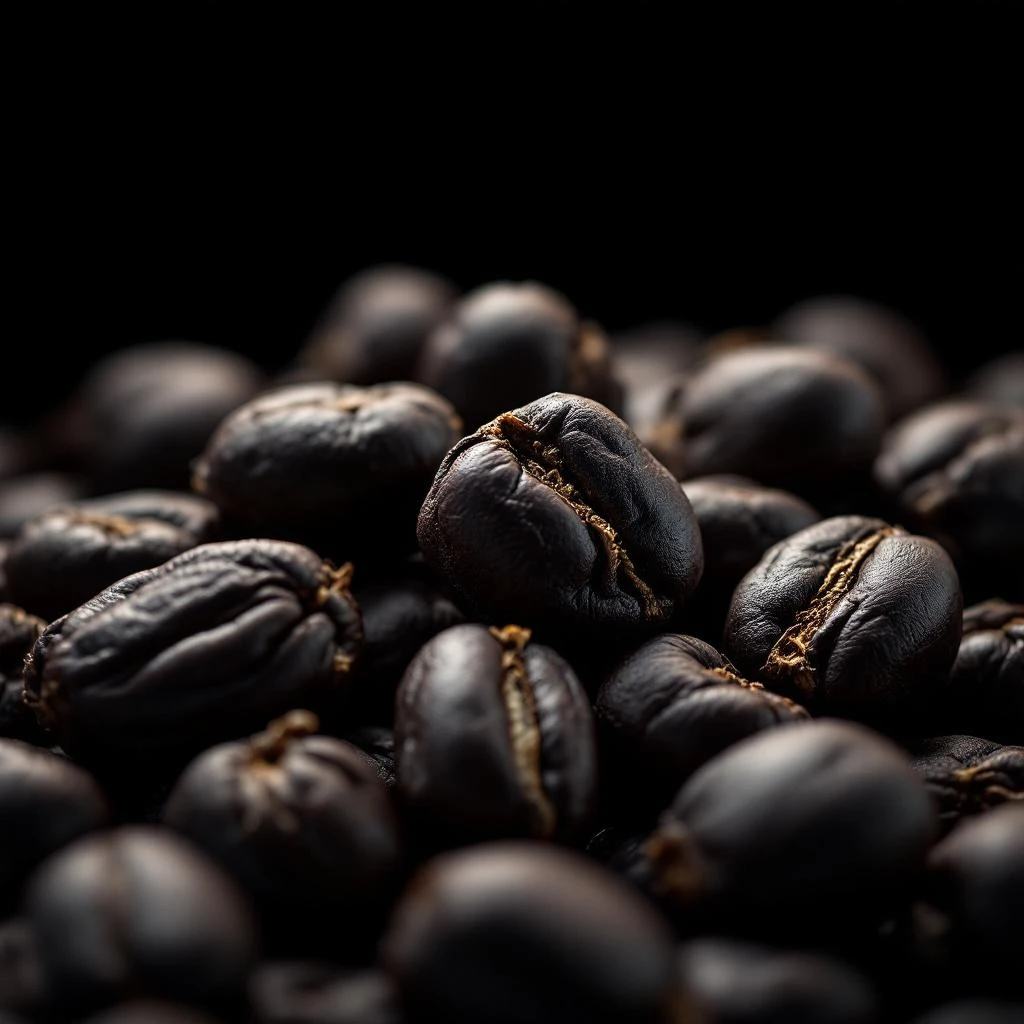
Roasted, fermented cacao beans release a dark, bittersweet aroma that anchors gourmand and oriental fragrances. The perfumer's material carries notes of bitter cocoa, dry earth, and faint toasted wood far richer than any confection.

Character
How it smells
Dark, bittersweet, and unmistakably edible.
Cacao holds the rare scientific name Theobroma, coined by Linnaeus in 1753, meaning food of the gods, a tribute to its sacred status in Olmec and Maya ritual from at least 1500 BCE.






Origin
Mexico
The story of cacao begins in the lowland rainforests of Mesoamerica. The Olmec and Maya cultivated Theobroma cacao by at least 1500 BCE, grinding the bitter seeds into a frothy, spiced drink reserved for rituals, weddings, and courtly banquets. The Aztec empire later demanded cacao beans as tribute and used them as currency, valuing them more than gold dust.
Spanish conquistadors carried the bean to Europe around 1528, where court chocolatiers at Versailles and Madrid transformed the drink by adding sugar, vanilla, and cinnamon, softening its austere bitterness. Cacao entered perfumery later, through the late 19th century shift toward edible-smelling accords. Early modern compositions used cocoa absolute to lend warmth and depth to oriental and chypre structures.
The 1990s gourmand wave, led by Thierry Mugler Angel in 1992, cemented cacao as a cornerstone of edible perfumery. Today it appears across genders and concentrations, from extrait to body cream, valued for the dry, roasted bitterness it lends to compositions built around sweetness.
Wears it best
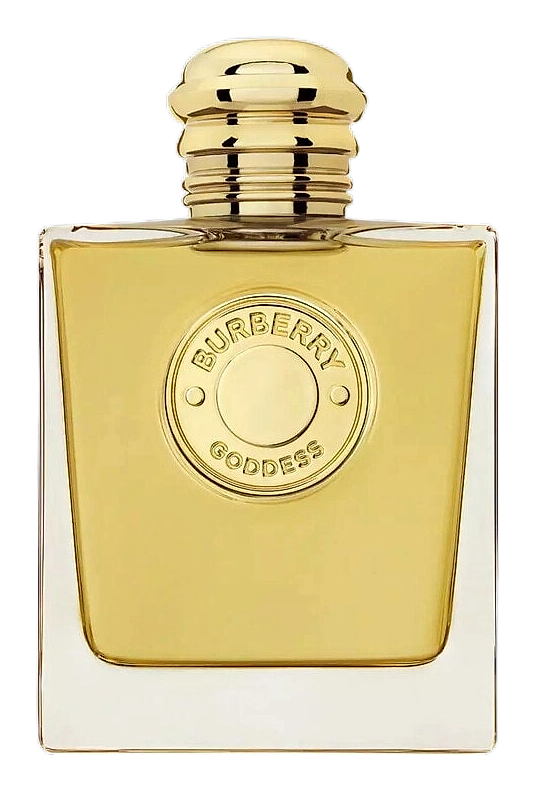
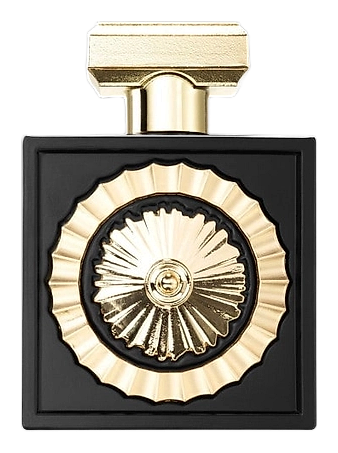
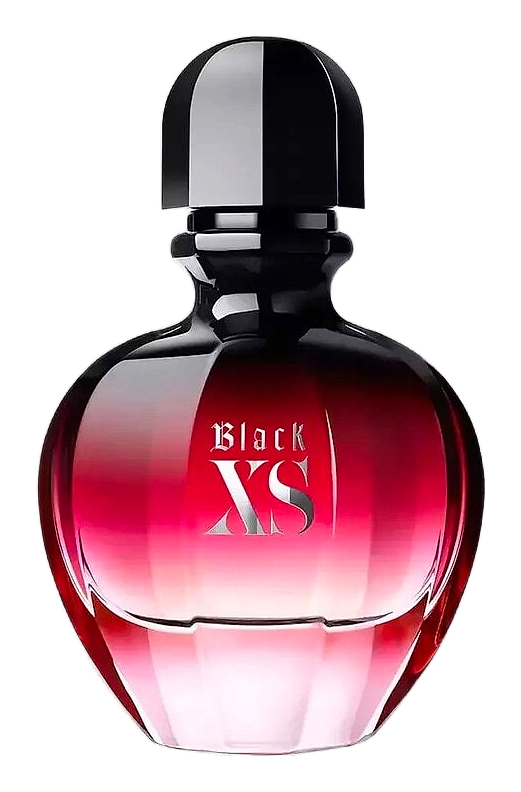
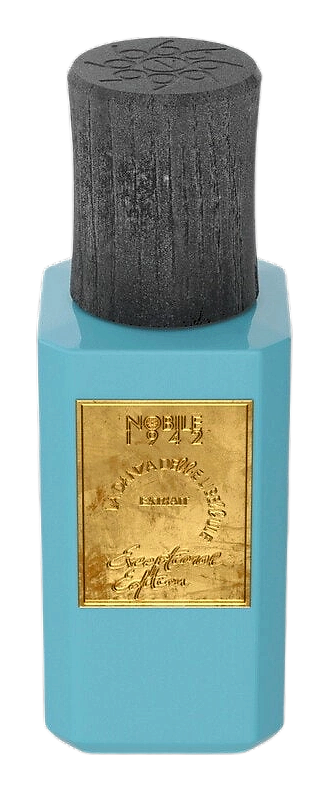
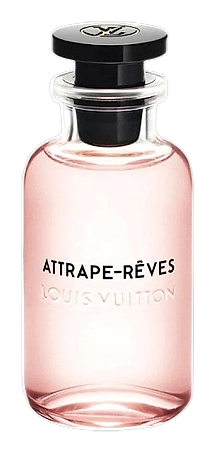
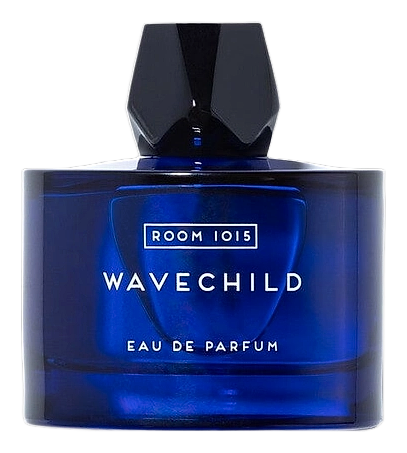
Fragrances featuring Cacao






Good to know
Questions, answered
The essentials on Cacao in perfumery: how it smells, where it comes from, and how it behaves on skin.
What does cacao smell like in perfume?
Cacao smells darker and more bitter than chocolate candy. It carries roasted, earthy, slightly woody notes with faint hints of tobacco and dried fruit, offering a dry warmth that anchors gourmand and oriental compositions without reading as sugary.
How is cacao absolute made?
Producers extract cacao absolute by treating fermented, roasted Theobroma cacao beans with a solvent such as cyclohexane. The resulting concrete is washed with alcohol to separate the absolute, yielding a dark, viscous material rich in pyrazines.
Is cacao a top, heart, or base note?
Cacao is a base note. Its heavy molecules and low volatility give it excellent staying power on skin, providing a long-lasting bitter warmth that supports fleeting citrus and floral top notes.
What is the difference between cacao and chocolate notes?
Cacao in perfumery refers to the raw, roasted bean aroma, which is bitter, dry, and earthy. Chocolate notes typically combine cacao with sugar, vanilla, and milk accords, producing the sweeter, creamier scent most people associate with confectionery.
Where does cacao originally come from?
Cacao originates in Mesoamerica. The Olmec and Maya cultivated Theobroma cacao by at least 1500 BCE in present-day Mexico and Central America, where they consumed it as a bitter ceremonial beverage long before sugar reached Europe.
Is cacao natural or synthetic in perfumery?
Most cacao in fine perfumery is natural, sourced as an absolute or CO₂ extract from roasted beans. Some compositions use synthetic pyrazines or theobromine accords to reinforce specific roasted or bitter facets at lower cost.
Can cacao extracts trigger allergies?
Cacao absolute contains low levels of naturally occurring allergens and can be sensitizing in rare cases. Most regulatory bodies classify it as a low-risk fragrance material when used at standard dilution levels.



