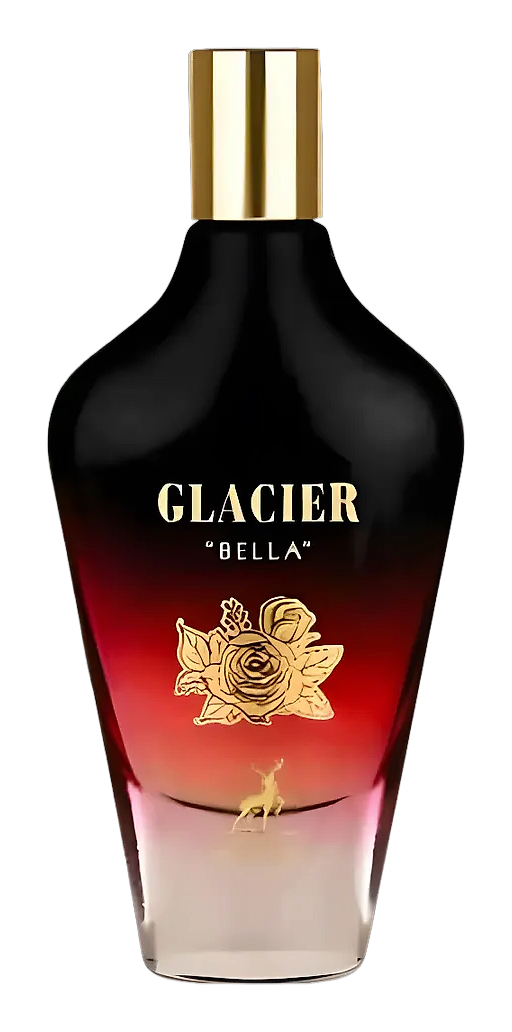
    Brand Profile

    Maison Alhambra is a fragrance house based in the United Arab Emirates, operating as a subsidiary of Lattafa Perfumes Industries L.L.C., a c…More

    United Arab Emirates·Est. 2020·Site

    3

    Fragrances

    4.4

    Rating

    3
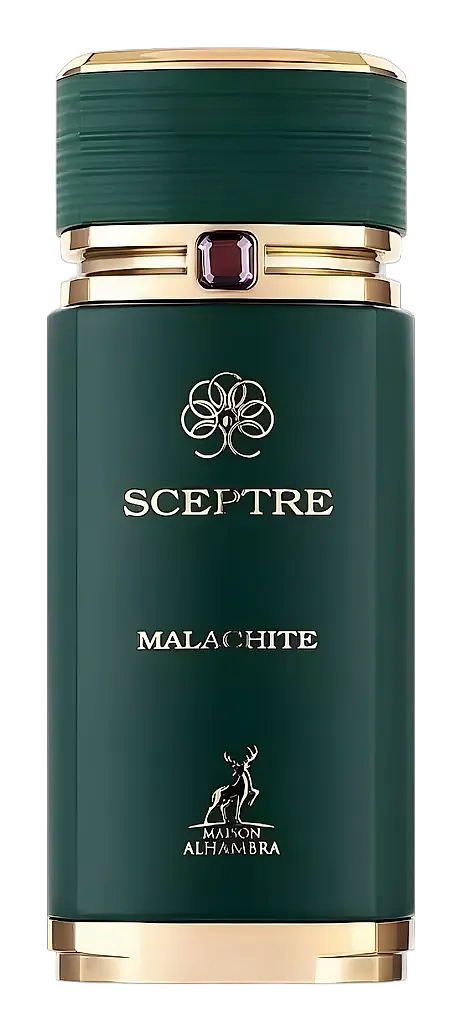
    Sceptre Malachite by Maison Alhambra – Eau de Parfum
    Best Seller
    4.5

    Sceptre Malachite

    Eau de Parfum

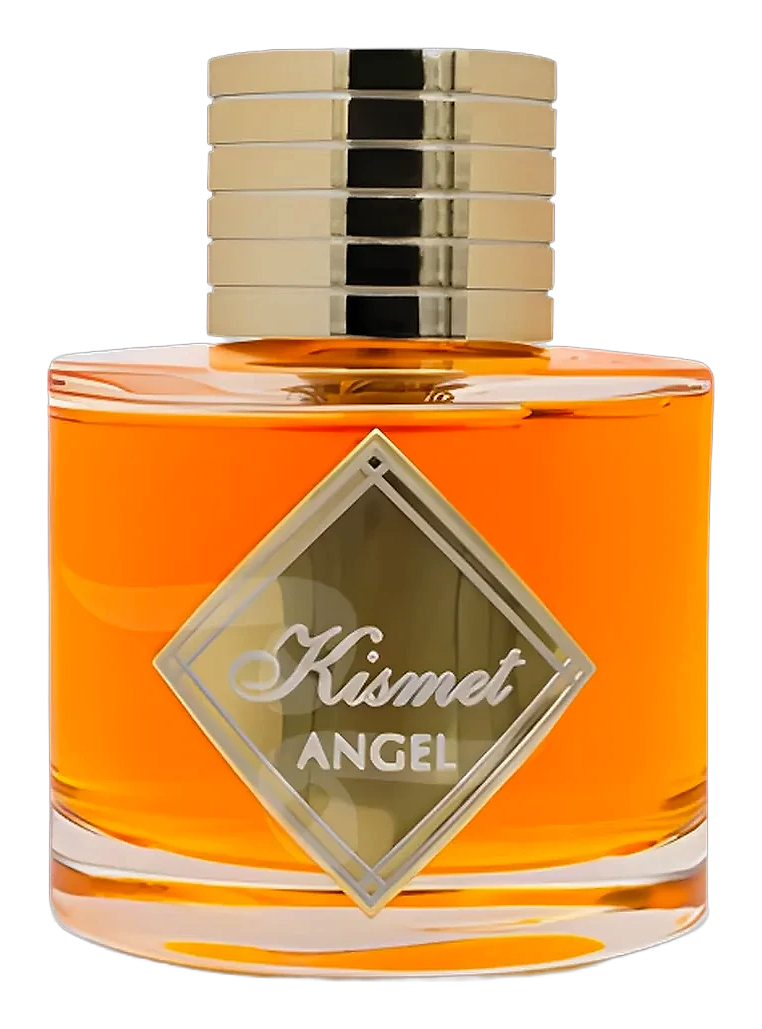
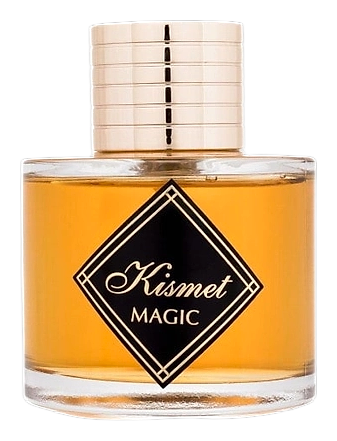
    Kismet Magic by Maison Alhambra – Eau de Parfum
    Best Seller
    4.4

    Kismet Magic

    Eau de Parfum

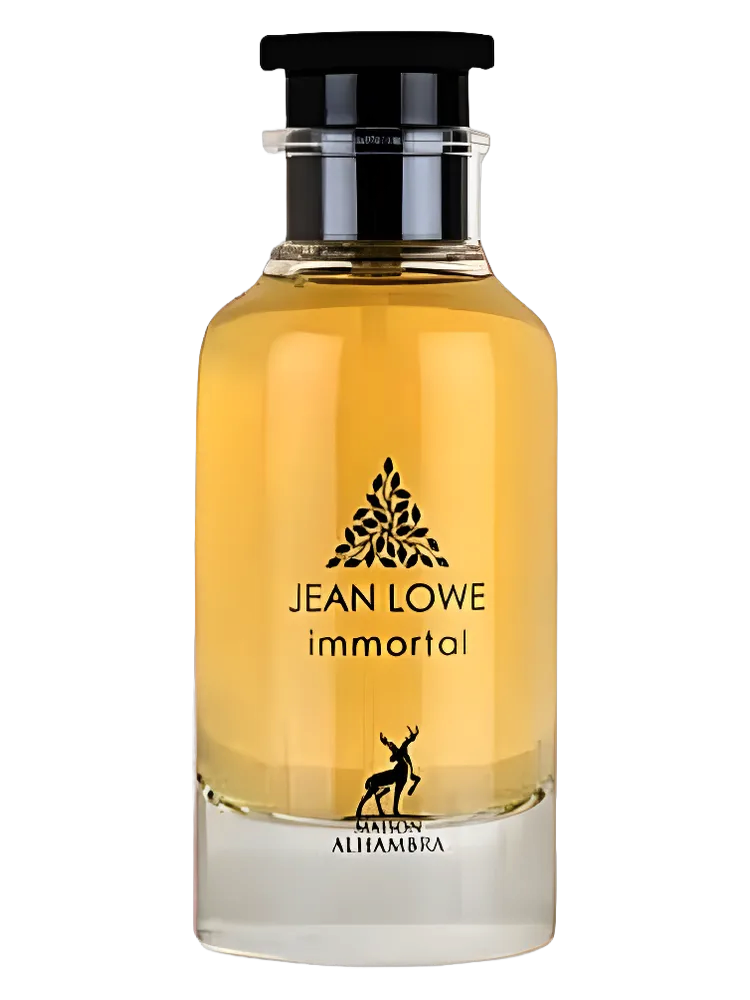
    Jean Lowe Immortal by Maison Alhambra – Eau de Toilette
    Best Seller
    4.3

    Jean Lowe Immortal

    Eau de Toilette

    Haltane by Parfums de Marly
    Coming Soon

    Haltane

    Parfums de Marly

    Baccarat Rouge 540 by Maison Francis Kurkdjian
    Coming Soon

    Baccarat Rouge 540

    Maison Francis Kurkdjian

    Aventus by Creed
    Coming Soon

    Aventus

    Creed

    The Heritage

    The Story of Maison Alhambra

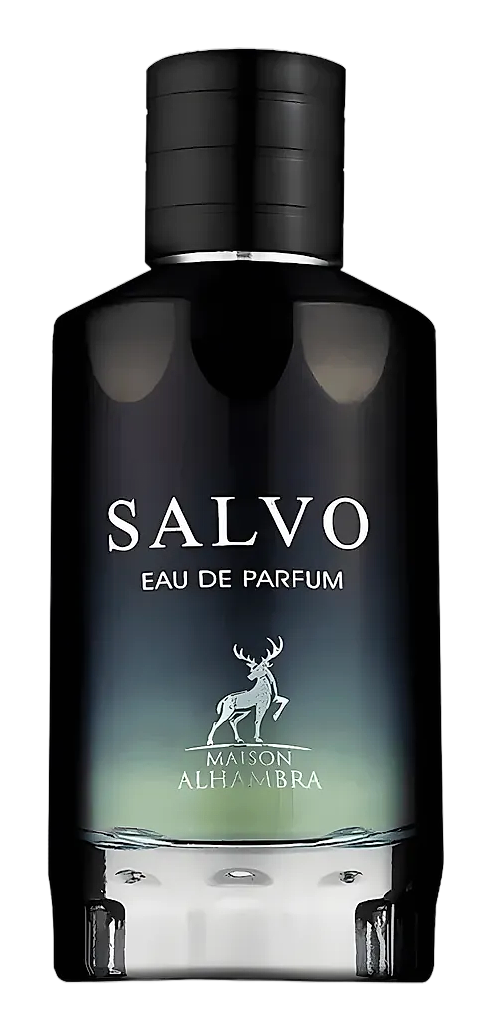
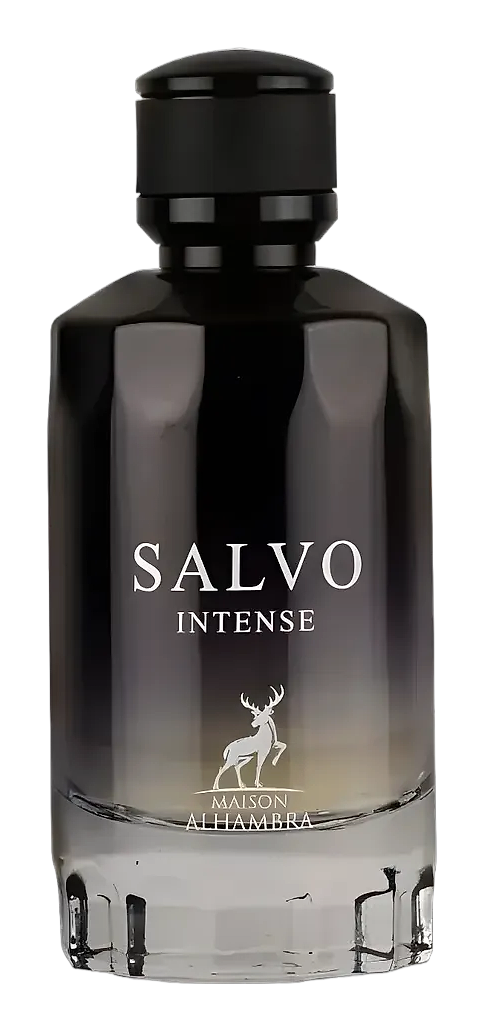
    Maison Alhambra is a fragrance house based in the United Arab Emirates, operating as a subsidiary of Lattafa Perfumes Industries L.L.C., a company established in the UAE in 1980. The brand emerged around 2020 and rapidly built one of the most extensive catalogs in the affordable fragrance space, releasing well over 200 distinct scents by 2025. Maison Alhambra specializes in inspired interpretations of popular luxury and niche fragrances, offering formulations that closely echo established reference perfumes. The brand has developed a dedicated following among fragrance enthusiasts who value the ability to explore similar olfactory profiles at accessible price points. Offerings such as Salvo, Lava, Celeste, and Incense Ebony have become particularly well-regarded within collector communities. The house produces fragrances for both men and women across a wide range of scent families, from floral and fruity compositions to tobacco-forward and oud-based creations. Recent releases include Kismet Lunar Magic, The Aurum Luxura, and Desirable Addiction, all launched in 2025.

    Heritage

    The story of Maison Alhambra is inseparable from the story of its parent company. Lattafa Perfumes Industries L.L.C. was founded in the United Arab Emirates in 1980 by Sheikh Shahid Ahmad and a co-founder, establishing a manufacturing and creative base that would eventually grow into one of the most prolific fragrance production operations in the Middle East. For four decades, Lattafa built expertise in Arabic perfumery traditions, supplying markets across the Gulf region and gradually expanding its international footprint. The decision to launch Maison Alhambra as a distinct house sometime around 2020 reflected a strategic move to reach Western-facing consumers seeking accessible alternatives to high-priced luxury scents. By launching under a separate brand identity with its own naming conventions and visual identity, Lattafa created a vehicle for a different market positioning while drawing on the same production infrastructure, ingredient sourcing networks, and formulation capabilities that had supported the parent company for decades. The Alhambra name, inspired by the famed Moorish palace fortress in Granada, Spain, signals an aesthetic and cultural ambition that bridges Arabian perfumery traditions with European artistic heritage. Within a remarkably short span of roughly five years, Maison Alhambra built a catalog numbering in the hundreds, a pace of output that few fragrance houses of any size have matched. This rapid expansion positioned the brand at the center of a growing global conversation about accessible luxury in perfumery, attracting both enthusiastic adoption and critical scrutiny from fragrance communities worldwide.

    Craftsmanship

    Maison Alhambra draws upon the established production infrastructure of its parent company Lattafa Perfumes Industries, which has operated fragrance manufacturing in the UAE for over four decades. This legacy provides access to a mature supply chain for raw materials, formulation laboratories, and quality control processes developed across decades of large-scale fragrance production. The house employs what it describes as advanced extraction methods and meticulous formulation processes, aiming to preserve the purity and potency of its ingredients through to the final product. While the brand does not publicly name specific perfumers for most releases, it emphasizes the expertise involved in achieving complex, harmonious blends that stand up to comparison with their reference perfumes. Ingredient sourcing reportedly spans global origins, a common practice among fragrance houses operating at scale that allows for flexibility in achieving target scent profiles. Maison Alhambra's catalog spans multiple fragrance concentrations, primarily focusing on Eau de Parfum formulations known for their longevity and sillage. Performance characteristics have become one of the most discussed aspects of the brand among enthusiasts, with many formulations praised for projection and wear duration that rivals far more expensive competitors. The 2025 lineup illustrates this breadth, encompassing floral compositions like Precious Pink, rich oriental constructions like The Aurum Luxura, tobacco-anchored scents such as Desirable Addiction, and airy, lunar-themed work like Kismet Lunar Magic.

    Design Language

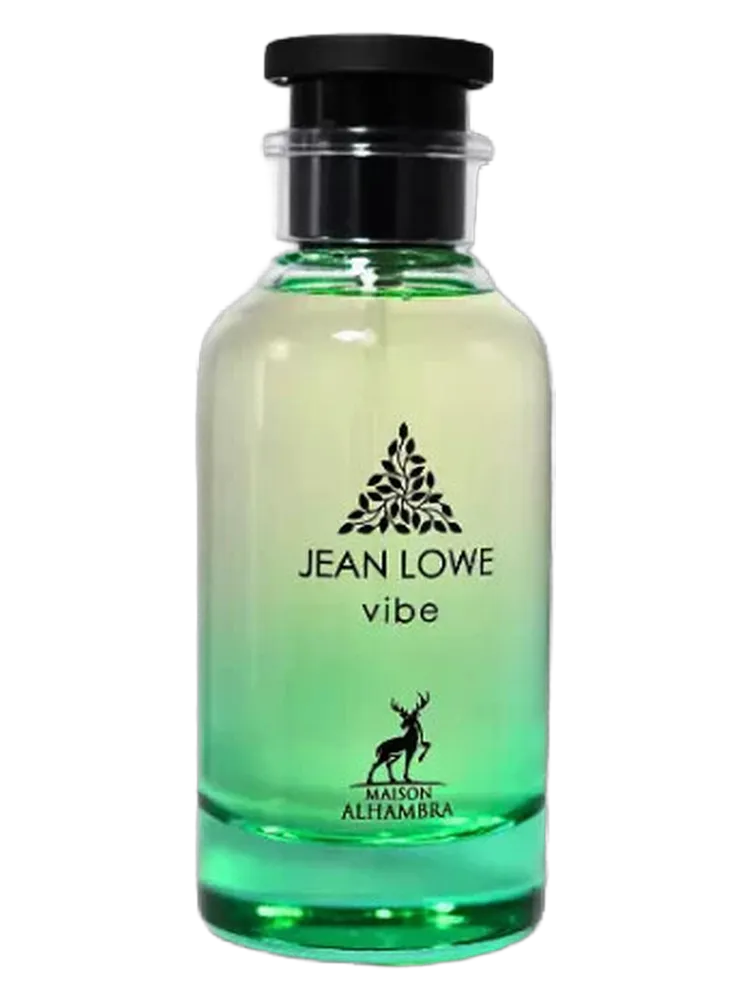
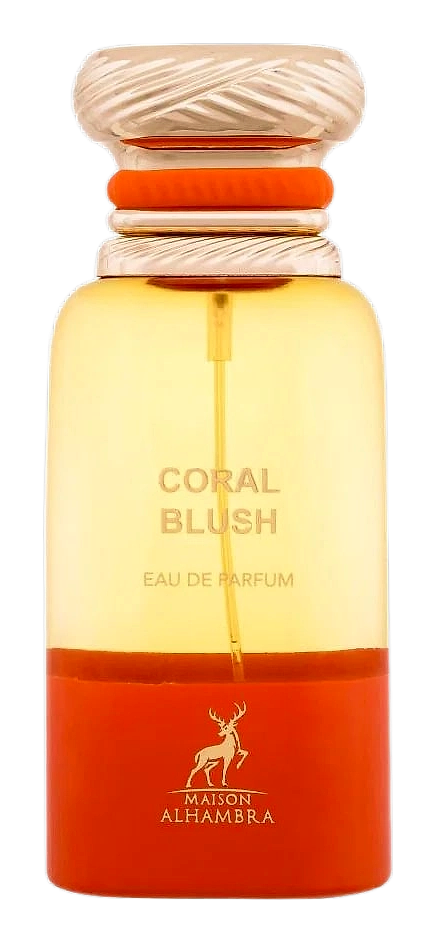
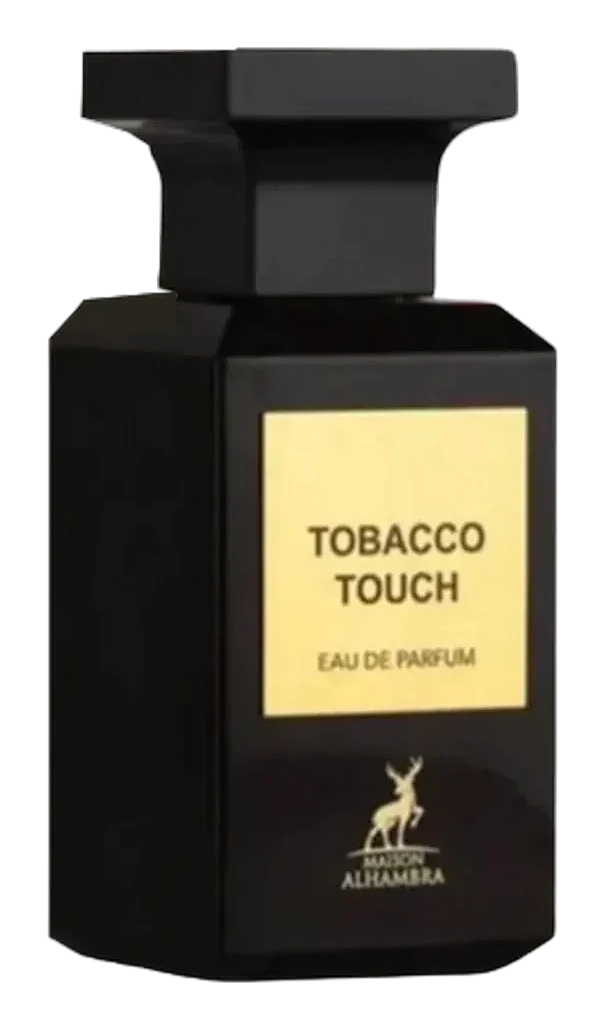
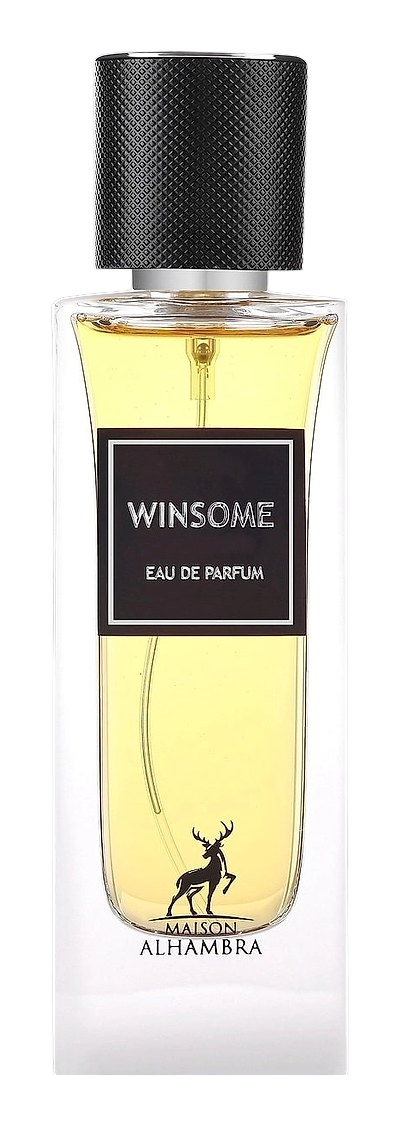
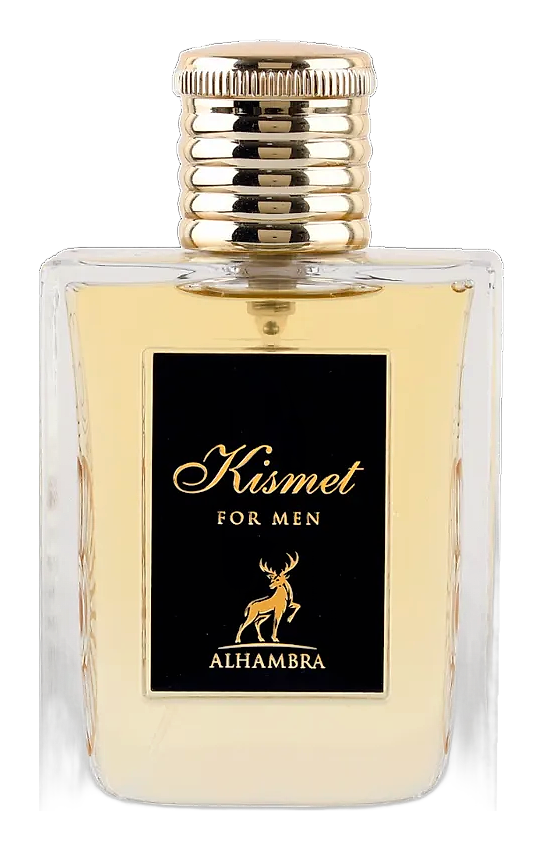
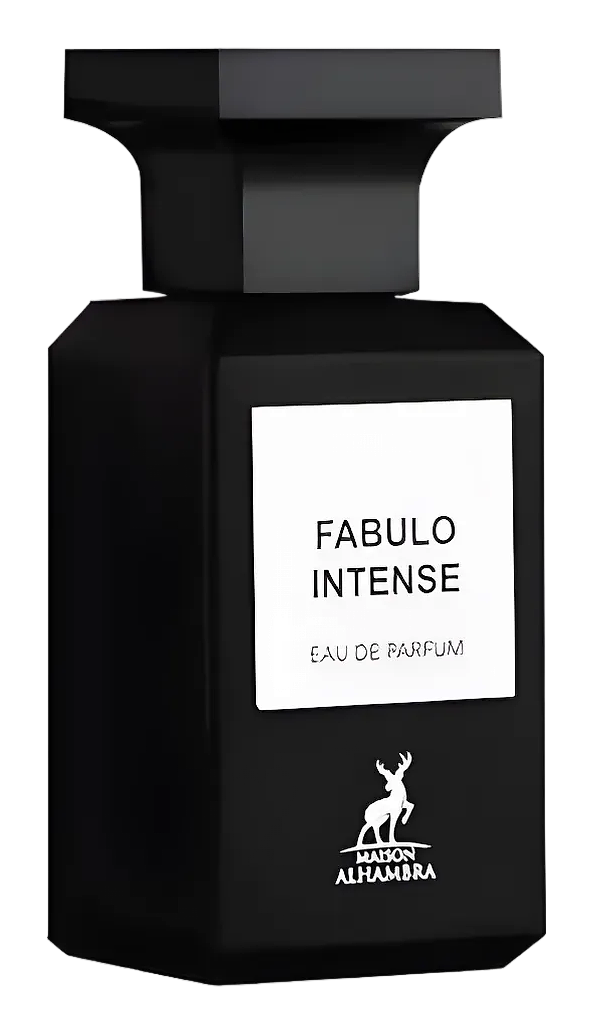
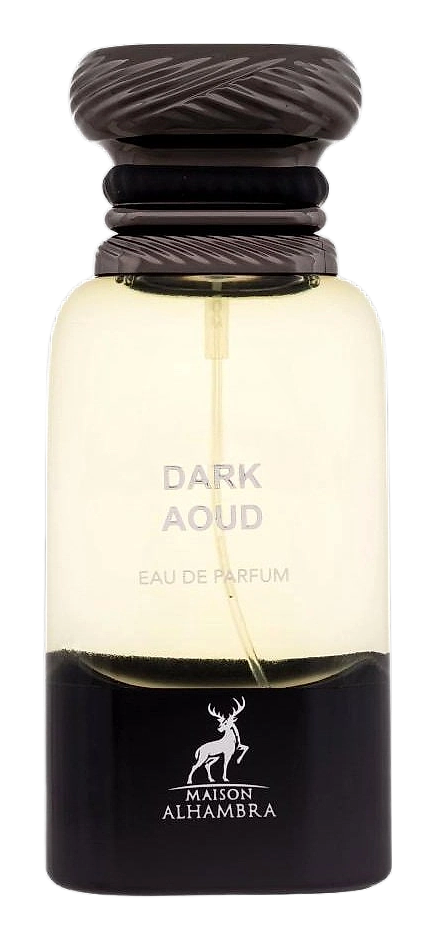
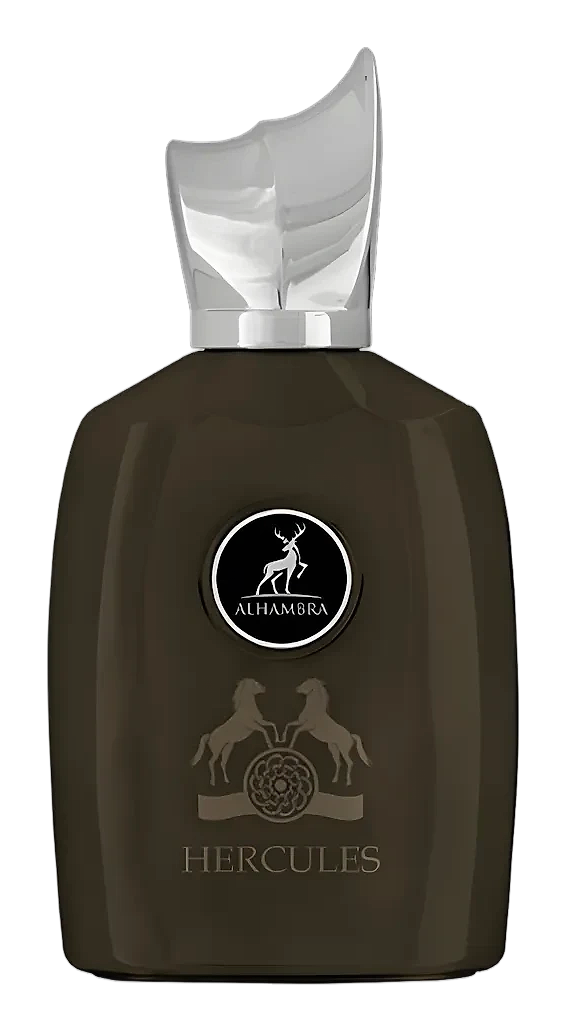
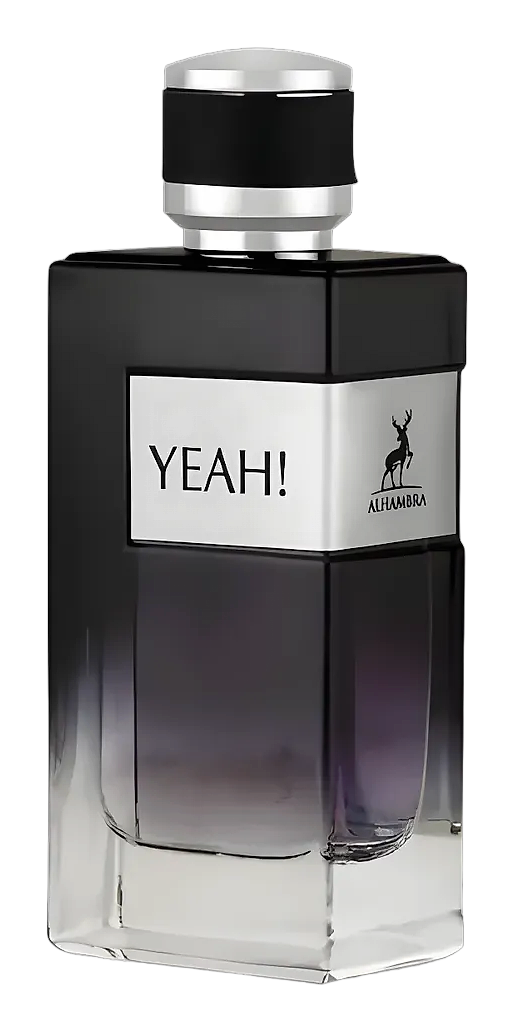
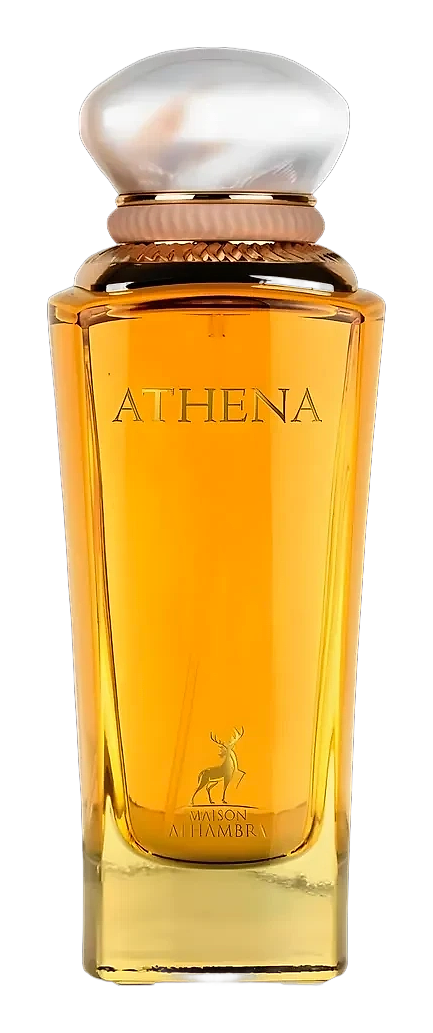
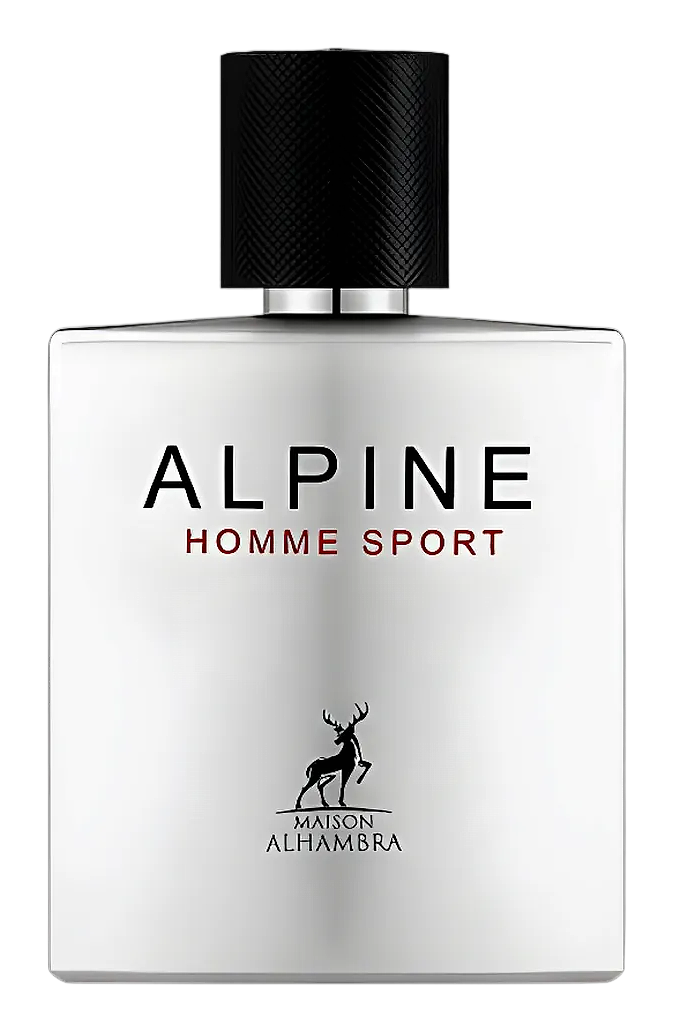
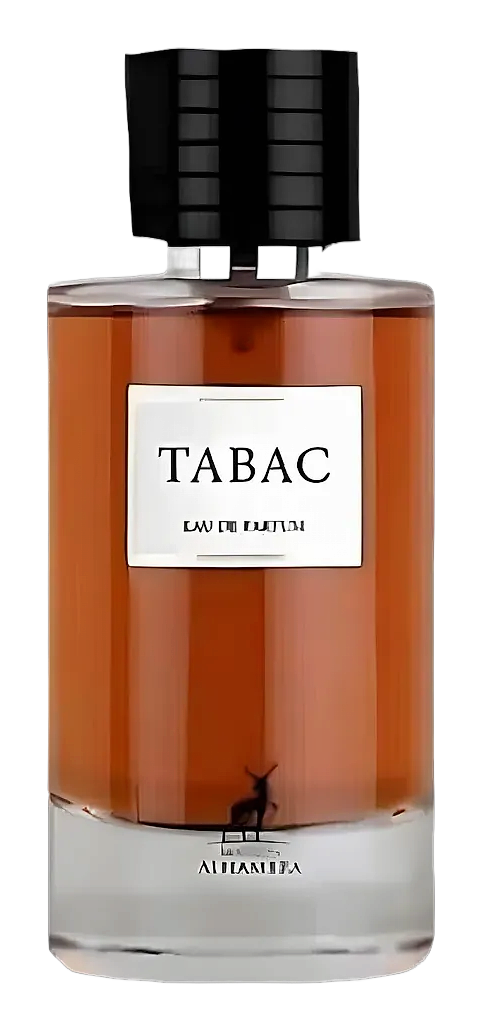
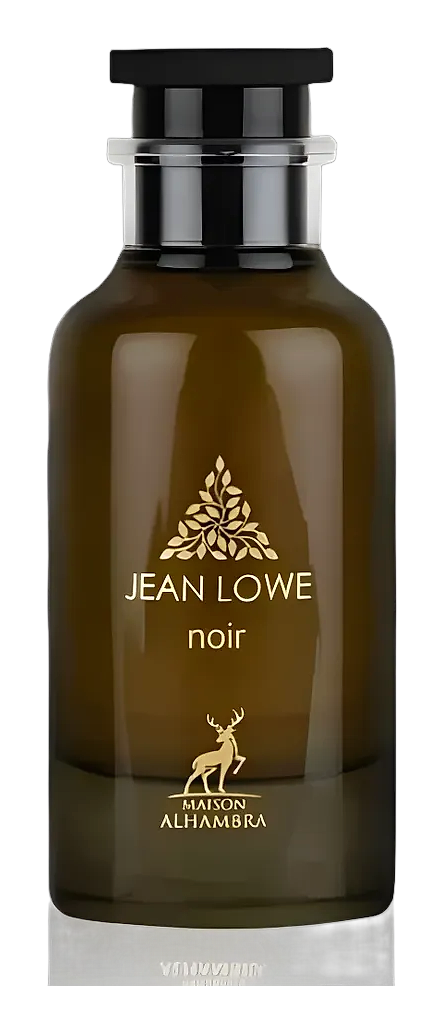
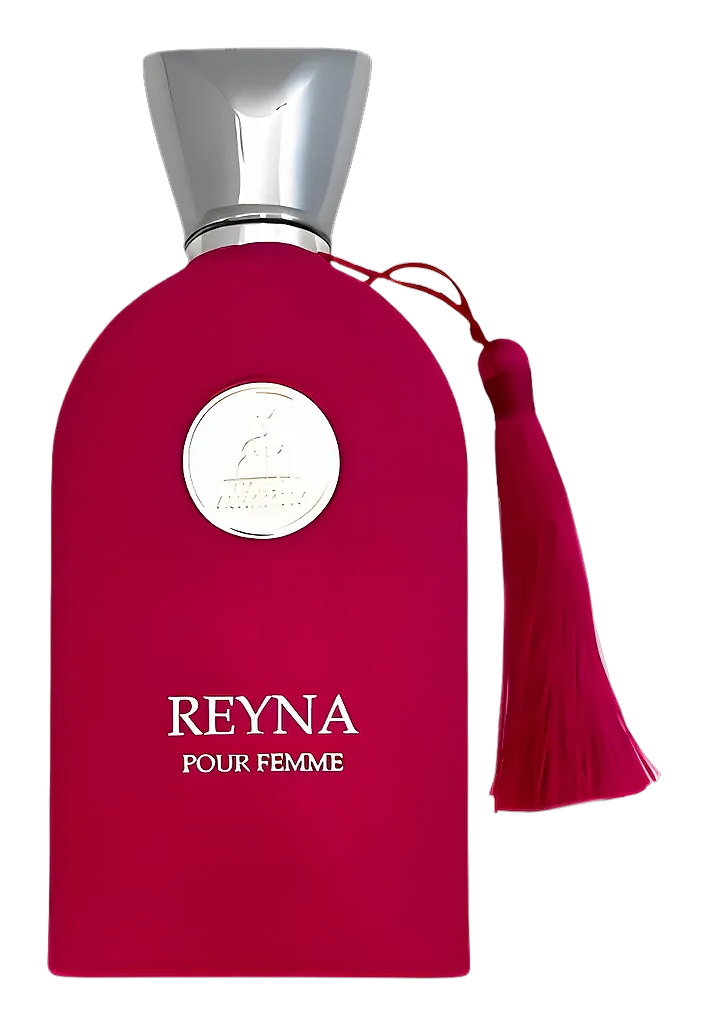
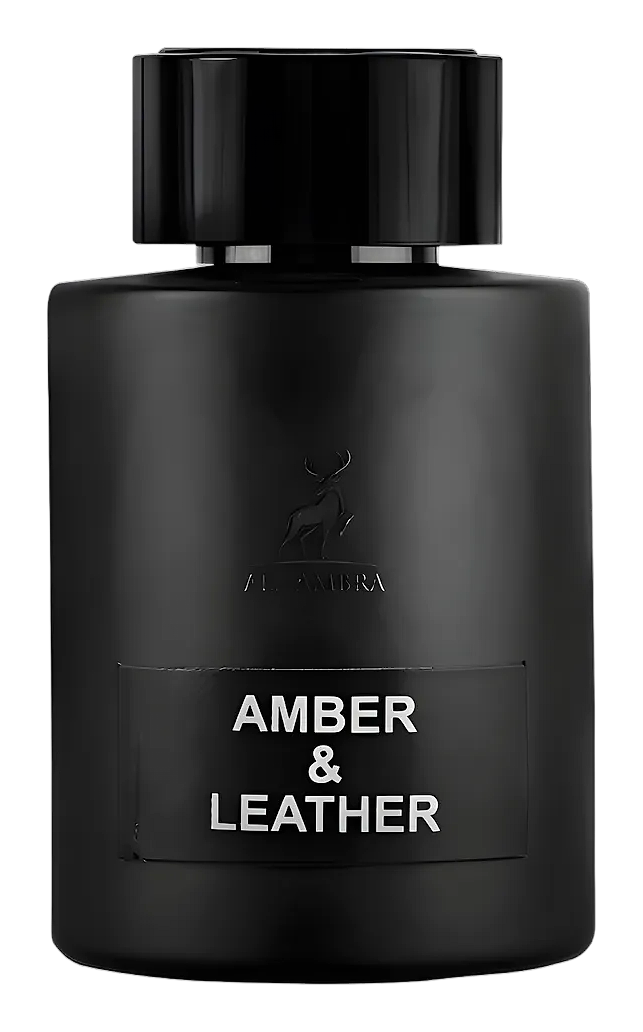
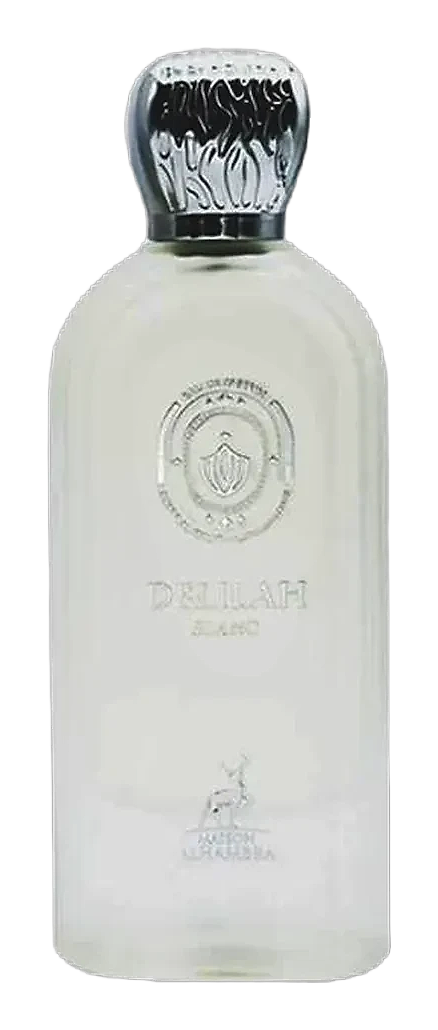
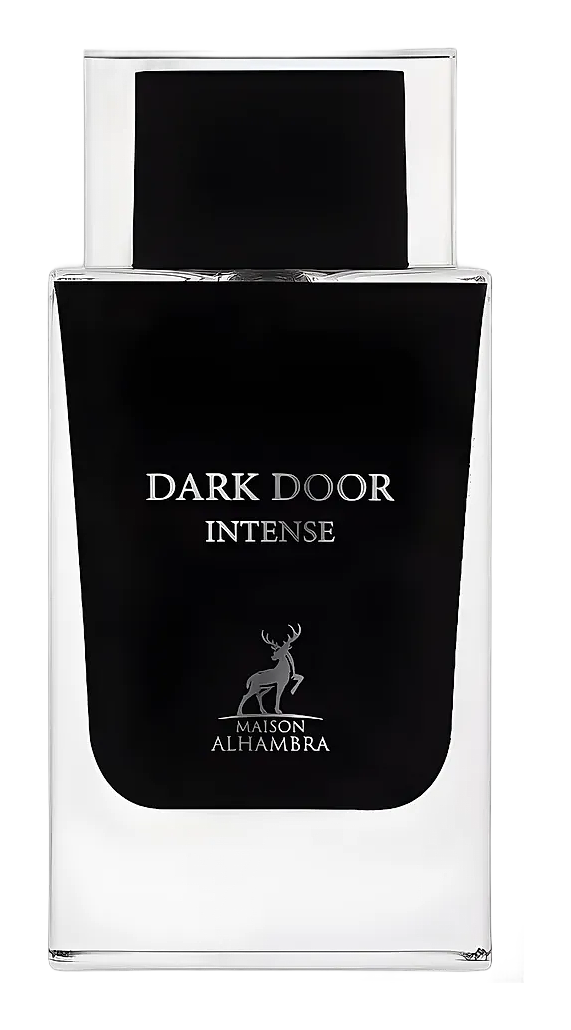
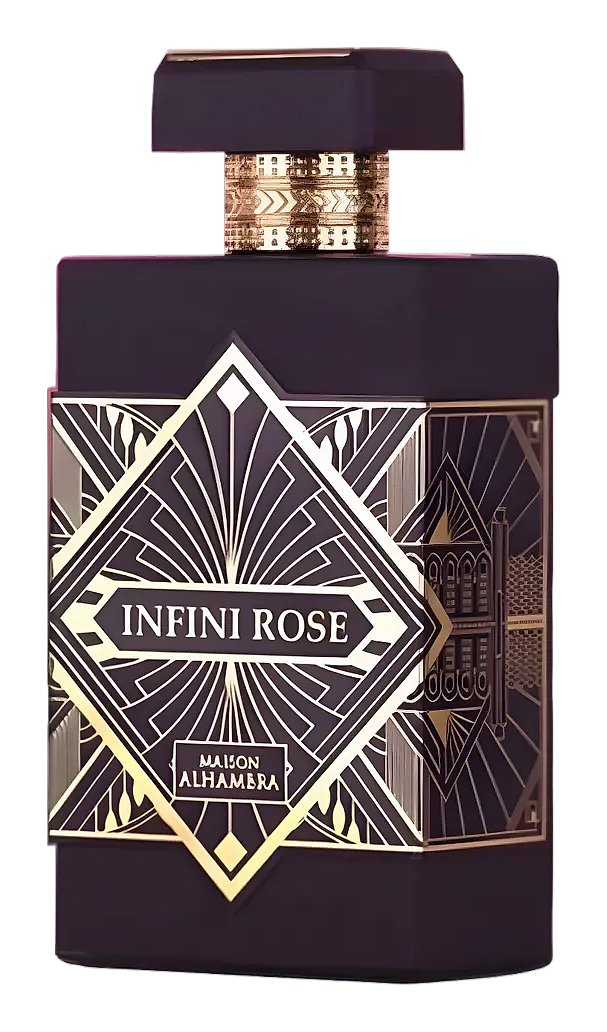
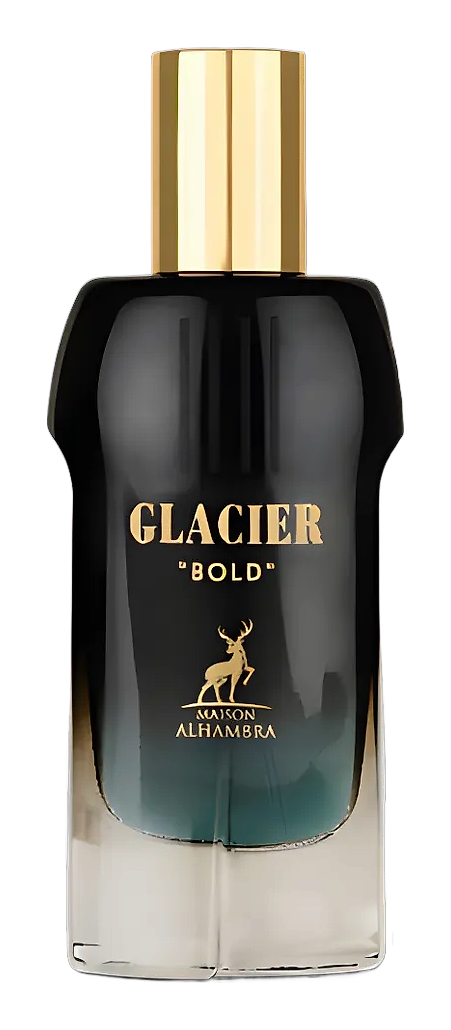
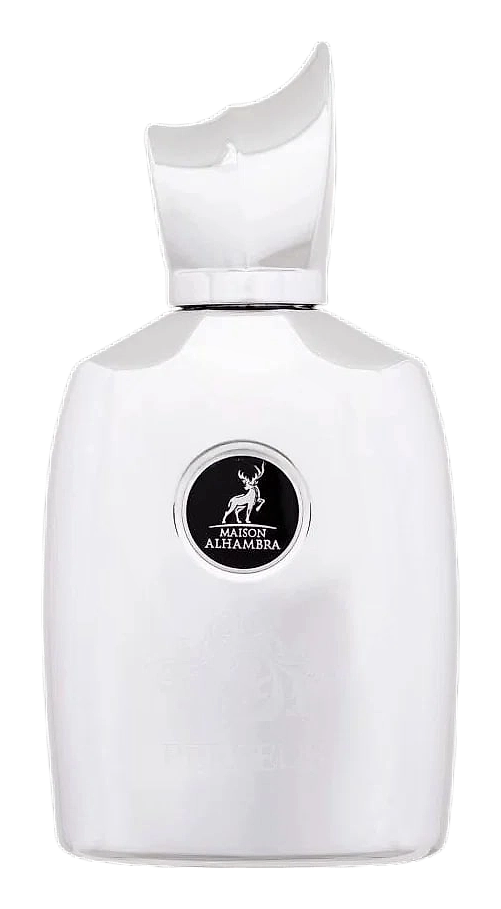
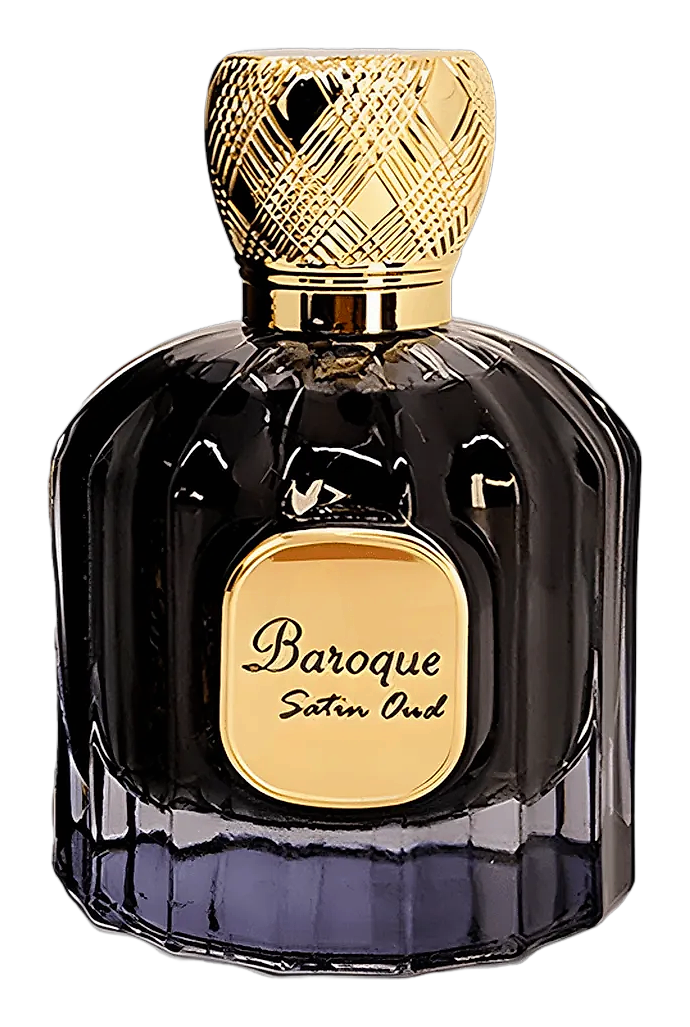
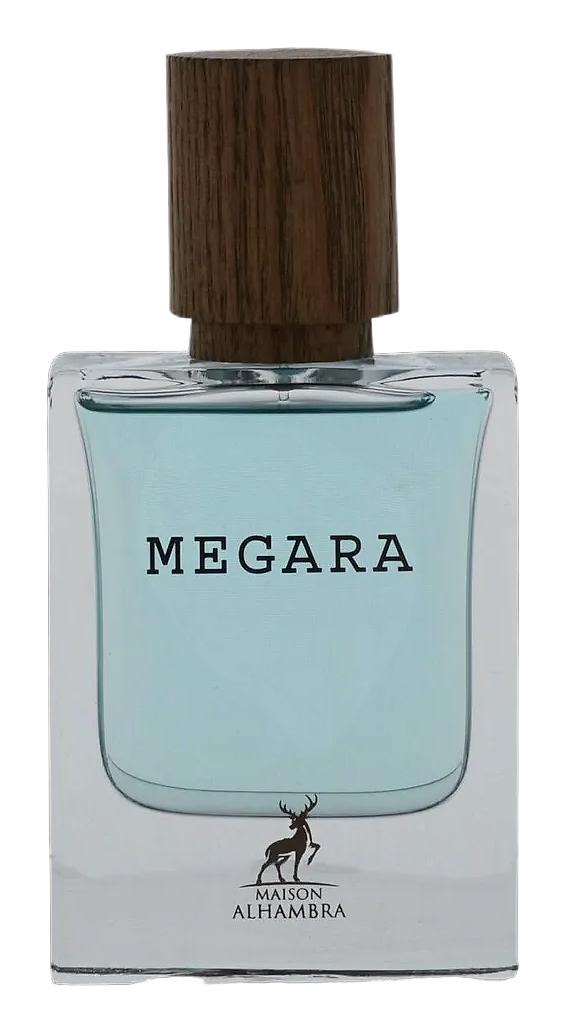
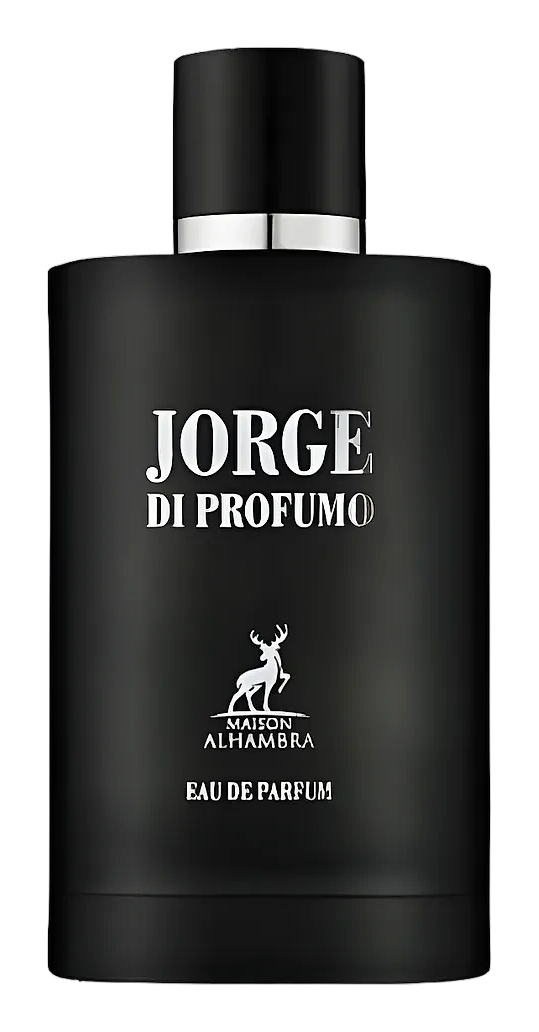
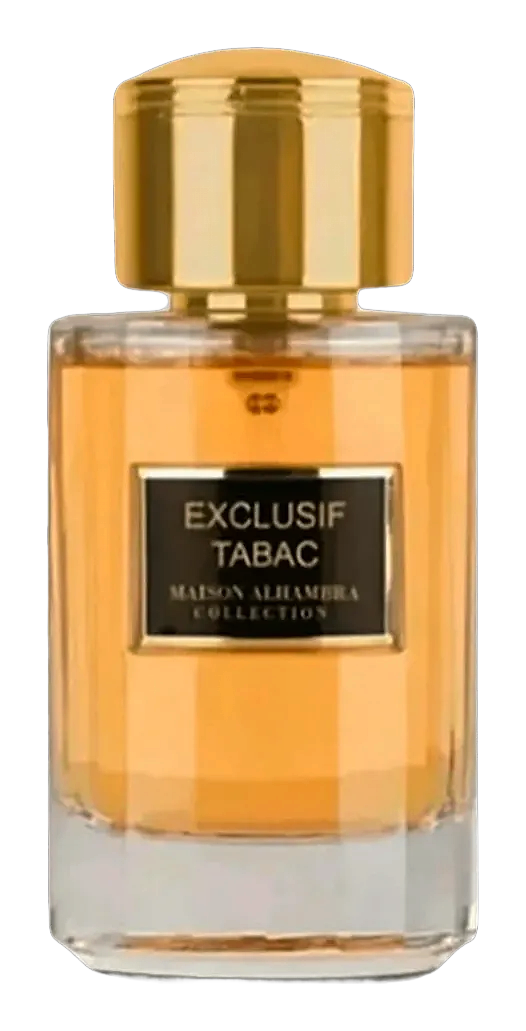
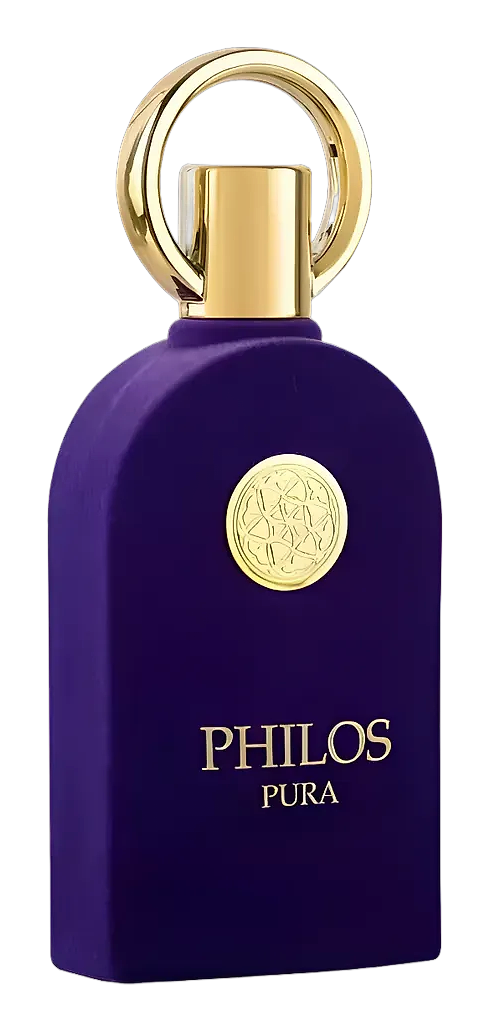
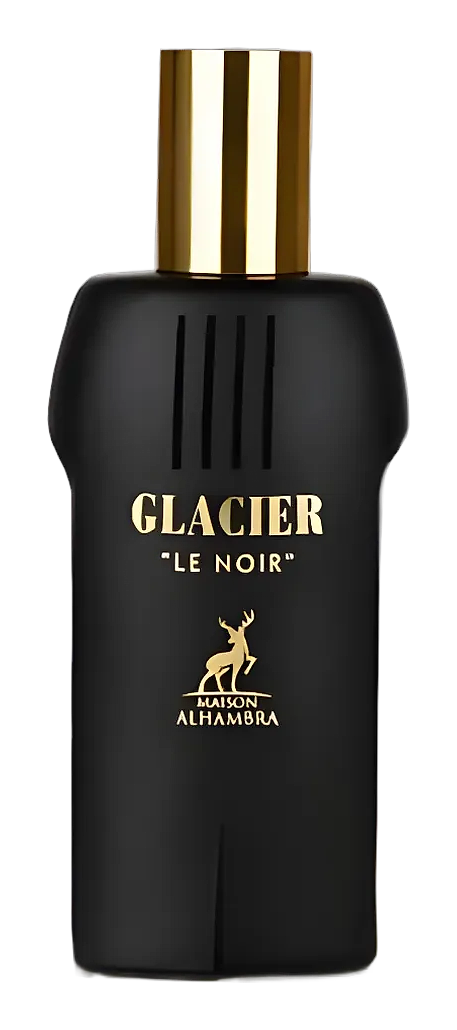
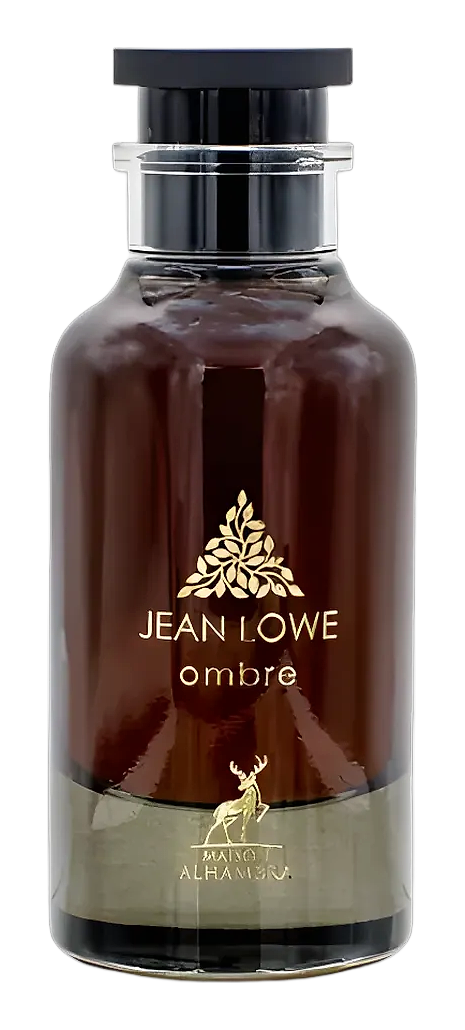
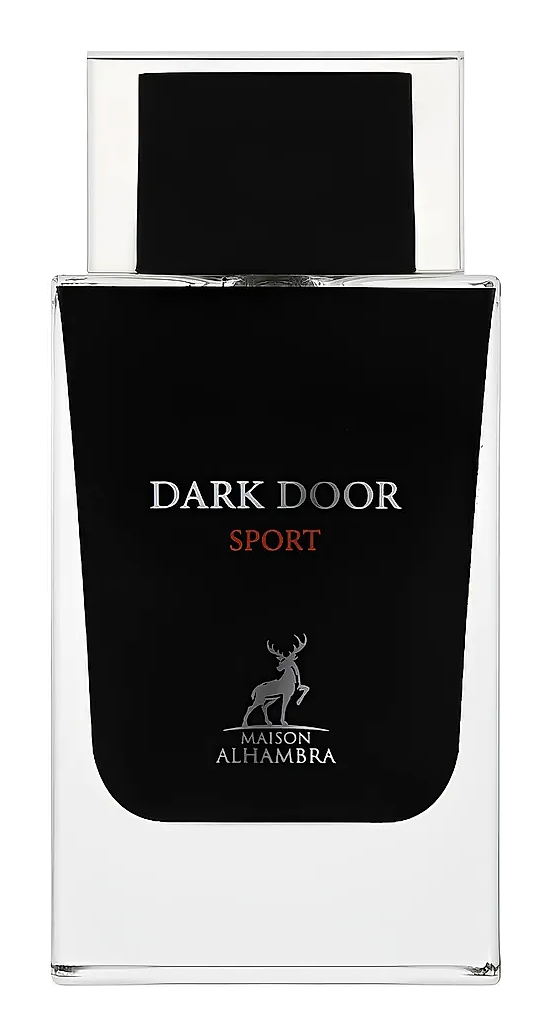
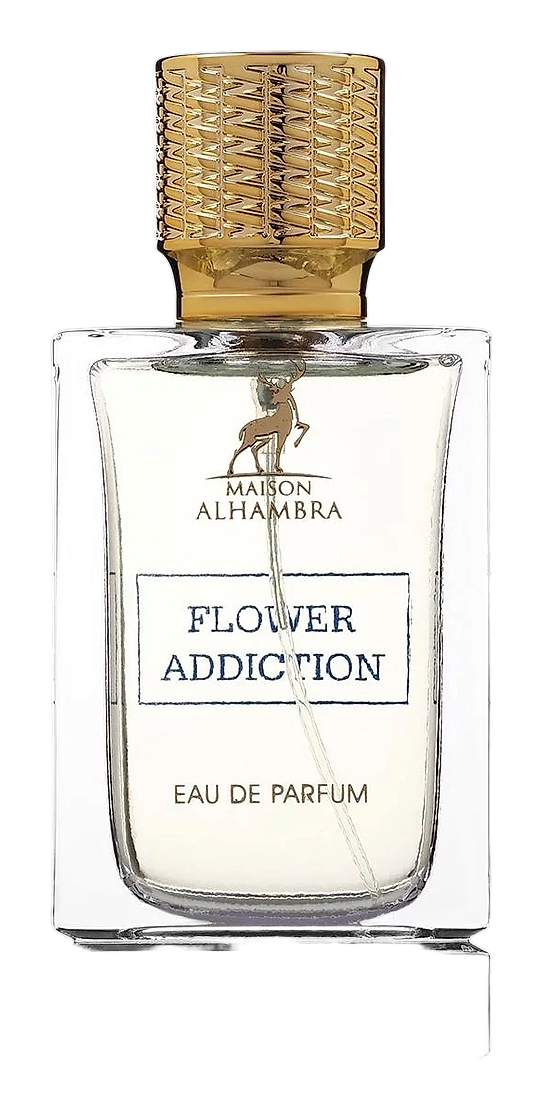
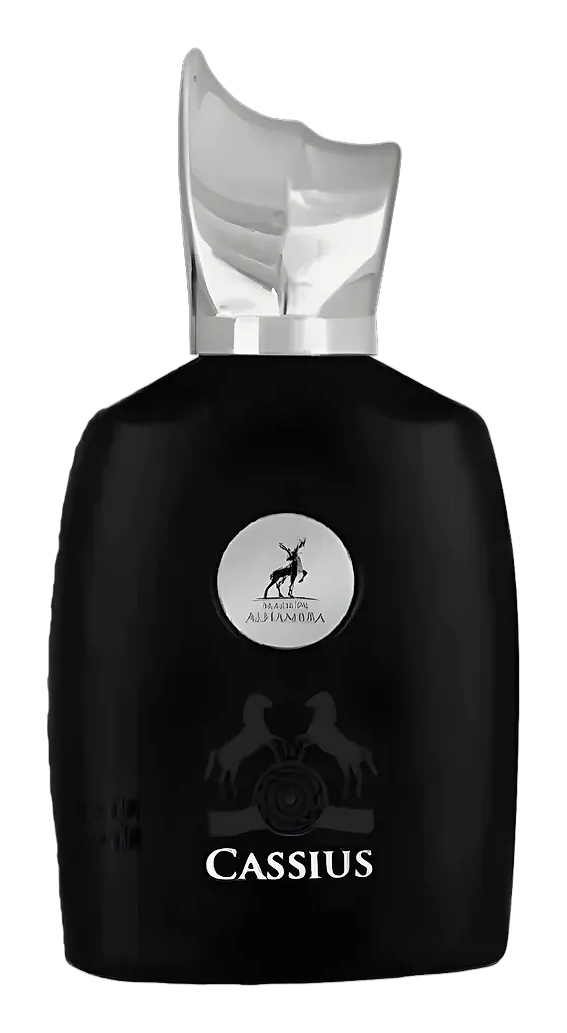
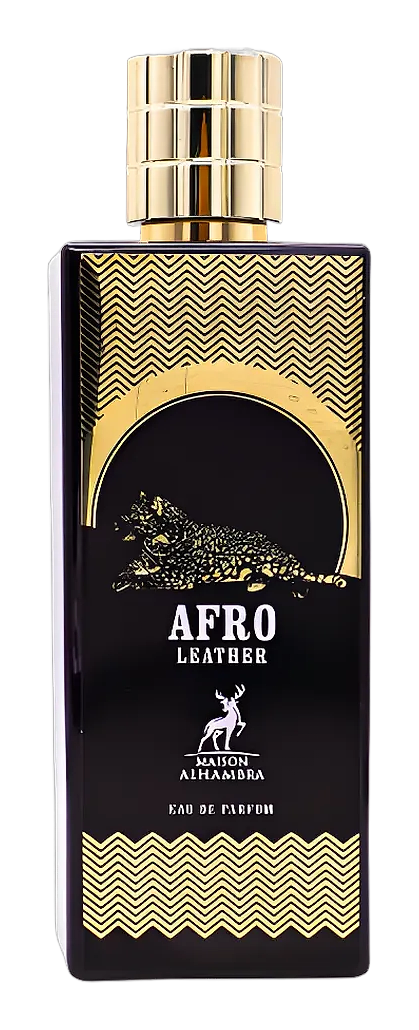
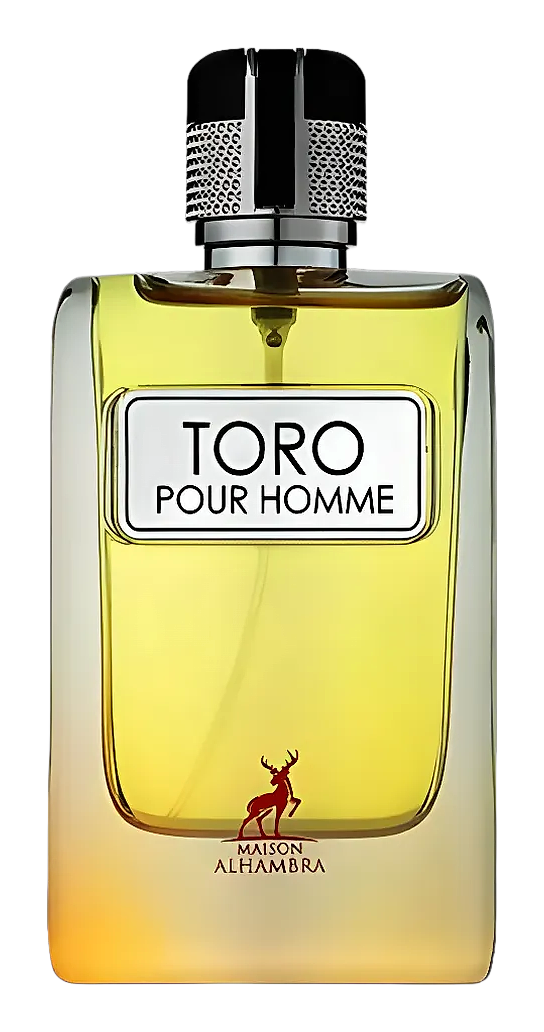
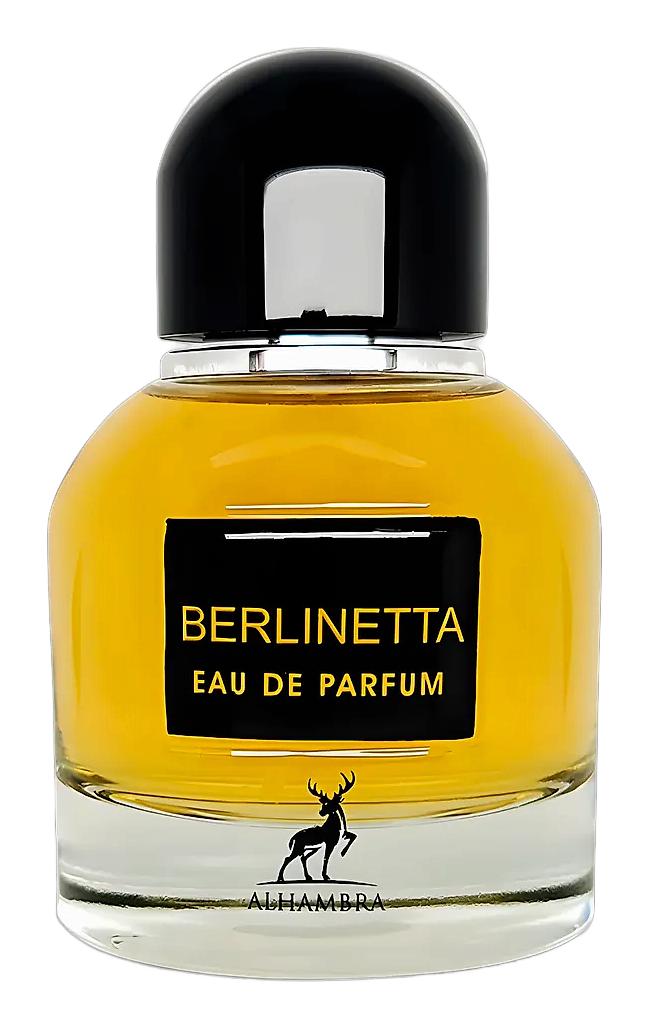
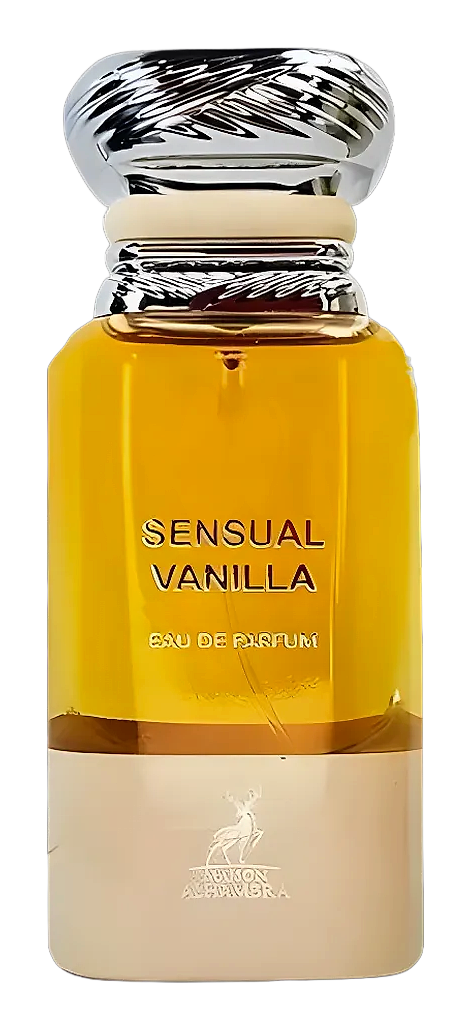
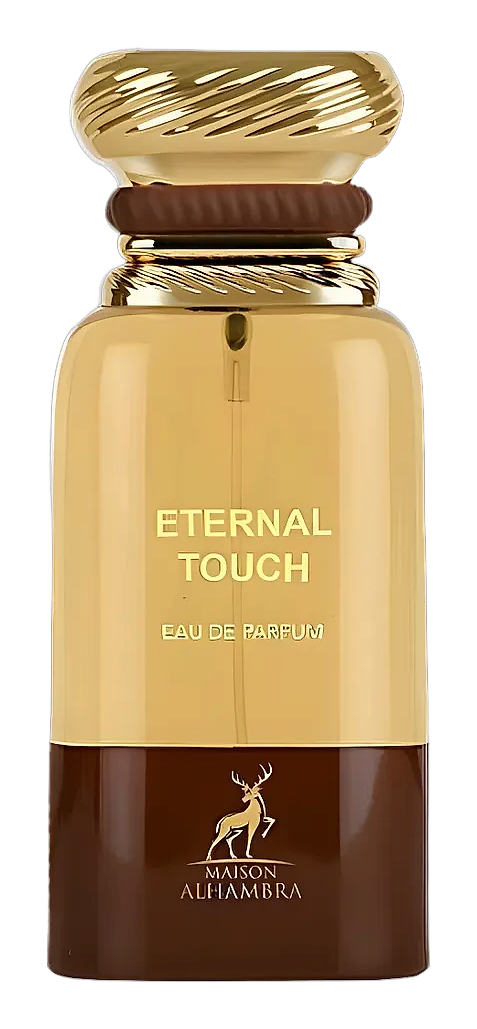
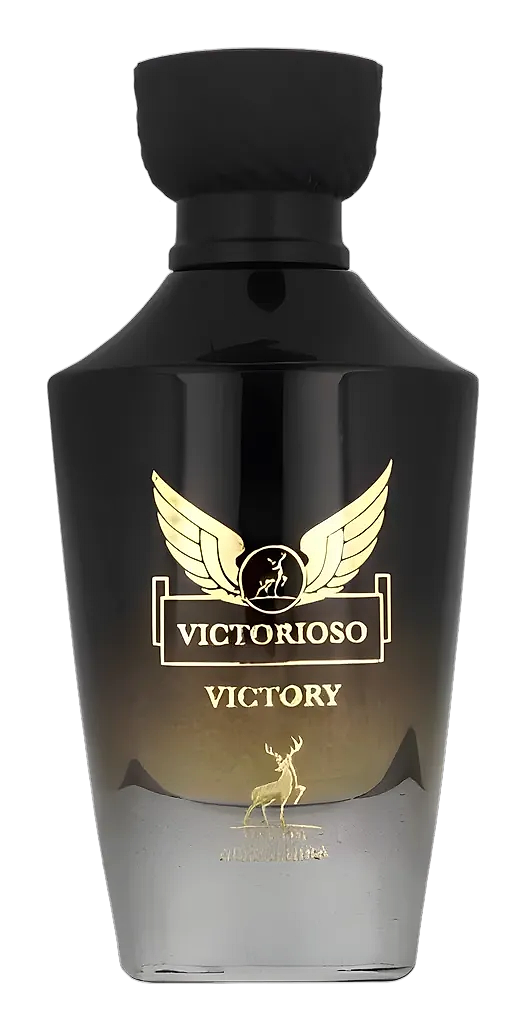
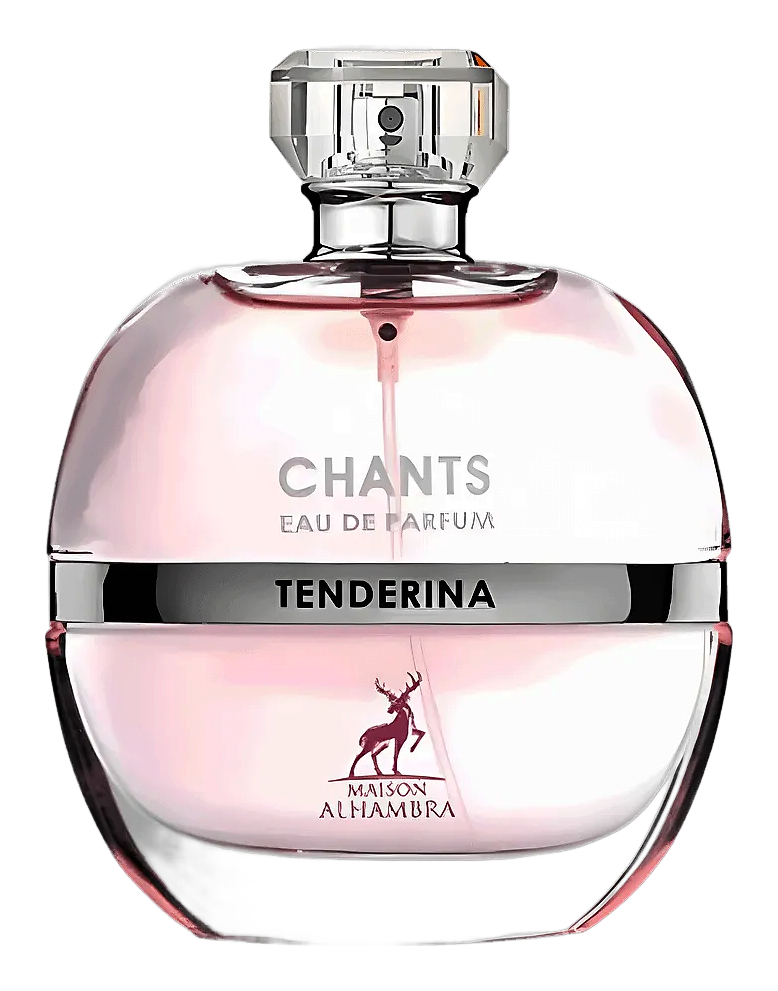
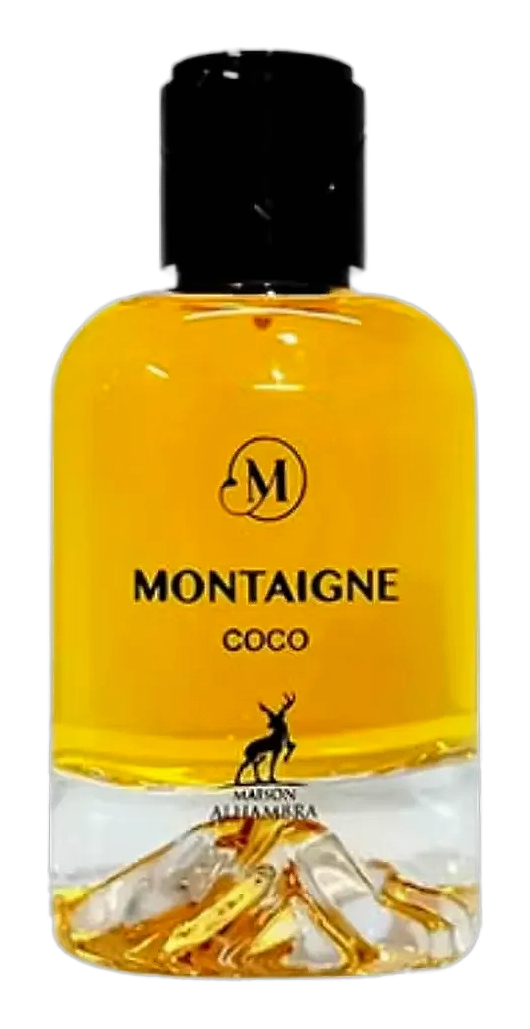
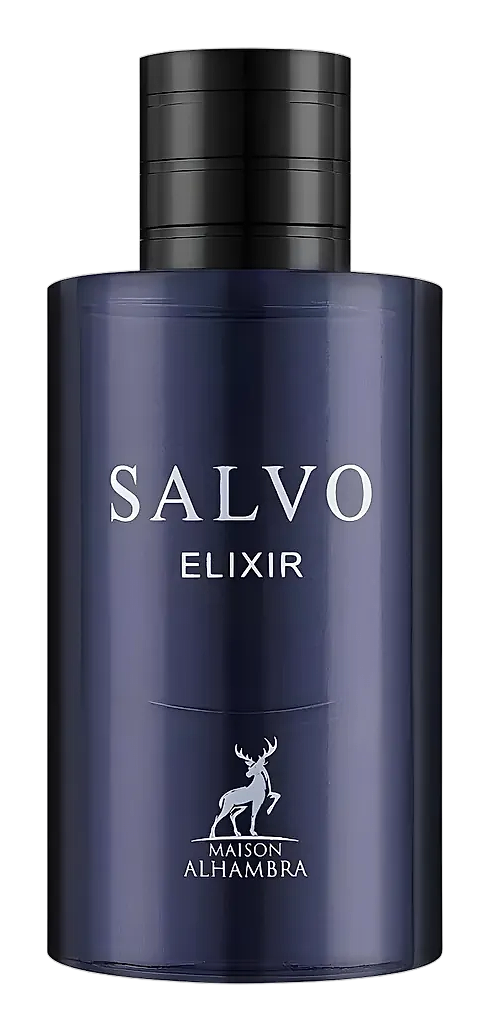
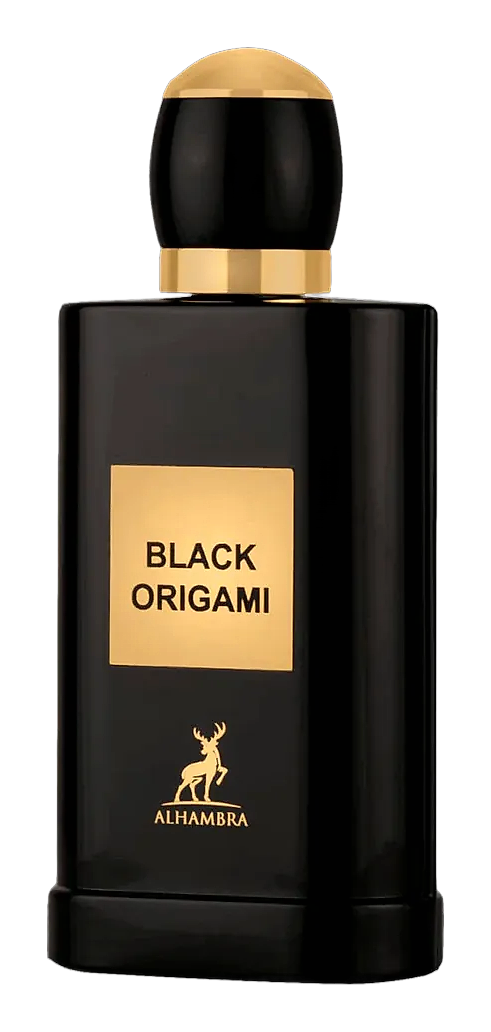
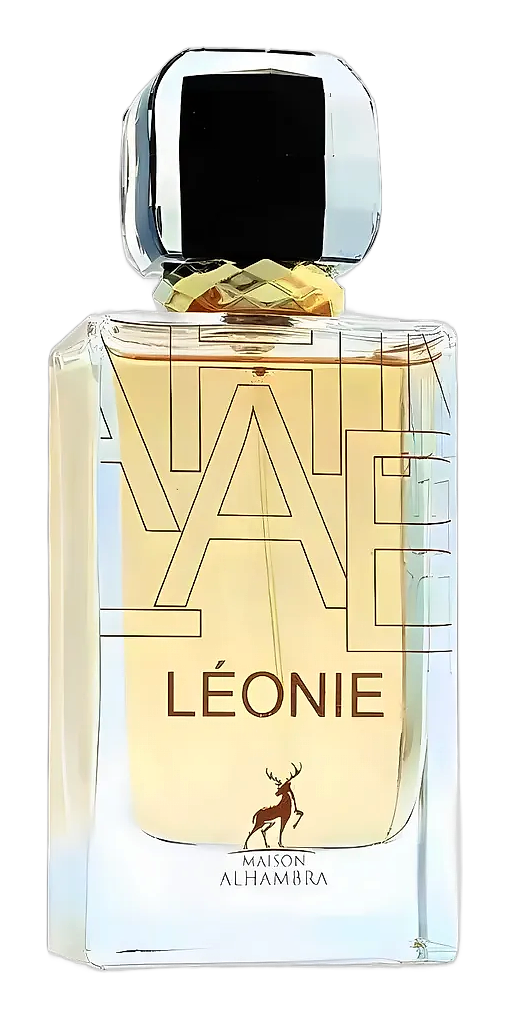
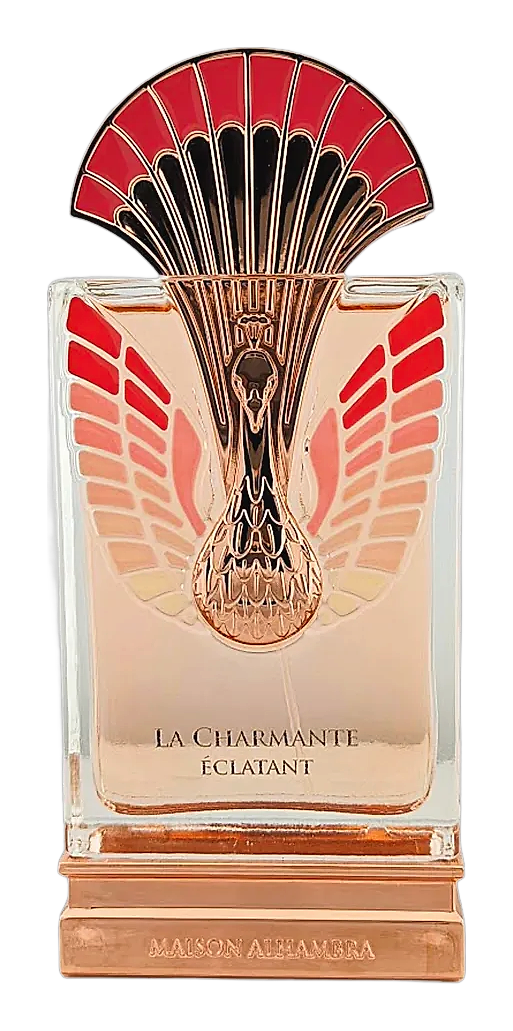
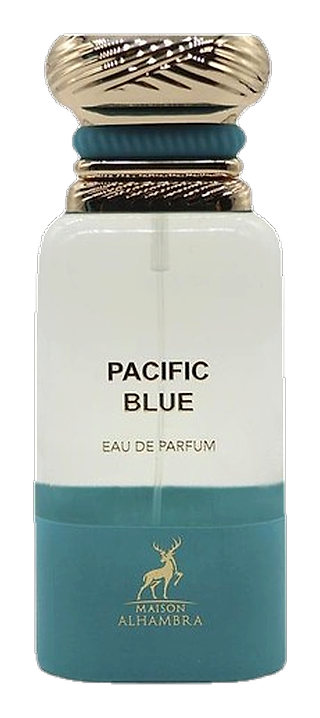
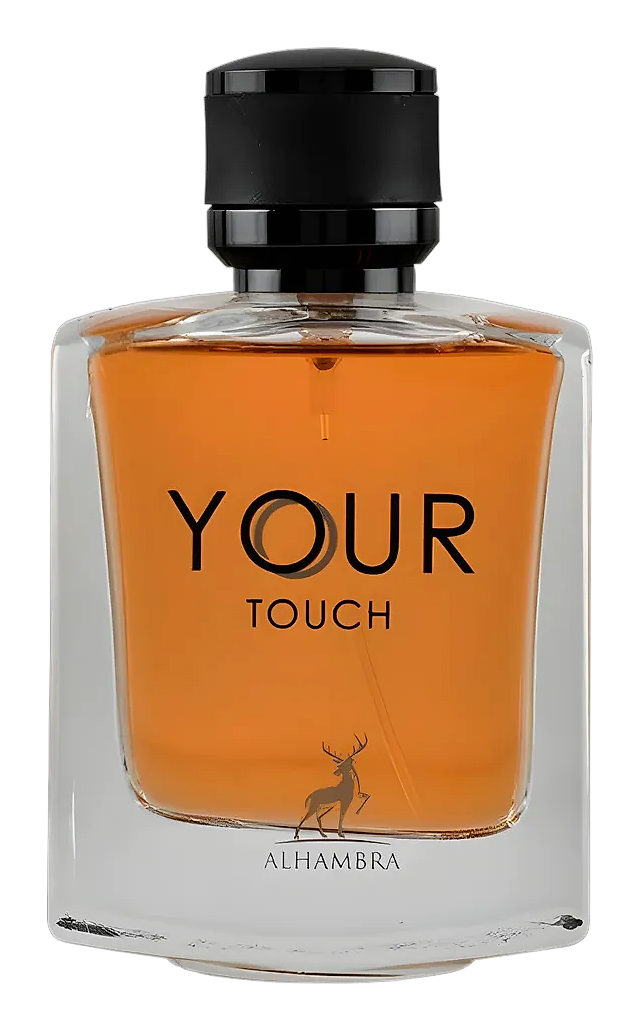
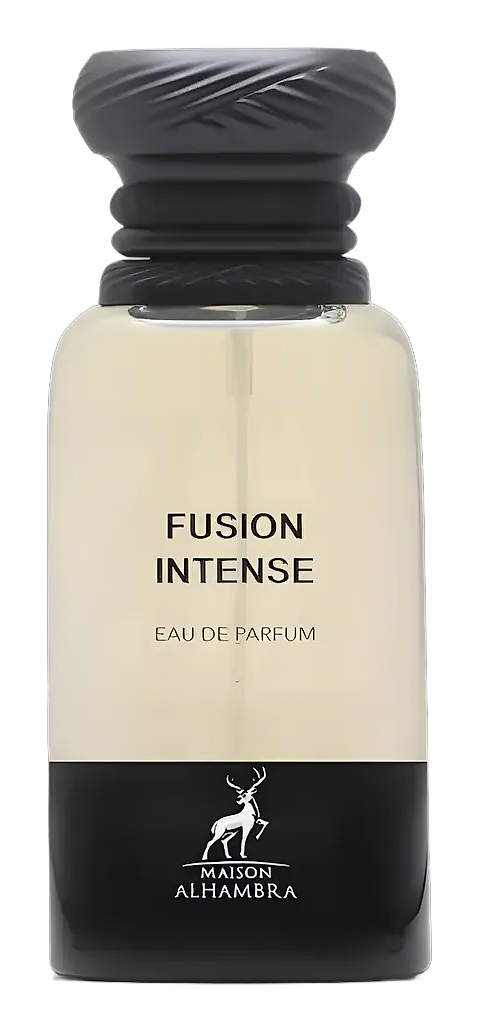
    Maison Alhambra presents a visual identity rooted in refined minimalism with deliberate nods to heritage and luxury. Packaging typically features clean rectangular bottle profiles with gold-toned accents, caps, and labeling that communicate sophistication without ostentation. The palette draws heavily on deep jewel tones and metallic finishes, creating a premium feel that aligns with the brand's positioning between accessible and luxurious. Typography and graphic elements reference the Moorish artistic traditions associated with the Alhambra Palace, incorporating geometric patterns and calligraphic influences that connect the contemporary fragrance line to a centuries-old cultural legacy. This design language serves dual purposes: signaling quality to new customers encountering the brand for the first time, and establishing brand coherence across a catalog that now spans hundreds of individual scents. The house name itself functions as an aesthetic statement, invoking Granada's palace through a French-prefixed house name that merges European perfumery convention with Middle Eastern cultural reference. Fragrance naming conventions follow this lead, with titles like Exquisite Prive, The Aurum Luxura, Vogue Rouge, and Club Exquisite projecting exclusivity and aspiration. Overall, the visual and verbal identity of Maison Alhambra constructs a world of attainable refinement, where the trappings of luxury are present without the prohibitive price tags.

    Philosophy

    Maison Alhambra operates from a conviction that a fragrance should function as more than a pleasant background scent. The house believes perfume carries the capacity to tell stories, trigger emotional responses, and forge lasting impressions in the people who encounter it. This perspective shapes every formulation decision, pushing the creative team toward compositions that offer narrative depth and memorable character rather than mere likeability. The brand has built its identity around accessibility, arguing that sophisticated, long-lasting fragrances should not require extraordinary expenditure. By offering inspired interpretations of celebrated luxury and niche scents, Maison Alhambra allows collectors to explore a broader olfactory landscape without the financial barrier that often accompanies the original versions. The house describes its mission in terms of bringing elegance and individuality to a wide audience, producing scents that function across the range from everyday wear to formal occasions. There is an explicit commitment to balance: fragrances that are neither throwaway nor exclusionary. The name itself, drawing from the Alhambra Palace in Granada, invokes a space where architectural precision meets artistic expression, suggesting an ambition to translate that convergence into liquid form. Within the fragrance community, this philosophy has sparked ongoing debate about the ethics and artistry of inspired formulations, a conversation the house has not actively shaped but which has nonetheless defined much of its cultural reception.

    Key Milestones

    1980

    Lattafa Perfumes Industries L.L.C. founded in the United Arab Emirates by Sheikh Shahid Ahmad and a co-founder, establishing the production base that would later support Maison Alhambra.

    2020

    Maison Alhambra launches as a distinct fragrance house under Lattafa Perfumes Industries, introducing its first formulations to the market.

    2022

    The brand releases Precious Pink, a floral fragrance that gains traction among enthusiasts seeking accessible alternatives to luxury floral compositions.

    2023

    Spectrum joins the catalog, expanding the house into a new olfactory territory and contributing to the brand's rapidly growing enthusiast following.

    2025

    Maison Alhambra releases multiple new formulations including Kismet Lunar Magic, The Aurum Luxura, Desirable Addiction, and Athena, bringing the catalog to over 200 distinct fragrances.

    At a Glance

    Brand profile snapshot

    Origin

    United Arab Emirates

    Founded

    2020

    Heritage

    6

    Years active

    Collection

    3

    Fragrances released

    Avg Rating

    4.4

    Community sentiment

    Release Rhythm

    2024
    1
    2023
    1
    2022
    1
    lattafa.com

    Did You Know?

    Interesting Facts

    Distinctive details and defining moments that shape the house personality.

    01

    By 2025, Maison Alhambra had released more than 200 distinct fragrances in approximately five years, a pace of output that few fragrance houses of any size have achieved.

    02

    The brand operates under Lattafa Perfumes Industries, a company that has been producing fragrances in the UAE since 1980, giving Maison Alhambra access to more than four decades of regional perfumery expertise and supply chain infrastructure.

    03

    The Alhambra Palace that inspired the brand's name was built in the 13th and 14th centuries in Granada, Spain, by Moorish rulers and remains one of the most celebrated examples of Islamic architecture in the world.

    04

    Maison Alhambra does not publicly attribute most of its fragrances to named perfumers, a practice common among houses that treat formulations as proprietary rather than highlighting individual creative authorship.