The Story
Why it exists.
The beginning
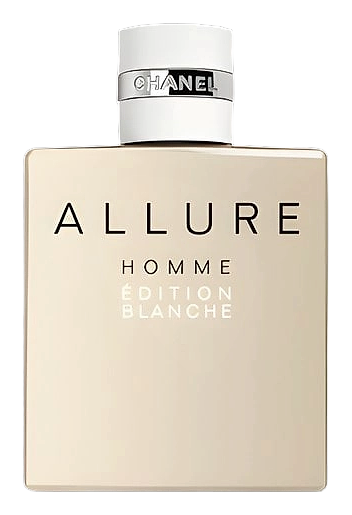
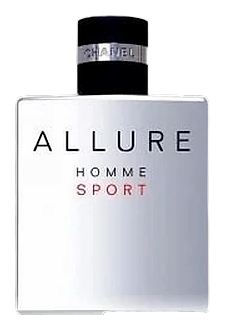
Jacques Polge created Allure Homme for Chanel in 1999, part of a trio of flankers that also included Cologne and Eau de Parfum. The brief was simple on paper: balance freshness with sensuality in a men's fragrance that felt effortless rather than constructed. Polge, who served as Chanel's house perfumer from 1978 to 2015, built the composition around four distinct lines, green freshness, warm spice, wood strength, and the sensuality of labdanum and tonka, that never operate independently. The name Allure itself carries double meaning: the charisma that draws people in, and the pace of a man who moves through a room without urgency. This was the tension Polge was chasing. Not loud confidence. Not quiet either. The kind of presence that doesn't announce itself because it doesn't need to.
What makes Allure Homme structurally interesting is how the citrus and vanilla coexist without fighting. In most men's fragrances, those two families occupy opposite ends of the pyramid, citrus opens, vanilla closes, and they're never in the same room. Polge threaded them together through the cedar and sandalwood base, letting the warm woods carry the vanilla forward while the citrus remains present throughout, not just in the first hour. The addition of star anise and black pepper in the heart adds a faint sharpness that keeps the florals from going soft. It's a composition that refuses to be one thing. Fresh, yes. Warm, also yes. The tension between them is the whole point.
The evolution
The opening is citrus-dominant and immediate, bergamot, lemon, mandarin orange, a faint sweetness from the peach note. The ginger adds a clean heat underneath, like spice without fire. Within 20 minutes the florals arrive: jasmine, gardenia, a touch of rose, but they're held in check by the black pepper and star anise that keep things from going soft. The cedar and vetiver begin to assert themselves, giving the heart an elegant, slightly dry quality. By hour three, the warm notes take over. Tonka bean and vanilla create a creamy sweetness, sandalwood and amber add depth, and the benzoin gives it a faint resinous quality that lingers close to the skin. The drydown stays intimate, moderate sillage means it announces your presence to someone standing beside you, not across the room. On most skin types, expect 6-8 hours of wear, with the vanilla-sandalwood base holding through the end.
Cultural impact
Allure Homme won the Fragrance Foundation's 'Fragrance of the Year, Men's Prestige' award in 1999, the year it launched. It arrived at a moment when men's fragrance was recalibrating, less about aggressive power signatures, more about composed, versatile wear. The scent found its audience immediately and has remained in continuous production for over two decades, a rare feat in a category where flankers come and go. Its combination of citrus freshness and warm vanilla set a template that many subsequent men's fragrances would borrow from.