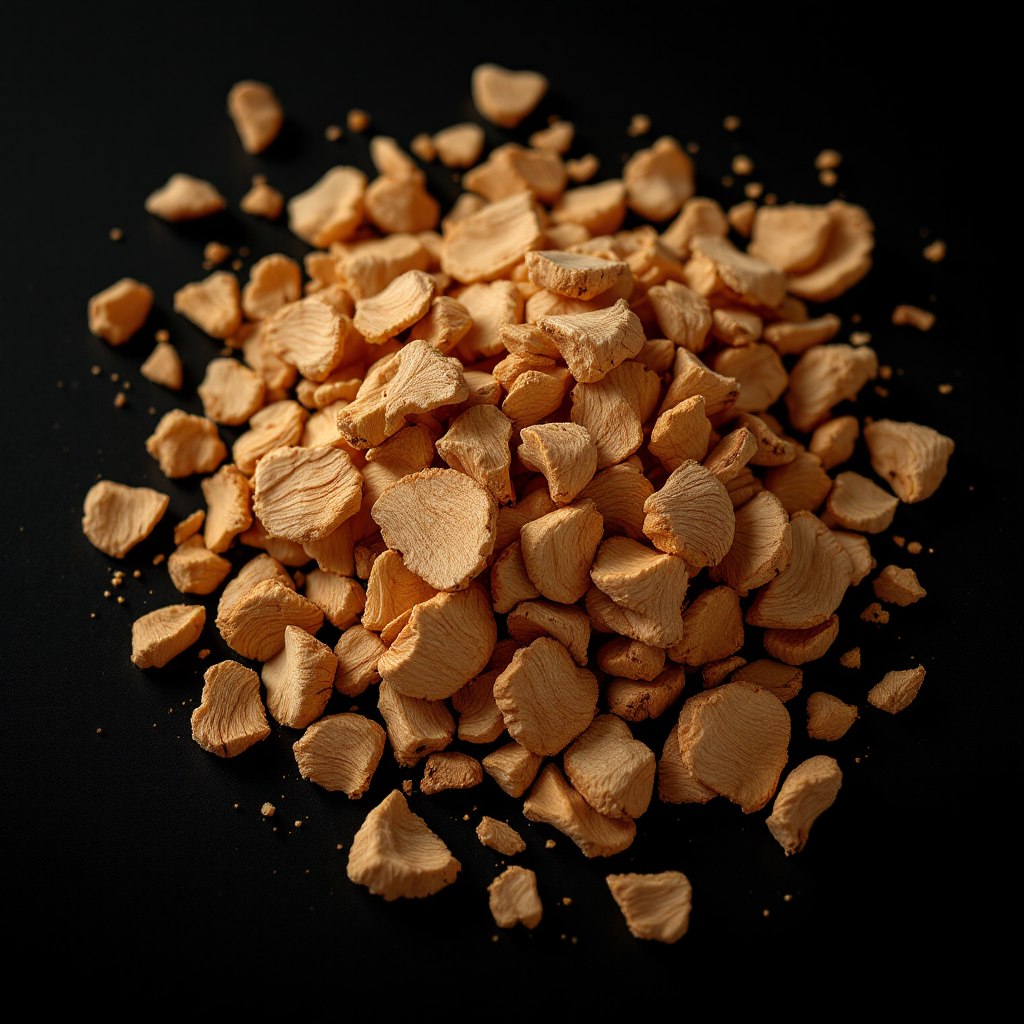
Rosewood
Rosewood absolute carries a warm, complex aroma—spicy, floral, and woody at once. Sourced from Amazonian heartwood, it brings quiet depth to fragrance compositions.
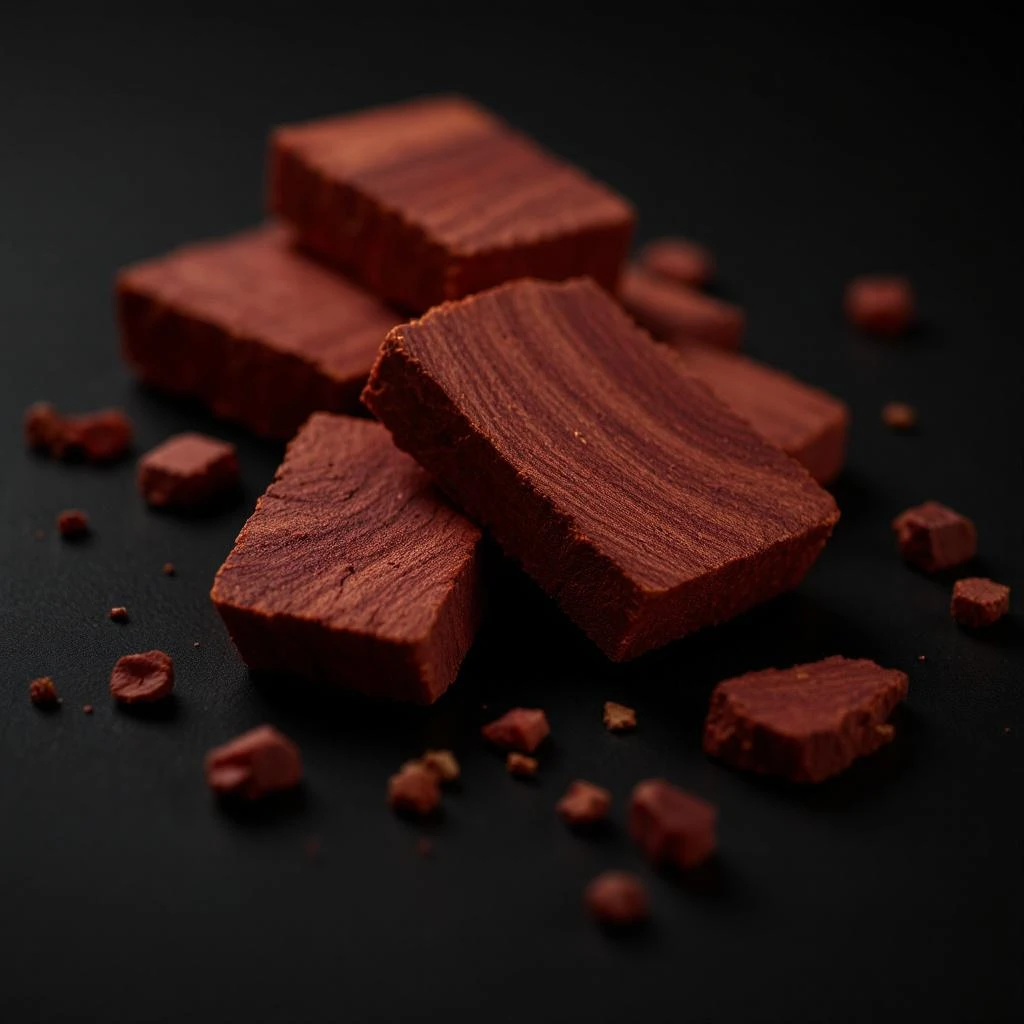
Character
How it smells
A complex wood that bridges spice, florals, and warmth.
A single rosewood tree yields roughly 1% oil by weight. That scarcity is why each drop matters.









Origin
Peru
Rosewood entered the perfumer's vocabulary in 1925, when botanists first documented Aniba rosaeodora growing wild in the region of Juriti Velho, deep within the Amazonian forest. This discovery arrived at a pivotal moment. By the late 19th century, organic chemists had begun replicating natural scents synthetically, yet perfumers still prized certain naturals for qualities no lab could fully reproduce.
The Amazon yielded something unexpected: a wood that carried an innate rosy, almost floral character unlike any other tree. That novelty opened creative doors. Before rosewood, perfumers seeking warmth turned to sandalwood or cedar; rosewood added a spiced, floral dimension those materials lacked.
Today, Peruvian rosewood cultivation operates through community partnerships that prioritize long-term forest health over short-term harvest. Trees must reach sufficient maturity before any extraction begins, and cooperatives maintain traceability from forest to fraction. This model reflects a broader shift in fine perfumery toward supply chains that respect both the material and the people who harvest it.
Wears it best
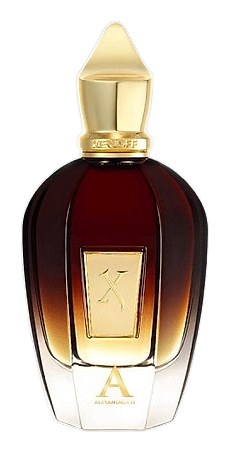
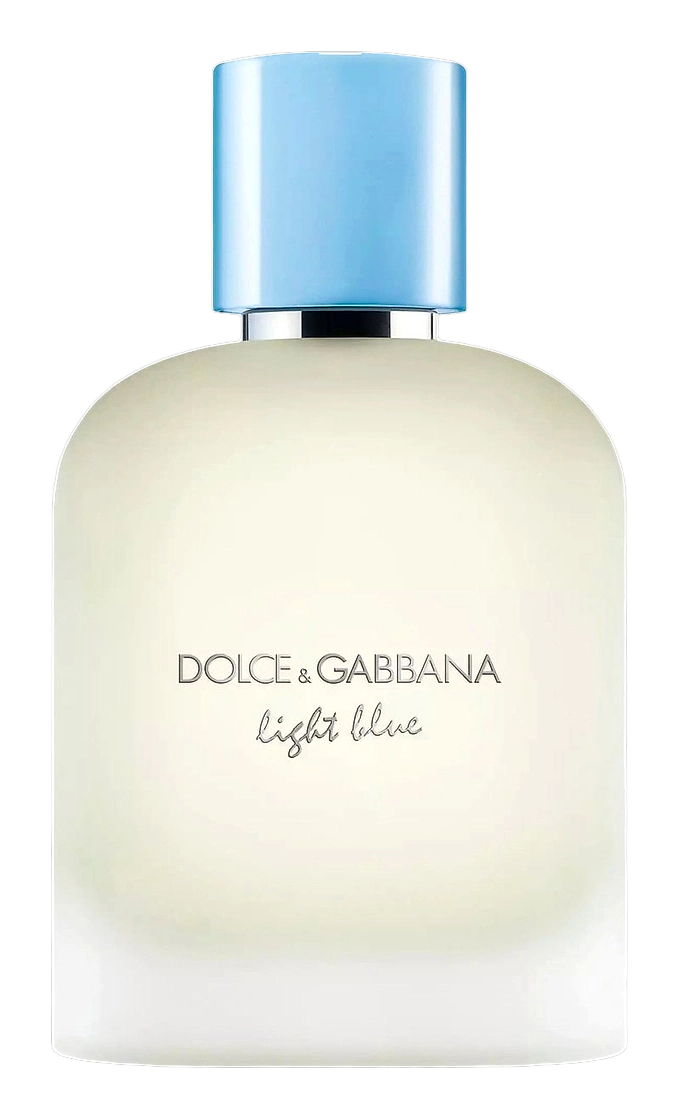
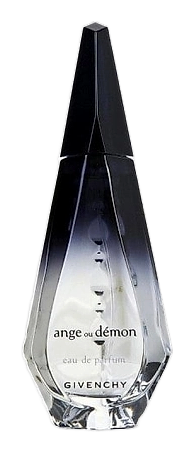
Fragrances featuring Rosewood









Brands
Brands known for Rosewood
Good to know
Questions, answered
The essentials on Rosewood in perfumery: how it smells, where it comes from, and how it behaves on skin.
What does rosewood smell like in perfume?
Rosewood delivers a warm, multifaceted aroma. The scent opens with a spiced, rosy quality, then unfolds into floral geranium-like notes before settling into a deep, woody base with subtle camphor and citrus hints. It reads as both floral and woody simultaneously, a rare combination among natural materials.
Why is rosewood so expensive in perfumery?
The cost reflects an exceptionally low yield. Each tree produces roughly 1% oil by weight of heartwood. Producers must process large quantities of wood to obtain usable amounts of absolute, making rosewood one of the more costly natural ingredients available to perfumers.
Is rosewood in perfume ethically sourced?
Modern perfumery prioritizes ethical sourcing for rosewood. In Peru, community-owned forests manage harvests through cooperatives that enforce maturity requirements and maintain traceability records from forest to final product. These practices exist to protect both the species and the livelihoods of local producers.
What part of the rosewood tree is used?
Perfumers use only the heartwood, the dense inner core of the tree. This tissue, formed over decades of growth, concentrates the aromatic compounds that give rosewood its distinctive scent. The heartwood alone justifies the lengthy harvest timelines required.
How does rosewood absolute differ from rosewood essential oil?
Solvent extraction yields an absolute, while steam distillation produces an essential oil. Absolutes tend to be more concentrated and chemically complex, capturing a broader range of aromatic compounds. Many perfumers prefer rosewood absolute for its richer, more nuanced scent profile compared to the steam-distilled alternative.
Which rosewood species does perfumery use?
Aniba rosaeodora, native to the Amazon basin, remains the preferred species for fine perfumery. Sometimes called Brazilian rosewood or pau rosa, this species produces the characteristic spiced-rosy scent that distinguishes it from other woods used in fragrance.
Can rosewood be replaced with synthetic ingredients?
No synthetic fully replicates rosewood's complexity. While chemists can produce individual rose-like aroma chemicals, rosewood absolute contains dozens of compounds that interact in ways synthetics struggle to match. This is why ethical natural sourcing continues to matter in high-quality perfumery.
What fragrances commonly feature rosewood?
Rosewood appears across fragrance families as a supporting base and bridge note. It pairs well with florals, citruses, and other woods. Perfumers value it for adding warmth without heaviness, making it a versatile ingredient in both masculine and feminine compositions.