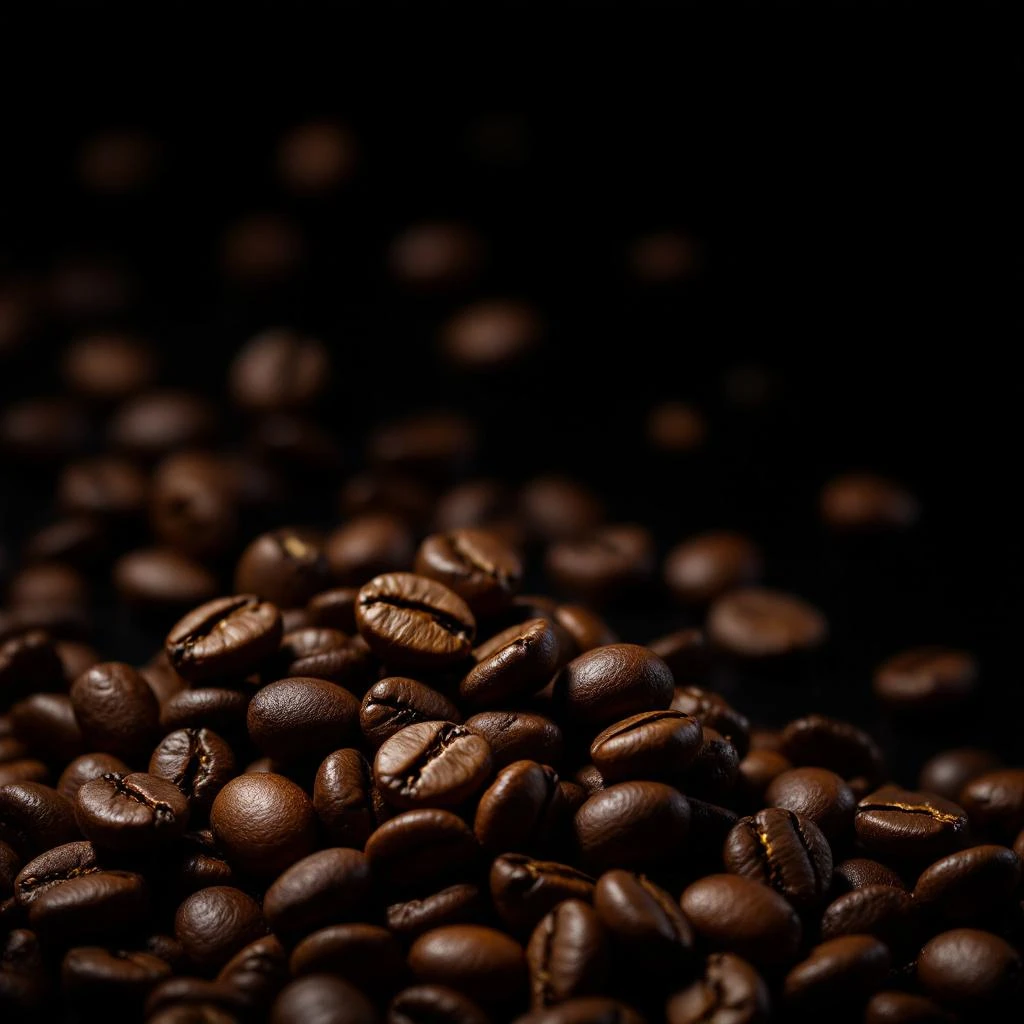
Dark Chocolate
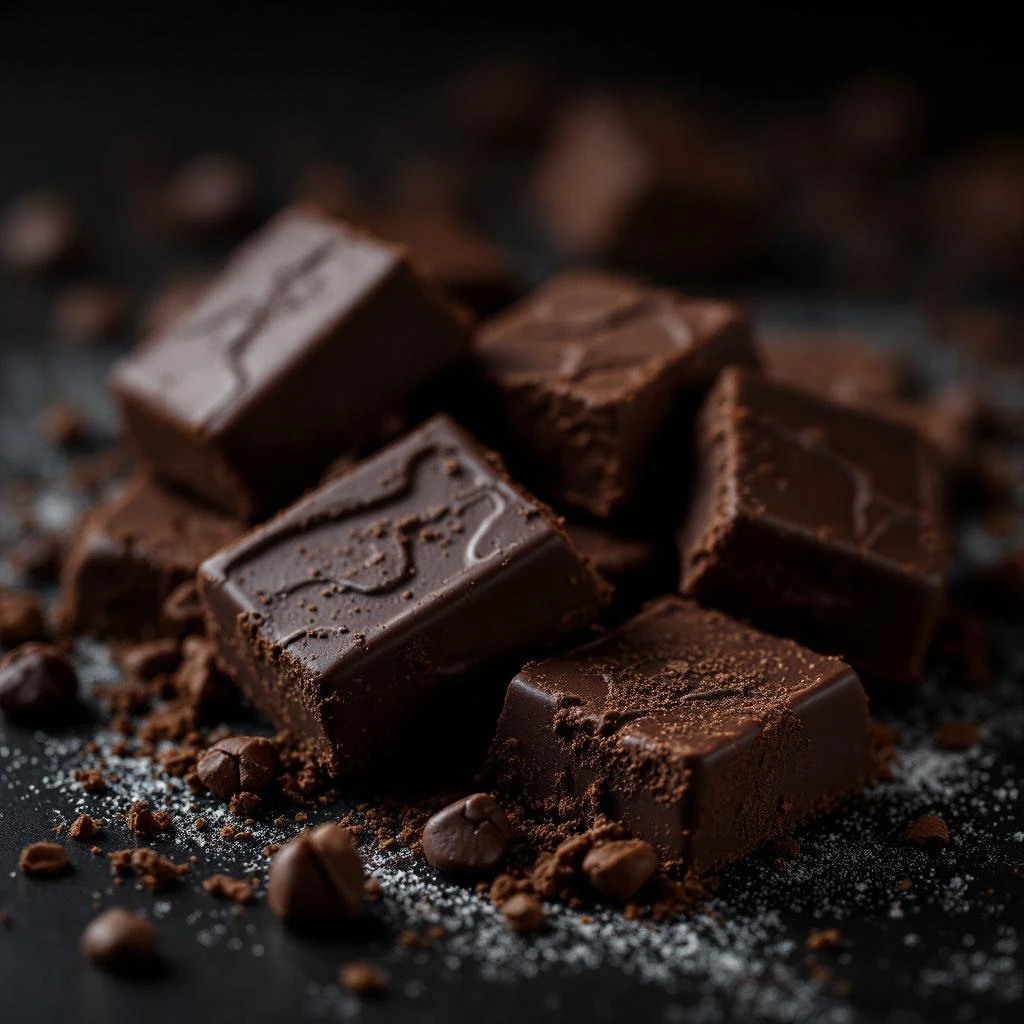
Rich, deep, and sensual. Dark chocolate in perfumery captures the bitter edge of roasted cacao: smoky, slightly astringent, with earthy depth that rounds into warm, gourmand sweetness.
Character
How it smells
The bittersweet soul of indulgence
The Maya drank chocolate 2,600 years ago. It was bitter, not sweet, mixed with spices and chili.







Origin
Ghana
Cacao originated in Mesoamerica, where the Maya transformed a bitter wild fruit into a sacred ceremonial drink around 600 BC. They cultivated cacao trees and served the frothed beverage at rituals, mixing it with honey, spices, and sometimes chili. The Aztecs elevated cacao to an empire currency, with standard-sized beans used as money for trade and even taxes.
Montezuma reportedly maintained elaborate cacao courts, drinking fifty jars daily from solid gold vessels. The entire system collapsed when Cortes arrived in 1519 and dismantled the Aztec empire. Spanish conquistadors carried cacao to Europe, where it took hold as a luxury drink, eventually spreading worldwide.
The sweet chocolate familiar today required adding sugar, a New World contribution that arrived later. Ghana and the Ivory Coast now produce more than 800,000 metric tons of cacao annually, yet Mesoamerican origins remain at the heart of the ingredient's identity.
Wears it best
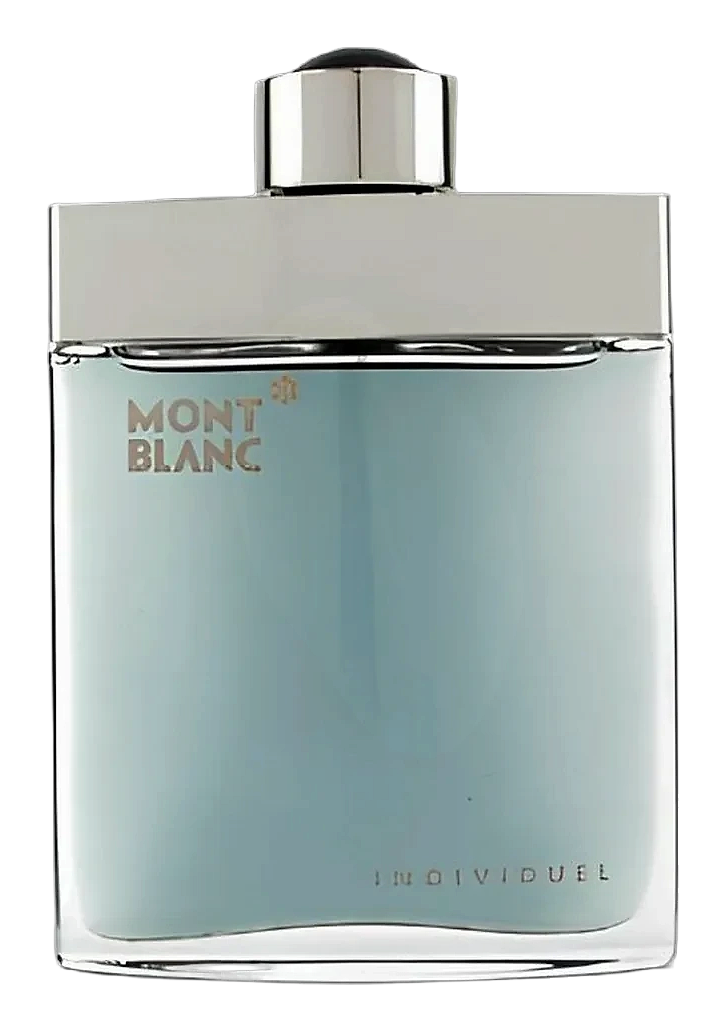
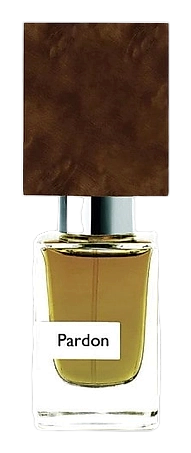
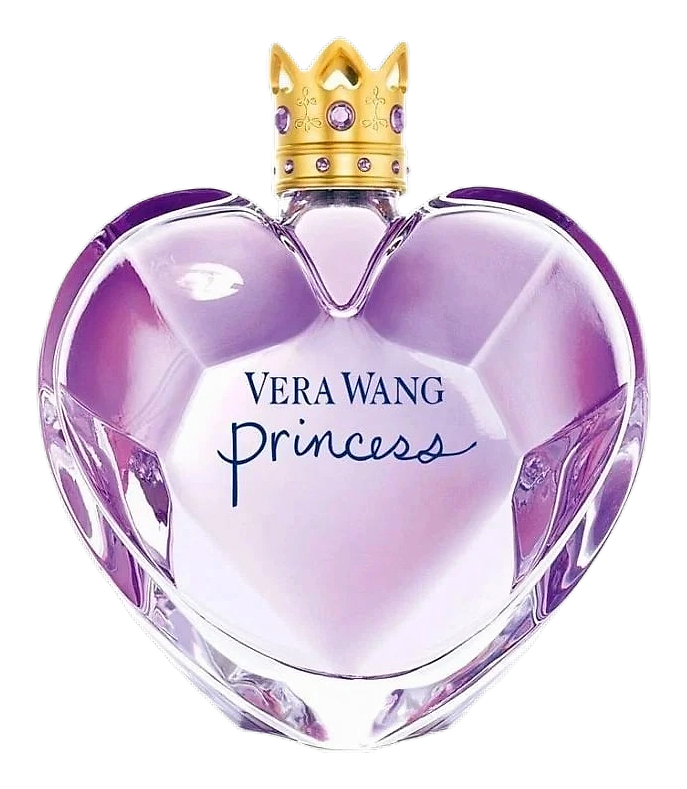
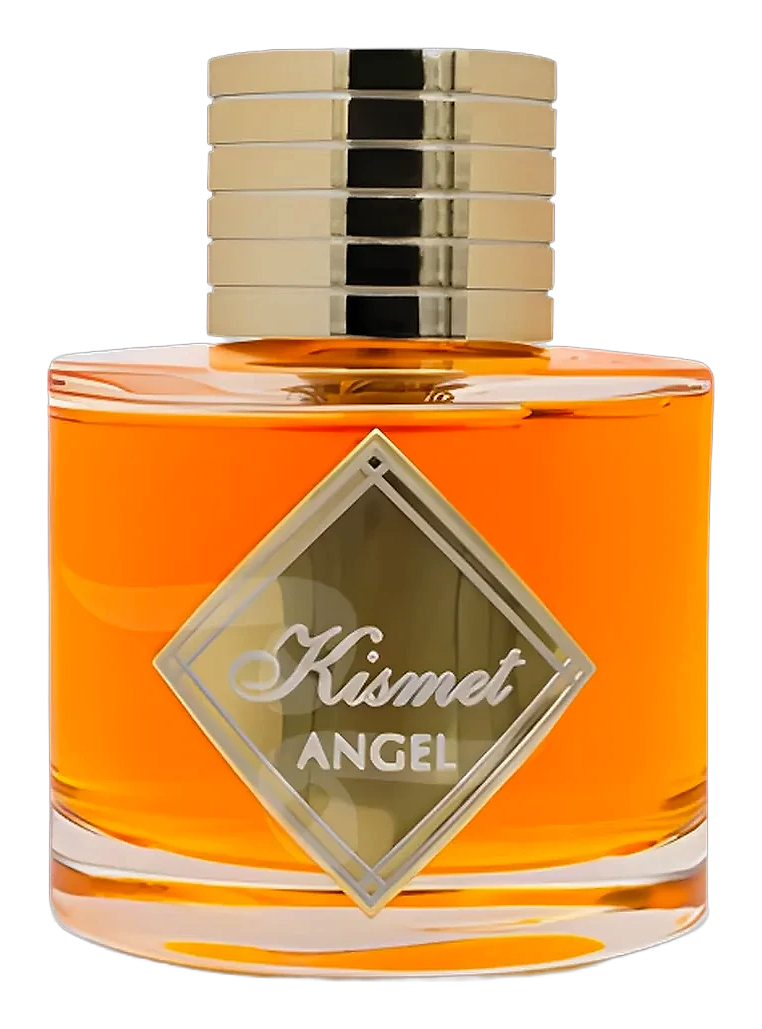
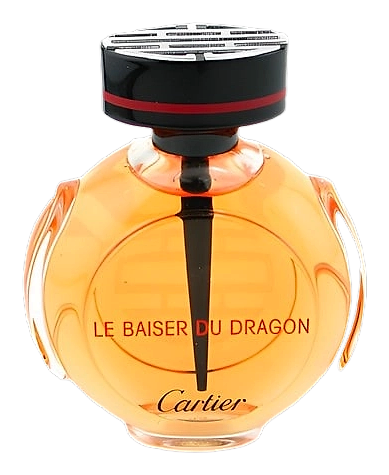
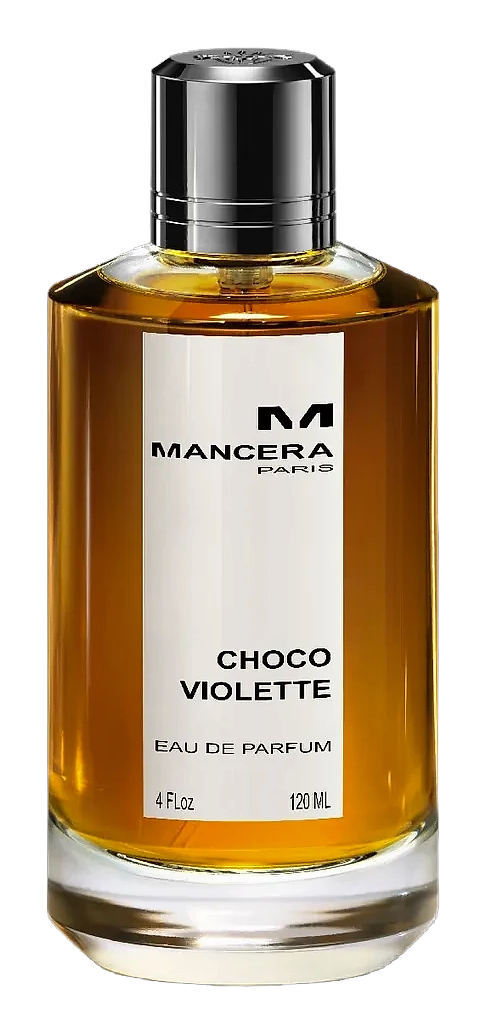
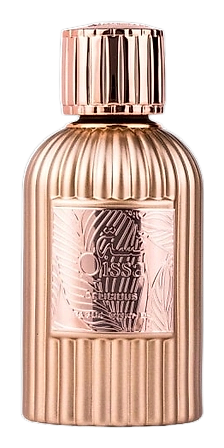
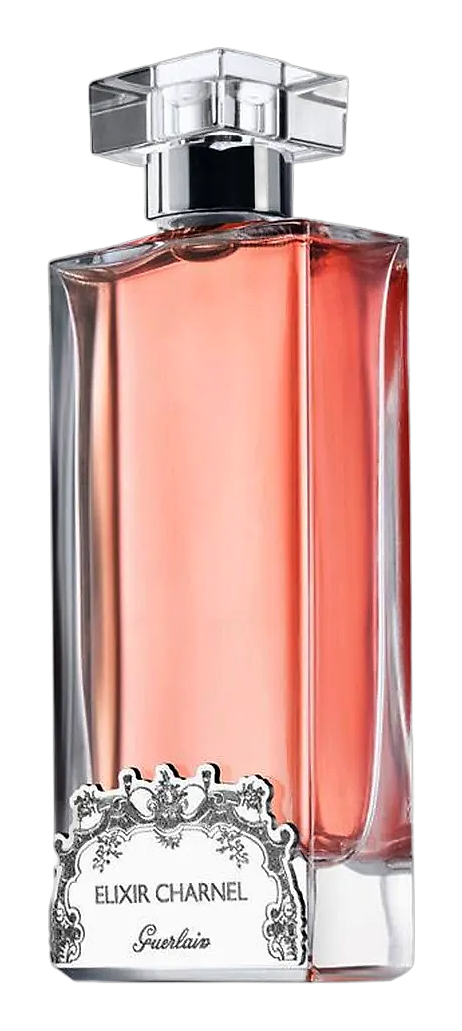
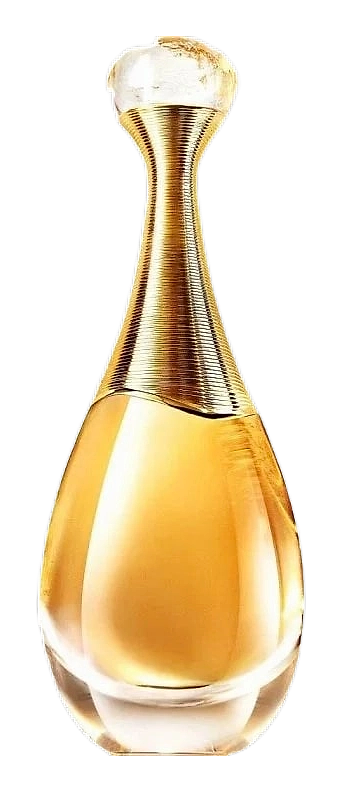
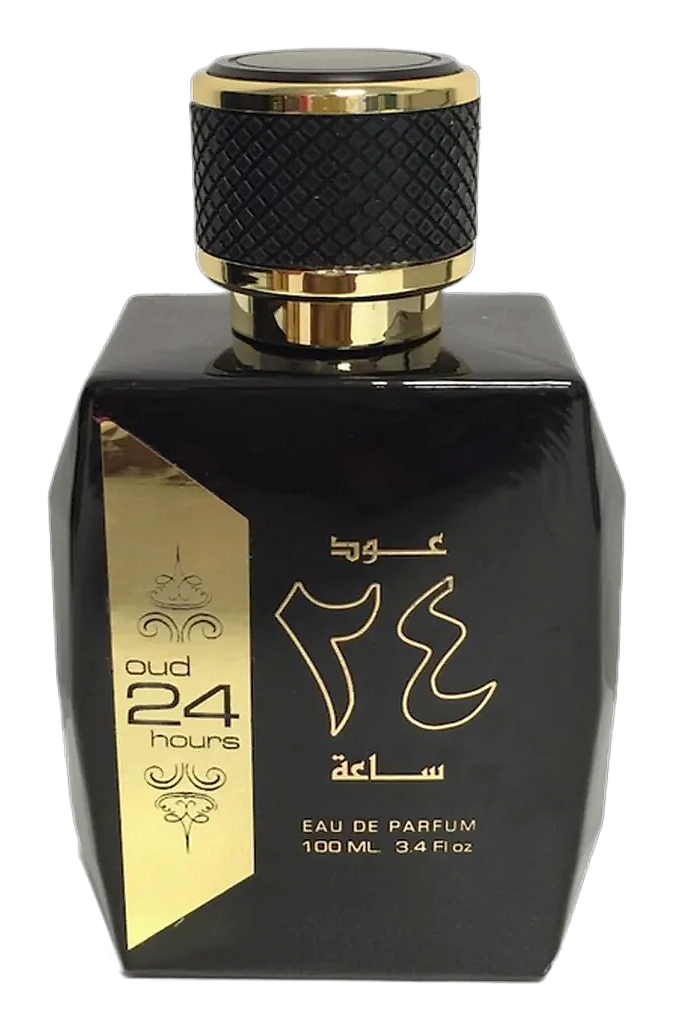
Fragrances featuring Dark Chocolate


Brands
Brands known for Dark Chocolate
Good to know
Questions, answered
The essentials on Dark Chocolate in perfumery: how it smells, where it comes from, and how it behaves on skin.
Why does chocolate appear so often in modern perfumery?
Chocolate works as a bridge between gourmand and oriental fragrance families. The note adds warmth, depth, and emotional comfort, making fragrances feel inviting and indulgent.
Did the Aztecs really use cacao as money?
Yes. The Aztecs used cacao beans as standard currency throughout their empire. A rabbit cost ten beans, and a slave cost one hundred.
Is there a natural chocolate absolute for perfumery?
Cacao absolute exists and comes from the fermented, dried beans of the cacao tree. Perfumers extract it using food-grade solvents, yielding a dark, viscous material with an intense chocolate aroma and subtle tobacco undertones.
How does dark chocolate in fragrance differ from actual chocolate?
True cacao absolute smells earthy, bitter, and fermented, closer to dark baking chocolate than a confection. Perfumers layer this with vanillin, coumarin, and pyrazines to build the richer, sweeter chocolate note familiar from perfumery.
Where did cacao originate?
The Maya of present-day Mexico first cultivated cacao around 600 BC, transforming a bitter wild fruit into ceremonial drinks mixed with honey, spices, and chili.
What role did chocolate play in Aztec culture?
The Aztecs received chocolate as a gift from Quetzalcoatl, the Feathered Serpent deity, and declared it food of the gods. Montezuma reportedly drank fifty cups daily.
Which countries produce the most cacao today?
Ghana and the Ivory Coast together produce over 1.6 million metric tons annually. These West African nations dominate global cacao agriculture.
What does cacao absolute smell like?
Cacao absolute has a rich, complex aroma combining dark chocolate, tobacco, and prune-like dried fruit notes with a warm, slightly bitter finish.