
The Story
Why it exists.
The beginning
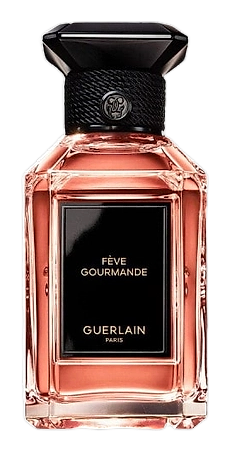
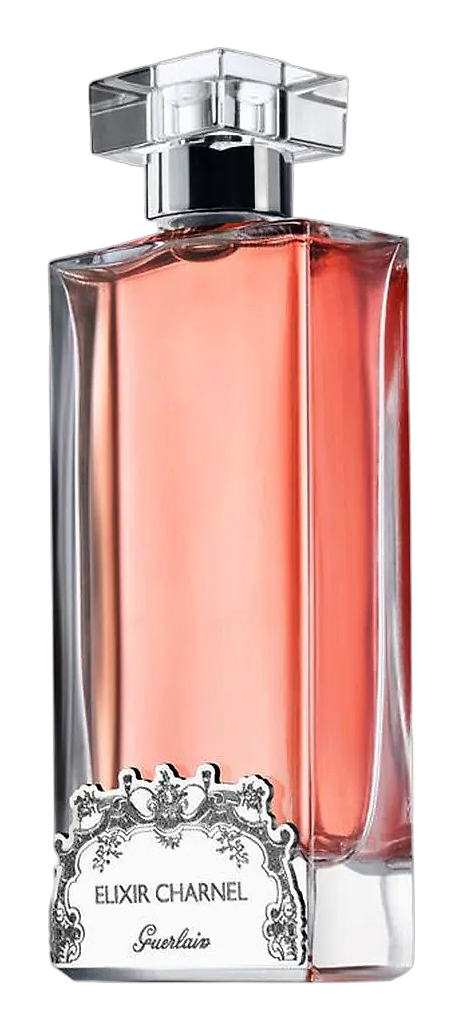
The Elixir Charnel line arrived in 2008, and Gourmand Coquin was the one that made people lean closer. Coquin means mischievous in French. The naming was a promise: playful, bold, unapologetically seductive. The fragrance opens on a wave of dark rum and golden vanilla, rich and immediately present on the skin. There's a warmth that feels almost alcoholic in its immediacy, like the first sip of something good. The spirit of mischief is baked into the construction itself, from the sticky sweetness of the opening through the dried rose and dark chocolate that follows. This is a fragrance that doesn't ask permission.
The choice of chocolate and rum as anchor notes is audacious. These are ingredients that either overwhelm a composition or become caricature. Here, the smoked tea intervenes like a cool glass of water between courses, resetting the palate so the rose can arrive without competing against sugar. The black pepper doesn't shout, it lingers at the edges, reminding you this perfume has teeth.
The evolution
The opening is all rum and golden vanilla, sweet and alcoholic, with the immediacy of a bartender who knows your order. Dark, sticky warmth floods the senses immediately. As the top notes begin to settle, smoked tea surfaces like steam from a cup left too long on the burner. The rose follows, but it's not a soft rose, it's slightly dried, slightly spiced, sharing space with dark chocolate that has learned how to be bitter. The drydown is where Guerlain's quality reveals itself: the chocolate doesn't fade into skin-musk, it settles into something warm and resinous that remains close to the skin for hours, evolve over time, revealing new dimensions as the hours pass.
Cultural impact
Gourmand Coquin occupies an unusual position in the Guerlain canon: it's the one collectors reach for when they want something unexpected from the house. The Elixir Charnel line explored darker, more edible territory, and Coquin stands out within that collection. The rum note carries a boldness that catches attention, the sweet-vanilla warmth feels almost confrontational in its richness. That tension has made it a cult favorite among those who know the line exists, a fragrance that rewards those willing to step slightly outside Guerlain's traditional territory and embrace something sweeter, darker, and more provocatively indulgent.
The House
GuerlainGuerlain stands as one of the oldest and most revered perfume houses in the world, founded in Paris in 1828 by Pierre-François-Pascal Guerlain. What began as a boutique on rue de Rivoli quickly became the preferred destination for Parisian society, attracting dandies and elegant women who sought custom-crafted fragrances. The house's influence grew to such heights that Guerlain earned the title of Official Perfumer to Napoleon III after presenting Eau de Cologne Impériale to Empress Eugénie as a wedding gift in 1853. This royal patronage marked the beginning of Guerlain's enduring association with European aristocracy, as the house went on to create fragrances for Queen Victoria and Queen Isabella II of Spain. Today, under the creative direction of Thierry Wasser, the fifth-generation perfumer, Guerlain continues to shape the landscape of fine fragrance with a portfolio spanning over 1,100 olfactory creations. The house remains headquartered at its legendary Champs-Élysées mansion, a historic monument that anchors Guerlain's position at the intersection of heritage and contemporary luxury.
The Creator
Christine NagelNagel occupies a distinctive space in contemporary perfumery, favoring sensual, textured compositions over the clean minimalism that dominated for decades. Her fragrances often feature unexpected contrasts: mineral and floral, salty and sweet, cool and warm.