The Story
Why it exists.
Le Baiser du Dragon translates to The Dragon's Kiss. The name isn't decorative, it's a concept. Dragons in myth are never just one thing: protectors and destroyers, the creatures that both threaten and captivate. The dragon is the guardian of treasure, the force that must be reckoned with. That's the energy this fragrance channels. An invitation into a world where danger and seduction share the same breath. The dragon's fiery breath, bitter smoke enveloping the senses, then, suddenly, a gentle warmth settling against the skin.
If this were a song
Community picks
Clair de Lune
Claude Debussy
The Beginning
Le Baiser du Dragon translates to The Dragon's Kiss. The name isn't decorative, it's a concept. Dragons in myth are never just one thing: protectors and destroyers, the creatures that both threaten and captivate. The dragon is the guardian of treasure, the force that must be reckoned with. That's the energy this fragrance channels. An invitation into a world where danger and seduction share the same breath. The dragon's fiery breath, bitter smoke enveloping the senses, then, suddenly, a gentle warmth settling against the skin.
What makes this composition work is the restraint in the construction. The bitter almond opening isn't a shock tactic, it's a statement that clears the space for everything that follows. Alberto Morillas gave the florals and woods room to develop without being rushed. The gardenia doesn't compete with the almond; it responds to it. The cedar doesn't overwhelm the neroli; it complements. This is what separates an interesting fragrance from one that actually wears well over time. The bitter edge that opens eventually softens into something warm and resinous, but it takes its time getting there. The drydown is where the real magic happens.
The Evolution
The opening is immediate: bitter almond and amaretto create an almost edible intensity. The gardenia adds a creamy white floral quality, and the neroli brings a bright citrus note that cuts through the density. This is the sharpest phase, confident, almost medicinal. Twenty minutes in, the florals take over. Jasmine and rose arrive in the heart, with cedarwood and iris providing structure beneath. The composition deepens but doesn't lose its initial edge. By the third hour, the base notes announce themselves. Vetiver, patchouli, benzoin, and amber create a warm, resinous foundation. The dark chocolate and caramel appear together, an unexpected sweetness that shouldn't work but does. The vetiver becomes the dominant note at this point, that earthy, smoky quality that lingers. The drydown lasts 8-10 hours on most skin types. The chocolate and caramel fade first, leaving the vetiver and patchouli to carry the final hours. Benzoin and amber add a powdery warmth to the drydown. Cedarwood persists throughout, becoming a subtle trail that lingers into the next day.
Cultural Impact
Le Baiser du Dragon holds its own among Cartier's most distinctive woody Orientals. The 2003 Alberto Morillas composition, an almond-forward scent with dark chocolate, caramel, and vetiver, has found its audience among those who prefer their Orientals with edge over those who prefer them safe.

The House
France · Est. 1847
From a small Parisian workshop in 1847 to one of the most celebrated fragrance houses in the world, Cartier has spent over 175 years translating the language of precious gems into something you can wear against your skin. Every Cartier fragrance is conceived as invisible jewellery, an intimate ornament that speaks to the same desire for beauty and craftsmanship that has drawn royalty and connoisseurs to the Maison for generations. The panther prowls through its scent wardrobe, diamonds catch light in crystalline bottles, and rare ingredients arrive from distant corners of the globe. This is luxury in its most wearable form.
If this were a song
Community picks
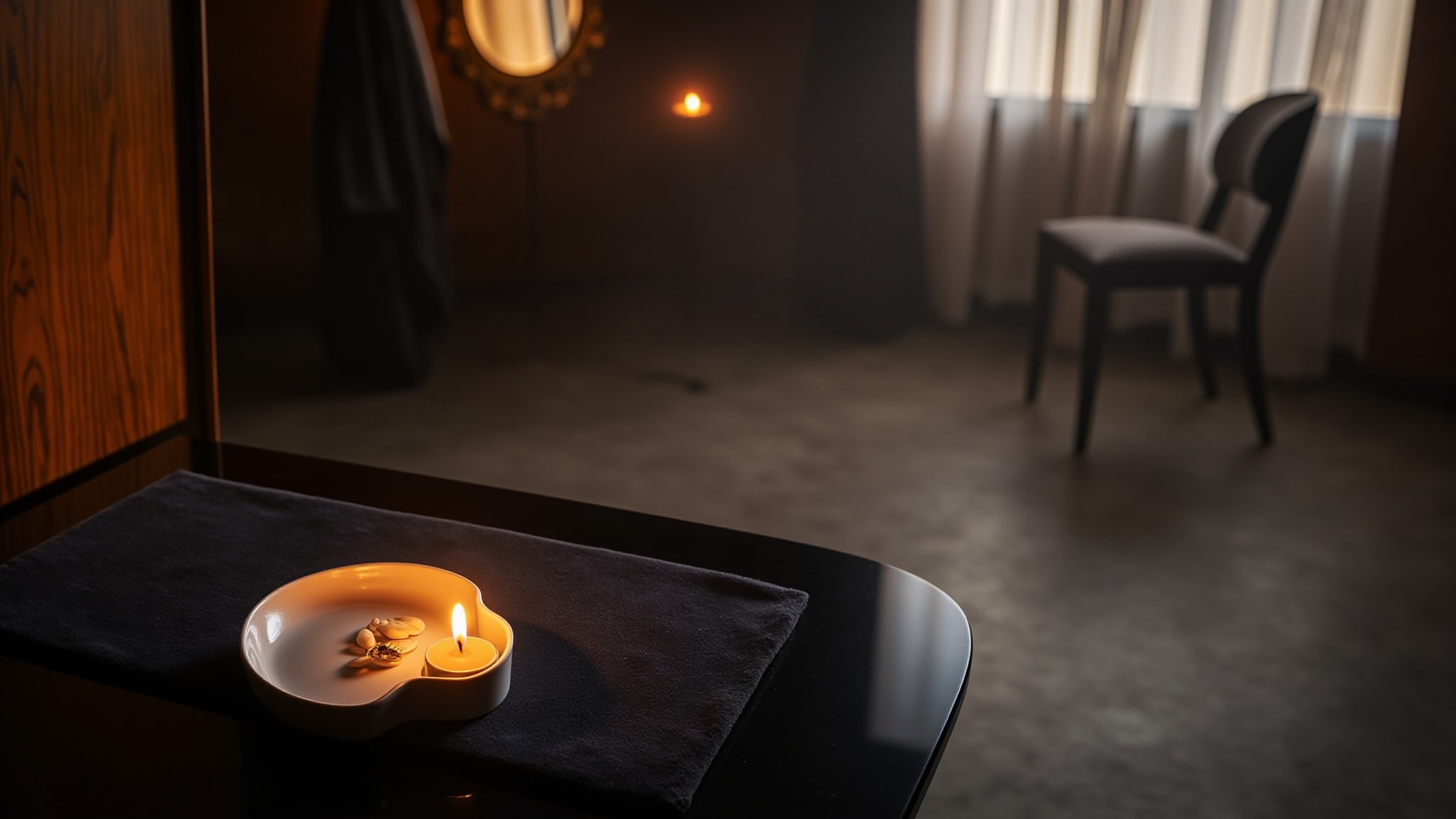
Like the fragrance itself, the opening is sharp and bitter, then softens into something warm and edible. The drydown is intimate, lingering. This is music for candlelit rooms and late nights, where the sweetness eventually wins but takes its time getting there.
Clair de Lune
Claude Debussy