









































Heritage
A house, in its own words
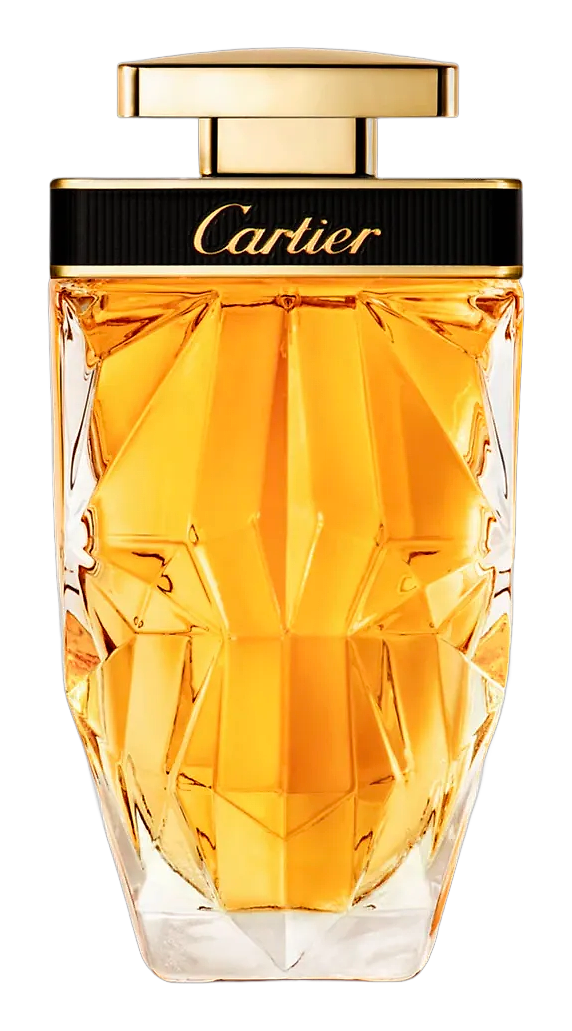
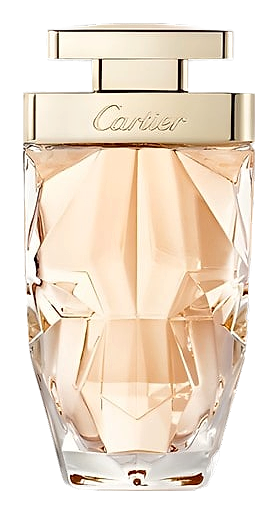
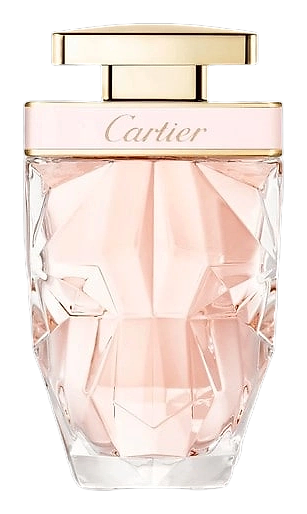
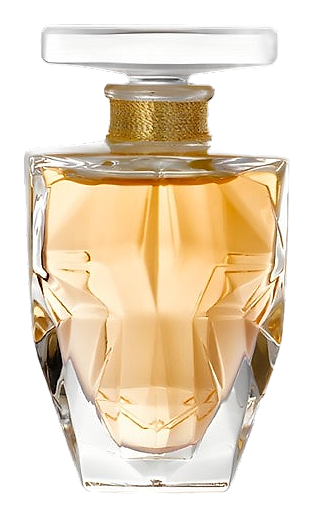
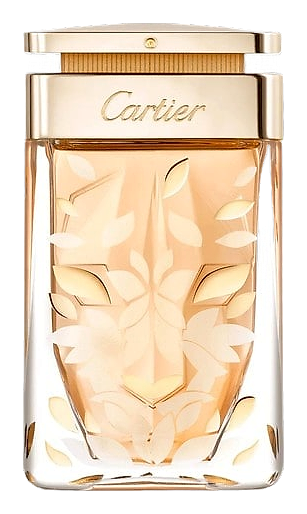
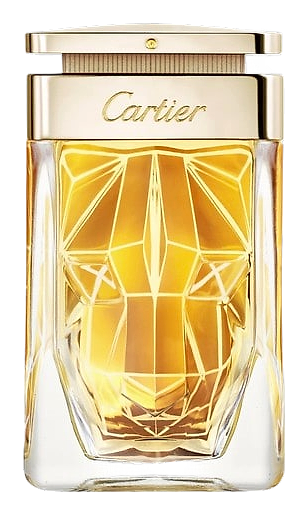
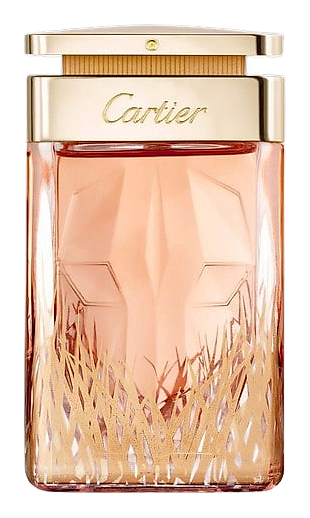
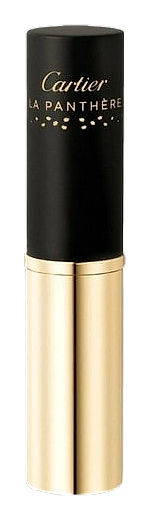
Louis-François Cartier was born in 1819 to a washerwoman and a metal worker in Paris. He took over his master's workshop in 1847 and renamed it Cartier. His son Alfred inherited the business, moving it to the prestigious rue de la Paix. Alfred's three sons then divided the world between them as children, tracing borders across a map in a Paris bedroom: Louis would run Paris, Pierre New York, Jacques London. By the early 1900s, the Maison held the royal warrant from Edward VII, who declared Cartier 'the jeweller of kings and the king of jewellers.' The king commissioned 27 tiaras for his coronation. American heiresses including Consuelo Vanderbilt and Marjorie Merriweather Post followed European royalty through Cartier's doors. Louis Cartier proved the visionary, introducing platinum to jewellery-making and creating the Santos and Tank watches. In the 1930s, Jeanne Toussaint, muse to Louis Cartier, brought the panther to life, earning her the nickname that became the Maison's defining symbol. The Duchess of Windsor commissioned a panther brooch in 1948 with a 116.75 carat emerald. Richard Burton gave Elizabeth Taylor a 69.42 carat diamond from Cartier; Prince Rainier chose the Maison for Grace Kelly's engagement ring. By the 1970s, Cartier broadened its reach with Must de Cartier, bringing accessible luxury to a new generation. The fragrance collection arrived shortly after, conceived as precious gems for the skin. Cartier believes beauty speaks a universal language that crosses borders and cultures. The Maison draws from its jewellery heritage to create fragrances that feel like intimate accessories, objects of desire to be worn close to the skin. Every scent must embody the same devotion to exceptional materials and timeless elegance that defines Cartier's work in gold and gemstone. The house approaches fragrance as an extension of its creative universe rather than a separate category. This means boldness tempered by refinement, modernity rooted in tradition, and an unmistakable sense of occasion. Cartier perfumes are not meant to disappear into the background. They announce presence, they capture attention, they linger in memory the way a extraordinary piece of jewellery does. The panther, born from Jeanne Toussaint's bold vision in the 1930s, remains the soul of the collection, prowling through designs both literal and abstracted.