The Story
Why it exists.
The beginning
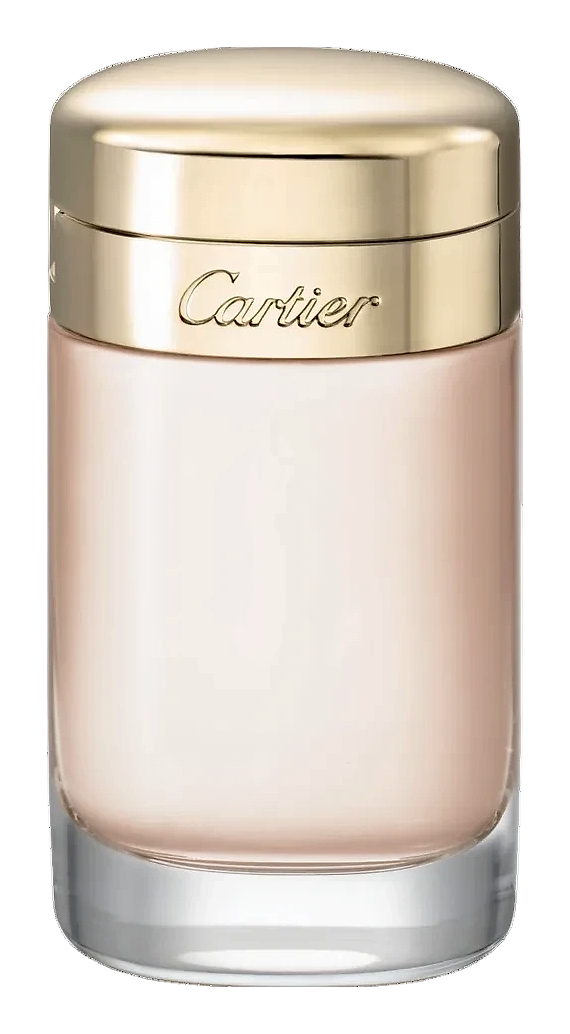
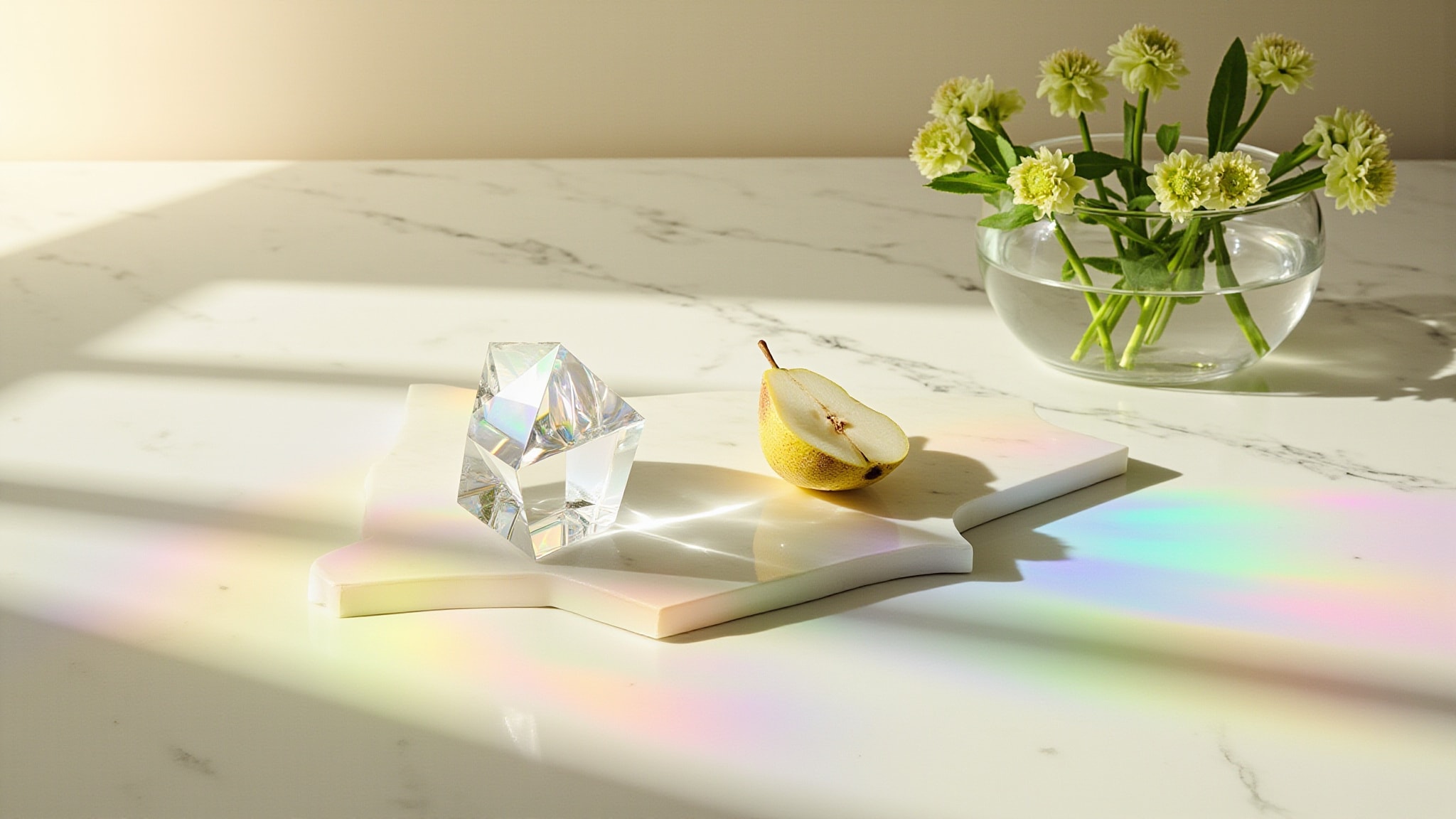
For Carat, the creative director reached for diamonds, not as metaphor, but as optical phenomenon. The concept: diffraction. The way a diamond breaks white light into a spectrum of color. She wanted the same thing to happen with flowers. Seven of them. Each one a different hue of the rainbow, combined into an abstract bloom that had never existed before. Violet and hyacinth for the cool end of the spectrum. Ylang-ylang and narcissus for the warm. Tulip and honeysuckle bridging the gap. Lily as the white light that holds it all together. The brief was simple: make a flower that shines. The result is an abstraction of a garden, not a representation of one. Light passing through a prism rather than a bouquet on a table.
The pyramid tells you something unusual is happening. Eight heart notes arranged with no obvious hierarchy, each one asserting itself rather than deferring. The structure mirrors a bouquet picked fresh from a garden rather than arranged by a florist. Stems competing with blooms, green cutting through sweetness. The base is deliberately light: mimosa and white musk. No wood, no amber, no weight to pull it down. The freshness is the point. It's a fragrance that refuses to settle into something heavier because the light is supposed to stay bright. That's the diamond logic. That's Carat.
The evolution
The opening is immediate and confident, bergamot and green notes announce themselves without apology, pear adding a faint sweetness that keeps it from becoming too sharp. Then the hyacinth arrives. This is where the fragrance commits. Hyacinth can read as soap, as cleaning product, as the hallway of someone's very organized home. Here it reads as green and alive, the stem and not the petal. The tulip follows thirty seconds later, adding a softness that undercuts the hyacinth's assertiveness. For the next two hours, the heart plays out as a chorus rather than a solo, each flower taking a turn, none dominating. The violet appears briefly, powdery and violet-petal specific. The honeysuckle adds a honeyed warmth that prevents it from becoming clinical. Ylang-ylang surfaces in the background, tropical and warm. When the heart begins to fade, the mimosa takes over, soft, yellow, slightly powdery, and the white musk keeps it close to the skin rather than projecting outward. The drydown is intimate.
Cultural impact
Carat arrived as Cartier's answer to the floral-fresh category, but it never quite found its audience. The concept, seven flowers as diffraction, is intellectual enough for fragrance forums but the execution reads as soap-adjacent to casual wearers. That's the tension. It's too interesting to be mainstream, too fresh to be niche. There aren't many fragrances that commit this hard to the hyacinth-soap tension.