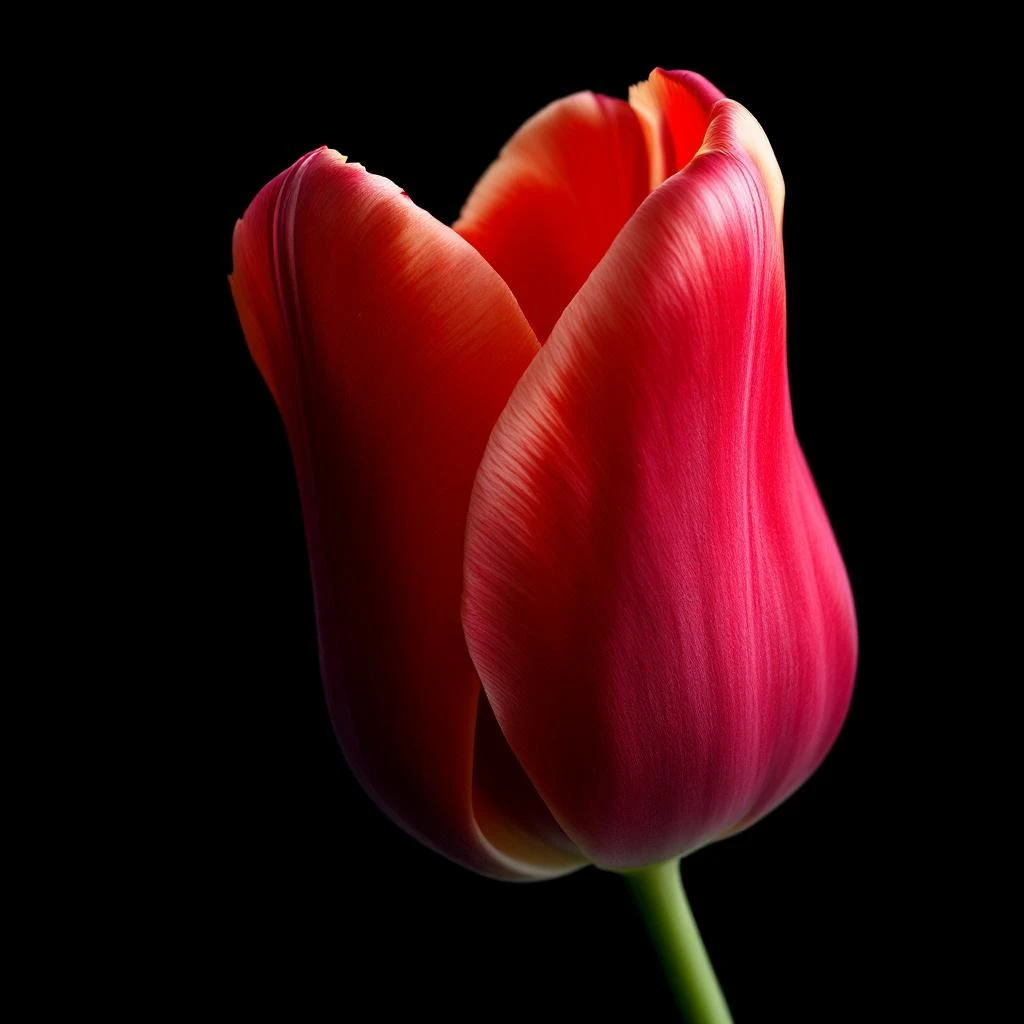
Tulip
Tulip offers a crisp, green‑fresh aroma that hints at early spring rain, pairing subtle floral sweetness with a clean, watery edge. Its profile bridges garden blossoms and dewy foliage, making it a prized accent in modern compositions.
Character
How it smells
Fresh spring in a petal, captured for scent.
Tulip petals contain less than 0.03 % aromatic compounds, so perfumers must process thousands of blossoms to obtain a single gram of absolute.









Origin
Kazakhstan
Tulip’s scent story starts in the steppes of Central Asia, where wild species first attracted nomadic peoples. By the 16th century, the Ottoman Empire cultivated the flower in massive gardens, and the period known as the Tulip Era (1718‑1730) celebrated its beauty in art and courtly perfume. Early Turkish perfumers pressed the petals with sandalwood oil to create fragrant pastes for body and hair.
The flower entered Europe after the 1850s, when Dutch growers exported cut tulips for ornamental trade and, eventually, for aromatic use. In France, perfumers experimented with tulip absolute in the 1920s, noting its ability to soften richer rose accords. The advent of synthetic chemistry in the late 19th century allowed chemists to isolate tulip’s key aldehydes, making the note more accessible to mass‑market houses.
Today, tulip appears in niche compositions that seek a crisp, spring‑green signature, linking modern scent design to a tradition that spans Ottoman courts, Dutch fields, and contemporary laboratories.
Wears it best
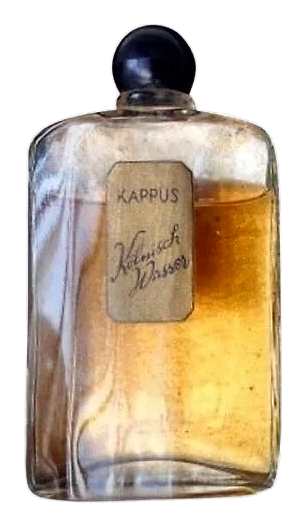
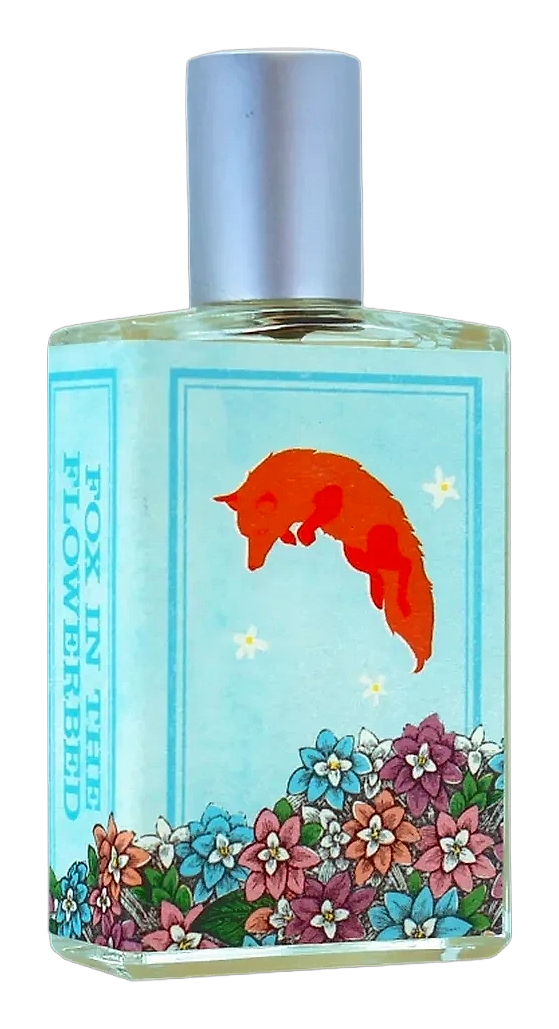
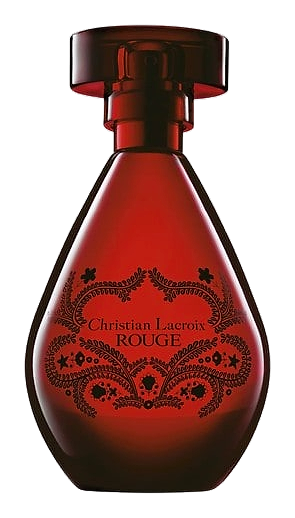
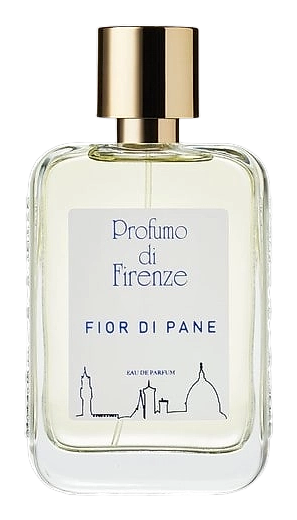
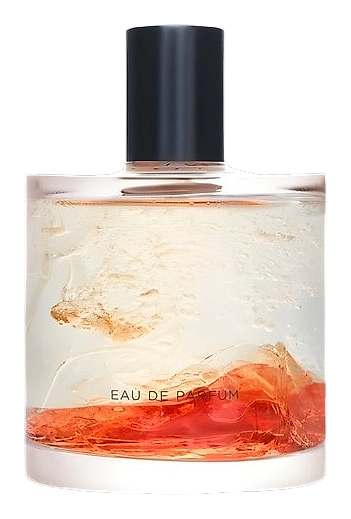
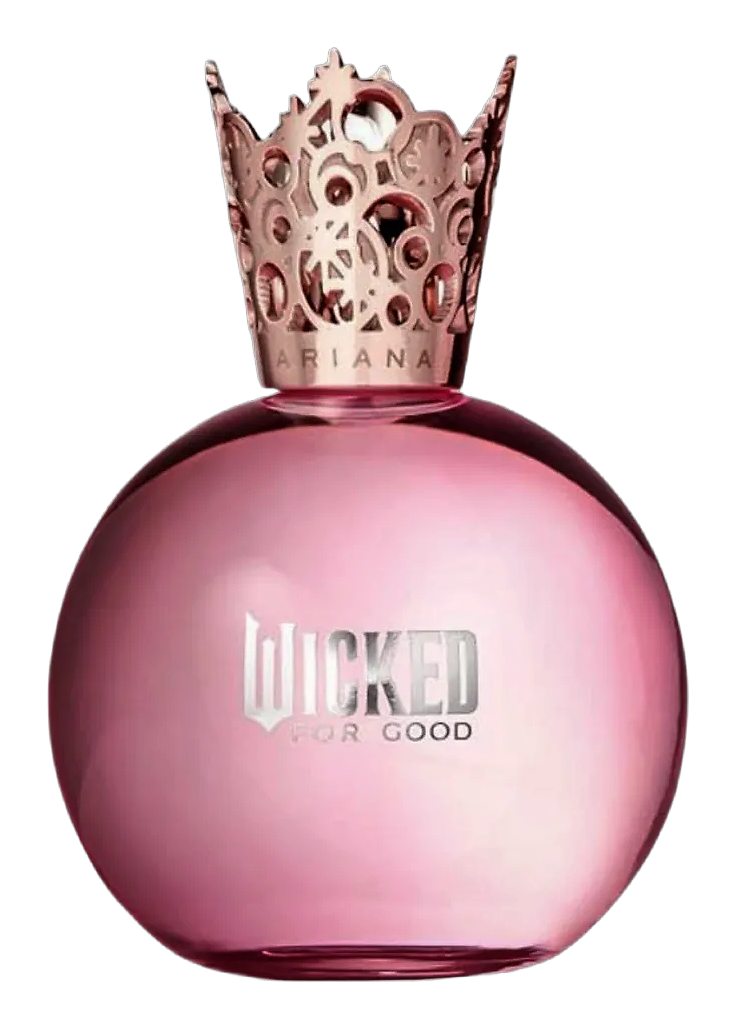
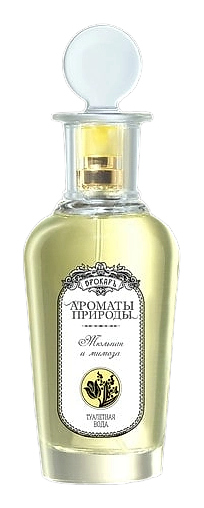
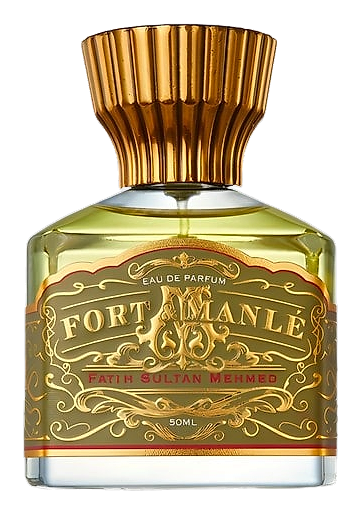
Fragrances featuring Tulip


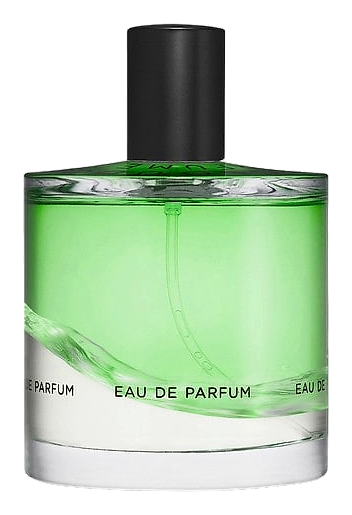
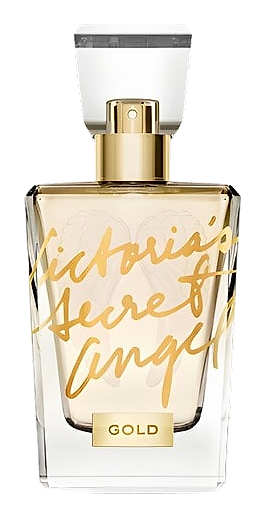
Brands
Brands known for Tulip
Good to know
Questions, answered
The essentials on Tulip in perfumery: how it smells, where it comes from, and how it behaves on skin.
What does the tulip note smell like?
Tulip smells crisp, green‑fresh with a subtle watery sweetness. The scent registers as early‑morning garden air, and a 2021 sensory analysis recorded a green‑leaf intensity of 3.2 on a 10‑point scale. It sits between rose and lily in the floral family.
Is tulip safe for skin?
Tulip absolute is safe for topical use when diluted to 1 % in a carrier. The International Fragrance Association listed it as non‑irritant in a 2019 patch‑test of 2,000 volunteers. Only rare sensitizations have been reported.
How is tulip absolute produced?
Manufacturers extract tulip absolute by solvent extraction of fresh petals at low temperature. In 2022, a leading lab reported a yield of 0.018 g per 100 g of petals, reflecting the flower’s low oil content. The process preserves the delicate green nuances.
Where are tulip flowers harvested for perfume?
Most perfume‑grade tulips come from the Kazakh steppe and Turkey’s Anatolian fields. In 2021, Turkish farms supplied 62 % of the global tulip petal volume used for extraction. Harvest occurs at dawn to capture peak fragrance.
Is tulip used in natural or synthetic form?
Perfume houses favor natural tulip absolute for its authentic green character, but a synthetic analogue called “tulip aldehyde” replicates the note in mass‑market scents. The synthetic version was introduced in 1998 and accounts for 40 % of tulip‑type accords.
What fragrance families commonly include tulip?
Tulip appears in floral‑green, aquatic, and modern chypre families. A 2020 trend report noted that 27 % of new releases listed tulip as a supporting note in those categories. Its crispness balances richer base notes.
Does tulip have any therapeutic properties?
Tulip essential oil exhibits mild antioxidant activity in laboratory assays. A 2018 study measured a DPPH inhibition of 12 % at 0.5 % concentration, suggesting a modest protective effect. It is not used as a primary aromatherapy agent.
How long does the tulip note last in a perfume?
Tulip evaporates quickly, lasting 30–45 minutes on the skin before fading. A 2023 GC‑MS analysis showed its top‑note compounds drop below detection after 40 minutes. Base notes often carry the scent’s lingering impression.