Jean-Jacques Diener
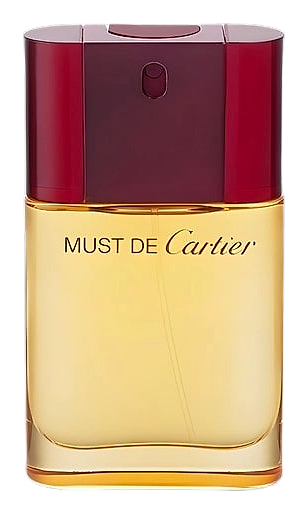
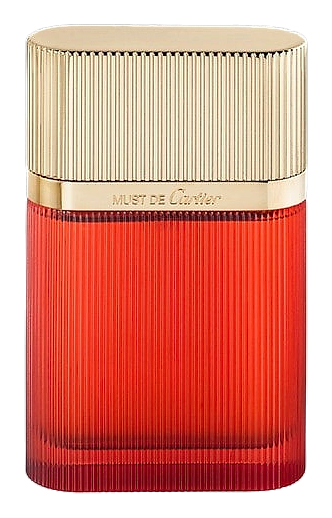
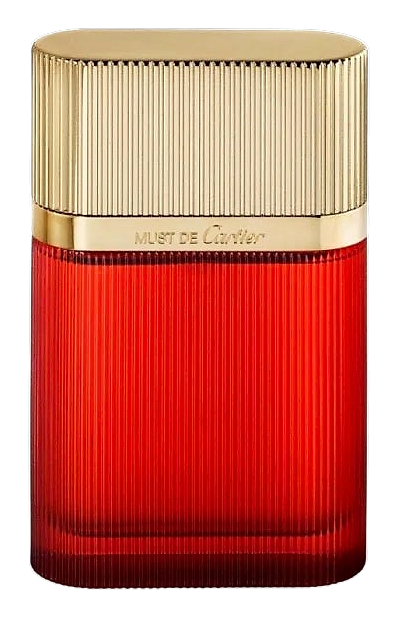
Jean-Jacques Diener grew up in the crucible of French perfumery, training in Grasse before entering the professional fragrance world through Givaudan's laboratories during the 1970s. Over the next two decades he sharpened his craft at one of the industry's most demanding houses, developing a keen instinct for balance and lasting impression. His breakthrough came in 1981 with Must de Cartier, an opulent oriental that announced him to the wider world. He continued composing notable work for Shiseido'sNombre Noire in 1982, deepening a collaboration that spanned decades. In 1997 he stepped into the role of house perfumer at Jean Patou, a house steeped in Parisian couture tradition, and assumed full creative direction the following year. His own eponymous fragrance line, launched in 1997, capped a career defined by discretion and precision. Diener stepped away from the industry over two decades ago, settling in San Miguel de Allende, where he has remained since.
The hits
Notable creations


The signature
How Jean-Jacques composes
Diener draws heavily on oriental vocabulary, with a particular affinity for warm resins, animalic musks, and creamy woods. His work often features smooth transitions between notes rather than sharp contrasts, producing perfumes that develop slowly on the skin. He has shown consistent skill with amber and vanilla foundations, and his Cartier work demonstrated a facility for powdery, semi-gourmand facets. At Jean Patou, his style shifted toward the sporty-chic sensibility the house demanded, but always retained an underlying warmth that signals his Grasse roots. He prefers working with natural materials where possible and has been drawn to iris, labdanum, and sandalwood as anchoring elements across his career.
Philosophy
What drives Jean-Jacques
Diener approaches composition with the patience of someone who learned his art before digital tools existed. He favors clarity over complexity, building fragrances that feel deliberate rather than layered on. His work tends toward structure: a clear opening, a considered heart, a drydown that rewards attention. Rather than chasing trends, he has described himself as drawn to the timeless properties of raw materials, particularly how classic materials behave when pushed into unexpected configurations. This measured sensibility shaped his work across both prestige and accessible markets, and it defines the restrained confidence of his own label.
The houses
Maisons Jean-Jacques composes for
In the same league