
The Story
Why it exists.
The beginning
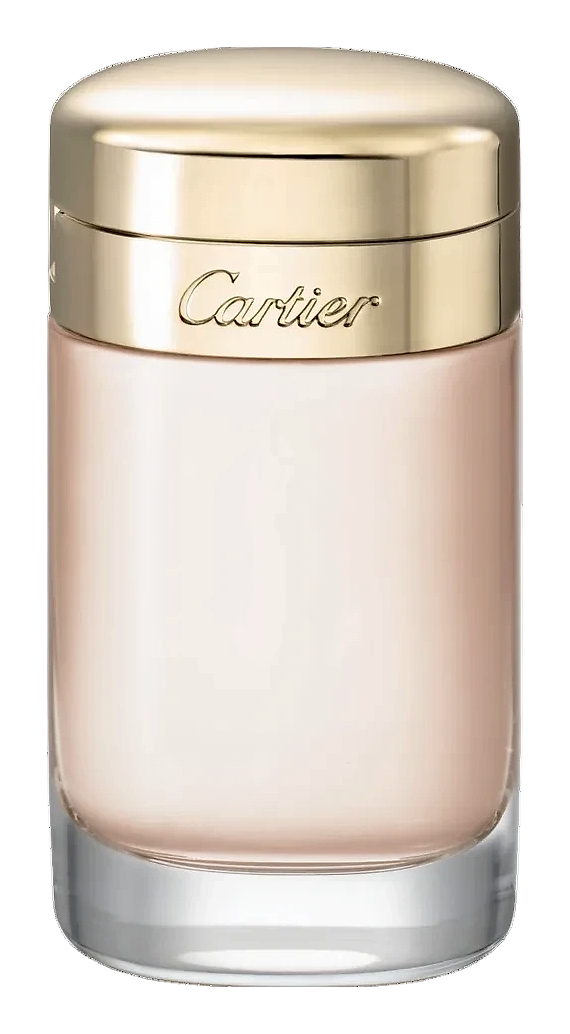
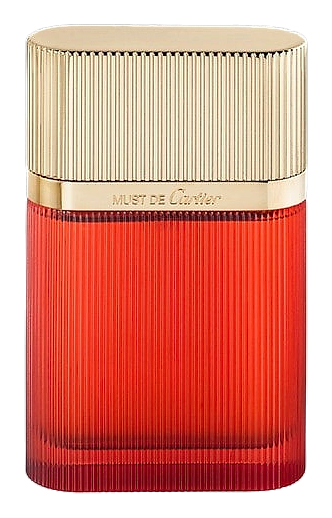
In 1981, Cartier decided its first perfume should be something that refused to behave like one. Not a florals-and-powder composition that followed the era's playbook. Something with galbanum at its center, that green, slightly bitter note that smells like the first morning after rain. Jean-Jacques Diener built the structure around it, letting the green lead and then stepping back to let jasmine and rose carry what came next. The name said everything: Must. As in, of course you must.
What makes the Must de Cartier structure interesting is how it inverts the typical oriental pyramid. Usually, the vanilla arrives last, a base-layer payoff. Here, the galbanum opens so sharply that when the vanilla finally settles in, it reads as relief rather than dessert. The jasmine and rose in the heart don't sweeten the composition so much as they soften its edges, keeping the green from biting too hard. It's a careful balance: enough sharpness to stand out, enough warmth to wear comfortably.
The evolution
The opening arrives like a cold splash. Galbanum, bright and almost medicinal, cuts through everything for the first fifteen minutes. Then the jasmine begins to surface, not blooming so much as arriving, quietly, underneath the green. The mandarin orange and neroli don't announce themselves; they soften the edges of the galbanum instead. By the second hour, the heart has taken over. Rose and jasmine, warmer now, with the vanilla beginning its slow climb from the base. The drydown is where this version earns its name. Vetiver and musk settle into something that lingers, not loud, but present. Eight to ten hours on most skin, close enough that you catch it when you move. The next morning, there's a faint warmth on the wrist where it settled last.
Cultural impact
Must de Cartier arrived in 1981 as the Maison's first fragrance, a statement of intent from a house better known for diamonds and tiaras. The galbanum opening was unusual for its era, when mainstream women's fragrances leaned heavily into aldehydes, florals, and powder. It carved a different path: green and sharp, with oriental warmth underneath. Decades later, it still holds a place in the collections of people who remember what it smelled like in the 1980s, and among a new generation discovering it through vintage finds and the occasional reissue.