


The Heritage
The Story of Masaki Matsushima
Masaki Matsushima is a Japanese‑born designer who turned his fashion sensibility toward fragrance at the turn of the millennium. The brand, often styled as Masakï, offers a compact catalogue of scents that blend minimalist aesthetics with a distinctly Japanese sense of colour and texture. Each perfume carries a simple label—mat; white, mat; orange, Aqua Platinum—and invites collectors to explore subtle shifts in mood rather than overt statements. The line sits at the intersection of Tokyo’s design culture and the craftsmanship of a French perfumery partner, delivering a quiet confidence that feels both contemporary and rooted in tradition.
Heritage
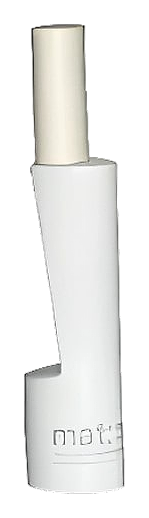
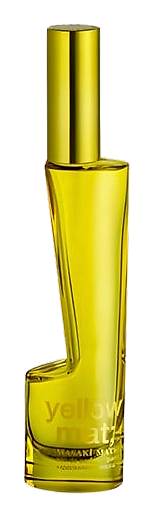
Masaki Matsushima graduated from Bunka Fashion College in Tokyo before launching his own fashion label in 1992 under the name Masakï Matsushïma International. For eight years the label focused on apparel, gaining a modest following among Tokyo’s avant‑garde circles. In 2000 the designer announced his entry into perfumery, a move documented by several niche fragrance retailers. The following year he released his first fragrance collection, a series of scents all prefixed with the word “mat;” and distinguished by a single colour name—mat; white, mat; orange, mat; yellow, among others. The collection emphasized a restrained palette, echoing the designer’s fashion ethos of clean lines and muted tones. A pivotal moment arrived when Matsushima partnered with the French house Panouge (sometimes rendered as Panouge). The collaboration, described in the brand’s own communications as a two‑decade creative synergy, allowed the Japanese designer to access French expertise in raw material selection and blending while retaining full artistic control. This partnership produced later releases such as Aqua Mat Homme (2008), M;0°С Men (2009), Masaki Aqua Platinum (2010) and Art Homme (2011). Each launch was accompanied by a modest press note rather than a large‑scale advertising push, reinforcing the brand’s low‑key positioning. Throughout the 2010s the line remained small, with new releases appearing roughly every two to three years. The brand’s focus on limited editions and a tight scent family has cultivated a niche following among collectors who value consistency and subtle evolution over trend‑driven launches. As of 2024 the catalogue includes roughly a dozen distinct fragrances, all bearing the signature “mat;” or “Art” prefixes, and the brand continues to operate from its Tokyo headquarters while maintaining production ties to France.
Craftsmanship
Every Masaki Matsushima fragrance begins with a brief that references a colour, a temperature or a simple visual cue. The French partner Panouge then selects raw materials that can embody that cue. For example, the "mat; white" scent relies on soft, airy notes such as lily of the valley and white musk, while "mat; orange" incorporates bright citrus accords balanced by subtle amber. The sourcing process favours suppliers with long‑standing relationships in Grasse and the Japanese islands, ensuring consistency across batches. The blending stage takes place in a Panouge laboratory that adheres to European Union standards for safety and quality. Master perfumers, whose names are not publicly disclosed, follow a structured formula that limits the total number of ingredients to under fifteen, a deliberate choice that reinforces the brand’s minimalist ethos. After the mixture reaches its intended concentration, it undergoes a three‑month maturation period in temperature‑controlled vaults. This resting time allows the components to integrate fully, reducing the risk of harsh edges that could clash with the intended subtlety. Quality control includes both analytical testing (gas chromatography‑mass spectrometry) and sensory evaluation by a panel of senior perfumers. Each batch must meet a predefined scent profile before it is approved for bottling. The bottles themselves are produced in a French glassworks facility that specialises in simple, geometric shapes. The glass is clear, allowing the pale hue of the perfume to be visible, and the caps are machined from brushed aluminium to complement the understated aesthetic. Packaging materials are sourced from recycled sources wherever possible. The outer boxes feature a matte finish with a single embossed colour strip that mirrors the fragrance’s name. This design choice reduces the need for additional inks or embellishments, aligning with the brand’s low‑impact philosophy. Shipping is handled through a network of boutique retailers that store the products in climate‑controlled environments, preserving the integrity of the scents from factory to consumer.
Design Language
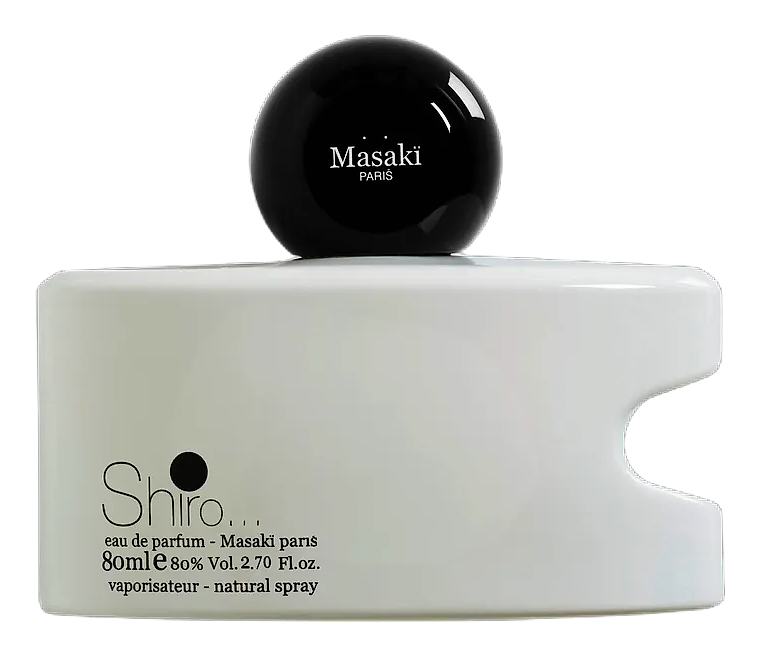
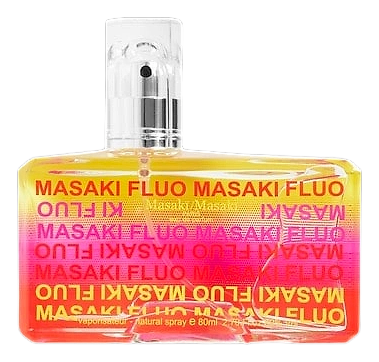
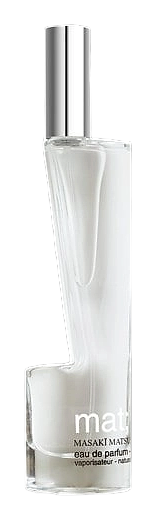
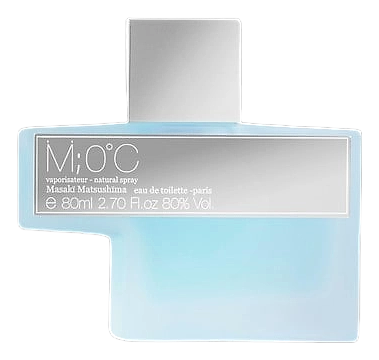
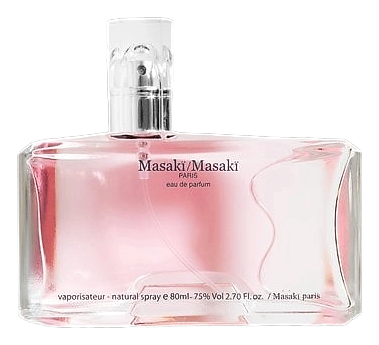
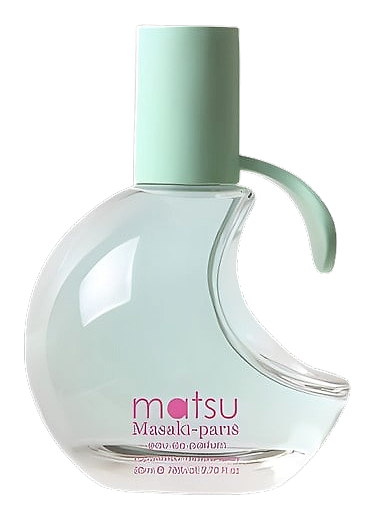
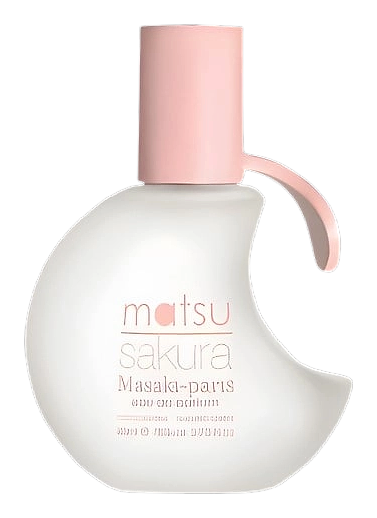
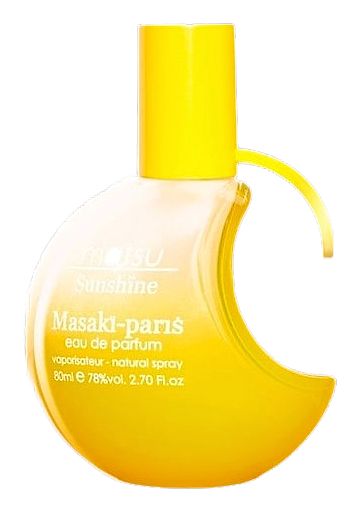
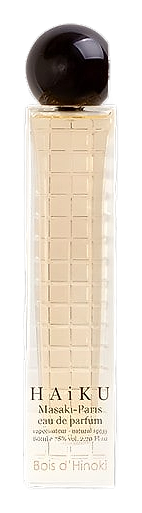
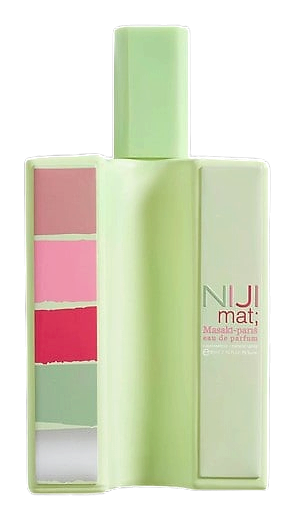
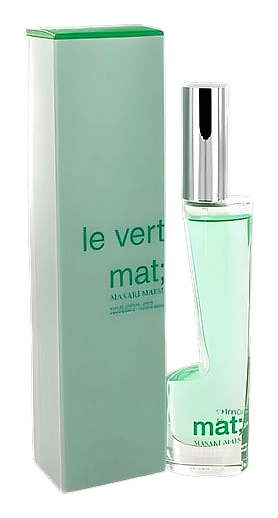
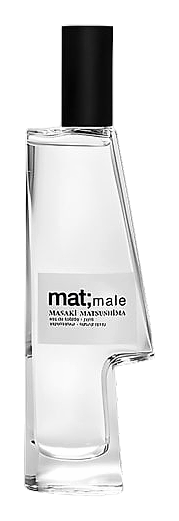
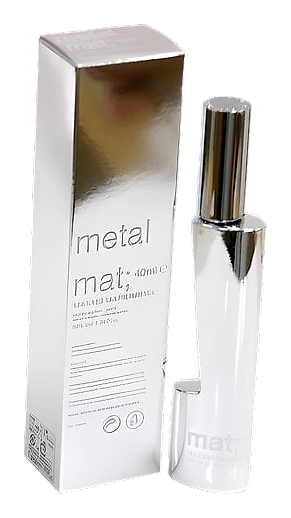
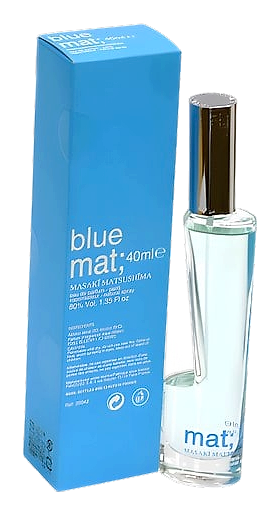
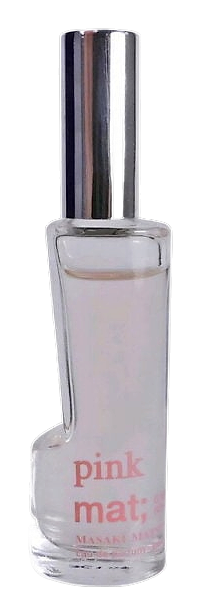
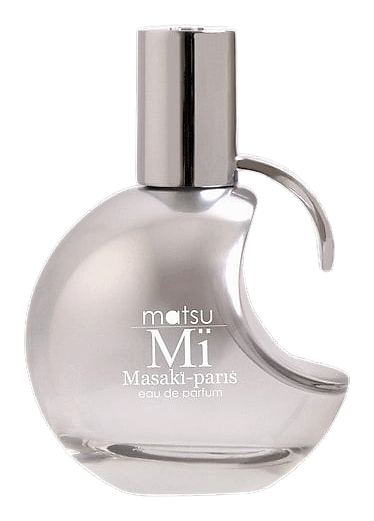
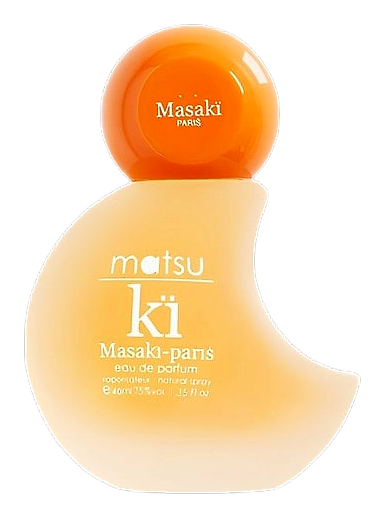
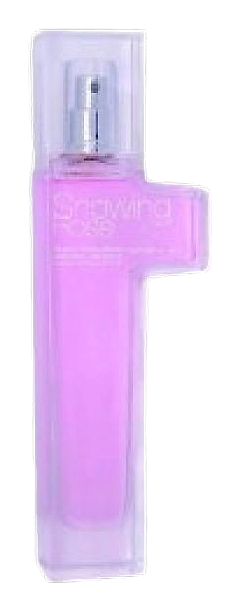
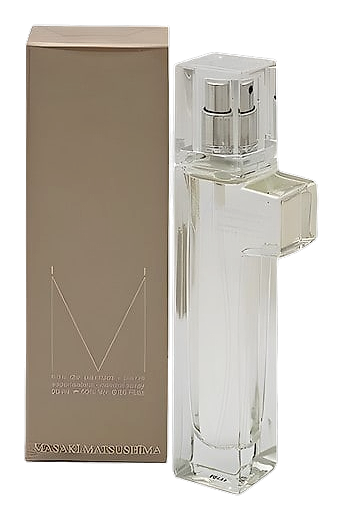
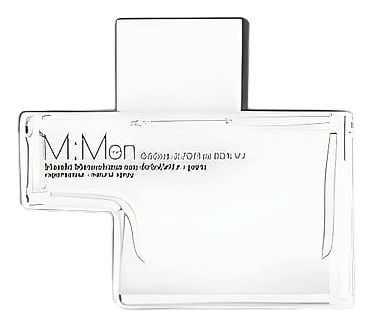
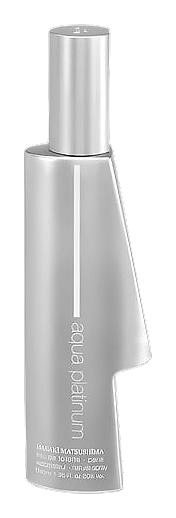
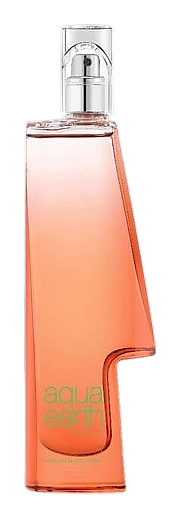
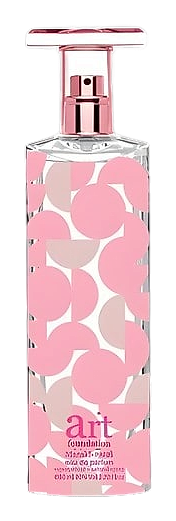
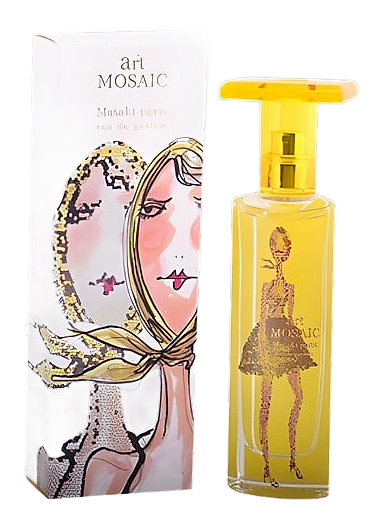
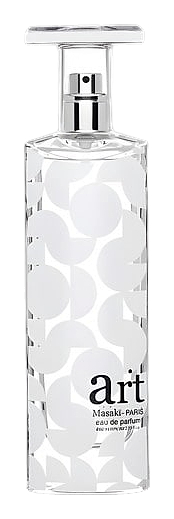
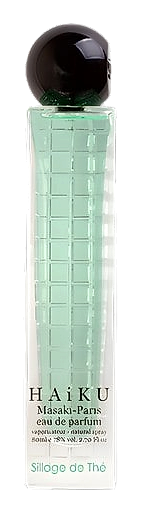
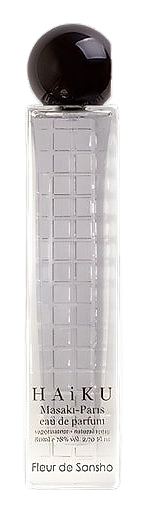
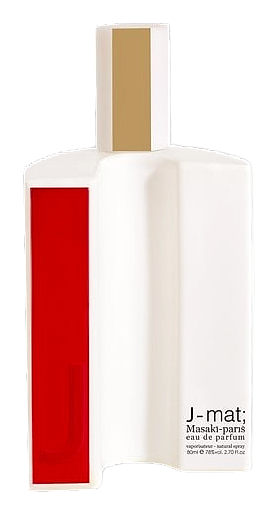
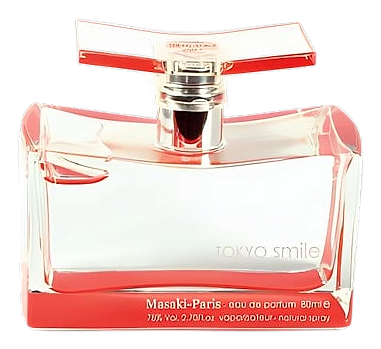
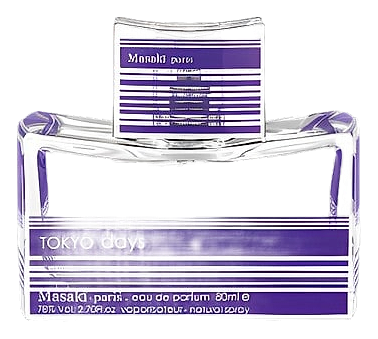
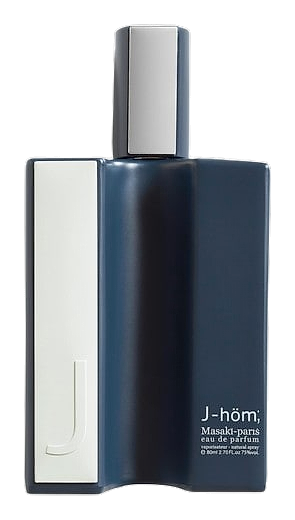
Visually, Masaki Matsushima embraces a minimalist language that mirrors its olfactory approach. Bottles are tall, slender cylinders with clean lines and no superfluous decoration. The glass is typically clear or lightly tinted to echo the fragrance’s colour cue—white for mat; white, amber for mat; orange, and so on. Caps are brushed aluminium or matte black, providing a subtle contrast without drawing attention away from the bottle’s form. The brand’s graphic identity uses a sans‑serif typeface with generous spacing, reinforcing a sense of calm order. Labels display the fragrance name in lower‑case letters, followed by the year of release in a smaller font. No additional imagery appears on the packaging, allowing the colour strip or the faint hue of the liquid to become the focal point. This restraint extends to the brand’s retail displays, which often feature simple wooden shelves or monochrome backdrops that let the bottles stand out on their own. Marketing materials, when they appear, follow the same visual discipline. Photographs show the bottles placed against neutral backgrounds, sometimes accompanied by a single prop—a leaf, a stone, or a piece of fabric—that hints at the scent’s inspiration without overt explanation. The overall image conveys a quiet confidence, positioning the brand as a bridge between Japanese design minimalism and French perfumery tradition.
Philosophy
Masaki Matsushima approaches scent as an extension of visual design. He treats colour as a primary cue, assigning each fragrance a hue that guides the olfactory narrative. In interviews the designer has explained that a scent should feel like a brushstroke on a canvas—visible only through the senses that experience it. This philosophy drives the brand’s decision to keep ingredient lists short and to avoid overtly theatrical storytelling. Instead, each bottle invites the wearer to discover a quiet moment, whether that moment is the crispness of a winter morning (M;0°С Men) or the calm of a still lake (Aqua Platinum). The brand also values restraint in marketing. Rather than relying on celebrity endorsements or mass media, Masaki Matsushima lets the product speak for itself. The designer believes that a perfume’s reputation grows organically through word‑of‑mouth among discerning users. This stance aligns with the broader Japanese aesthetic of "shibui"—simple, unobtrusive beauty that rewards close observation. The collaboration with Panouge reflects a commitment to craftsmanship: the French house supplies high‑quality raw materials, while the Japanese side directs the creative brief. Together they aim to produce scents that feel both technically refined and emotionally resonant. Sustainability appears as a quiet undercurrent. The brand sources several natural ingredients from certified farms in France and Japan, and it avoids excessive packaging. When a new fragrance launches, the company typically releases a limited batch, reducing waste and encouraging collectors to treat each bottle as a curated object rather than a disposable commodity.
Key Milestones
1992
Masaki Matsushima graduates from Bunka Fashion College and launches his fashion label Masakï Matsushïma International.
2000
The designer announces his entry into fragrance, releasing the first scent of the "mat;" series, mat; white.
2001
Full "mat;" collection debuts, adding mat; orange, mat; yellow and other colour‑named fragrances.
2008
Collaboration with French house Panouge yields Aqua Mat Homme, expanding the line into aquatic themes.
2009
M;0°С Men launches, highlighting the brand’s interest in temperature as a sensory cue.
2010
Masaki Aqua Platinum releases, marking the first platinum‑branded fragrance in the catalogue.
At a Glance
Brand profile snapshot
Origin
Japan
Founded
1992
Heritage
34
Years active
Collection
1
Fragrances released
Avg Rating
3.9
Community sentiment
Release Rhythm


