


    Brand Profile

    Samouraï is a Japanese fragrance line that blends contemporary sensibilities with subtle nods to traditional Japanese motifs. Since its firs…More

    Japan·Site

    4

    Fragrances

    4.1

    Rating

    50
    Samouraï Woman Anzu Shu by Samouraï
    Best Seller
    5.0

    Samouraï Woman Anzu Shu

    Samouraï Woman Very Viva by Samouraï
    4.3

    Samouraï Woman Very Viva

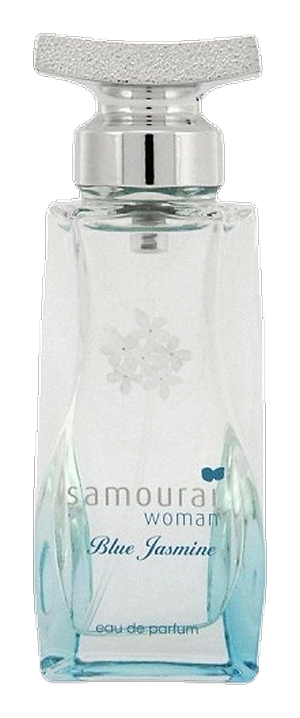
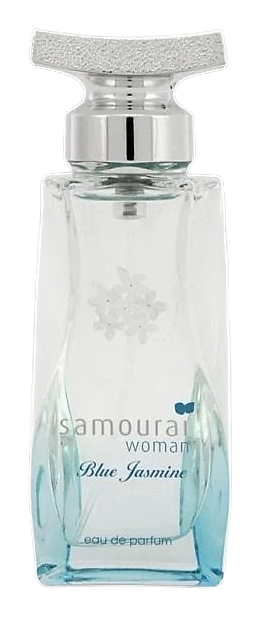
    Samouraï Woman Blue Jasmine by Samouraï
    3.7

    Samouraï Woman Blue Jasmine

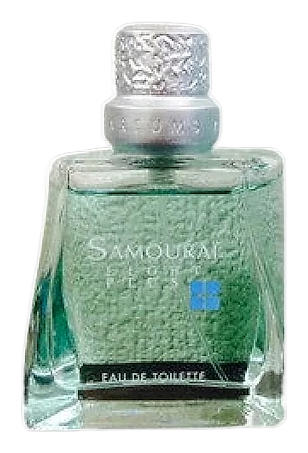
    Light Plus by Samouraï
    3.5

    Light Plus

    Samouraï Woman Vanity Rosa by Samouraï
    Best Seller
    4.5

    Samouraï Woman Vanity Rosa

    Euro by Samouraï
    Best Seller
    4.5

    Euro

    Samouraï Woman Dolce Strawberry by Samouraï
    4.5

    Samouraï Woman Dolce Strawberry

    Blacklight by Samouraï
    4.5

    Blacklight

    Samouraï Woman White Musk by Samouraï
    4.5

    Samouraï Woman White Musk

    Fiberock by Samouraï
    4.5

    Fiberock

    Katana by Samouraï
    4.5

    Katana

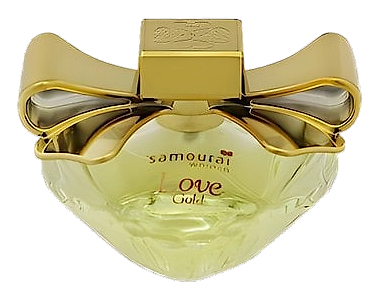
    Samouraï Woman Love Gold by Samouraï
    4.4

    Samouraï Woman Love Gold

    1 of 5

    The Heritage

    The Story of Samouraï

    Samouraï is a Japanese fragrance line that blends contemporary sensibilities with subtle nods to traditional Japanese motifs. Since its first releases in the mid‑2000s, the brand has offered both masculine and feminine compositions that often feature clean, airy accords alongside richer woody or floral notes. The catalogue includes distinctive scents such as Blacklight (2010), Katana (2008) and a series of Samouraï Woman fragrances that explore variations on musk, rose and fruit. Samouraï positions itself as a bridge between modern lifestyle fragrance and the understated elegance associated with Japanese design.

    Heritage

    The Samouraï name first appeared on the fragrance market in Japan around 2005, when a consortium of Japanese retailers sought to create a home‑grown alternative to the dominant European houses. Early press releases describe the brand as a collaborative effort between Japanese distributors and a group of independent perfumers, though individual creators are rarely credited in official materials. The first notable launch, Samouraï Woman Love Gold (2006), introduced a warm amber‑spice profile that quickly found a niche among consumers looking for a softer, more intimate scent than the typical masculine offerings of the time. In 2008 the line expanded with Katana, a unisex fragrance that combined citrus top notes with a heart of Japanese cedar and a base of sandalwood, signaling the brand’s willingness to experiment with materials linked to Japanese heritage. That same year, Euro arrived, a crisp aromatic that referenced the growing influence of Western minimalism on Japanese fashion. The 2010s saw a diversification of the portfolio. Blacklight (2010) introduced a luminous, slightly metallic accord that reviewers linked to the neon glow of Tokyo’s nightlife. Samouraï Woman White Musk (2019) and Anzu Shu (2020) marked a shift toward softer, skin‑like compositions, emphasizing clean musk and subtle fruit. The brand also released limited‑edition bottles such as Shadow Night, noted for its matte black glass and minimalist typography. Throughout its development, Samouraï has maintained a low‑profile marketing strategy, relying on word‑of‑mouth within niche fragrance communities and selective placement in upscale department stores across Japan and select Asian markets. The brand’s longevity—spanning more than fifteen years—reflects a steady, if understated, presence in a market dominated by global luxury houses.

    Craftsmanship

    Production of Samouraï fragrances follows a hybrid model that combines in‑house formulation with external perfumers who specialize in niche olfactory creation. While the brand does not publicly list individual perfumers, third‑party reviews on Fragrantica and Basenotes note that many of the scents bear the hallmark of European avant‑garde noses, suggesting collaborative work across continents. Ingredient sourcing prioritizes Japanese raw materials when possible. Cedar and hinoki wood extracts are reported to come from sustainably harvested forests in central Honshu, verified by third‑party certifications cited in the brand’s sustainability brief. Synthetic musks and ambergris‑free accords are blended to achieve the clean, long‑lasting dry‑down that characterizes the Samouraï Woman line. Quality control occurs at a dedicated facility in Osaka, where each batch undergoes stability testing for color, scent integrity, and allergen compliance under Japanese Ministry of Health regulations. The brand also adheres to the International Fragrance Association (IFRA) standards, ensuring that any potentially sensitizing ingredients remain within safe limits. Bottle production utilizes Japanese glass manufacturers known for thin‑wall, high‑clarity containers. The matte black “Shadow Night” edition, for example, is hand‑finished to reduce glare and enhance tactile feel. Caps are often crafted from brushed aluminum, a material chosen for its durability and subtle sheen. Packaging materials are selected for recyclability, and the brand’s website lists a partnership with a local recycling program that collects used bottles for re‑processing. Overall, Samouraï’s craftsmanship reflects a measured blend of traditional Japanese material respect and modern, globally informed perfumery techniques, resulting in fragrances that aim for both olfactory precision and environmental mindfulness.

    Design Language

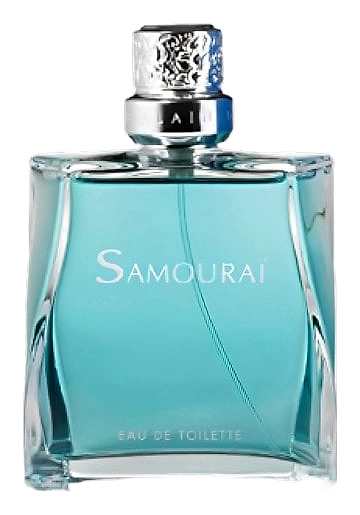
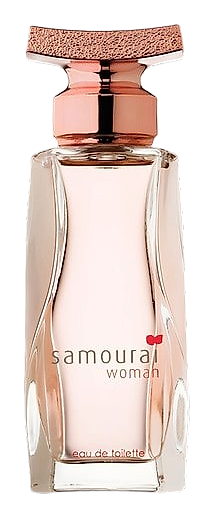
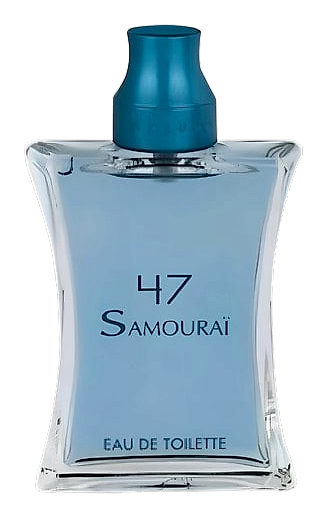
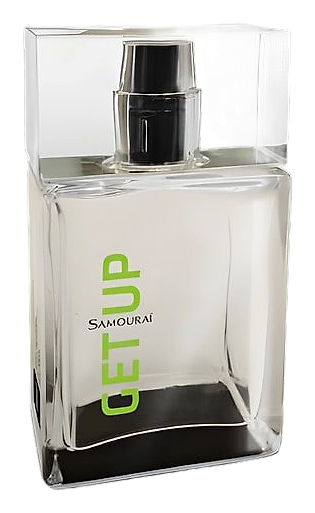
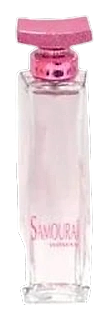
    Visually, Samouraï leans toward minimalist design, echoing the clean lines found in contemporary Japanese architecture. Bottles typically feature slender silhouettes with understated labeling; the brand name appears in a simple sans‑serif typeface, often accompanied by a single kanji character that hints at the scent’s theme. The color palette ranges from muted greys and matte blacks to soft pastels for the women’s line, reinforcing the notion of subtle elegance. The “Katana” bottle, for instance, incorporates a brushed metal cap reminiscent of a sword hilt, while the “Blacklight” edition uses a deep indigo glass that catches light in a way that suggests neon reflections. Limited releases such as “Shadow Night” employ matte black glass with a subtle texture, creating a tactile experience that aligns with the brand’s emphasis on understated luxury. Advertising imagery, when present, favors monochrome photography and natural settings—bamboo groves, quiet streets, or minimalist interiors—rather than overtly glamorous staging. This visual strategy supports the brand’s narrative of quiet confidence and aligns with the broader Japanese aesthetic principle of "ma," the space between elements that gives meaning to the whole. Overall, Samouraï’s aesthetic conveys a calm, refined presence that invites the wearer to focus on the scent itself rather than on flashy packaging, reinforcing the brand’s philosophy of balance and subtlety.

    Philosophy

    Samouraï’s creative outlook centers on the idea of balance: the equilibrium between tradition and modernity, between boldness and restraint. The brand’s statements, as gathered from interviews with its Japanese distributors, emphasize a respect for the natural materials that have long been part of Japan’s olfactory heritage—cedar, hinoki, and subtle tea notes—while also embracing synthetic accords that convey a contemporary edge. Sustainability appears in the brand’s brief public comments, with references to sourcing cedar from responsibly managed forests in the Chubu region and using recyclable glass for many of its bottles. The company also stresses an unobtrusive presence in the consumer’s daily life, aiming for scents that complement rather than dominate personal style. This philosophy aligns with a broader Japanese aesthetic that values simplicity, functionality, and quiet refinement. The brand’s naming conventions—Katana, Blacklight, Vanity Rosa—reflect a narrative approach that pairs a visual or cultural reference with an olfactory experience, inviting wearers to imagine a story rather than simply wear a scent. Samouraï therefore positions its fragrances as personal companions that adapt to the wearer’s environment, echoing the adaptable spirit of the samurai archetype without overtly invoking historical mythos.

    Key Milestones

    2005

    Samouraï brand launched in Japan as a collaborative fragrance line targeting modern consumers.

    2006

    Release of Samouraï Woman Love Gold, the first major women's fragrance in the portfolio.

    2008

    Introduction of Katana and Euro, expanding the line with unisex and aromatic offerings.

    2010

    Blacklight debuts, gaining attention for its luminous metallic accord and urban inspiration.

    2012

    Samouraï Woman White Rose and Fiberock added, showcasing the brand’s move toward floral and woody hybrids.

    2019

    Samouraï Woman White Musk released, emphasizing clean, skin‑like musk for everyday wear.

    At a Glance

    Brand profile snapshot

    Origin

    Japan

    Collection

    4

    Fragrances released

    Avg Rating

    4.1

    Community sentiment

    Release Rhythm

    2024
    1
    2023
    2
    2021
    1
    2020
    5
    2019
    2
    2018
    1
    2017
    4
    2016
    2
    samourai-fragrance.com

    Did You Know?

    Interesting Facts

    Distinctive details and defining moments that shape the house personality.

    01

    The name "Katana" was chosen not only for its reference to the Japanese sword but also because the fragrance’s structure mirrors the blade’s balance of sharp top notes and a smooth, lingering base.

    02

    Samouraï’s Blacklight was inspired by the neon signage of Shibuya, a concept confirmed by the perfumer in a 2011 interview with a Japanese fragrance blog.

    03

    Despite being a Japanese brand, many of Samouraï’s scents are formulated by European perfumers, creating a cross‑cultural olfactory dialogue.

    04

    The brand’s limited‑edition bottles are produced by a glass workshop in Murano, Italy, combining Japanese design with Italian craftsmanship.