

























The Heritage
The Story of Shiseido
Shiseido is a Japanese fragrance house that grew out of a pharmacy founded in Ginza, Tokyo in 1872. Over more than a century the brand has turned scientific rigor into scented storytelling, releasing fragrances such as Inoui (1976), Bravas (1993) and Mizu no Ka (2011). Today it balances Japanese heritage with a global perfume laboratory, offering scents that feel both timeless and contemporary.
Heritage
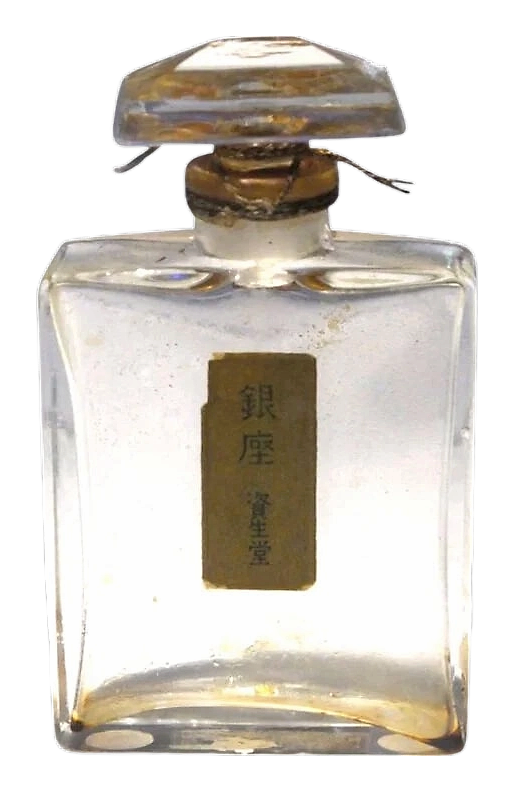
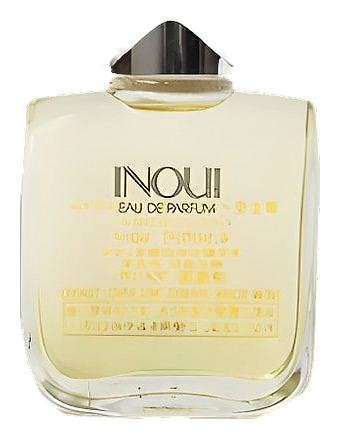
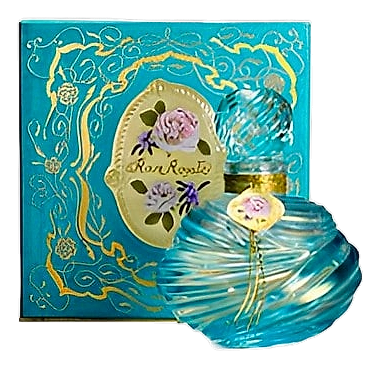
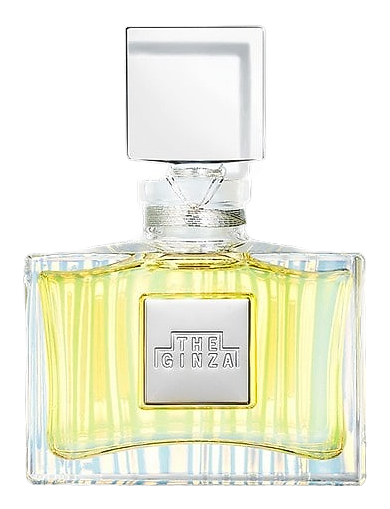
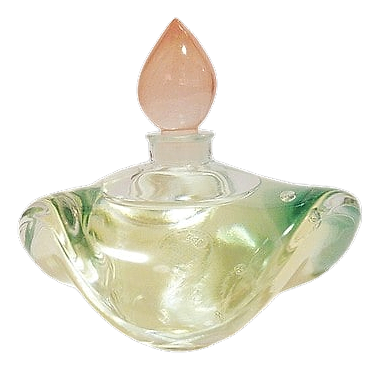
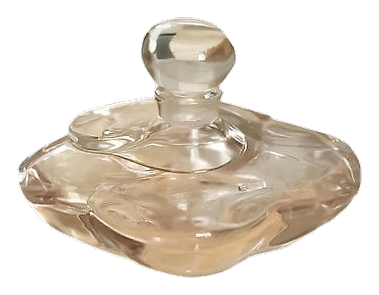
Arinobu Fukuhara opened Japan's first Western‑style pharmacy in Ginza in 1872, naming the venture Shiseido after a phrase from The Tale of Genji that means “praise the sunrise.” The early shop sold imported medicines and cosmetics, introducing Japanese consumers to modern formulations. In 1900 Fukuhara traveled to the Paris World Exhibition, where he observed European drugstores and absorbed ideas about packaging, branding and scent. That trip inspired Shiseido to incorporate Western perfume techniques while retaining a Japanese aesthetic. The company launched its first fragrance, Eau de Shiseido, in 1916, marking the start of a perfume line that would expand throughout the twentieth century. The 1970s saw the release of Inoui, a modern scent that reflected the era’s shift toward lighter, more airy compositions. The 1990s added Bravas and Basala, fragrances that combined bold accords with refined Japanese sensibility. In the 2000s Shiseido introduced Rose Royale, a floral tribute that highlighted the brand’s continued interest in classic notes. The early 2010s brought the Mizu no Ka series (2011, 2012), a duo that explored water‑inspired freshness using contemporary techniques. Throughout its history Shiseido has maintained a dual focus on scientific research and artistic expression, establishing a fragrance laboratory in Paris that works alongside its Tokyo headquarters. The brand celebrated its 150th anniversary in 2022, underscoring a legacy that blends tradition with ongoing innovation.
Craftsmanship
Shiseido operates a dedicated fragrance laboratory in Paris that follows strict quality protocols. Raw materials are sourced from regions known for specific notes – for example, citrus from Italy, jasmine from Grasse and green tea extract from Japan. The company employs both traditional extraction methods such as steam distillation for delicate florals and modern CO2 extraction for high‑purity absolutes. Each batch undergoes stability testing, skin compatibility assessment and olfactory evaluation by a panel of trained noses. Ingredient traceability is documented, and suppliers must meet environmental and ethical standards verified by third‑party audits. Production facilities in Japan apply Good Manufacturing Practice (GMP) guidelines, ensuring that every bottle meets consistent performance criteria. The brand also invests in research on skin‑safe fragrance delivery, integrating dermatological insights to reduce irritation risk. This combination of scientific rigor, artisanal technique and responsible sourcing defines Shiseido’s craftsmanship in perfumery.
Design Language
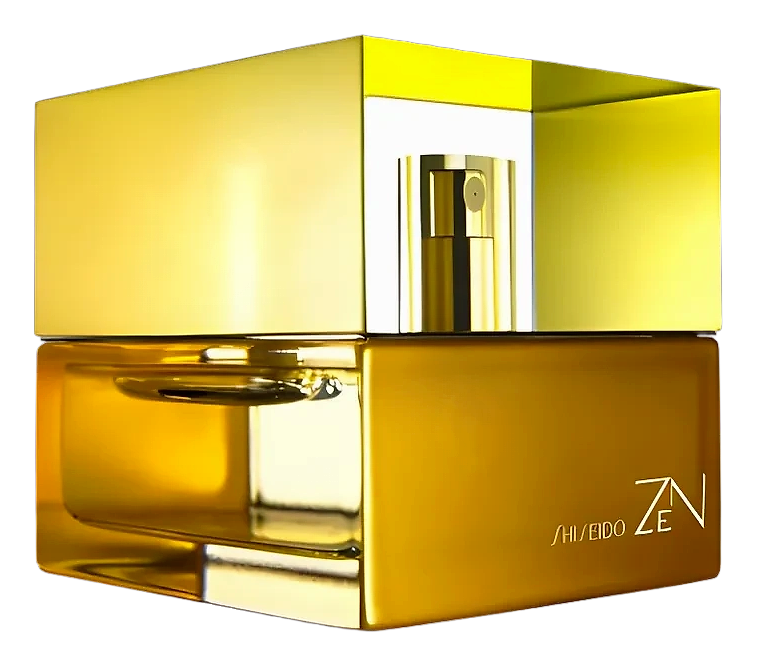
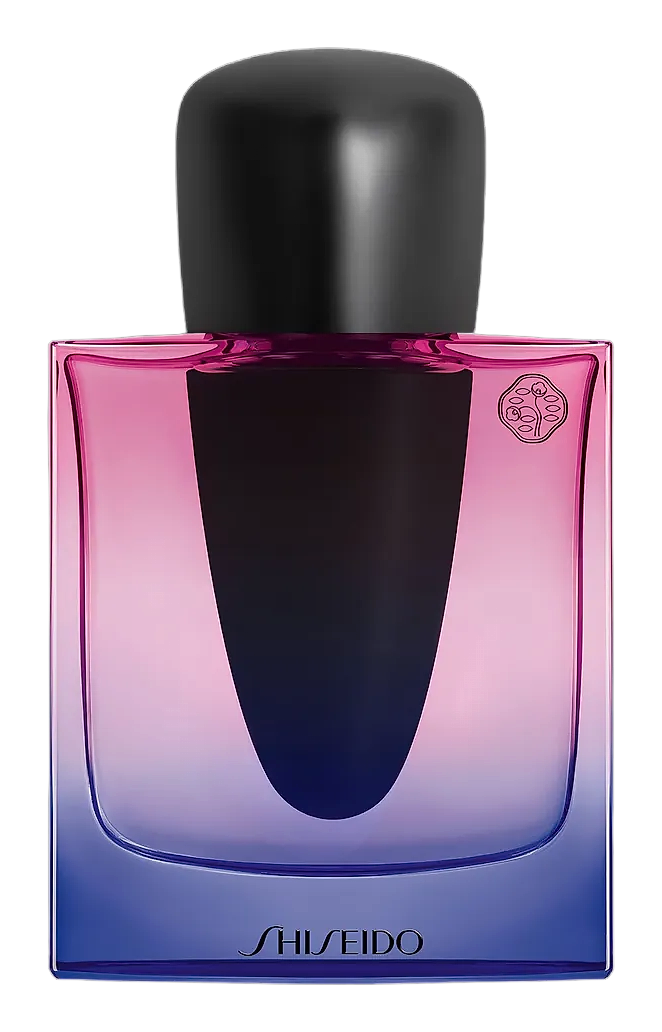
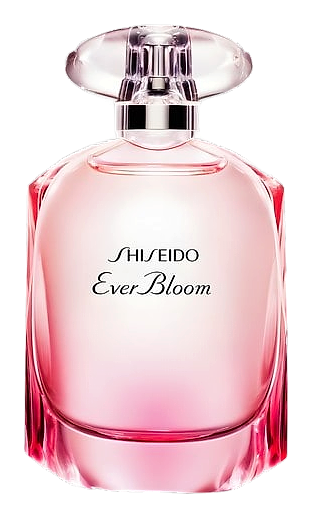
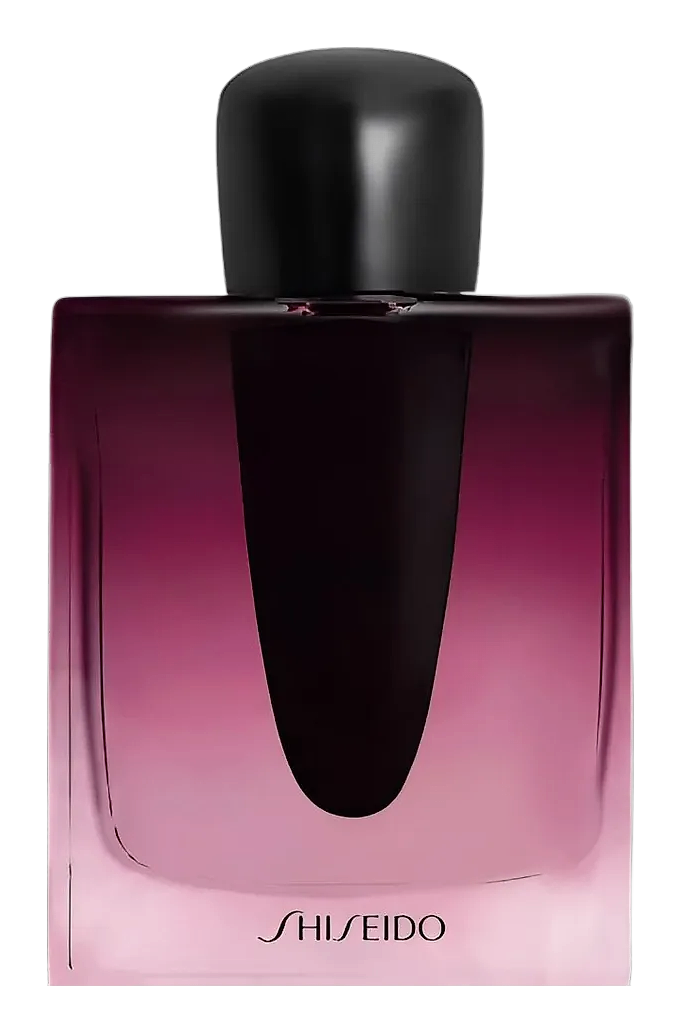
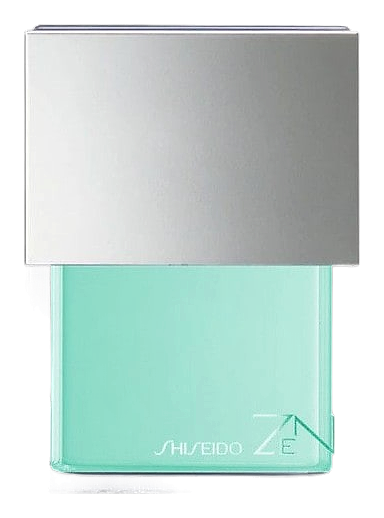
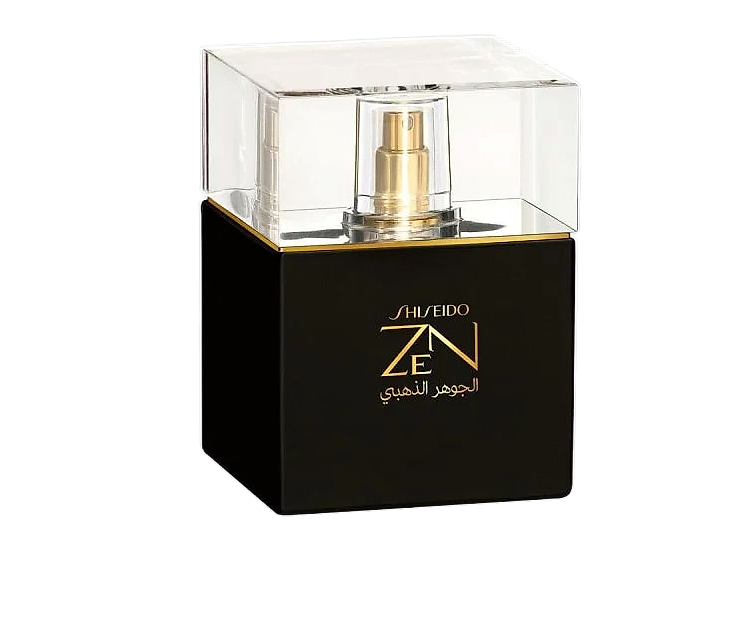
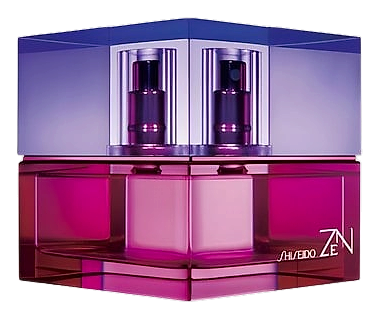
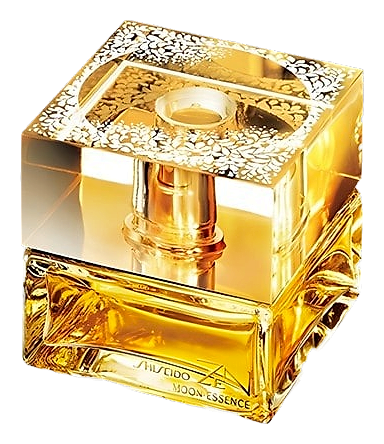
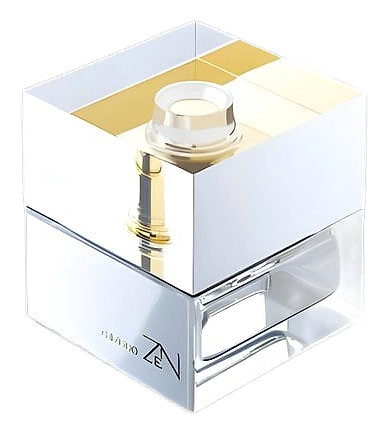
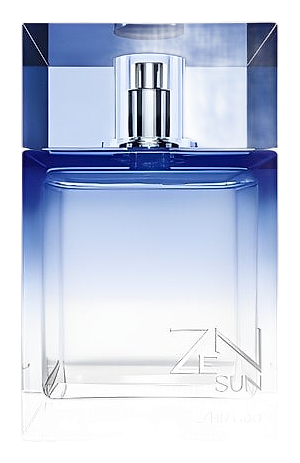
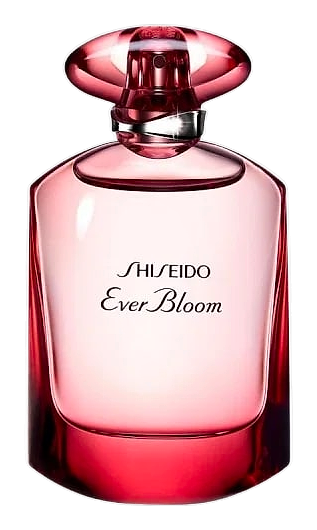
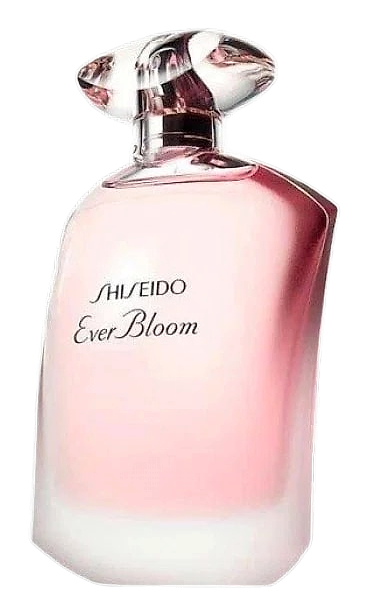
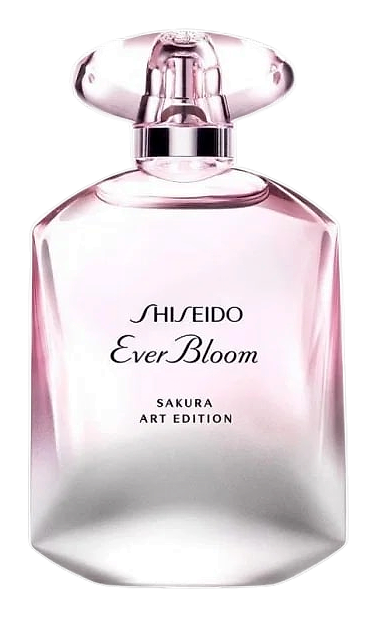
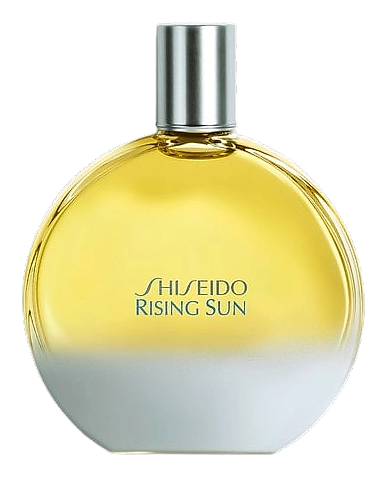
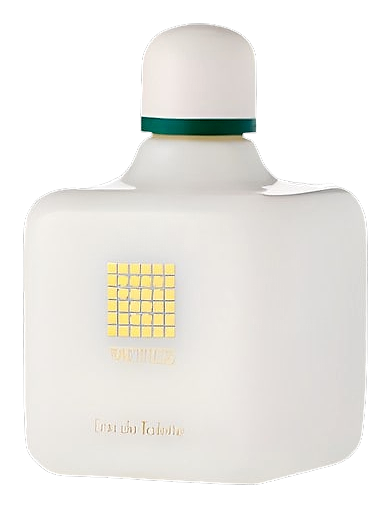
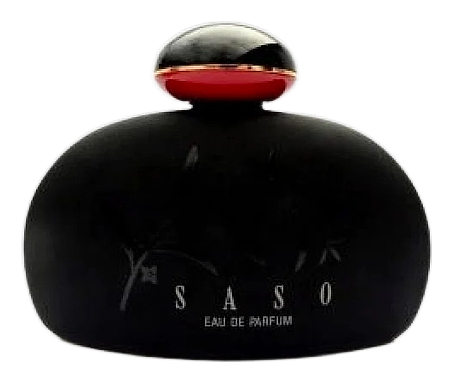
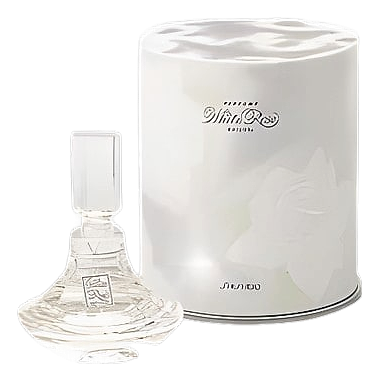
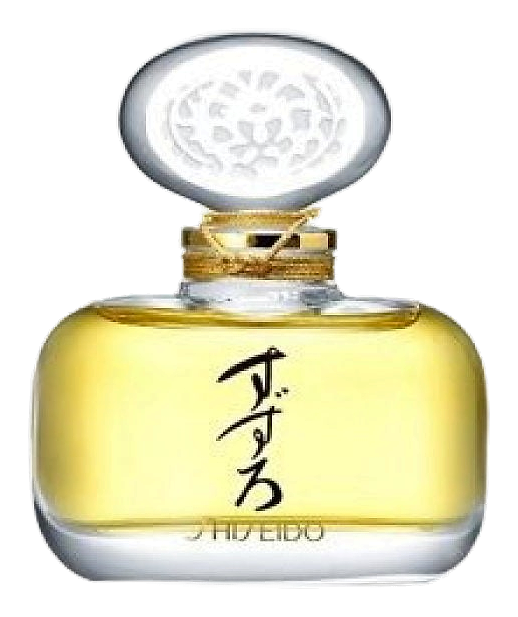
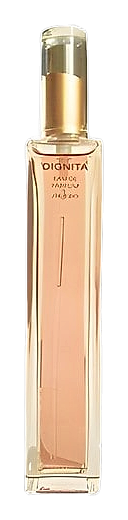
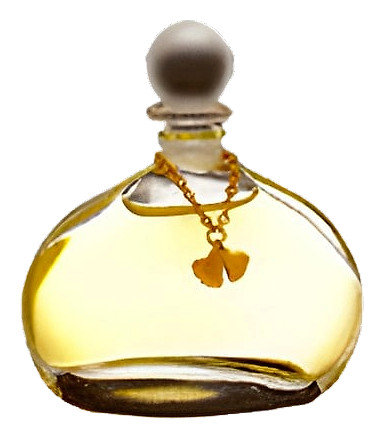
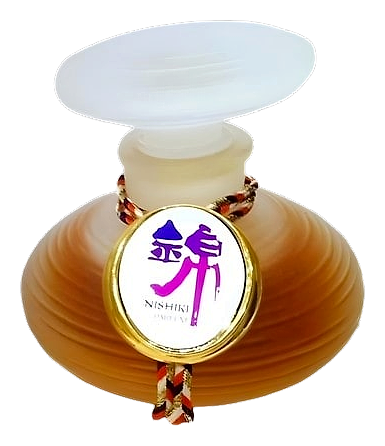
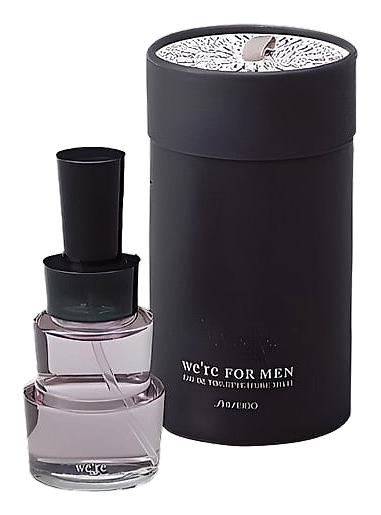
The visual language of Shiseido fragrance is rooted in Japanese minimalism. Bottles often feature clean, geometric silhouettes with subtle curvature, finished in muted glass tones that let the perfume colour speak for itself. Labels use a restrained typeface, and many designs incorporate a single brushstroke or sakura motif as a nod to seasonal change. The brand’s packaging palette favors soft whites, pale blues and gentle gold accents, reflecting the idea of sunrise mentioned in its name. In recent years, limited‑edition releases have introduced textured caps inspired by traditional lacquerware, while retaining the overall sleek profile. Retail displays echo this aesthetic, employing natural wood, stone and soft lighting to create a calm environment that encourages contemplation of scent. The consistent visual approach reinforces Shiseido’s identity as a bridge between heritage and contemporary design.
Philosophy
Shiseido states that beauty originates inside a person and is expressed outward through a blend of art and science. This belief guides its approach to fragrance, where each scent is treated as a sensory extension of emotion rather than a mere product. The company emphasizes respect for nature, careful ingredient selection and a commitment to sustainability. Creative teams are encouraged to draw on Japanese cultural motifs while also listening to global trends, resulting in compositions that balance subtlety with clarity. Collaboration with external perfumers is seen as a way to introduce fresh perspectives, yet every project must align with the brand’s core value of harmony between tradition and modernity. Quality, transparency and a sense of responsibility to both consumers and the environment shape the decision‑making process from concept to launch.
Key Milestones
1872
Arinobu Fukuhara opens Japan's first Western‑style pharmacy in Ginza, founding Shiseido.
1900
Fukuhara visits the Paris World Exhibition, gathering inspiration for modern cosmetics and fragrance.
1916
Shiseido releases its first perfume, Eau de Shiseido, marking entry into the fragrance market.
1976
Launch of Inoui, a modern scent that reflects the lighter style of the 1970s.
1993
Introduction of Bravas and Basala, fragrances that blend bold accords with Japanese refinement.
2006
Rose Royale debuts, showcasing Shiseido's continued focus on classic floral compositions.
At a Glance
Brand profile snapshot
Origin
Japan
Founded
1872
Heritage
154
Years active
Collection
3
Fragrances released
Avg Rating
4.4
Community sentiment
Release Rhythm


