

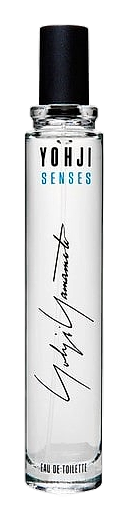
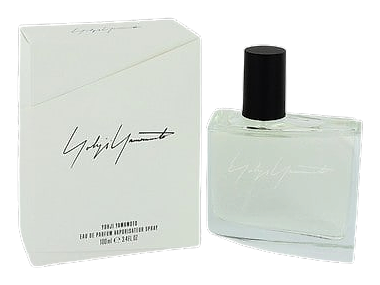
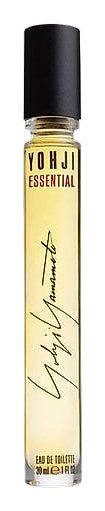
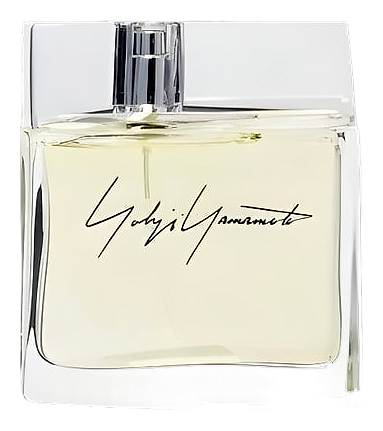
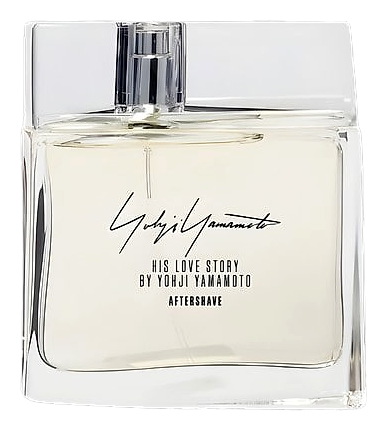

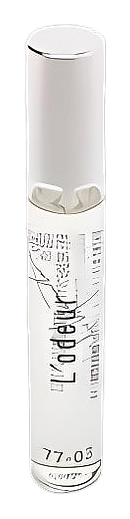



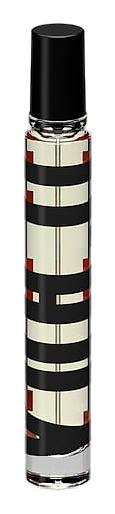



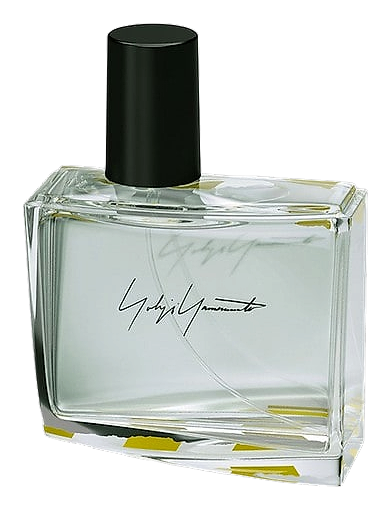
The Heritage
The Story of Yohji Yamamoto
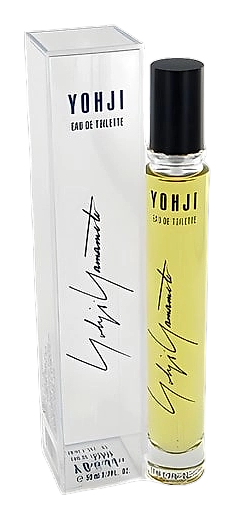
Yohji Yamamoto is a Japanese fashion house that extends its avant‑garde aesthetic into fragrance. The brand launched its first perfume, Yohji, in 1996 through a partnership with the French house Jean Patou. Since then, it has released a series of scents for both men and women, including Yohji Homme (1999), Y‑3 Black Label (2013) and Darkness (2018). Each fragrance mirrors the designer’s preference for stark contrast, structural clarity and a quiet confidence that feels both modern and timeless.
Heritage
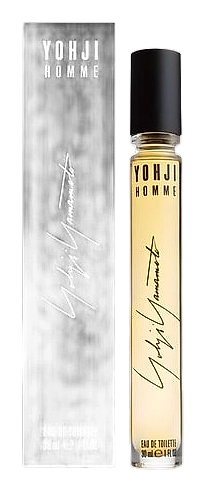
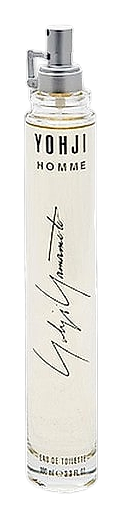
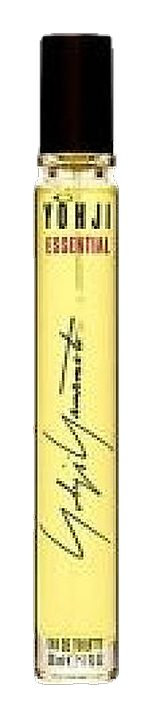
Yohji Yamamoto was born in Tokyo in 1943 and opened his first boutique in 1973 under the name Y’s joint stock corporation. He introduced his runway to Paris in 1981, quickly earning a reputation for oversized silhouettes and a monochrome palette. In the mid‑1990s the designer turned to fragrance as a natural extension of his clothing philosophy. In 1996 he launched Yohji, a chypre‑fruity composition created with Jean Kerléo, then the in‑house perfumer at Jean Patou. The collaboration marked the first time a Japanese fashion label released a perfume through a traditional French perfume house. The early success encouraged further releases: Yohji Homme arrived in 1999, followed by Yohji Essential in 1998 and Yohji 1996, each maintaining the brand’s minimalist DNA. After Procter & Gamble acquired the licensing rights in the early 2000s, the fragrance line continued to grow, adding Y‑3 Black Label in 2013—a joint project with the Adidas‑Y‑3 fashion line—and the darker, more introspective Darkness in 2018. Throughout its history, the house has balanced runway innovation with a measured expansion into scent, allowing the olfactory portfolio to evolve without diluting the core aesthetic. The brand’s fragrance milestones align with key fashion moments, such as the 2004 launch of Yohji Yamamoto pour Femme, which coincided with the designer’s 60th birthday and a retrospective exhibition in Tokyo.
Craftsmanship
The house commissions experienced perfumers, beginning with Jean Kerléo for the inaugural 1996 fragrance. Production follows the traditional French method of maceration, where natural extracts steep in alcohol for several weeks before blending. The brand selects raw materials from established growers in France, Italy and Japan, ensuring that each botanical meets strict purity criteria. After blending, the mixture undergoes a stability test in controlled temperature and humidity chambers to guarantee consistent performance over time. Quality control includes gas‑chromatography analysis to verify the concentration of key aroma compounds. When Procter & Gamble took over licensing, the company introduced additional analytical safeguards, such as batch‑to‑batch variance monitoring, while preserving the original creative direction. The Y‑3 Black Label, released in 2013, employed a modern, high‑tech approach: the perfumer used synthetic ambergris alternatives to achieve a deep, lingering base without relying on animal-derived ingredients. Throughout the production chain, the brand maintains a transparent ledger of ingredient origins, allowing consumers to trace the scent’s journey from field to bottle. This rigorous process reflects Yohji Yamamoto’s broader commitment to craftsmanship, where every detail—whether a stitch or a molecule—receives equal attention.
Design Language
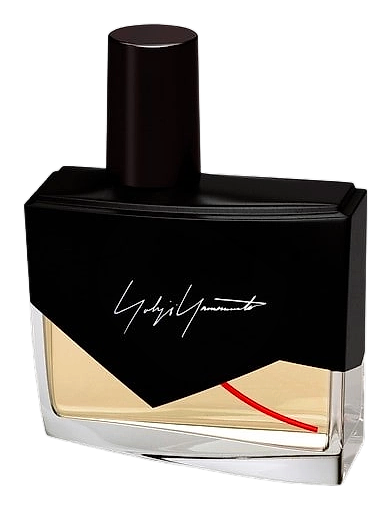
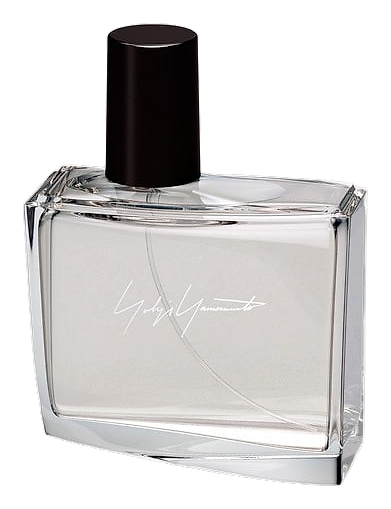
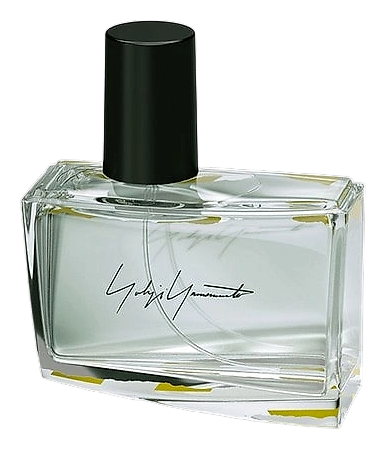
Yohji Yamamoto’s visual language embraces stark contrast and minimalist geometry. Bottle designs typically feature matte black glass, a nod to the designer’s signature use of black in clothing. The label often displays the brand name in simple, sans‑serif typography, sometimes accompanied by a subtle Japanese kanji character that references the fragrance’s concept. The Y‑3 line, created in partnership with Adidas, adopts a more futuristic silhouette, with angular shoulders and a brushed‑metal cap that reflects the collaboration’s sports‑wear influence. Packaging materials are chosen for their tactile quality; many bottles sit in soft‑touch black lacquered boxes that open with a quiet click, reinforcing the sense of ceremony. Visual campaigns favor high‑contrast photography, showing models in monochrome settings that echo the runway’s dramatic lighting. The overall aesthetic remains consistent across seasons, reinforcing the brand’s identity as a purveyor of refined, understated luxury without resorting to overt ornamentation.
Philosophy
Yohji Yamamoto treats clothing and scent as parallel expressions of identity. He believes that garments should act as armor, protecting the wearer while revealing an inner truth. This concept translates to fragrance, where each note functions as a layer of protection and revelation. The designer prioritises authenticity over trend, choosing ingredients that convey a quiet strength rather than fleeting novelty. He encourages perfumers to respect the structural balance of his designs, allowing the scent to unfold with the same measured pacing as a runway show. The brand values sustainability, sourcing natural extracts from regions with established ethical standards and working with partners who can guarantee traceability. By aligning the creative process with his broader vision of understated elegance, Yohji Yamamoto crafts fragrances that feel like an extension of his clothing—subtle, deliberate, and unmistakably personal.
Key Milestones
1973
Yohji Yamamoto founded Y’s joint stock corporation and opened his first boutique in Tokyo.
1996
Launched the first fragrance, Yohji, a chypre‑fruity scent created with Jean Kerléo under Jean Patou.
1999
Released Yohji Homme, expanding the line into masculine territory.
2004
Introduced Yohji Yamamoto pour Femme, marking the brand’s 60th anniversary.
2013
Debuted Y‑3 Black Label, a collaborative scent with the Adidas‑Y‑3 fashion line.
2018
Added Darkness to the portfolio, reflecting a deeper, more introspective olfactory direction.
At a Glance
Brand profile snapshot
Origin
Japan
Founded
1973
Heritage
53
Years active
Collection
2
Fragrances released
Avg Rating
4.1
Community sentiment
Release Rhythm


