
The Heritage
The Story of Jinkoh Store
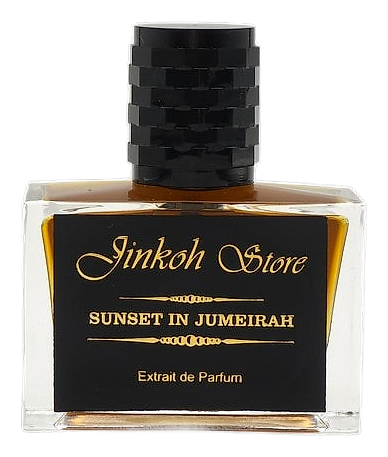
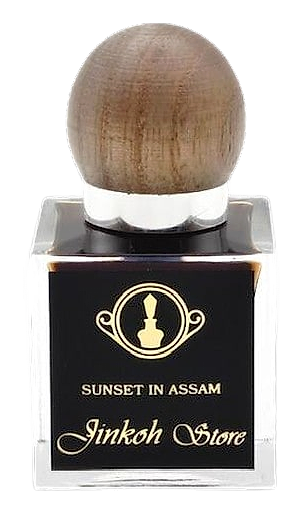
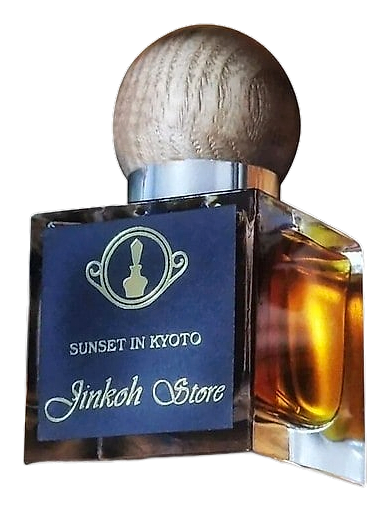
Jinkoh Store is a niche fragrance house that emerged in 2018 with a focus on hand‑crafted scents rooted in classical incense traditions. The brand releases limited editions that often reference specific places, such as Sunset in Kyoto (2023) and Sunset in Assam (2024). Each bottle is presented as a concise narrative, inviting collectors to explore a line that balances aromatic depth with restrained elegance. Jinkoh’s catalogue, though compact, spans woody, floral and resinous families, offering a quiet alternative to more commercial scent portfolios.
Heritage
The story of Jinkoh Store begins in 2018 when perfumer YILI announced the launch of a brand dedicated to reviving ancient incense‑making methods. Early interviews on Instagram highlighted a commitment to hand‑mixing each formula, a practice that set the house apart from mass‑produced niche lines. By 2019 the first public edition appeared, marking the brand’s entry into the broader fragrance community. Over the next few years Jinkoh expanded its geographic storytelling, releasing Emperor of Kedah in 2020 and Brunei Qi in 2021, both of which referenced Southeast Asian heritage. 2022 saw the introduction of Emperor Tawi Tawi and Indian Papyrus, scents that combined regional botanicals with traditional resin bases. The following year, Sunset in Kyoto arrived, showcasing a blend that captured the city’s twilight ambience. In 2024 the house added Sunset in Assam and Rose Noir, further cementing its reputation for place‑driven compositions. Throughout this period the brand has maintained a low‑volume production model, typically releasing fewer than 500 bottles per launch, which reinforces its collector‑focused ethos. While the founder remains YILI, the scent development team now includes perfumer Marius, whose contributions are noted on Fragrantica’s brand page. The evolution of Jinkoh Store reflects a steady accumulation of culturally resonant fragrances rather than rapid expansion, positioning it as a quiet but persistent voice in contemporary niche perfumery.
Craftsmanship
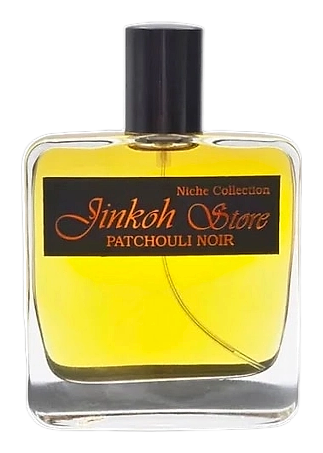
Production at Jinkoh Store follows a hands‑on protocol that mirrors traditional incense workshops. Raw materials arrive in bulk, often as raw resins, dried botanicals or essential oils, and are weighed on a scale that records each batch to the gram. The mixing stage occurs on a marble slab where the perfumer manually folds the ingredients, a technique described in a 2022 Instagram post as "restoring classical incense‑making methods." After blending, the mixture rests for a period that can range from a few days to several weeks, allowing the components to harmonize naturally. Quality control includes a sensory evaluation by both the founder and perfumer Marius, who assess the scent’s evolution over time. Bottling is performed in a small glass workshop; each bottle is filled by hand, capped, and sealed with a wax stamp that bears the Jinkoh emblem. The brand limits each release to a few hundred units, a decision that supports both exclusivity and the ability to monitor each batch for consistency. Ingredient sourcing emphasizes provenance: agarwood for Patchouli Noir originates from sustainably managed forests in Indonesia, while rose absolute for Rose Noir comes from farms in Grasse that practice organic cultivation. The commitment to natural raw materials reduces reliance on synthetics, though occasional lab‑grade solvents are employed for solubilizing particularly stubborn extracts, always in compliance with EU fragrance regulations. This blend of ancient technique and modern quality standards defines Jinkoh’s production ethos.
Design Language
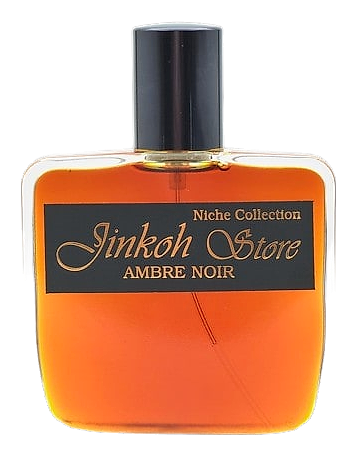
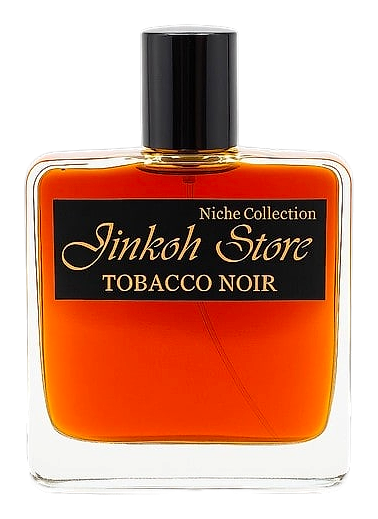
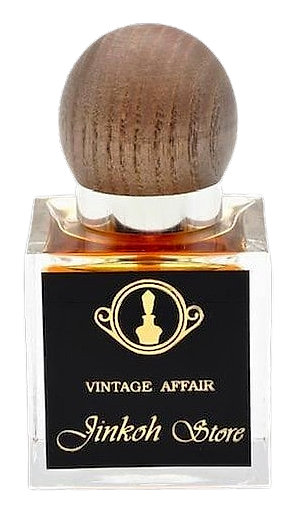
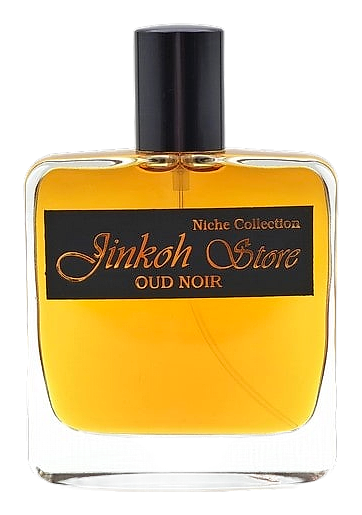
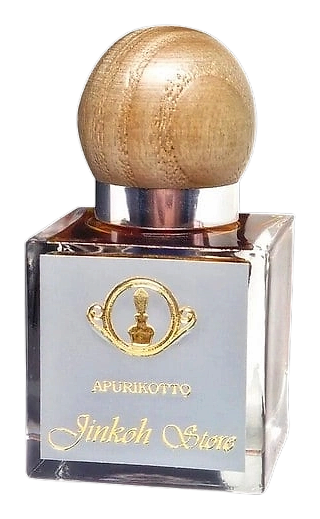
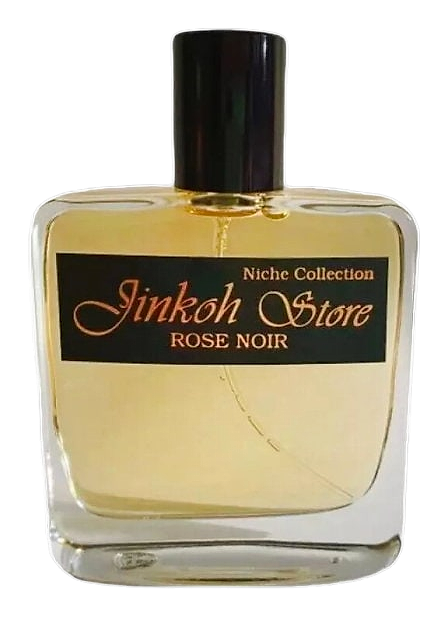
Visually, Jinkoh Store favors minimalism infused with cultural cues. Bottles are typically clear glass with a slender silhouette, allowing the liquid’s hue to become the focal point. Labels consist of a single line of black serif type on matte paper, accompanied by a small illustration that hints at the fragrance’s geographic inspiration, such as a stylised pagoda for Sunset in Kyoto. The brand’s logo—a stylised incense coil—appears as a subtle embossing on the cap, reinforcing the connection to traditional aroma practices. Packaging boxes are unadorned, using recycled kraft paper with a single stamped emblem, a choice that aligns with the house’s sustainability stance. Marketing imagery often features muted, natural backdrops—stone walls, bamboo groves or desert dunes—rather than glossy studio sets, underscoring the brand’s emphasis on authenticity. This restrained visual language mirrors the scent philosophy: each element is purposeful, inviting the collector to focus on the perfume itself rather than extraneous decoration.
Philosophy
Jinkoh Store approaches fragrance as a form of cultural preservation. The house believes that scent can act as a bridge between past rituals and modern sensibilities, a view expressed in several founder interviews. By restoring classical incense‑making techniques, the brand aims to honor the craftsmanship of ancient perfume cultures while translating those methods for today’s olfactory palate. Sustainability features in the philosophy as well; ingredients are sourced from suppliers who practice ethical harvesting, and the brand avoids synthetic aroma chemicals whenever a natural counterpart exists. Jinkoh also values narrative clarity: each fragrance is named after a location or historical figure, and the accompanying story is kept concise, allowing the scent itself to speak. The creative process involves a small team that tests each blend in a quiet studio, prioritizing balance over trend‑driven novelty. This restrained approach seeks to create aromas that endure beyond seasonal fashions, encouraging wearers to develop a personal connection over time.
Key Milestones
2018
Founder YILI announces the creation of Jinkoh Store, emphasizing hand‑crafted incense techniques.
2019
First public edition released, marking the brand’s entry into the niche fragrance market.
2021
Launch of Brunei Qi, a scent inspired by Southeast Asian heritage.
2022
Emperor Tawi Tawi and Indian Papyrus debut, expanding the geographic narrative series.
2023
Sunset in Kyoto released, capturing the twilight atmosphere of the Japanese city.
2024
Sunset in Assam and Rose Noir launch, adding new regional stories to the collection.
At a Glance
Brand profile snapshot
Origin
Japan
Founded
2018
Heritage
8
Years active
Collection
3
Fragrances released
Avg Rating
5.0
Community sentiment
Release Rhythm


