Heritage
A house, in its own words
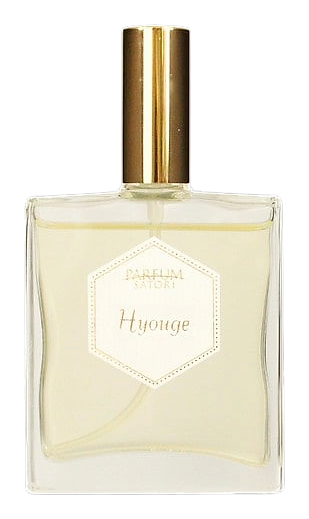
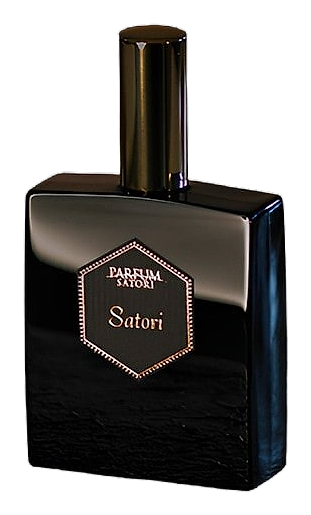
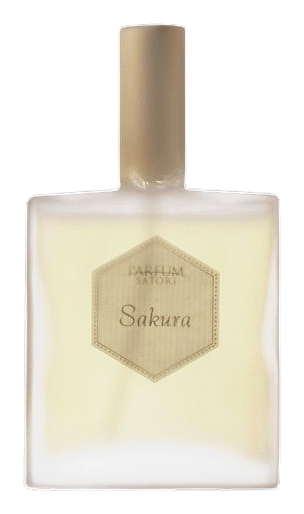
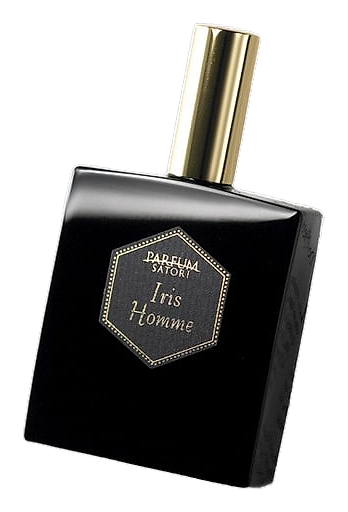
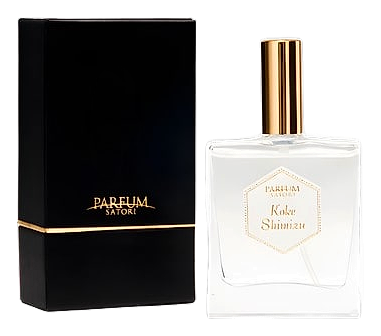
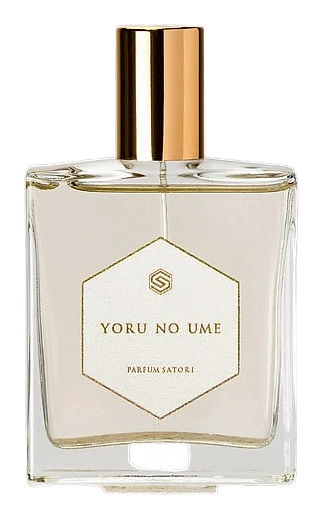
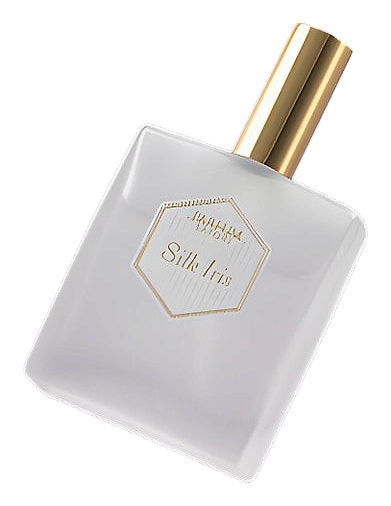
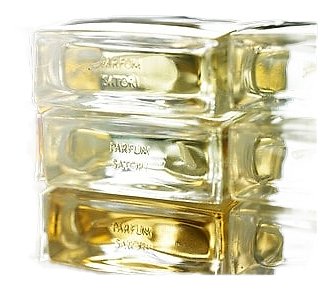
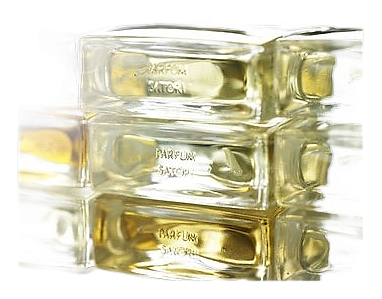
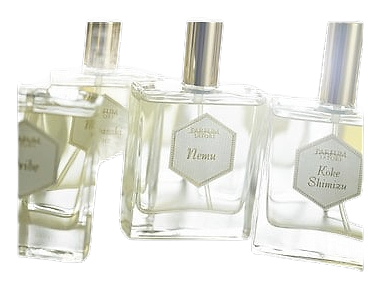
Parfum Satori emerged from Satori Osawa's conviction that perfume could serve as a cultural medium. While no exact founding year appears in available records, the brand's earliest documented work, Murasaki no Ue (Lady Murasaki), dates to 2000, suggesting the house took shape in the late 1990s. Yoru no Ume followed in 2002, then Sakura in 2004, establishing a pattern of deliberate, spaced releases. By the mid-2000s, works like Koke Shimizu (Moss Water, 2005) and the self-titled Satori (2006) brought wider recognition among niche fragrance collectors. Osawa's standing grew when she became one of the few Japanese perfumers admitted to the Association of Perfumers of France, an institution founded in 1942 with over 900 members. The Tokyo atelier, tucked in a Roppongi residential building without prominent signage, became a destination for those who sought out independent perfumery. From 2007 through 2018, the house expanded steadily with releases spanning iris studies, mossy compositions, rice-based fragrances, and floral interpretations, building a catalog of roughly twenty fragrances over nearly two decades. The guiding principle behind Parfum Satori is to make Japanese culture tangible through scent. Osawa treats each fragrance as a vessel for a specific message or wish, aiming to translate the emotional texture of Japanese aesthetics into olfactory form. Her approach favors restraint over excess, complexity over loudness. Concepts like wabi-sabi (beauty in imperfection), mono no aware (the pathos of impermanence), and ma (the significance of negative space) inform how she constructs compositions. Rather than chasing trends, Osawa works from personal impulse and cultural inspiration, creating fragrances that function as aromatic essays on specific subjects. This gives the catalog a literary quality, where each name references a historical figure, natural element, or Japanese cultural concept. The brand operates independently without external investment or commercial pressure, allowing Osawa to maintain full creative control and release work only when she considers it ready.