
The Story
Why it exists.
The beginning
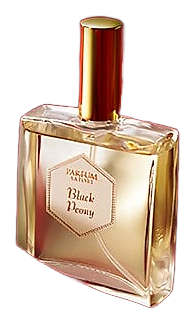
Peony carries different weight in Japan. It's not the blowsy florist bloom of the West, here, the flower appears in ink paintings, on kimono, in the careful arrangements of ikebana. Still life, not spectacle. Black Peony takes that restraint and asks what lies beneath it. The name implies shadow, depth, something darker than the flower's showy reputation. What would a peony look like if it grew in shade rather than full sun? Satori Osawa composed this fragrance around that tension, the beauty of the flower, the weight of its name. She built it for someone who knows the peony and wants something the peony hasn't yet given them.
The composition opens cool and bright. Bergamot and mandarin establish a citrus buffer before the heart arrives, orange blossom carrying a faint animalic undertone that prevents it from reading as sweet or girlish. Geranium adds a green, almost bitter thread. Violet ties everything together with its characteristic powder, giving the floral heart a dust-on-petal quality rather than a fresh-cut one. The base is where Black Peony earns its surname. Vanilla and sandalwood create warmth without heaviness. Musk stays close to skin. Oakmoss adds an earthy, slightly mossy depth that grounds the sweetness and keeps the fragrance from lifting entirely into the air.
The evolution
The top notes arrive quickly, bergamot first, then mandarin. The citrus is clean, slightly bitter, the kind of opening that announces presence without making demands. Within minutes the orange blossom takes over, pushing the citrus aside like curtains drawn back from a window. The floral heart deepens as violet and geranium settle in, shifting the composition from fresh to powdery. By the second hour, the drydown is fully underway. Vanilla, sandalwood, and musk blend into a warm, skin-close accord that lingers for hours. Oakmoss adds a mossy undertone; patchouli keeps the sweetness from becoming cloying. The sillage is moderate throughout, this is a fragrance that stays close, that rewards proximity rather than projection.
Cultural impact
Since its 2008 debut, Black Peony has occupied a quiet position in the niche fragrance landscape, not a statement piece, but a considered one. It belongs to the category of powdery white florals with woody warmth, a space it shares with Japanese compositions that favor restraint over volume. The fragrance appeals to wearers who have moved past the florist peony and want something that carries more shadow than its name suggests.