The Story
Why it exists.
The beginning
Clair de Musc arrived in 2003 from Christopher Sheldrake, Lutens' olfactory counterpart since 1992. The brief was crystal clear: take musk, the most primal, animal material in perfumery, and bleach it with moonlight. Not eliminate. Transform. The French title inverts expectation: 'light of musks' suggests illumination rather than darkness, clarity rather than instinct.
What makes this work is the iris-musks pairing. Iris brings rooty, almost medicinal depth that keeps the powder from floating away entirely. The neroli adds a blanched floral quality, orange blossom without rind or zest. Bergamot in the opening isn't sharp; it's aldehydic, giving the whole thing a soapy clean that doesn't smell like soap. Sheldrake reduced the musk to its essence: warmth, skin-like texture, and the quiet impression of someone nearby.
The evolution
The opening arrives fast, bergamot and aldehydes fizz for thirty minutes, citrus-sweet and clean. Then the iris steps forward, rooty and dusty, pushing the powder angle into something more interesting than baby powder. By hour two, the musk has settled into skin. Not projecting. Staying. The drydown is close, warm, and lasts 6-8 hours on most people, a workday's worth of that quiet presence. On dry skin, it may fade faster, but where it holds, it holds close for days.
Cultural impact
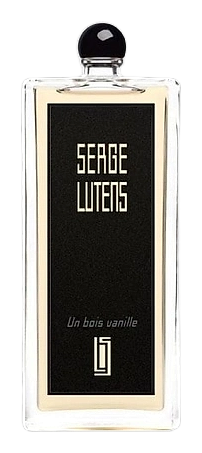
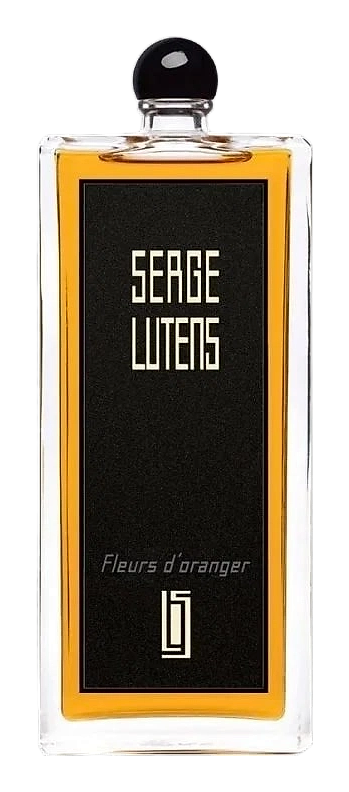
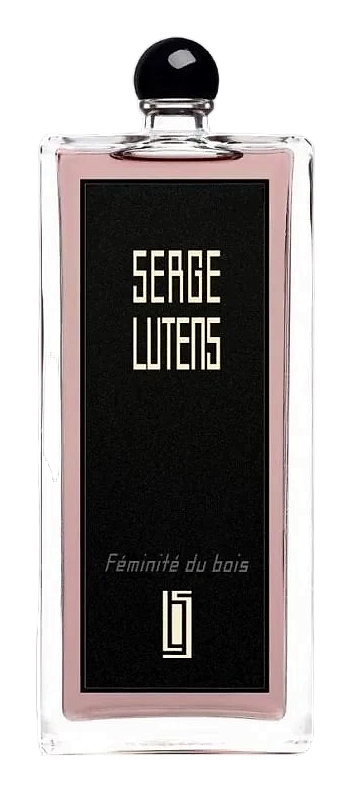
Clair de Musc occupies a quiet position in the Serge Lutens catalogue, not their most confrontational work, not their most commercial. It appeals to the grower weary of projection, to the person who wants to be found rather than announced. Compared frequently to Chanel 1957, though wearers find Lutens' version more interesting due to the iris depth. The 'Flacons de table' presentation in clear glass emphasizes the transparency: nothing hidden, nothing performing.