
The Story
Why it exists.
The beginning
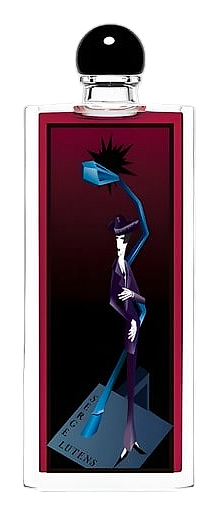
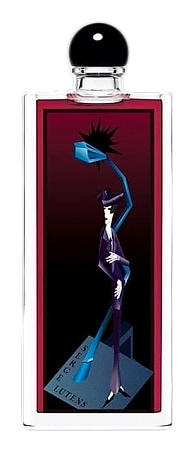
Berlin, 2013. Serge Lutens and perfumer Christopher Sheldrake created La Fille de Berlin as a portrait in scent: a woman whose beauty is inseparable from her thorns. The official copy calls her 'notorious,' 'strong willed, explosive.' She won't be taken for a ride. This isn't a fragrance that wants to be liked. It wants to be remembered. The name is the brief. A girl from Berlin, not soft, not polite, not safe. A city known for its edges, its history, its refusal to be decorative. Lutens has always worked from emotion rather than market research, and here that emotion is specific: a character, a confrontation, a rose that refuses to be ornamental.
What makes La Fille de Berlin unusual is the structure. Most rose fragrances move from bright to soft. This one moves from sharp to darker. The metallic, almost bloody note in the opening isn't an accident, it's the thorns. It's the thing that makes the rose real instead of decorative. The geranium adds a green, slightly bitter counter to the rose's sweetness. Palmarosa, a grass with a rose-like aroma, bridges the top and heart, keeping the floral from becoming syrupy. Then the base shifts the whole composition into mossy, honeyed territory. The patchouli anchors it. The honey sweetens it just enough. The result is a rose that ends somewhere unexpected: not soft, not powdery, but deep and slightly somber.
The evolution
The opening arrives fast: rose and geranium, but with a metallic edge that cuts through the sweetness. It reads almost bloody, the green stems of the rose, the sharpness of the thorns. Not everyone reaches this point comfortably. Within twenty minutes, the palmarosa smooths the transition. The rose becomes jammier, richer. The metallic note doesn't disappear, it deepens, becomes part of the structure rather than a shock. The honey arrives quietly, then takes over the mid-section, adding warmth without softness. The drydown is where La Fille de Berlin earns its name. The honey stays. The moss stays. Patchouli adds earthiness. The rose is still there, but it's quieter now, settled into the composition like something that knows its own power. On fabric, this phase can last into the next day. On skin, eight to ten hours is the norm. The sillage is moderate, present in a room, not announced from across it. That restraint is part of the character. She's not shouting. She's just not hiding either.
Cultural impact
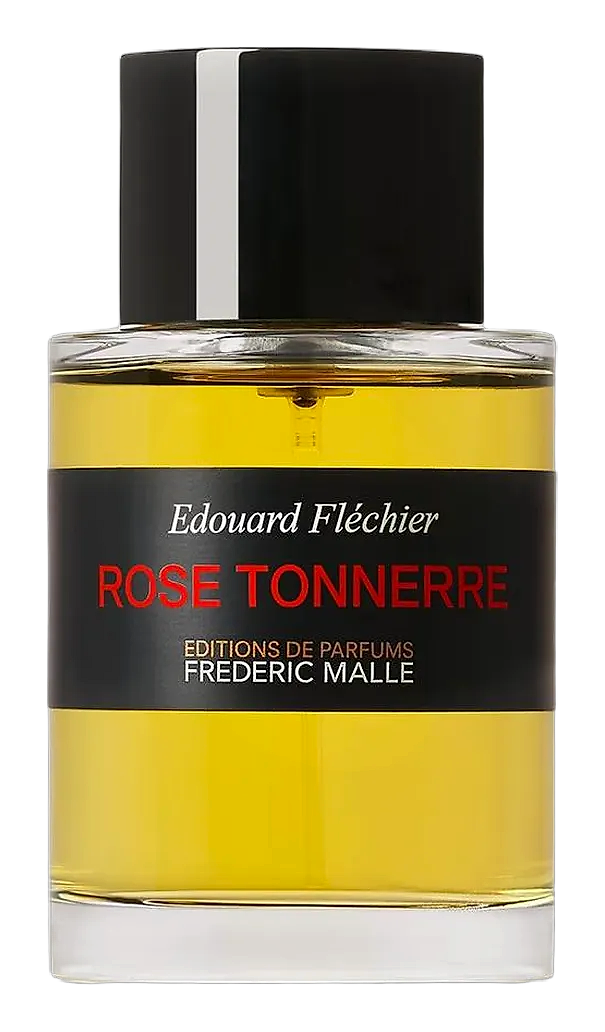
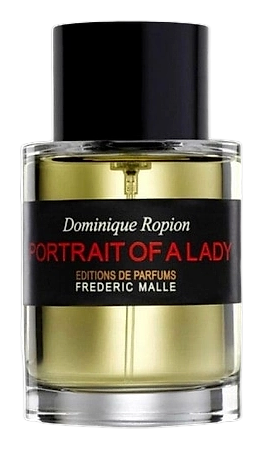
La Fille de Berlin has become one of the most discussed fragrances in the Serge Lutens catalogue. The metallic, almost bloody rose opening polarizes, some wearers find it confrontational, others find it the most honest rose they've encountered. It's not a fragrance that fades into the background. The moderate sillage means it doesn't announce itself across a room, but on skin, it commands attention. Wearers describe it as the scent of someone who walks into a room and doesn't need to announce themselves. It's been compared to Tom Ford Rose Prick and Frédéric Malle Rose Tonnerre, but its metallic edge sets it apart from both.