Palmarosa
Palmarosa is a tall, aromatic grass from the Cymbopogon family that yields a sweet, rosy essential oil. Its uncanny similarity to rose made it a secret weapon in 18th-century French perfumery, and its grassy warmth still anchors countless fine fragrances today.
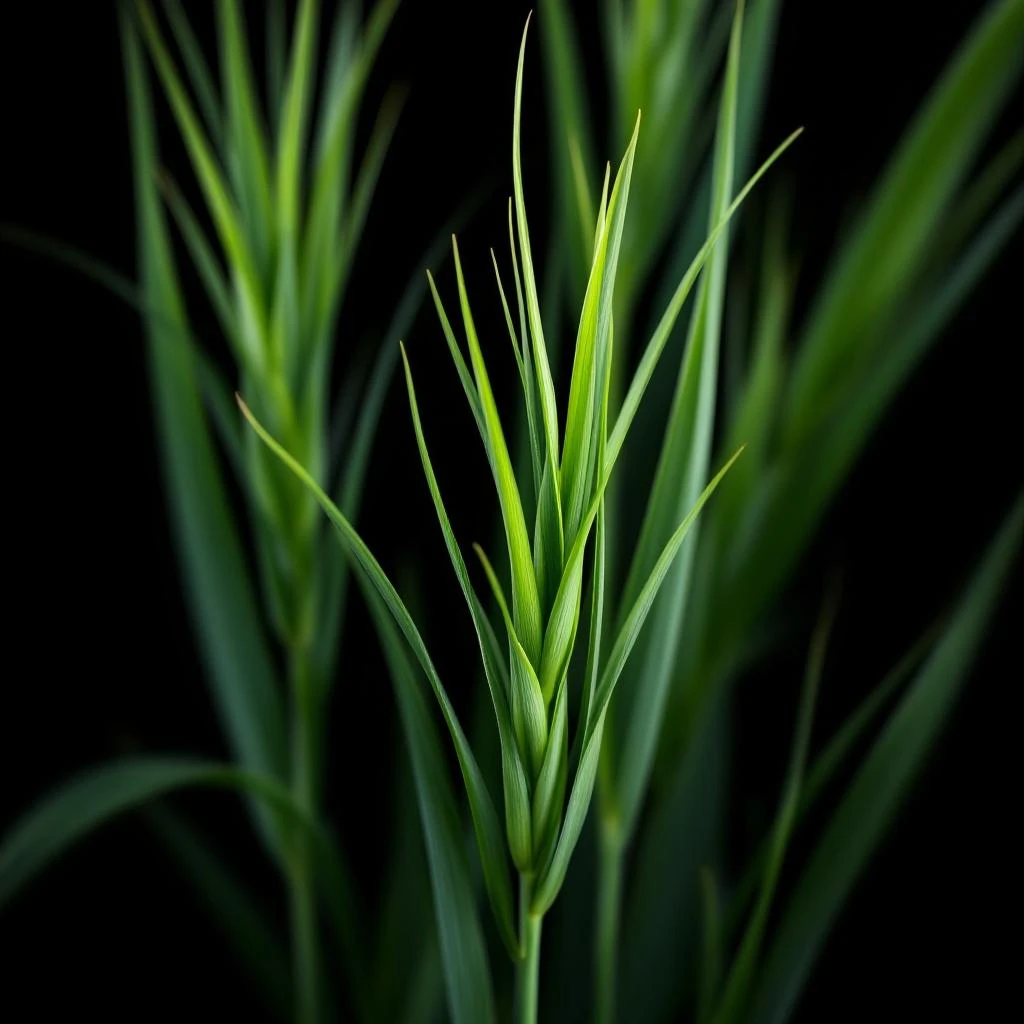
Character
How it smells
Rose-like grass that changed perfumery.
French perfumers once used palmarosa as a budget rose when Damask roses were scarce.








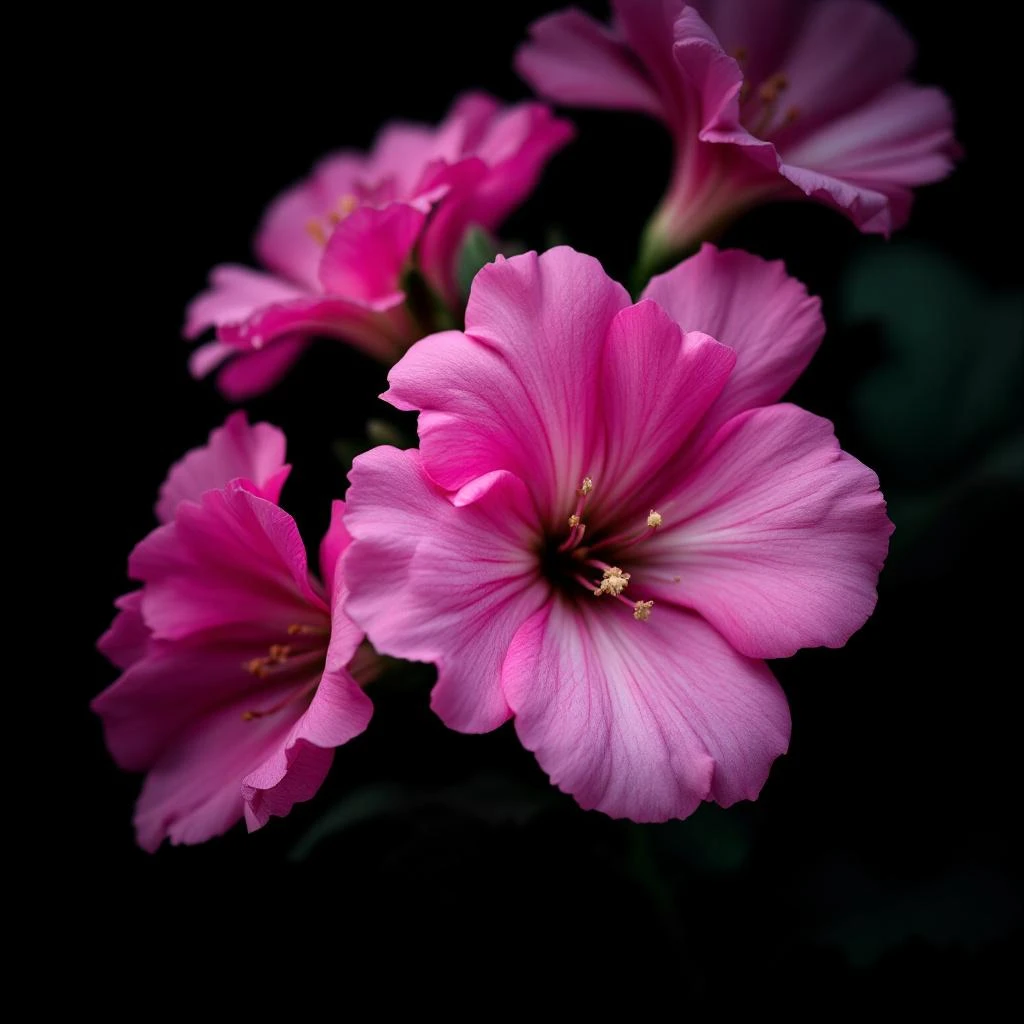
Origin
India
Palmarosa traces its perfumery roots to India, where it grew wild across the subcontinent and featured in Ayurvedic preparations for its reputed cooling and moisturizing properties. Traditional Chinese medicine also adopted the oil for similar purposes, reflecting a broad Asian recognition of its therapeutic qualities. The name itself hints at its character: derived from the Spanish palma rosa, it describes the rose-like fragrance released when the grass is crushed.
European traders discovered the oil in the 18th century, and French perfumers were the first to recognize its commercial value. At a time when Damask rose was expensive and inconsistent in supply, palmarosa offered a compelling alternative with its sweet, rosy profile and grassy undertones. This discovery fueled a significant trade route connecting Indian growing regions to French fragrance houses, and palmarosa quickly became a staple in rose and geranium accords.
Its adoption marked a pivotal moment in the globalization of aromatic raw materials, helping establish the framework for the essential oil trade that continues today. Though synthetic rose compounds eventually emerged, palmarosa remains valued by natural perfumers for the complexity it brings to floral compositions.
Wears it best
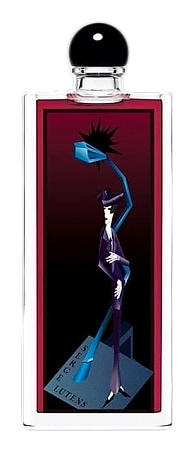
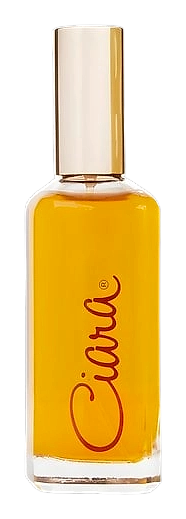
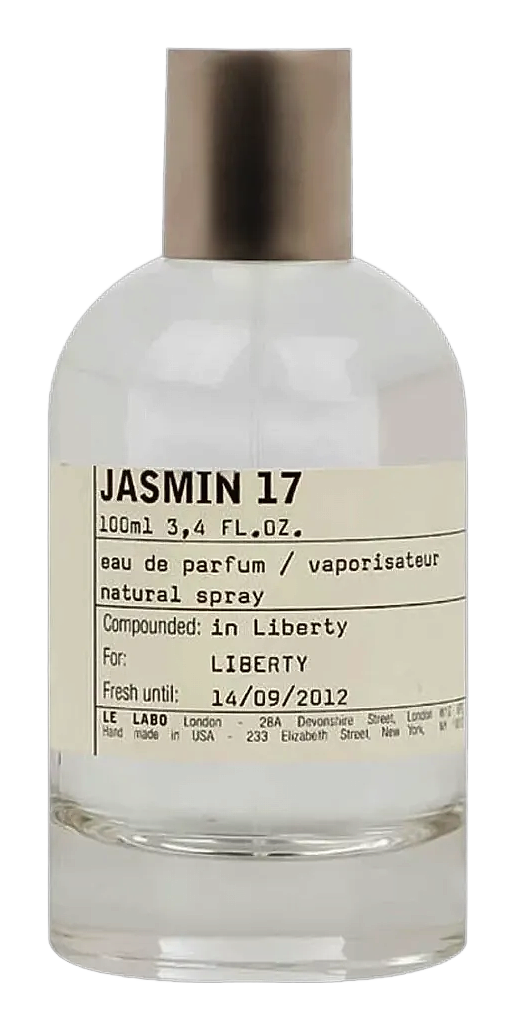
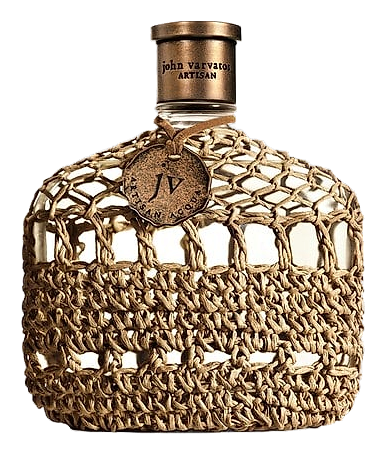
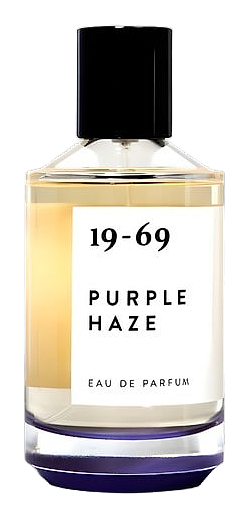
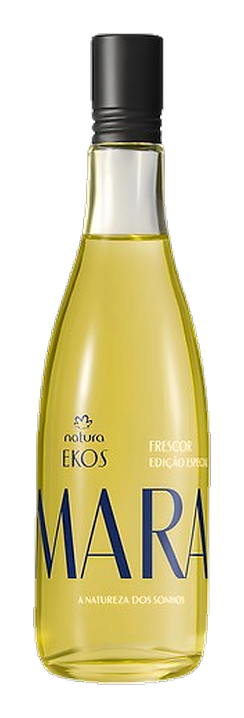
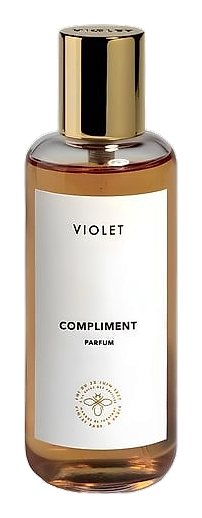
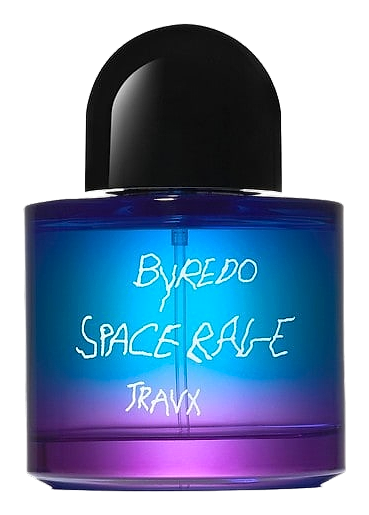
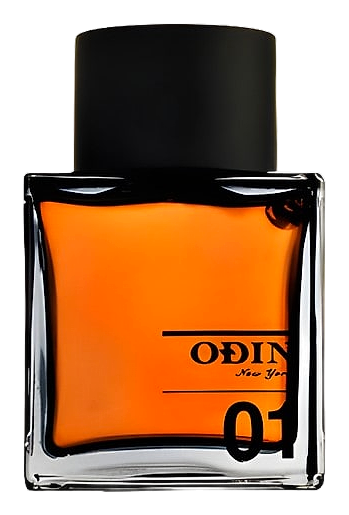
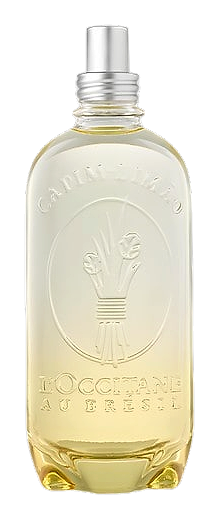
Fragrances featuring Palmarosa


Brands
Brands known for Palmarosa
Good to know
Questions, answered
The essentials on Palmarosa in perfumery: how it smells, where it comes from, and how it behaves on skin.
What is palmarosa and where does it come from?
Palmarosa is an essential oil steam-distilled from Cymbopogon martinii, a tall aromatic grass native to India and the Himalayan region. It belongs to the same botanical family as lemongrass but produces a distinctly sweet, rose-like aroma.
What does palmarosa smell like?
Palmarosa carries a sweet, rosy aroma with a fresh grassy undertone. Its high geraniol content (75-90%) gives it a natural floral sweetness that reads as a softer, more natural rose note on the skin.
What fragrance families use palmarosa?
Palmarosa appears across floral, green, and aromatic families. It works particularly well in rose and geranium accords, fresh citrus compositions, and woody fragrances where a natural floral warmth is desired.
Is palmarosa related to geranium or lemongrass?
Palmarosa shares the Cymbopogon genus with lemongrass but is botanically distinct. Its scent profile leans toward geranium, which is why Cymbopogon martinii is commonly called geranium grass in trade.
Where does palmarosa grow best?
The grass thrives in warm, subtropical climates at altitudes between 800 and 1,200 meters. Nepal and the Himalayan foothills produce some of the most aromatic material, prized for their refined, delicate rose character.
How long has palmarosa been used in perfumery?
French perfumers adopted palmarosa in the 18th century as a more affordable substitute for Damask rose. Its discovery marked a turning point in the global essential oil trade linking India to European fragrance houses.
Does palmarosa have traditional uses beyond fragrance?
Ayurvedic and traditional Chinese medicine used palmarosa oil for its purported cooling and moisturizing qualities. These historical applications long preceded its adoption in Western perfumery.
How should palmarosa be stored?
Store palmarosa oil in a cool, dark place in tightly sealed dark glass bottles. Its geraniol content makes it susceptible to oxidation, so limiting exposure to heat, light, and air extends its shelf life significantly.



