Ōsawa Satori
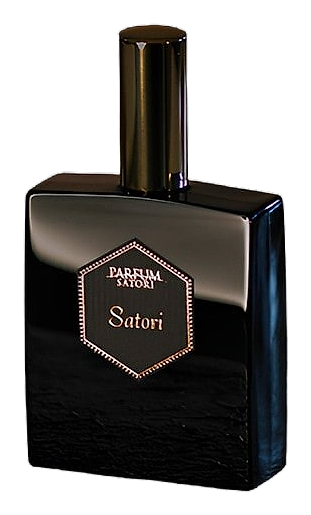
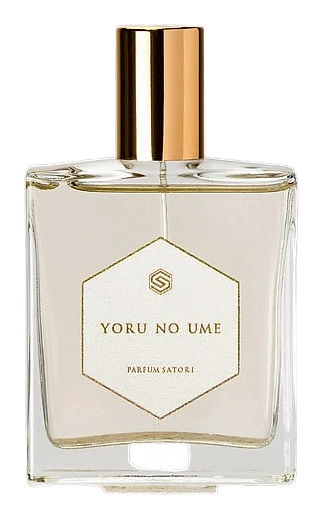
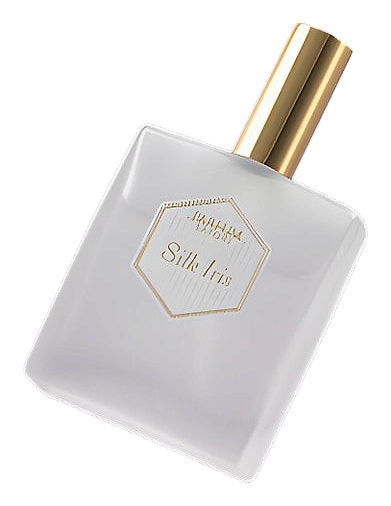
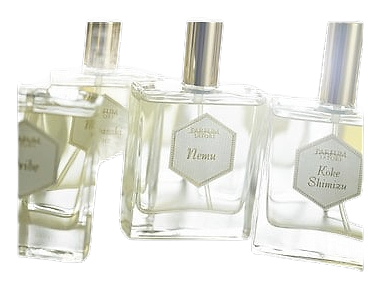
Satori Osawa grew up in Tokyo and opened her own herb and aromatherapy shop in 1988, long before she ever picked up a perfumer's organ. That grounding in botanical materials, in the tactile reality of plants and their essences, would shape everything that followed. In 1998, she began studying Fragrance Design and Perfumery under Kenji Maruyama, the former chief perfumer at Firmenich who had returned to Japan to lead the fragrance laboratory at Takasago. Maruyama's rigorous Swiss training met Osawa's intuitive understanding of Japanese aromatic traditions, creating a bridge between European technique and her own cultural inheritance. She opened Parfum Satori in 2000, establishing a salon where she could pursue fragrance as both craft and spiritual practice. Beyond perfumery, Osawa immersed herself in the Japanese arts that inform her creative vision: she became a licensed tea master, studied Kado (floral arrangement), and mastered Kodo, the incense and fragrance ceremony. These disciplines taught her that fragrance is not separate from daily life but woven through it, a philosophy that distinguishes her work from perfumers trained solely in Western commercial traditions.
The hits
Notable creations
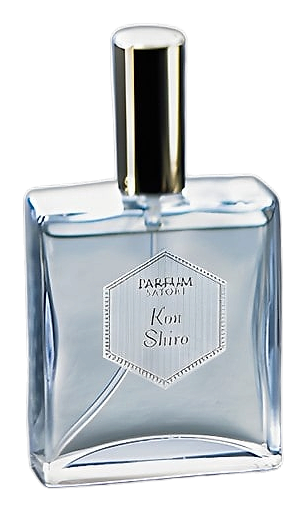
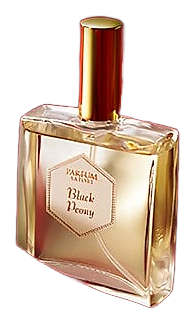
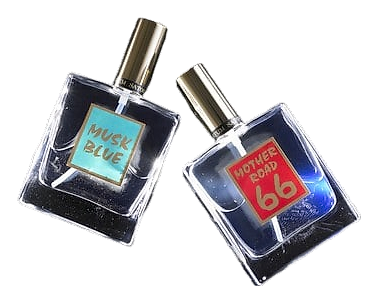
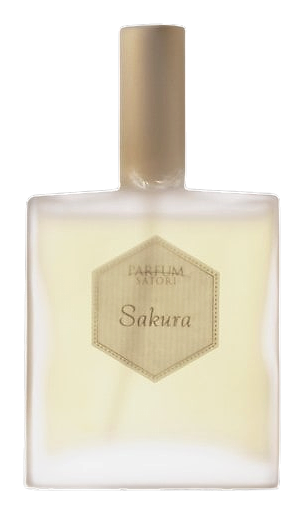
The signature
How Ōsawa composes
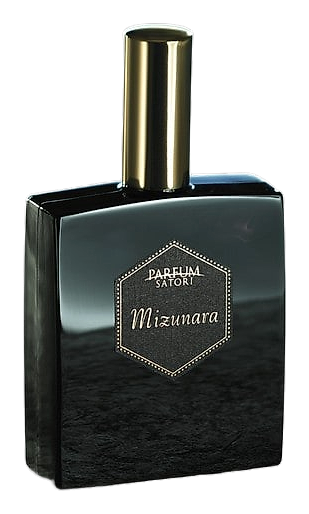
Osawa's work tends toward restraint and complexity. She favors natural materials with depth and history: wood notes like Mizunara, green and aromatic facets that recall Japanese forests, and the subtle astringency of tea in all its forms. Her aromatherapy background gives her an uncommon understanding of how botanical materials behave in combination, and she uses that knowledge to build fragrances that evolve rather than announce. The Mizunara fragrance she brought to European audiences exemplifies her approach: aromatic, green, sophisticated, and deeply rooted in Japanese sensory culture. She rarely relies on heavy diffusion or stacked accord structures. Instead, her perfumes breathe.
Philosophy
What drives Ōsawa
Osawa believes fragrance should carry the weight of culture, not just chemistry. Her goal has always been to create perfumes that represent Japanese culture on its own terms, rejecting the Western marketing shorthand of 'oriental' in favor of something more precise and honest. She approaches each fragrance the way a tea master approaches a ceremony: with attention to season, mood, and the particular moment. This sensitivity to context shapes her work. She does not design for trends or market positioning. She designs for the kind of person who understands that a single scent can hold memory, geography, and years of accumulated meaning.
The houses
Maisons Ōsawa composes for
In the same league