The Story
Why it exists.
The beginning
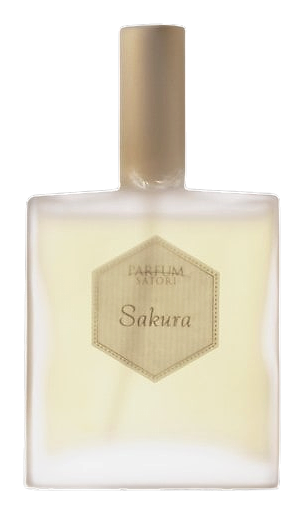
Sakura arrived in 2004 from Ōsawa Satori, the Tokyo perfumer whose work channels Japanese philosophy into liquid form. Cherry blossom, sakura, is Japan's emotional anchor: the annual reminder that beautiful things don't last. The fragrance translates that awareness into scent. A meditation on what spring costs, not a love letter to it. The fleeting nature of blossoms becomes olfactory poetry, each inhale a quiet acknowledgment that beauty is temporary.
The structure makes the point. Green tea and shiso open cool, almost mineral, the air before the petals open. Cherry blossom arrives mid-phase, then dissolves. A warm drydown of sandalwood and vanilla follows, but it's intimate, close to the skin. The composition doesn't climax. It fades. The cherry blossom doesn't dominate, it threads through, present at the opening, echoing faintly in the base, then gone. This is the structural argument: impermanence isn't a tragedy. It's the point.
The evolution
The opening arrives cool and slightly astringent, green tea's bitter edge cutting through the cherry blossom's sweetness. Shiso adds a green, almost leafy note that makes the whole thing read as dewy rather than sweet. As time passes, the florals shift. Jasmine emerges, backed by clove's warmth and peach's softness. The cherry blossom begins to recede, but it doesn't vanish entirely, it lingers at the edges like a memory of the opening. Eventually, the drydown settles in: sandalwood, vanilla, and a quiet musk that stays close to the skin. By the next morning, a faint trace of vanilla and wood remains on fabric.
Cultural impact
The concept of mono no aware, beauty in impermanence, translates differently here than in mainstream perfumery. Where many florals build toward richness and projection, this composition argues for subtlety. Cherry blossom as echo rather than statement. That restraint is precisely what makes it resonate with those who find beauty in the incomplete.