The Story
Why it exists.
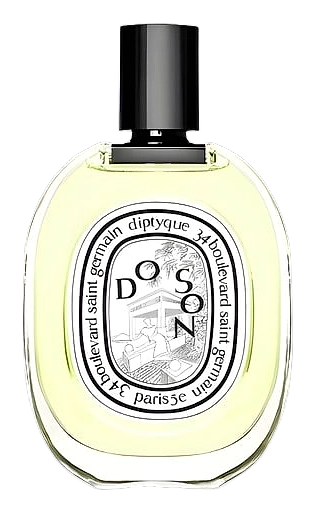
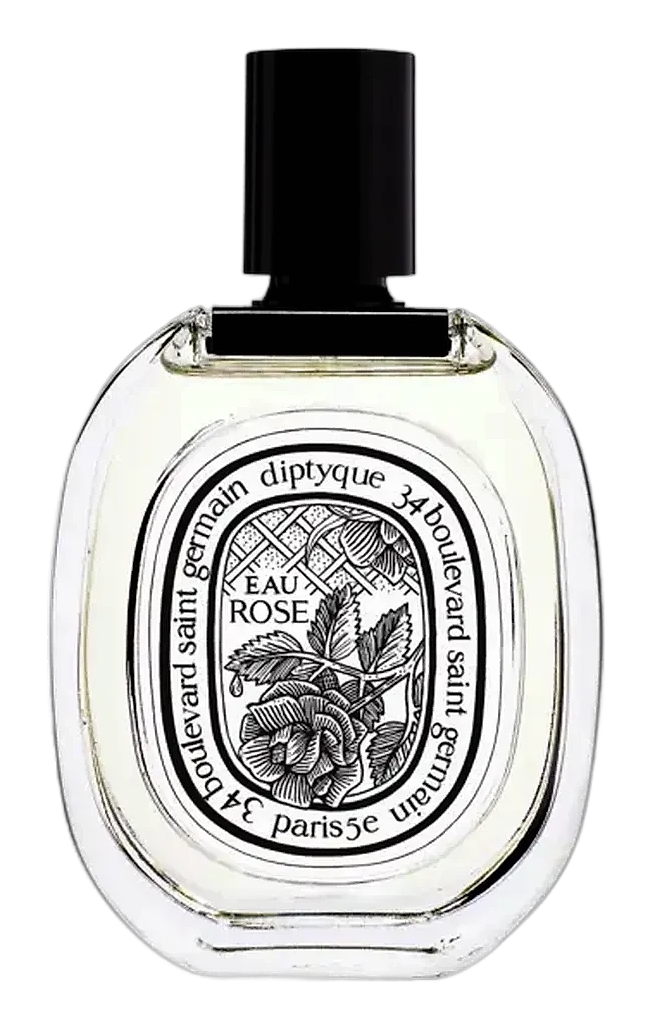
Diptyque emerged from a Paris fabric boutique in 1961, founded by three artists whose creative instincts extended beyond textiles. Their fragrances began as scented candles before evolving into full compositions, always carrying that artistic sensibility. In 2012, the house turned its attention to rose, one of perfumery's most mythologized materials, and posed a direct question: what does rose smell like without romantic embellishment? The answer required finding the right collaborator. Fabrice Pellegrin, whose family has deep roots in Grasse, understood the material intimately. He selected centifolia and damascena roses, the two varieties the region has cultivated for centuries, and built the fragrance around their natural character rather than an abstract concept.
If this were a song
Community picks
Ensemble
Vanessa Paradis
The Beginning
Diptyque emerged from a Paris fabric boutique in 1961, founded by three artists whose creative instincts extended beyond textiles. Their fragrances began as scented candles before evolving into full compositions, always carrying that artistic sensibility. In 2012, the house turned its attention to rose, one of perfumery's most mythologized materials, and posed a direct question: what does rose smell like without romantic embellishment? The answer required finding the right collaborator. Fabrice Pellegrin, whose family has deep roots in Grasse, understood the material intimately. He selected centifolia and damascena roses, the two varieties the region has cultivated for centuries, and built the fragrance around their natural character rather than an abstract concept.
The note philosophy behind Eau Rose treats rose as a material worth showcasing rather than a metaphor worth decorating. Litchi and blackcurrant serve as punctuation marks, not distractions. Geranium functions as a bridge between the fruit opening and the floral heart, while jasmine deepens the rose without tipping into opulence. In the base, musk and white honey create a skin-like quality, allowing the wearer to smell like someone wearing roses rather than someone wearing rose perfume. Cedarwood prevents the composition from disappearing entirely, leaving a faint woody trace that outlasts the florals.
The Evolution
The opening burst of litchi, blackcurrant, and bergamot arrives quickly, signaling fruit rather than florals. This catches some wearers off guard, but the transition to rose happens within minutes. Geranium enters alongside the rose, adding a green, herbaceous quality that keeps the heart from feeling static. Jasmine appears as a supporting element, its creamy white floralcy enriching the rose without competing for dominance. The drydown shifts the focus from flowers to skin, as musk engages with white honey to create something intimate, while cedarwood quietly anchors the composition with dry woodiness. The trajectory moves from external brightness to internal warmth.
Cultural Impact
Eau Rose has become the house's accessible entry point, a rose fragrance for people who find traditional rose perfumes too sweet or heavy. It occupies a specific cultural register: modern rose without nostalgia, romantic without being saccharine. The tart fruit top notes and the dry cedar base make it legible to a generation of fragrance wearers who came of age during the niche boom but remain uncertain about animalic or challenging materials.
The House
France · Est. 1961
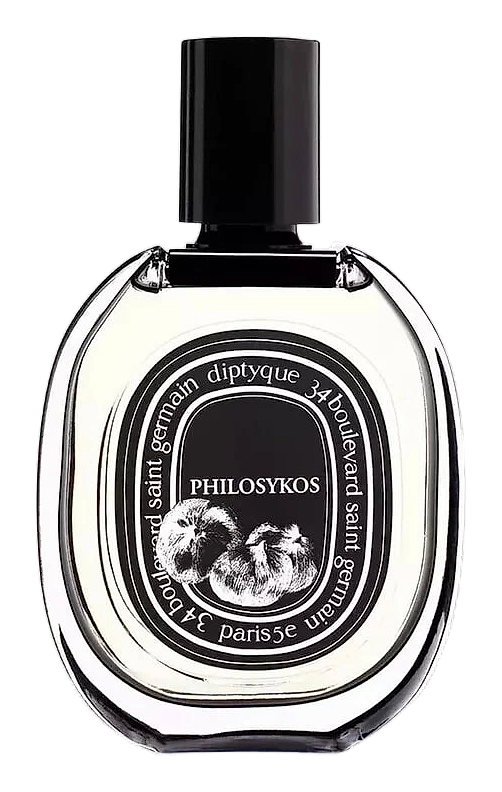
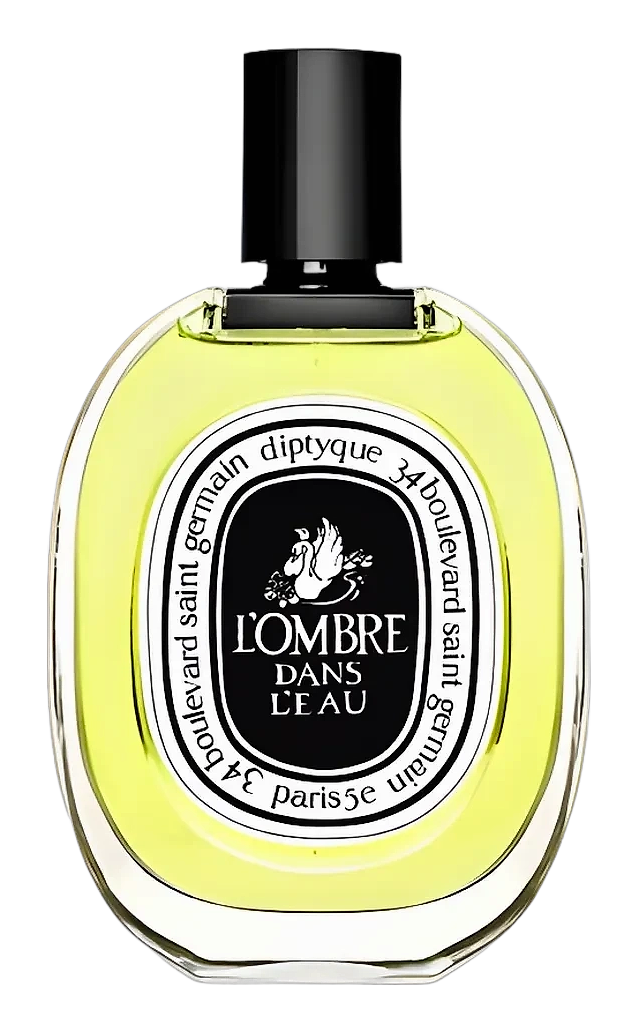
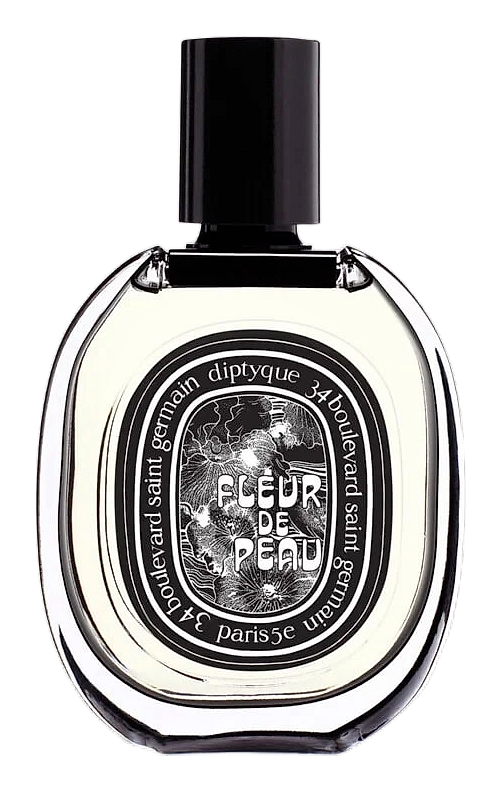
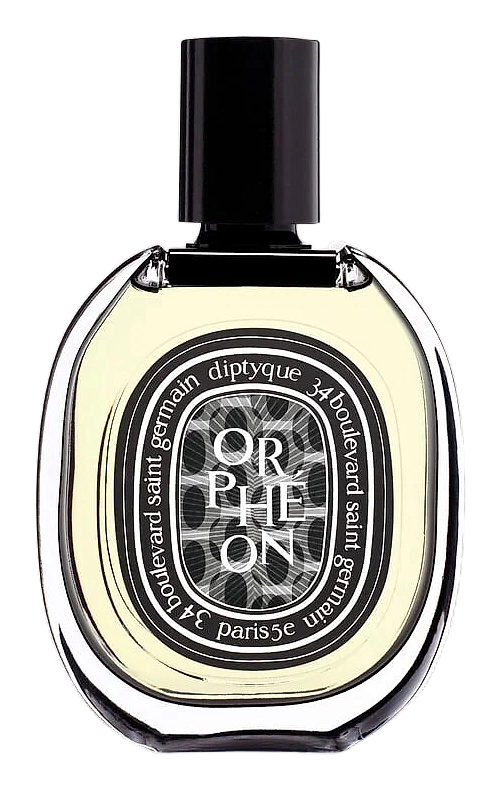
Three friends — a painter, an interior designer, and a theater director — opened a boutique on Paris's Boulevard Saint-Germain in 1961. What began as a fabric and décor shop became one of the most influential niche houses in perfumery. Diptyque's oval-label candles are iconic, but its fragrances deserve equal reverence: literary, textured compositions that smell like places rather than products.
If this were a song
Community picks
A morning in a Paris garden. Dew still on the petals. Something fresh-cut and cool, with warmth arriving slowly, the way light fills a room before you notice it. Music that doesn't announce itself, it lingers, and then you're inside it.
Ensemble
Vanessa Paradis