Litchi
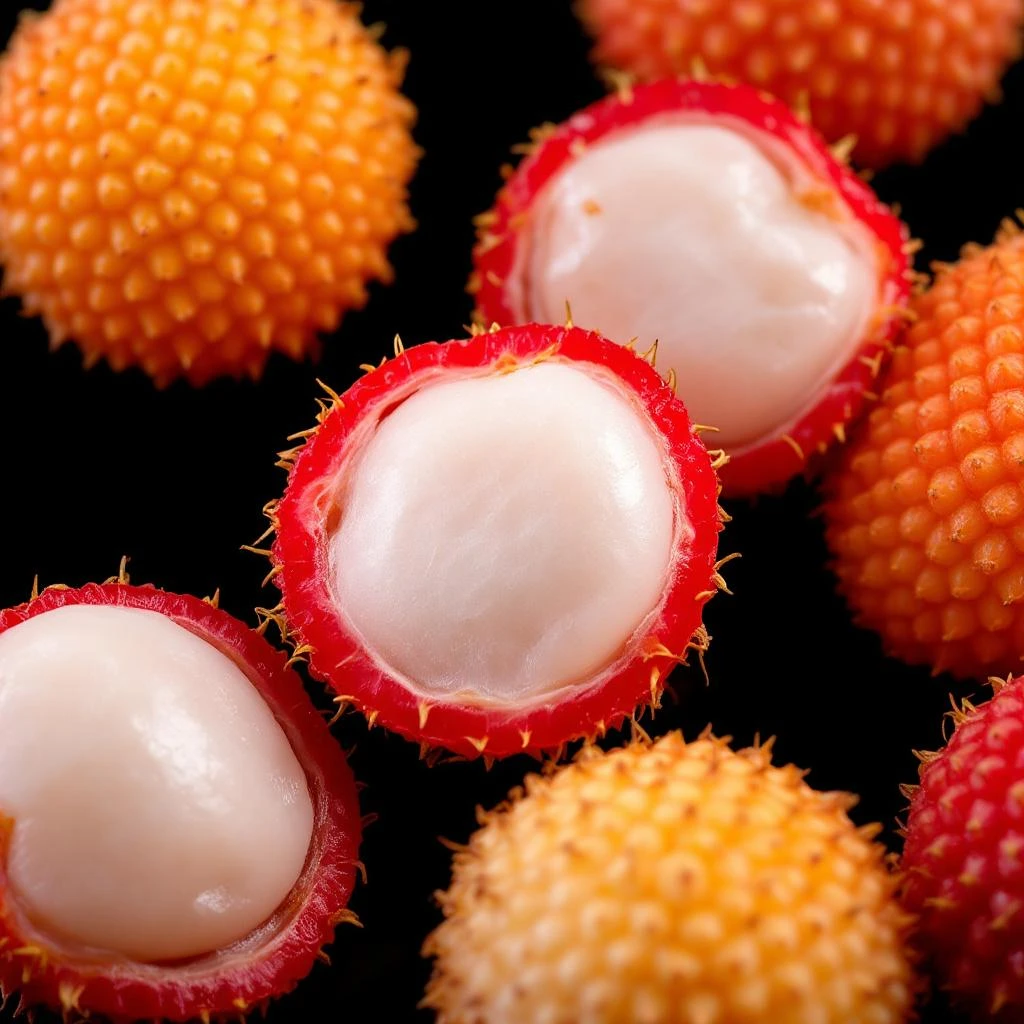
A bright, translucent sweetness that brings tropical immediacy to fragrance. Litchi captures the essence of a sun-ripened fruit, translating its juicy floral character into a scent that feels both contemporary and luxuriously modern. This purely synthetic note has become essential in modern perfumery.
Character
How it smells
Tropical sweetness, entirely reimagined in the lab.
Litchi holds a rare distinction in perfumery: no natural extract exists. The fruit's high water content and volatile aroma compounds make extraction impossible, so perfumers reconstruct its character entirely through synthetic chemistry.








Origin
China
The litchi fruit has been cultivated in Southern China for over 2,000 years, appearing in Tang Dynasty records as a prized imperial delicacy reserved for the emperor's table. European traders encountered it in the 18th century, bringing back accounts of its exquisite flavor. Yet its translation into perfumery required the chemical revolution of the late 19th century, when organic synthesis first made lab-created fruity notes possible.
Litchi became a flagship example of how synthetic aromatics could capture fresh fruit characters that traditional extraction methods could not. Today it appears in countless modern fragrances as a bridge between tropical sweetness and contemporary perfumery.
Wears it best
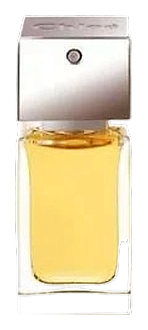
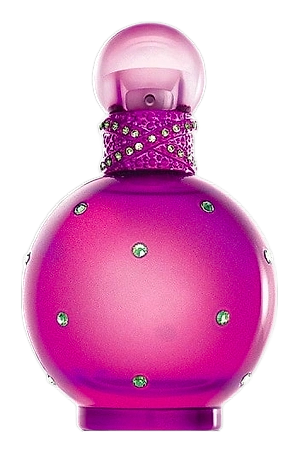
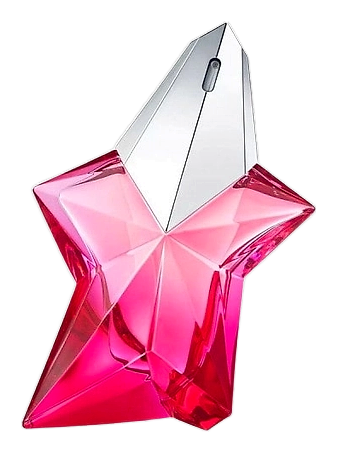
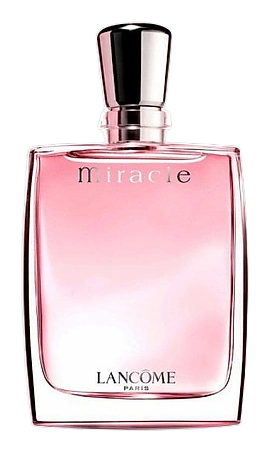
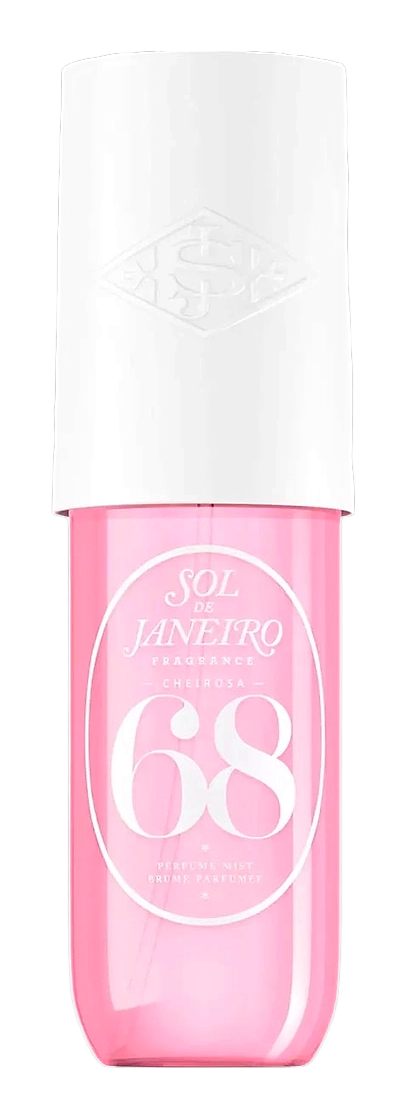
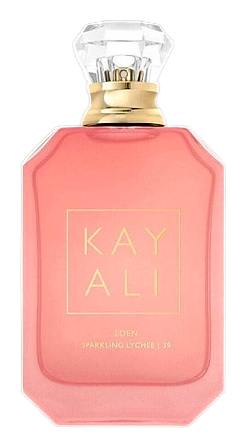
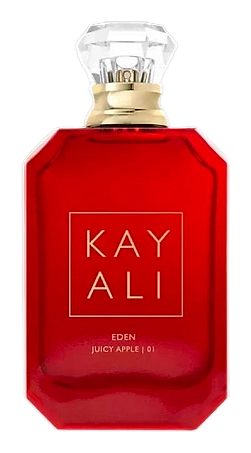
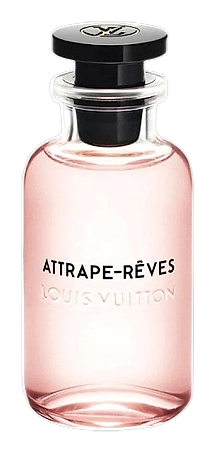
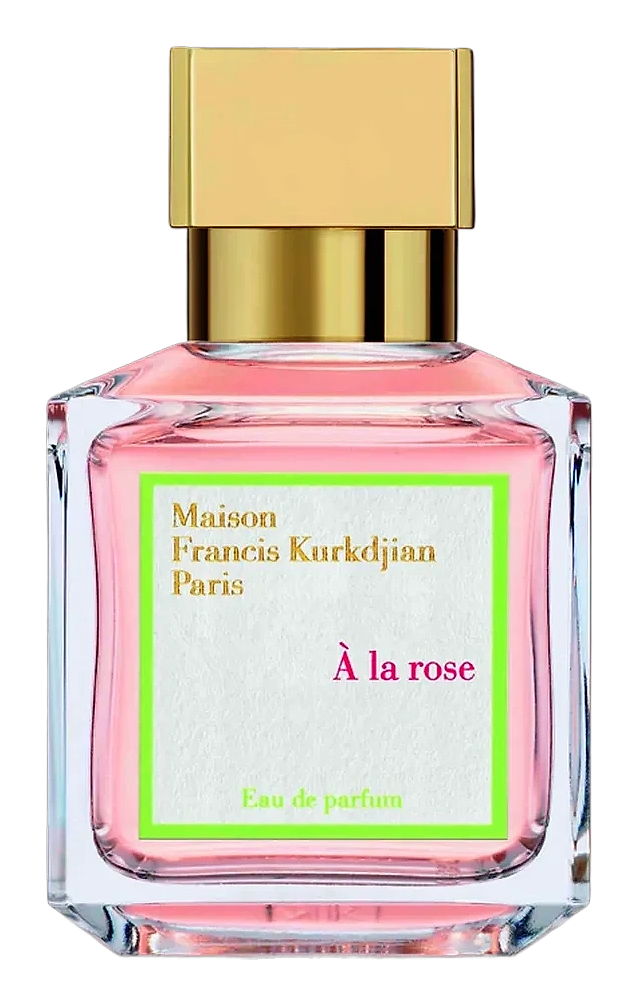
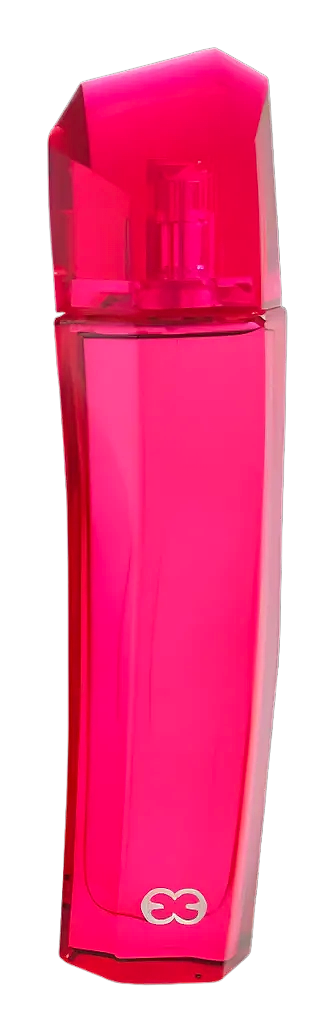
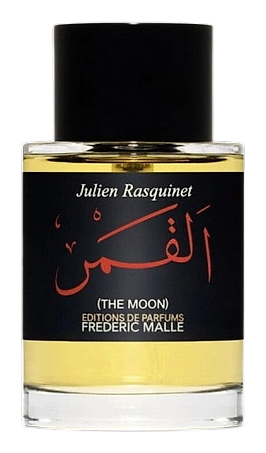
Fragrances featuring Litchi
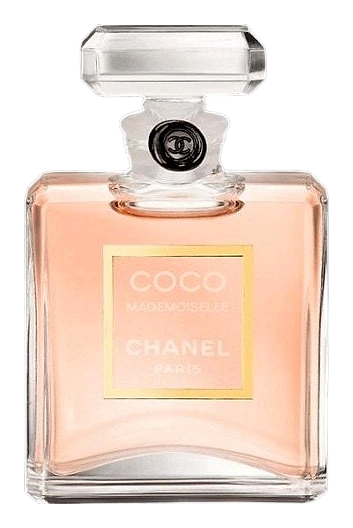
Brands
Brands known for Litchi
Good to know
Questions, answered
The essentials on Litchi in perfumery: how it smells, where it comes from, and how it behaves on skin.
Is litchi a natural or synthetic fragrance ingredient?
Litchi is purely synthetic in perfumery. No natural litchi extract exists because the fruit contains too much water and its key aroma compounds degrade too quickly for extraction to work. Perfumers synthesize the characteristic scent using molecules like cis-rose oxide and sulfurous compounds that recreate litchi's distinctive sweet, watery, floral character.
What does litchi smell like in perfume?
Litchi smells like a translucent, sun-ripened fruit with bright sweetness and watery freshness. It has delicate floral undertones that give it complexity, resembling a blend of rose, pear, and tropical melon. The note reads as clean, modern, and juicy rather than heavy or syrupy.
Why can't litchi be extracted naturally like other fruits?
Litchi's high water content (approximately 80%) and fragile aromatic compounds make it incompatible with standard extraction methods. Steam distillation and solvent extraction both fail because the volatile scent molecules break down or dilute into the fruit's water before capture. This leaves synthesis as the only viable path for perfumery.
What molecules create litchi's scent profile?
Cis-rose oxide is the primary character molecule, contributing the rosy-fruity quality that defines litchi. Additional molecules include various thiols and sulfur compounds that introduce tropical and grapefruit-like facets. Perfumers layer these aromatics to build a complete, multidimensional litchi note.
What types of perfumes use litchi?
Litchi appears most often in fresh, modern fragrances targeting feminine and gender-neutral markets. It works exceptionally well in fruity-floral compositions, tropical accords, and aquatic fragrances. The note also appears in masculine fragrances as a sparkling top element that adds brightness without sweetness.
What other fragrance notes pair well with litchi?
Litchi harmonizes naturally with rose, peony, and jasmine, amplifying their floral sweetness. It pairs beautifully with citrus, marine, and green notes for freshness. Tropical companions like coconut, mango, and passion fruit create lush island accords, while white musk adds warmth and longevity.
Does litchi last long in a fragrance?
Litchi functions primarily as a top-to-heart note with moderate longevity. On skin, expect 2 to 4 hours of distinct litchi character before it fades or blends into supporting florals. The note projects well initially but settles into the composition as the fragrance develops.
When did litchi first appear in perfumery?
Litchi entered perfumery in the late 20th century alongside the rise of fruity-floral fragrances. Advances in synthetic chemistry during the 1970s and 1980s made such precise fruit reconstructions possible. By the 1990s, litchi had become a staple note in contemporary fragrance collections worldwide.