
The Story
Why it exists.
The beginning
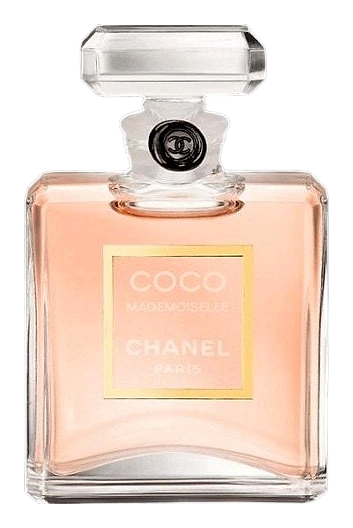
Coco Mademoiselle arrived in 2001, created by Jacques Polge for a woman who had always been more than one thing. Named for Gabrielle Chanel herself, the girl who became Coco, the woman who was always Mademoiselle, the fragrance captures the dual identity at its heart. Polge understood that Gabrielle Chanel built her empire on contradiction: masculine tweed paired with costume jewelry, simplicity that required extraordinary craftsmanship. The Parfum concentration represents the fullest expression of that duality, taking the original's structure and intensifying it into something that demands attention.
The note selection reflects a philosophy of deliberate contrast. Citrus and orange blossom open bright and effervescent, providing immediate impact. The floral heart then layers florals with complementary rather than redundant characters: jasmine is indolic, mimosa is powdery, rose is classical, ylang-ylang is tropical. This variety prevents the heart from feeling flat. The drydown anchors everything in patchouli and vetiver, earthiness providing counterweight to the florals above. White musk bridges the transition while myrrh, tonka bean, and vanilla add warmth and sweetness that extends longevity.
The evolution
The fragrance's evolution follows a clear narrative arc. It opens with the sharp clarity of citrus oils, orange and mandarin orange bursting against bergamot's tartness. This bright introduction lasts only minutes before the floral heart begins to assert itself, jasmine emerging first with its characteristic creamy depth, followed by mimosa's powdery softness and rose's elegant warmth. Ylang-ylang bridges the transition by adding tropical richness. As the hours pass, the drydown takes command. Patchouli and vetiver ground the composition with earthy weight while white musk keeps the finish clean. Myrrh contributes subtle resinous warmth and tonka bean with vanilla create a soft sweetness that lingers on skin long after the florals have faded.
Cultural impact
Coco Mademoiselle became an editorial fixture, referenced in fashion magazines, worn by women who define rather than follow trends. It occupies a particular corner of the fragrance world: the woman who chooses it isn't performing anything. She's simply arrived. The fragrance has its own cultural gravity, pulling in those who want scent as identity rather than scent as ornament.