The Story
Why it exists.
The beginning
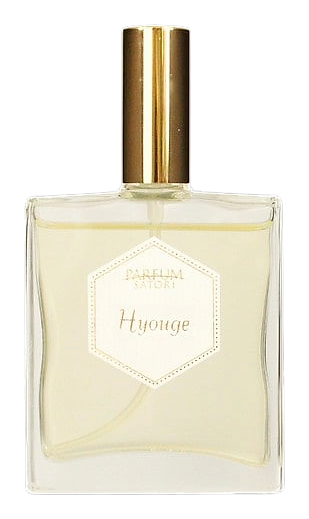
Hyouge takes its name from Furuta Oribe, a 16th century daimyō, tea master, and all-around troublemaker. Oribe wasn't interested in playing by the rules of his era. He developed his own school of tea ceremony, his own aesthetic, his own ceramic tradition that still carries his name. The establishment found him dangerous enough to order his death. Ōsawa Satori named this fragrance after him for a reason. Oribe's spirit, defiant, original, slightly dangerous, lives in the bottle.
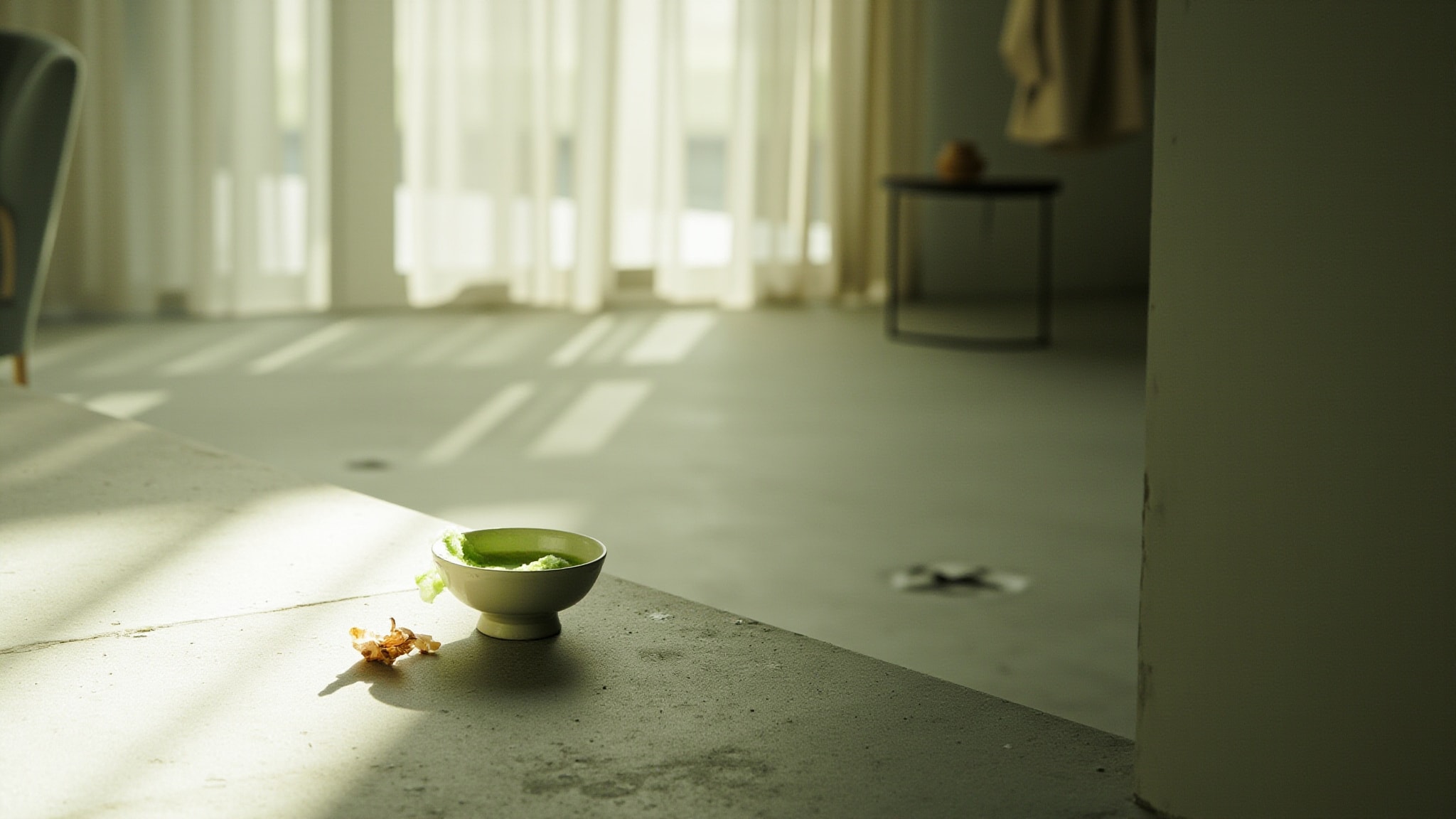
The fragrance opens with bitter matcha, the whisked, umami quality of ceremonial green tea made literal. There's nothing safe about it. The sharp, vegetal bite arrives first, demanding attention before any sweetness arrives. But the composition doesn't stop at provocation. Jasmine and violet pull it toward softness, their floral warmth threading through the green intensity. The iris and woody base give it structure, grounding the scent as it settles. It's a fragrance that starts with something true and earns its sweetness.
The evolution
The opening is green in a way that almost reads savory, matcha at its most honest, before any cream or sugar softens it. Sage threads through early, adding an herbal edge that keeps everything grounded. Jasmine arrives to gentle the composition, its presence subtle rather than overwhelming. The scent shifts from bitter to soft, the way a conversation might after you've established you're not here to perform. Violet appears as powdery warmth, and patchouli adds a base note that's earthy without being heavy. The drydown is iris and wood, close, refined, present without announcing itself. The progression feels intentional, each phase arriving when the previous one has said its piece.
Cultural impact
Hyouge takes matcha seriously as a note. The bitter, vegetal quality of ceremonial green tea isn't an easy sell, it requires a wearer who's interested in something true over something agreeable. Community response reflects this, wearers describe it as top notch matcha and praise its house-character, suggesting Satori has achieved something distinctive rather than merely unusual. The fragrance earns its place through what it actually does with that matcha, rather than through marketing positioning.